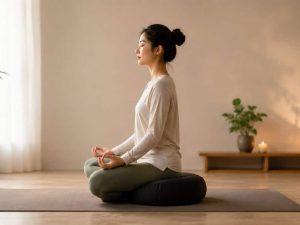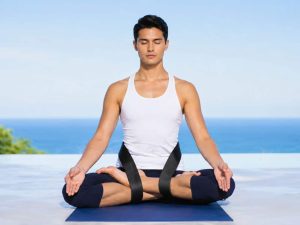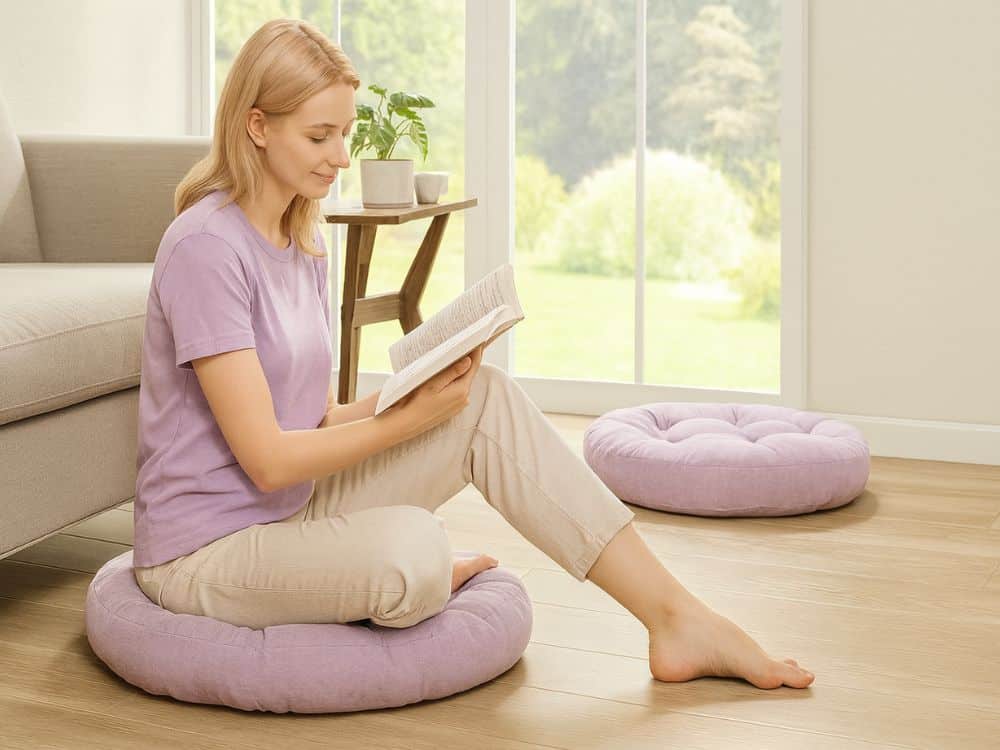
A round meditation pillow, often called a zafu, is not just a soft seat for meditation. The right one should lift your hips, support upright sitting, and stay stable enough for the way you actually practice.
This guide focuses on choosing a round zafu by height, filling, firmness, and sitting style. Instead of treating every meditation cushion the same, you’ll learn when a round pillow works well, when you may need floor support underneath it, and when another shape may fit your body better for long sitting.
- Choose a round meditation pillow by height, filling, firmness, and sitting style
- Understand when buckwheat or kapok makes more sense for sitting comfort
- Know when to pair a zafu with a zabuton or floor-support layer
- Avoid choosing a cushion only because it looks traditional or calming
What to Know Before Choosing a Round Meditation Pillow
If you are still learning the term itself, start with our guide to the zafu meditation cushion. This article focuses on choosing the right round meditation pillow by height, filling, firmness, and sitting style.
Round Zafu Terms to Know
- Round meditation pillow
A round cushion used to raise the hips during seated meditation so upright sitting can feel more stable.
- Zafu
The traditional name for a round meditation cushion used for cross-legged or seated practice.
- Buckwheat hulls
A natural filling that shifts slightly under the body and can feel more adjustable during sitting.
- Kapok
A natural fiber filling that usually feels firmer, lighter, and more traditional than buckwheat. If you prefer this traditional natural fill, compare the best kapok meditation cushions before choosing by shape alone.
- Zabuton
A flat floor-support cushion placed under the zafu to soften pressure on the knees, ankles, and lower legs.
- Meditation cushion height
The amount of lift that affects how the hips, knees, pelvis, and spine settle during sitting.
Choose by Sitting Style First
-
For short daily sits
A simple kapok or buckwheat zafu can be enough if you sit for 5–15 minutes and mainly need a stable seat.
-
For longer sitting
Choose a firmer or more adjustable round meditation pillow so the cushion does not collapse under your hips as the session continues.
-
For tight hips
A slightly higher zafu may help the knees descend more naturally, but the cushion should still feel stable rather than forcing the posture.
-
For cross-legged or kneeling positions
A round zafu often suits cross-legged sitting, while kneeling or seiza may require careful testing because the ankles and knees carry pressure differently.
Choose the cushion around the way you actually sit, not around the way the product photo looks.
How to Choose the Right Round Meditation Pillow
- HeightChoose height based on hip flexibility and sitting posture. Higher is not always better; the goal is stable lift, not forcing the knees down.Look forA cushion height that lets the pelvis tilt gently forward while the seat still feels steadyAvoidChoosing by appearance or assuming one height fits every body
- FillingBuckwheat shifts and molds slightly under the body, while kapok usually feels firmer, lighter, and more traditional.Look forA filling that matches whether you prefer adjustable support or a steady seatAvoidOverly soft cushions that collapse during longer sitting
- FirmnessA zafu should support the sitting bones without feeling like a sofa pillow. Too much softness can feel pleasant at first but unstable later.Look forFirm support with just enough give to stay comfortableAvoidPlush cushions that sink too deeply under the hips
- DiameterA wider round meditation pillow may feel more forgiving, while a smaller one may suit compact spaces or smaller bodies.Look forEnough surface area to sit near the front edge comfortablyAvoidA cushion so narrow that you feel perched or unstable
- Cover and careFloor-use cushions need durable fabric and practical cleaning. This matters more if the zafu stays in a daily meditation corner.Look forCotton covers, removable covers, strong seams, and clear care instructionsAvoidDecorative fabrics that are difficult to clean after regular floor use
- Sitting styleCross-legged, half-lotus, Burmese, and kneeling positions all create different pressure points. The right zafu should support your actual sitting position.Look forA cushion that supports how you really sit, not only how you want the setup to lookAvoidBuying a round zafu when another cushion shape or bench would fit your posture better
If you are unsure whether your hips should sit higher, lower, or closer to your knees, use this meditation cushion height guide before choosing a round zafu.
Round Zafu Options by Support Style
Traditional Firm Support
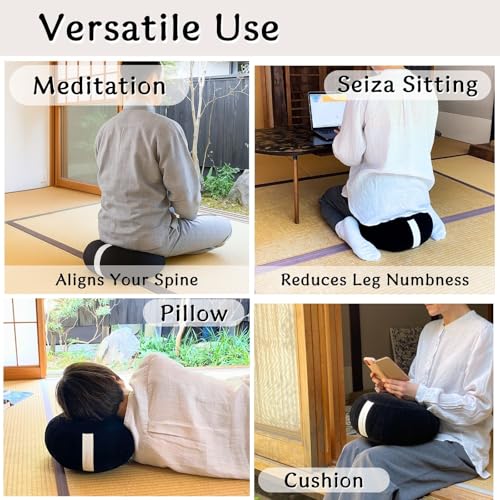
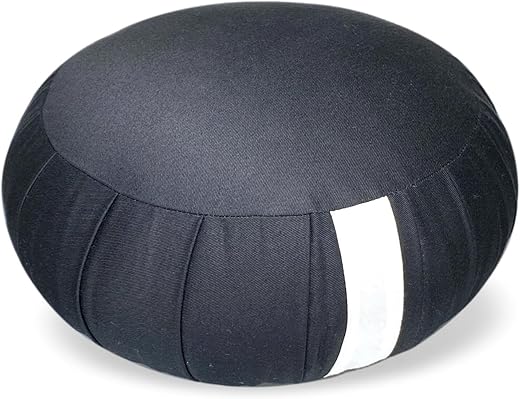
Consider this if you want a firm, traditional-feeling round meditation pillow for seated practice. Kapok is less moldable than buckwheat, so it suits sitters who prefer a steady seat rather than a cushion that shifts under the body.
Adjustable Buckwheat Support


Consider this if you want a buckwheat zafu that can settle slightly under the body while still giving lift. It may suit sitters who are still learning what height and firmness feel best for longer sitting comfort.
Buckwheat can feel supportive because the hulls shift slightly instead of compressing like soft foam. For a deeper look at this filling, see our guide to buckwheat meditation cushions for long sitting before deciding whether this material fits your practice.
Full Sitting Setup
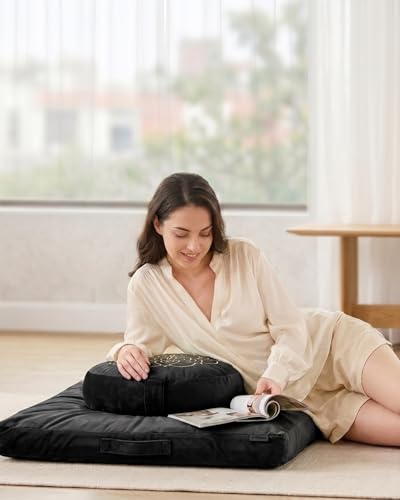

Consider this if you want both a round zafu and a softer base layer in one meditation setup. The zafu helps lift the hips, while the larger floor-support layer can make contact points under the legs, knees, and ankles feel more forgiving.
A zafu lifts the hips, but it does not cushion every floor contact point. If your knees or ankles press into the floor, a zabuton for knees and ankles can make the full sitting setup feel more stable and forgiving.
Luxe Washable Buckwheat Option
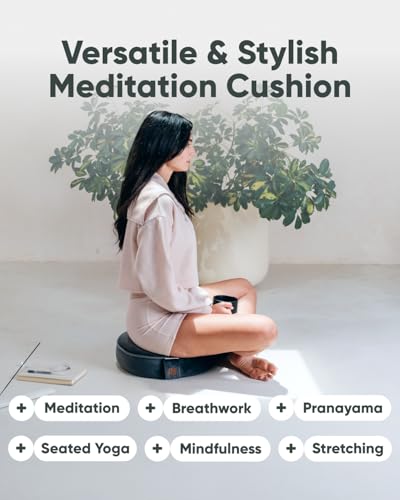

Consider this if you like the adjustable feel of buckwheat but want a round meditation pillow that also feels softer and more polished in a home meditation space. Check the height and firmness against your sitting style before choosing it over a simpler buckwheat zafu.
If you want a closer look at a soft, decor-friendly buckwheat zafu with a washable velvet cover, read the Hihealer Meditation Cushion review before choosing this style.
Round Zafu Trade-Offs
- Helps lift the hips for seated practice
- Compact compared with larger cushion setups
- Works well with a zabuton base
- Available in buckwheat or kapok fills
- Not ideal for every knee position
- Height can be wrong for some bodies
- Round shape may feel narrow to some sitters
- May need separate floor-support cushioning
How to Sit on a Round Zafu
-
Place the zafu on a stable base
Set the round meditation pillow on a mat, rug, or zabuton so it does not slide as your weight settles.
-
Sit near the front edge
Sitting too far back can round the pelvis. The front edge helps the hips tilt slightly forward for a more upright seat.
-
Let the knees descend naturally
Do not force the knees down. If the hips feel tight or the knees stay high, adjust cushion height or leg position before continuing. If a round cushion feels narrow or creates thigh pressure, compare it with a crescent meditation cushion before assuming you need a taller zafu.
-
Check stability before longer sessions
The right zafu should make sitting feel steady, not rigid. Test the setup for a few minutes before relying on it for longer practice.
A round zafu should support the way your body settles; it should not force you into a shape that feels unstable.
For longer, stiller sessions, the cushion needs to stay stable after the first few minutes. If you sit in a Vipassana-style practice, compare this guide with our Vipassana meditation cushion recommendations before choosing your final setup.
FAQ
Is a round meditation pillow the same as a zafu?
Yes, in most meditation contexts, a round meditation pillow is commonly called a zafu. This article focuses on choosing and using the round cushion shape, while a separate zafu basics guide can explain the term and background more deeply.
Is buckwheat or kapok better for a zafu?
Buckwheat usually feels more adjustable because the hulls shift under the body. Kapok often feels firmer, lighter, and more traditional. The better choice depends on whether you want moldable support or a steadier seat.
Do I need a zabuton under a zafu?
You do not always need one, but it often helps. A zafu lifts the hips, while a zabuton or floor-support layer cushions the knees, ankles, and lower legs against the floor.
Is a round zafu a good meditation cushion for beginners?
A round zafu can work well for beginners if the height and firmness match the sitter’s flexibility. If the cushion feels unstable or the knees stay too high, try a different height, add floor support, or consider another cushion shape.
Should I choose a round zafu or a meditation bench?
Choose a round zafu if cross-legged sitting feels natural and you mainly need hip lift. A meditation bench may feel better if kneeling is more comfortable or if cross-legged sitting creates too much strain.
A round zafu is only one meditation cushion shape. If you are still deciding between zafu cushions, crescent cushions, benches, and fuller sitting setups, start with our guide on how to choose meditation cushion. For product comparisons, see our guide to the best meditation cushions for sitting comfort before choosing your final support.
Choose the Zafu That Helps You Sit, Not Just the One That Looks Right
- Choose by sitting style before color or design
- Use height and firmness to support stable posture
- Pick buckwheat for a more adjustable feel or kapok for a firmer traditional seat
- Pair the zafu with a zabuton or floor-support layer if knees and ankles need cushioning
- Consider another cushion shape if a round zafu does not fit your body
A round meditation pillow is useful when it gives your hips enough lift, your seat enough stability, and your practice enough comfort to continue. Start with how you sit, then choose the zafu height, filling, and firmness that support that position without forcing it.