
When someone says they need nothing, it can be tempting to search harder for the one gift they have not imagined. But the sentence may be a clear request for less spending, fewer possessions, no decisions, or no celebration at all.
Thoughtfulness begins by listening before trying to surprise them. This guide belongs to the Gifting collection, where the right gesture is allowed to be a message, practical help, familiar time together, or no object at all.
The wider guide to thoughtful gift ideas begins with what you have genuinely noticed about the recipient. Here, the most important thing you may have noticed is that they are trying to reduce pressure rather than hinting that you should become more inventive.
Listen for the Boundary Behind the Words
- No more possessions
They may be decluttering, moving, short on storage, or tired of maintaining objects that seemed useful when they arrived.
- No spending
They may be protecting your budget, trying to reduce reciprocal gift costs, or uncomfortable receiving something expensive.
- No decisions
They may not want to compare models, select a date, send a size, explain their preferences, or take responsibility when your choice does not fit.
- No performance
They may not want to open a gift publicly, produce a large reaction, photograph it, display it, or reassure the giver that it was perfect.
- No celebration
They may genuinely prefer an ordinary day and no physical reminder of an occasion they do not wish to emphasize.
These meanings are not interchangeable. Someone who does not want more belongings may still welcome dinner together. Someone who does not want to celebrate may not welcome dinner, flowers, a surprise visit, or a small gift disguised as “not really a gift.”.
Before turning “nothing” into another object, it helps to decide what form of care fits the boundary: an experience, shared time, practical help, or no gift at all.
One calm question can clarify the boundary: Would you prefer no gift at all, or would something familiar and practical feel comfortable? After that, stop negotiating. Repeating “Are you sure?” in several forms turns listening into a contest.
That restraint matters especially in newer or less personal relationships. The same boundaries used for a low-pressure acquaintance gift apply here: the recipient should not have to manage the object, its meaning, and the giver’s disappointment at the same time.
Use the Least Demanding Option That Still Feels True
- A specific message Name something you value without attaching an object or expecting a long reply.
- Help they already welcome Offer one practical action the recipient has accepted rather than deciding what should be fixed.
- Optional time together Leave the date and the right to decline open instead of presenting a completed plan.
- A familiar replacement Replace the exact item they already use only when the need is clear.
- A choice they already understand Use a gift card only when the store, service, costs, and practical limits are familiar.
Shared time stays low-pressure only when it follows the same boundaries described in time together without pressure: no fixed emotional response, no hidden workload, and room to say no.
When “Nothing” Means No More Things
A Living Gift Is Still Something They Must Keep Alive
Succulents are often described as small and easy, which can make them appear suitable for someone who does not want more belongings. But a collection of twenty live plants is not one modest gesture. It is twenty separate objects that need somewhere to sit and some level of ongoing care.
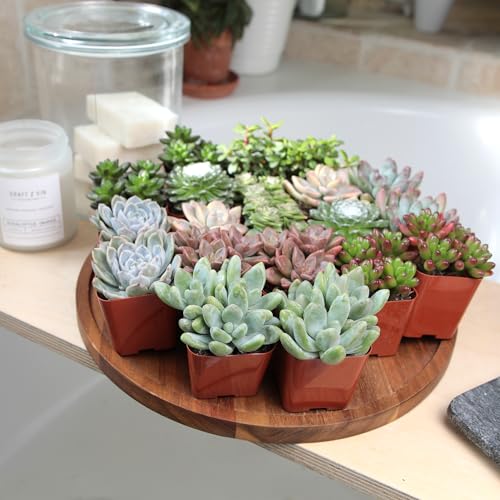
The recipient may lack bright windows, live with curious pets, travel often, or already have more plants than the available surfaces can hold. The plastic nursery pots may also lead to another round of decisions about containers, soil, drainage, and where everything belongs.
A plant is thoughtful when the person has asked for that plant or has an established place and routine for it. It is not automatically respectful because it is natural, attractive, or smaller than furniture. When “nothing” means no additional caretaking, a living gift directly contradicts the request.
Replace a Familiar Comfort Only When the Old One Is Ready to Go
A soft throw blanket may look like a safe gift because it is familiar, useful, and easy to understand. Yet many homes already contain several blankets with different weights, textures, sizes, and emotional histories. The recipient may keep reaching for one old throw because it feels right, not because nobody has offered a newer one.

Before replacing it, check the dimensions, warmth, fabric, wash instructions, color, and how the person actually uses the old blanket. A decorative throw for a chair is different from one used every night, packed for travel, shared with a pet, or washed frequently.
The old blanket should also be theirs to keep or discard. A replacement is not permission to remove an object with sentimental value. The same principle applies to gifts that make everyday life easier: improvement must solve the recipient’s real difficulty rather than redesign a routine that already feels comfortable.
A Tiny Replacement Works Only When the Need Is Exact
A silicone coffee mat is highly specific. It makes sense when the recipient already has a coffee station, regularly deals with drips or scattered grounds, and has been looking for something to protect that exact surface.

The printed phrase, dimensions, edge design, and appearance still matter. A recipient who keeps the counter visually simple may dislike a large slogan even when the mat itself would be useful. An 18-by-12-inch surface may also block cabinet doors or fail to fit beneath the existing machine.
Do not select it merely because the person enjoys coffee. Liking coffee does not prove they have a coffee station, need a mat, enjoy decorative text, or want another item on the counter. A practical gift becomes thoughtful through precise knowledge, not through a broad theme.
When “Nothing” Means No Plans or Decisions
Conversation Should Grow From the Moment, Not Become an Assignment
Conversation cards do not create physical clutter on the scale of furniture or decorative objects, but they are not emotionally neutral. A card may ask about memories, relationships, beliefs, regrets, or future hopes that the recipient would not have introduced on their own.

The image shows an energetic group enjoying the interaction. That does not mean the same format suits a quiet dinner, a tired relative, a private partner, or someone who dislikes being placed at the center of attention. Even playful questions can create pressure when passing is treated as awkward.
Use cards only when the person already enjoys games, group conversation, or guided prompts. Make skipping easy, avoid insisting that every card receives a serious answer, and let the activity end before the group runs out of energy.
A Flexible Experience Can Still Leave a Long To-Do List
An experience gift card may appear to solve the problem of guessing. Instead of selecting the exact activity, the giver transfers the decision to the recipient. That can be helpful when the person already wants an experience from the available collection. It can be burdensome when they said “nothing” because they did not want to plan anything.

A rafting image may feel exciting to the giver while raising practical questions for the recipient: Where is it offered? Who will go? Is travel included? Does the stated value cover the activity? Are there physical requirements, restricted dates, or seasonal availability?
Check the participating locations, expiration rules, exclusions, refund terms, booking process, and likely additional spending. A gift card is not low-pressure when it works only after the recipient contributes substantially more money or organizes a trip they had not planned.
When you already know the person wants a specific activity, contributing toward it can be thoughtful. When you know only that they prefer experiences to objects, the category remains too broad to remove the decision burden.
When “Nothing” Means Do Not Guess for Me
A knit beanie may seem modest and useful, especially in cold weather. It still sits on the body and close to the face. The recipient may avoid hats, dislike tight bands, prefer a different fabric, need room for particular hair, or wear colors that make the chosen version feel out of place.

The outdoor image presents a clear context: cold air, layered clothing, and physical work. The same hat may be unnecessary for someone living in a warm climate, commuting briefly by car, or already owning several versions that fit better.
Clothing also creates a social problem when the recipient has deliberately declined to provide preferences. The giver may interpret that silence as permission to choose a neutral color. The recipient may have intended it as permission not to buy clothing at all.
A precise question can be kinder than a guess: Your usual hat looks worn. Would you like the same style replaced, or would you rather leave it? The second half matters. It gives the recipient a real route back to nothing.
Do not keep searching when they have clearly said, “Please do not get me anything,” when they are moving or decluttering, when the occasion carries grief or exhaustion, when a gift could create financial obligation, or when you are using the object to avoid a needed conversation. Listening is not an incomplete version of giving.
Respecting the boundary does not require pretending the day or the person means nothing. You can call, write, cook an ordinary meal you already share, or simply remain steady and kind. The difference is that the gesture does not contradict what the recipient has asked you to leave alone.
You said you truly did not want a gift, so I listened. I still wanted you to know how much I appreciate the steadiness and kindness you bring to ordinary days. No reply or celebration is needed.
A message like this does not apologize for the absence of a package. It does not announce that listening was a sacrifice. It acknowledges the request and carries the affection separately from the marketplace.
Frequently Asked Questions
Should I believe someone when they say they need nothing?
Yes. Treat it as a real preference unless they clearly explain otherwise. You may ask one calm clarifying question, but repeated attempts to find an exception can make the recipient feel unheard.
Is it rude to give a gift after they said not to?
It can be, especially when the request was direct. A small object still contradicts the boundary when the person asked for no gift at all. A message or ordinary act of care may be more respectful.
What can I give someone who does not want more stuff?
Consider a specific note, help they have already accepted, a familiar consumable in a modest amount, or the exact replacement for something they need. Confirm that they are open to the gesture before assuming non-permanent means pressure-free.
Is an experience better than a physical gift?
Not automatically. Experiences can require scheduling, travel, energy, additional spending, childcare, equipment, and emotional participation. They are suitable when the recipient wants that particular experience and has room for the logistics.
Are consumable gifts always low-pressure?
No. Food, beverages, flowers, fragrance, and craft supplies can create allergy, storage, preference, or quantity problems. Choose a consumable only when you know the exact type the recipient already uses.
Is a gift card appropriate when they do not know what they want?
It may be appropriate when the recipient already uses the business and the card does not require extra spending or urgent decisions. A broad experience card or unfamiliar store can simply transfer the research burden to them.
What should I write when I am not giving a physical gift?
Acknowledge that you listened, name something specific you appreciate, and do not ask for reassurance. The message should feel complete without requiring a reply or explaining why no object was purchased.
How do I handle a birthday when they do not want to celebrate?
Ask what level of acknowledgment feels comfortable and follow that answer. They may prefer an ordinary meal, a private message, no gathering, or no mention of the day. Do not create a surprise event to prove they secretly wanted one.
Let Listening Be Part of the Gift
- Take the first no seriously
- Use the least demanding gesture
- Replace only a confirmed need
- Leave a real path back to nothing
“I need nothing” is not an invitation to outsmart the recipient. It may be a request for less storage, less spending, fewer decisions, no performance, or no celebration. A thoughtful response can be a precise replacement, a familiar gesture, a message that asks for nothing in return, or the simple respect of not adding one more thing.