
A gift for someone you do not know well needs a different kind of thoughtfulness. It should make the reason for the gesture clear without asking the recipient to interpret a private meaning, perform a large reaction, or return something of equal value.
A colleague, neighbor, host, teacher, coach, or new acquaintance may appreciate being noticed while still wanting the relationship to remain comfortably where it is. This guide is part of the Gifting collection, where the gift is shaped by the recipient, the occasion, and the amount of closeness that already exists.
A gift for an acquaintance is not a smaller version of a gift for a close friend. The broader guide to thoughtful gifts for friends can draw on shared history, private jokes, known preferences, and years of ordinary moments. An acquaintance gift usually has less personal knowledge to work with, so the occasion must carry more of the meaning.
Four Boundaries That Keep a Gift Easy to Receive
Clear context
The recipient immediately understands what the gift recognizes: a specific favor, an invitation, a completed project, a welcome, or a shared occasion.
Proportionate value
The size and cost fit the relationship closely enough that the recipient does not feel required to match the gesture later.
Easy usefulness
The gift does not require a new routine, a large storage space, personal measurements, technical setup, or detailed knowledge of the giver’s intentions.
Graceful exit
The recipient can use, share, consume, pass along, or eventually let go of the gift without feeling that they have rejected the relationship.
Low-pressure does not mean careless or generic. It means the gesture can be received without hidden homework. The recipient should not have to decide whether the gift is romantic, whether they now owe a favor, whether it must be displayed, or whether failing to use it will hurt the giver.
Thank Them Without Rewriting the Relationship
A Small Thank-You Should Name the Help
A colleague who covered a shift, a neighbor who collected a parcel, or a group that helped finish a difficult task may deserve more than a quick message. The safest gift keeps its meaning close to what actually happened: thank you for staying late, carrying the boxes, answering the questions, or making the week easier.

Individually wrapped cookies illustrate why a shared or portioned gift can work in a group. People can take one without opening a large communal package, and the gesture does not need to become a formal presentation. That convenience does not remove the need to check ingredients, allergies, dietary restrictions, and whether food gifts are allowed in the workplace.
The note should carry the detail that the product cannot. “Thank you for helping me prepare the room before everyone arrived” is more meaningful than a large label saying “Employee Appreciation.” Specific gratitude keeps the gift human without exaggerating the relationship.
A Larger Recognition Gift Needs a Clear Milestone
An e-reader may be a thoughtful recognition gift when the recipient is known to read digitally, the occasion is substantial, and several people are contributing. It is much harder to justify as a casual thank-you. The device carries enough value and permanence to make the recipient wonder what the gesture means and what kind of response is expected.

Even at an appropriate milestone, an e-reader is not automatically neutral. The recipient may already own one, prefer printed books, use another digital platform, or dislike managing accounts and electronic libraries. A group can ask a close colleague or family member before choosing the device without revealing every detail of the presentation.
When the occasion is not large enough to support the value of the gift, reduce the gesture rather than searching for a grander explanation. A handwritten note, small food item, flowers from the group, or modest gift card may express genuine appreciation with fewer social questions attached.
Workplaces, schools, public institutions, healthcare settings, and service organizations may limit the value or type of gifts employees can accept. Check the actual policy before turning gratitude into a problem the recipient has to report, refuse, or return.
Let Hospitality Stay Easy
A Host Gift Should Wait Its Turn
When someone has invited you into their home, the gift is not an audition for the evening’s most memorable contribution. The host may have planned every dish, portion, allergy accommodation, and serving time. A gift that demands a place on the table can create work at the exact moment it was meant to express thanks.

A packaged gourmet basket can be set aside and explored after the gathering, but only when the contents suit the household. Check ingredient lists, alcohol, nuts, meat, dairy, religious restrictions, and whether the package includes items the host can actually use. A large assortment is not automatically safer than one carefully selected item.
Presentation should also remain manageable. The host should not need to unpack layers of filler, refrigerate several items immediately, or find room for a large decorative container while guests are arriving. The gift has already done its job once it says, “Thank you for having me.”
A Neighbor Gift Should Be Easy to Receive at the Door
A neighbor may be working, caring for children, preparing dinner, or simply not ready for company when the doorbell rings. A low-pressure gesture can be handed over with one clear sentence or left safely with a signed note when that is appropriate.
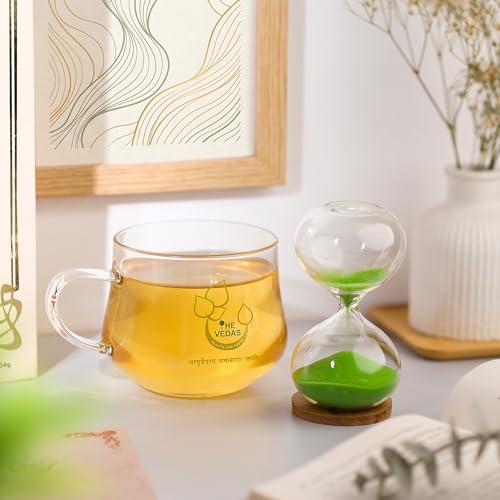
A tea set fits only when you already know the person drinks tea. A chest containing a mug, infuser, timer, book, and a large amount of tea may be generous, but it can also be more elaborate than the relationship requires. A smaller tin or a few clearly labeled sachets may better match a first welcome or a minor favor.
Avoid homemade food when you do not know the household’s allergies, dietary practices, or comfort with food prepared in another kitchen. Avoid anything that requires refrigeration when you are unsure someone will answer the door. The neighbor should not inherit a storage problem because you wanted the surprise to feel abundant.
Make the Gift Easy to Accept Without Performing Gratitude
- No public opening required The recipient should be free to open the gift later and respond in their own way.
- No immediate use required A host, colleague, or neighbor should not need to serve, display, install, or consume it while you watch.
- No new upkeep The gift should not introduce watering, charging, subscriptions, cleaning, or repeated replacement without prior interest.
- No private information required Avoid asking for measurements, health details, household data, or personal preferences that the relationship does not naturally include.
- No equal return expected The gesture should still feel complete even when the recipient never gives you a similar gift.
- No expanded relationship implied A thank-you should not quietly function as an invitation to greater closeness, romance, access, or obligation.
When they have already declined gifts, making the object smaller does not automatically make it respectful. The most low-pressure choice may be a sincere note and no product at all.
Personal Does Not Have to Mean Intimate
A gift can feel personal because it recalls a public conversation, recognizes specific work, or reflects something the recipient openly uses. The broader guide to thoughtful gift ideas begins with that kind of real observation. Personal does not require guessing at the parts of someone’s life they have never shared with you.
Fragrance Assumes Personal Taste You May Not Know
Cologne may look like a polished and conventional gift, but fragrance is one of the least neutral choices available. The recipient may dislike the notes, avoid fragrance entirely, react to strong scents, or feel uncomfortable that an acquaintance has selected how they should smell.

The product title may describe bergamot, mandarin, lavender, musk, or long-lasting fragrance, but notes on a page cannot predict how a scent feels to the individual wearing it. Fragrance also carries gendered marketing that may not fit how the recipient sees themselves.
Choose perfume or cologne only when the person has named the exact product, you have seen them use it, or the relationship already includes that level of personal knowledge. Otherwise, the gift asks the recipient to manage both the scent and the meaning behind your choice.
Home Fragrance Enters Everyone’s Space
An aromatherapy diffuser is often presented through images of quiet rooms and relaxed evenings. That atmosphere may be appealing, but the product changes the air in a real household. The recipient may avoid essential oils, dislike visible mist, share space with someone sensitive to fragrance, or simply prefer the home to remain unscented.

A set containing many oils increases the number of assumptions rather than reducing them. It may also require water, cleaning, safe storage, and decisions about use around children or animals. Those responsibilities belong to the recipient after the attractive gift box is gone.
Home fragrance can work when the person has openly talked about diffusers, named preferred scents, and confirmed that the household uses them. It should not be treated as a universal route to calm or as an improvement to someone else’s home.
A Body-Correction Gift Can Feel Like Criticism
A posture trainer is not simply a neutral piece of technology. It is worn on the body, paired with an app, and built around monitoring or changing a physical habit. Giving one to an acquaintance may suggest that you have been observing their body and decided it needs correction.

The device also brings practical commitments: adhesive or wearing comfort, charging, phone compatibility, app permissions, notifications, data, and repeated use. Those are substantial demands for a gift based on an unspoken assumption.
Do not give products related to posture, weight, sleep, pain, skin, hair loss, exercise, or another body concern unless the recipient has explicitly asked for that exact help. Even accurate concern can feel intrusive when the relationship has not earned access to the subject.
Name what the person did, say how it helped, and stop before the message enlarges the relationship. For example: Thank you for checking on the package while I was away. It made the week much easier, and I really appreciated your help. The note does not request a reply, promise future closeness, or ask the recipient to reassure you that the gift was perfect.
A good note is often more memorable than an elaborate product because it proves the gratitude is specific. “Thank you for everything” can sound warm but leaves the recipient to guess what was noticed. One true detail makes the message more personal without becoming private.
Avoid language such as “You are the only person who understands me,” “I knew you needed this,” or “I hope we can become closer.” Those messages may be appropriate in another relationship, but they change a simple gesture into a conversation the recipient did not agree to have.
Frequently Asked Questions
How much should I spend on a gift for an acquaintance?
Keep the value proportionate to the occasion, local norms, and any workplace or institutional rules. The recipient should not feel that matching the amount later is necessary. A specific note with a modest gift is often more comfortable than a high-value object.
Is a gift card appropriate for someone I do not know well?
It can be appropriate when the store or service clearly fits the context and the amount remains modest. Gift cards are less suitable when policies restrict them, when they resemble cash in a professional relationship, or when the recipient may not use that business.
What is a safe gift for a coworker?
A small shareable food item with clear ingredients, a modest workplace-appropriate gift card, or a written note can work when company policy allows it. Avoid intimate products, expensive technology, fragrance, alcohol, and anything that comments on the person’s body or private life.
Should I give food when I do not know their allergies?
Food is risky when allergies, dietary practices, and household preferences are unknown. Use sealed products with complete ingredient labels, ask discreetly, or select a non-food gesture. Homemade food is not automatically safer or more personal.
Is it awkward to give a gift when they did not give me one?
Not when the reason for your gift is clear and no exchange was expected. A brief note can make that explicit. The gesture becomes uncomfortable when its value or presentation suggests that the recipient should now respond in kind.
What should I write in the note?
Name the specific action or occasion, explain its effect in one sentence, and offer straightforward thanks. Keep the message complete without requesting a reply, promising repayment, or overstating the closeness of the relationship.
When is it better not to give a gift?
Skip the gift when the person has declined, policy prohibits it, the gesture may appear romantic or coercive, or you need private information to choose it. A direct thank-you can be the more respectful response.
Let the Gesture End Without Creating a Debt
- Give for a clear occasion
- Keep value proportionate
- Respect the recipient’s privacy
- Make use and response optional
A low-pressure gift for an acquaintance does not need to prove unusual insight or transform the relationship. It can simply recognize one act, one invitation, one milestone, or one moment of welcome with a gesture that is easy to understand and easy to receive. The thoughtfulness lives in knowing where appreciation ends and personal access has not yet begun.