Natural pest control works best when you stop pests from finding what brought them inside: food, moisture, shelter, and an easy route through the home.
This guide offers a calm way to respond to ants, fruit flies, possible bed bug signs, and rodent-prone entry points. It focuses on removing the source, closing the route, watching for repeat activity, and recognizing when a household routine is no longer enough.
- How to identify what is attracting the pest
- What to do about ants and fruit flies
- Why bed bug signs need evidence rather than fragrance
- How to notice vulnerable entry points
- A five-minute weekly prevention routine
- When to move from home prevention to professional help
Begin With What Brought the Pest Inside
Crumbs beneath an appliance, a sticky bottle in recycling, damp buildup inside a drain, an open food container, or a small gap around a pipe can quietly support repeat activity. Spraying the insects you see may remove the immediate distraction without changing the conditions that invited them.
Food and drink do not always remain on washable counters. When residue reaches upholstery, carpet, or a rug, gentle stain removal for household fabrics and rugs can remove what attracts pests without grinding it farther into the fibers.

Vinegar, essential oils, powders, cleaners, traps, and pesticides still need careful handling. Follow product labels, protect food-preparation areas, and consider children, pets, allergies, respiratory sensitivities, and the surface being treated. Never combine household cleaners unless their labels specifically allow it.
Before applying vinegar, oil, or another cleaner, consider how different home materials respond to moisture and cleaning. Natural stone, painted finishes, sealed wood, metal, upholstery, and other surfaces do not all tolerate the same treatment.
Ants: Trace the Route Before Treating the Trail
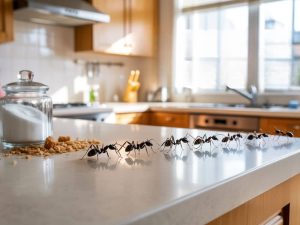
Begin by watching where the trail starts and where it disappears. Check beneath small appliances, around pet bowls, behind pantry containers, near plumbing, and along window or door edges. Clean crumbs and sticky residue, move exposed food into closed storage, and dry any damp area you find.
A trail that returns after the counter has been wiped usually means something remains nearby – food, moisture, shelter, or an opening – and tracing why black ants suddenly appear indoors is more useful than repeatedly spraying the visible line.

After the source is removed, wipe the trail using a cleaner appropriate for the surface. Then address the opening if it can be safely closed. A door edge, window gap, pipe opening, or crack may explain why the same route reappears.
Once the source and route are addressed, carefully placed scents that ants tend to avoid may provide limited support in selected locations. They should not replace cleaning, sealing, or a more appropriate response to persistent activity.
Fruit Flies: Look Beyond the Flying Adults
Start with the visible kitchen. Inspect ripe or damaged fruit, onions and potatoes in storage, compost, trash, recycling, sticky bottles, damp cloths, and residue beneath containers. One forgotten source can keep producing activity even after the rest of the room has been cleaned.

- Inspect produce and stored food
Remove damaged fruit and check less-visible produce stored in baskets, cabinets, or pantry corners.
- Empty food waste
Take out compost and trash, then clean residue around lids, rims, liners, and the floor beneath the container.
- Rinse bottles and recycling
Sweet residue in cans, bottles, and recycling bins can continue attracting adult flies.
- Check damp kitchen areas
Look around the sink, disposal area, drain opening, sponges, cloths, and any place where wet organic material collects.
- Monitor what returns
If activity continues, note where the flies gather rather than placing traps throughout the room without identifying the source.
Location provides a clue, but flies near a sink are not proof that the drain is the only source.
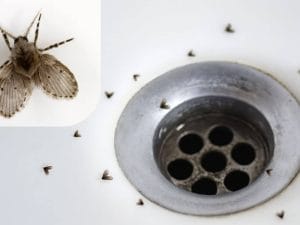
When activity continues around the sink after ripe fruit, trash, and recycling have been addressed, the next step is to clean a drain where fruit flies keep returning. Physical cleaning matters because damp film can remain along the drain wall even when the opening looks clear.

Bed Bug Signs Need Evidence, Not Fragrance
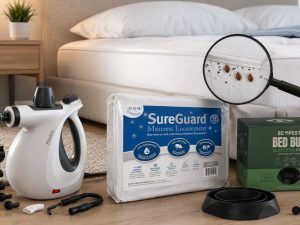
Bites alone cannot confirm what caused them. Look for repeated physical signs around mattress seams, the bed frame, nearby furniture, baseboards, and the places where bedding meets the bed. Dark spotting, shed skins, eggs, or visible bugs deserve closer investigation.
Understanding whether fabric softener affects bed bugs prevents a pleasant laundry scent from being mistaken for inspection, monitoring, or treatment.
Fragrance is not evidence of control
A fresh smell or softer fabric does not address bugs and eggs hidden in seams, furniture, cracks, or nearby parts of the room.
Laundry products should be used for their labeled purpose, while suspected bed bugs require inspection, monitoring, and an appropriate control plan.
Fragrance cannot show whether hidden activity has stopped or moved elsewhere.
Use visible evidence and continued monitoring instead of judging the result by how the room smells.

What to do while you seek confirmation
- Inspect seams, bed-frame joints, nearby furniture, and edges around the sleeping area.
- Keep the area orderly enough that repeat signs are easier to notice.
- Handle washable bedding and clothing according to their care labels.
- Vacuum carefully where evidence may collect, then dispose of vacuum contents appropriately.
- Avoid moving untreated items into another room, which may spread the problem.
- Seek qualified professional help when bugs or repeated physical signs are confirmed.
Bed bugs are not a reflection of whether a home is clean or cared for. Removing shame from the situation makes it easier to inspect honestly and respond before activity spreads.
Entry Points and Rodent Warning Signs
Walk through the places where the home meets the outside: doors, windows, vents, utility lines, pipe openings, garage edges, and storage areas. Look for visible gaps, damaged screens, clutter pressed against walls, food stored in thin packaging, and spaces that remain dark and undisturbed.

Closing an obvious opening and reducing accessible food are reasonable preventive steps. Peppermint or another strong scent should not be treated as proof that rodents are absent, and it should not delay action when signs continue.
Repeated droppings, gnawing, scratching inside walls, damaged wiring, nesting material, or recurring activity call for a more deliberate response. Keep people and pets away from affected areas and seek appropriate professional guidance rather than repeatedly disturbing a hidden space.
A Five-Minute Weekly Prevention Routine
-
Check pantry food and produce
Look for damaged packaging, forgotten produce, crumbs, and anything that has begun to leak or ferment.
-
Empty compost, trash, and recycling
Remove food waste and rinse sticky residue around containers, lids, bottles, and the surrounding floor.
-
Notice moisture and drain odor
Check beneath sinks, around plumbing, near appliances, and anywhere dampness or organic buildup tends to return.
-
Wipe the small food traces
Clean pet-bowl areas, pantry shelves, counters, table edges, and crumbs that have traveled beneath furniture or appliances.
-
Review routes and repeat signs
Notice returning ant trails, damaged screens, door gaps, droppings, gnawing, mattress signs, or activity in a new area.

When Home Prevention Is No Longer Enough
Consider professional pest control or another qualified local service when:
- Ant activity repeatedly returns after food, moisture, and visible routes have been addressed.
- Flying insects continue appearing and the breeding source cannot be identified.
- Bed bugs or repeated physical signs are confirmed.
- Rodent evidence returns, appears in several areas, or includes nesting and property damage.
- Termites, structural wood damage, a hidden nest, or activity inside walls is suspected.
- The affected area cannot be reached or treated without creating a safety risk.
- Children, pets, allergies, respiratory sensitivities, or other household conditions limit safe treatment choices.
Before calling, note what you saw, where it appeared, when it began, and what has already been cleaned, moved, sealed, or applied. A clear history makes the next response more focused.
A calmer home begins with the source
- Remove food, moisture, shelter, and easy routes before reaching for a repellent
- Match the response to the pest rather than treating every problem the same way
- Use scent only as limited support, never as proof that an infestation is gone
- Monitor what returns and where it appears
- Move beyond home prevention when evidence becomes persistent, hidden, or hazardous
Natural pest control is most useful when it turns attention toward the conditions that can be changed. A crumb can be cleaned, dampness investigated, food stored, and an opening repaired. When the signs point beyond those routines, asking for professional help is not a failure of home care. A clearer set of signs that DIY is not enough can make that decision easier before another home treatment adds more uncertainty. It is another way of protecting the people, animals, and rooms within it.
When another unfamiliar sign appears around the home, our Pest Control collection can help you understand what may be happening and choose a calmer next step.