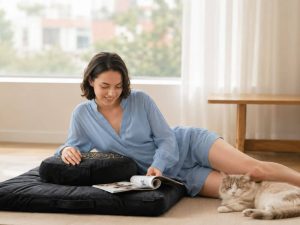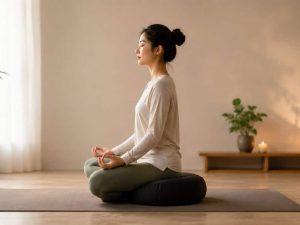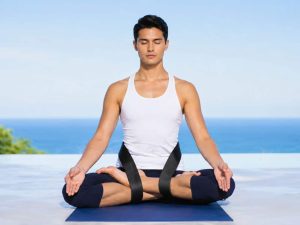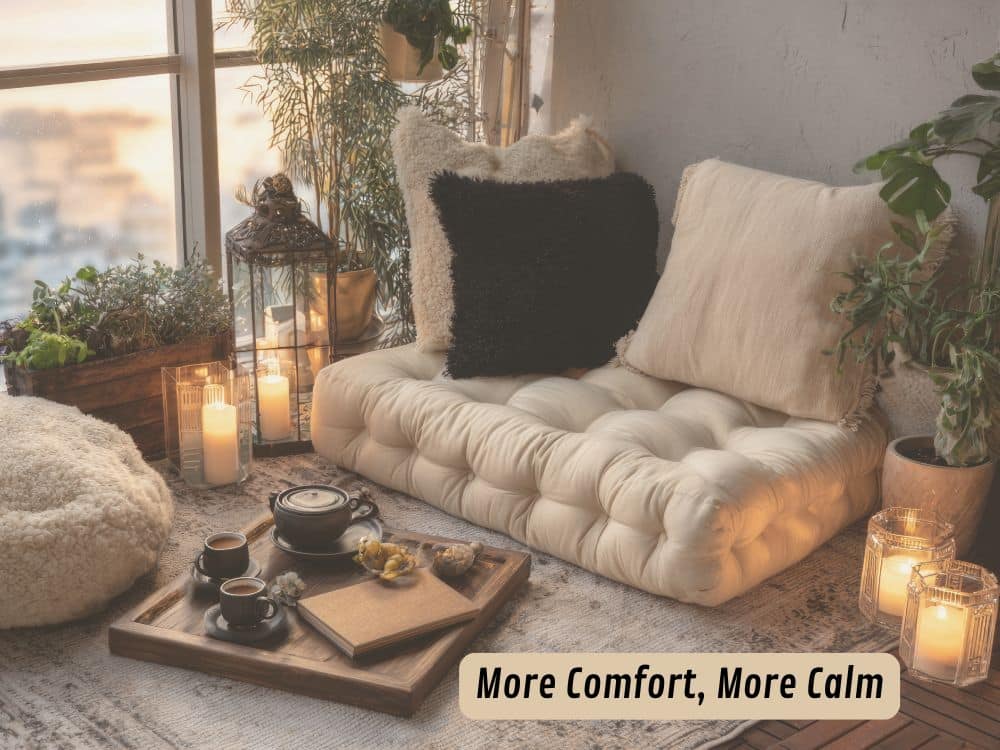
The biggest meditation cushion benefits are not mystical. A good cushion simply helps your body feel supported enough for your posture, breath, and attention to settle.
For many beginners, meditation feels difficult because the body starts fighting the floor before the mind has a chance to calm down. Knees ache, the lower back rounds, legs go numb, and sitting still becomes something to endure. A meditation cushion can reduce that friction by lifting the hips, creating a steadier base, and making home practice feel more inviting and repeatable.
- How a meditation cushion supports better posture and sitting comfort
- Why the right support can reduce knee pressure, back discomfort, and numbness
- How zafu cushions, zabutons, benches, and cushion fills create different benefits
Meditation cushion benefits at a glance
- Better posture without forcing it A cushion can lift the hips and help the spine stack more naturally, so sitting upright feels less like effort.
- Less pressure on knees and lower back The right support can reduce the strain that builds when your hips sit too low or your legs press hard into the floor.
- More comfortable longer sits A stable base can make numb legs, shifting, and early fatigue less distracting during longer meditation sessions.
- A steadier home practice ritual Using the same cushion in the same space can make meditation feel easier to start and easier to repeat.
- Clearer support choices Understanding the benefits helps you choose between a zafu, zabuton, bench, or different cushion fills based on what your body needs.
A meditation cushion will not do the practice for you, but it can remove enough physical friction for stillness to feel more accessible.
What a meditation cushion actually does
- It raises the hips A little lift can help the pelvis tilt forward, which makes upright sitting feel less forced.
- It gives the knees a better angle When the hips are not sinking below the knees, pressure is less likely to build in the legs and lower body.
- It steadies the pelvis A stable base helps the spine stack more naturally instead of collapsing backward.
- It softens the floor connection The right support can reduce the harsh feeling of sitting directly on a hard surface.
- It marks a place to practice Using the same cushion can turn an ordinary corner into a repeatable home meditation space.
These benefits depend on fit. A cushion that is too low, too high, too soft, or too narrow can create new discomfort instead of solving it.
A meditation cushion supports posture by changing the angle of your hips and knees, not by forcing your back straight. If you are unsure how much lift your body needs, use this meditation cushion height guide for beginners before choosing a cushion shape or fill.
The main meditation cushion benefits for beginners
- You want better posture without forcing your back straightA cushion can lift the hips and help the pelvis settle into a more neutral angle, so upright sitting feels more natural.Look forEnough height and firmness to support the hips without making you feel perchedAvoidTrying to fix posture only by tightening the back or shoulders
- Your knees, hips, or lower back complain earlyThe right support can reduce pressure by changing how weight is shared between the seat, legs, and floor.Look forA setup that supports the hips while softening contact under the knees or anklesAvoidAssuming pain means you simply need to push through longer sits
- Your legs go numb or you keep shiftingA steadier base can make longer sits feel less distracting, especially when numbness comes from pressure or poor angle rather than lack of discipline.Look forStable lift, breathable support, and enough room for the legs to settleAvoidChoosing a cushion only because it looks soft or decorative
- You struggle to practice consistently at homeA dedicated cushion can make meditation easier to start by giving your body and mind a familiar place to return to.Look forA cushion that feels inviting, easy to place, and comfortable enough for your normal session lengthAvoidWaiting for a perfect room, perfect mood, or perfect routine before beginning
- You are unsure which support type to chooseDifferent supports create different benefits: zafu cushions lift the hips, zabutons soften the floor, benches help kneeling, and fills affect firmness.Look forA support type that matches your posture, flexibility, pressure points, and session lengthAvoidBuying by shape name alone without checking what problem the support is meant to solve
A meditation cushion can help by improving support angle and reducing pressure, but back discomfort and knee pressure often need different setups. If your lower back complains first, start with this guide to choosing a meditation cushion for back pain. If your knees, ankles, or lower legs need support during longer sits, use this guide to choosing a meditation cushion for knee pain.
Which support creates which benefit?
Zafu, zabuton, bench, and fill: what each one helps with
Zafu or round meditation pillow
A zafu lifts the hips so the pelvis can settle into a better angle. It is usually most helpful when your main benefit goal is better posture, easier breathing, and less lower-back collapse.
Zabuton
A zabuton is a flat floor cushion placed under the knees, ankles, and lower legs. It is most helpful when sitting discomfort comes from hard-floor pressure rather than seat height alone.
Meditation bench
A bench supports kneeling posture and can help people who struggle with cross-legged sitting. It shifts weight away from the hips and may reduce strain for some knees and ankles.
Buckwheat, foam, or softer fill
Fill changes how firm, breathable, and stable the cushion feels. Buckwheat usually gives adjustable, steady support, while foam can feel more consistent but may not mold as naturally.
If your knees, ankles, or lower legs feel sore even when your seat height seems right, the missing support may be underneath you. Learning what a zabuton is can help you understand why a flat floor cushion often matters for comfort, grounding, and longer sits.
Why cushion fill changes the benefit you feel
The best fill depends on whether you need adjustable support, a softer feel, or a cushion that holds its shape through longer sessions.
A cushion’s fill changes how much support stays under you once you sit. If you are deciding between adjustable firmness and softer consistency, this guide to buckwheat vs memory foam meditation cushions explains how each option affects stability, compression, and sitting comfort.
What a meditation cushion can and cannot fix
A cushion cannot calm the mind for you, but it can reduce the physical discomfort that makes practice harder to begin.
For beginners, less pressure and better support can make sitting feel more approachable, but attention still takes practice.
Too much softness can make the hips sink, reduce stability, and create more shifting during longer sits.
Sitting comfort usually comes from the right balance of height, firmness, and floor support, not softness alone.
A cushion may reduce pressure and improve sitting angle, but persistent pain needs careful adjustment and sometimes professional guidance.
Back discomfort, knee pressure, numb legs, and ankle strain can come from different causes, so one cushion cannot solve every pattern.
Beginners often benefit the most because a stable seat can make short home sessions easier to repeat.
A cushion can turn an ordinary corner into a familiar practice place, which helps meditation feel less like a special event and more like a routine.
Longer sitting is useful only if the body stays supported without forcing posture or ignoring warning signs.
A good cushion should help you notice the body more clearly, not encourage you to push through sharp pain or numbness.
How to use a meditation cushion at home
-
Choose one simple place to sit
You do not need a perfect meditation room. A quiet corner, a small floor space, or the same spot beside a wall can become enough when you return to it regularly. If consistency is the harder part, start with simple daily rituals for a calmer life before trying to perfect the meditation setup.
-
Set the cushion before you sit
Place the cushion so your hips feel supported and your base feels steady. If you use a floor cushion, make sure your knees, ankles, or lower legs have enough padding underneath.
-
Start with a short session
For beginners, five to ten minutes is enough to notice whether the cushion improves posture, pressure, and sitting comfort without turning practice into endurance.
-
Listen for the first discomfort signal
Notice what appears first: knee pressure, lower-back rounding, numb legs, or a perched feeling. That signal tells you whether the issue is height, floor support, firmness, or posture. If numbness is the first problem during longer sitting, use this guide on how to sit longer without numb legs before assuming you need a softer cushion.
-
Keep the cushion clean and ready
Air it out, shake fill when needed, and keep the cover fresh. A cushion that is easy to use and care for is more likely to support a consistent home meditation habit.
The goal is not to create a perfect setup. The goal is to remove enough physical friction that sitting down feels easier to repeat.
Once you know whether you need better posture, less knee pressure, back support, floor cushioning, or firmer fill, comparing cushions becomes much easier. For a broader shortlist, see our guide to the best meditation cushions for better posture and less pain.
FAQ
What are the main meditation cushion benefits?
The main benefits are better posture support, less pressure on the knees and lower back, improved sitting comfort, and a more repeatable home meditation routine. A cushion does not meditate for you, but it can make sitting still feel less physically distracting.
Are meditation cushions worth it for beginners?
Yes, many beginners benefit from a cushion because it helps the body settle into a more stable sitting position. This can make short sessions feel less like endurance and more like practice.
Do meditation cushions help with knee or back pain?
They may help reduce pressure by improving sitting angle and support, but they are not a cure for pain. Knee pressure, lower-back discomfort, numb legs, and ankle strain can come from different causes, so the setup needs to match the body signal.
Can I meditate without a cushion?
Yes, you can meditate without a cushion. But if sitting on the floor makes your back round, knees ache, or legs go numb quickly, a cushion can remove enough discomfort to make practice easier to continue.
What type of meditation cushion is best for home practice?
The best type depends on your posture, flexibility, and discomfort pattern. A round zafu works well for hip lift, a zabuton adds floor support, a bench can help kneeling, and fill type affects firmness and stability.
Once you understand the benefits you need – better posture, less knee pressure, back support, floor cushioning, or firmer fill – the next step is matching those needs to the right cushion type. Use this guide on how to choose a meditation cushion before comparing specific products.
Final take
The real benefit of a meditation cushion is not that it makes practice effortless. It gives your body a steadier, kinder place to sit so posture, breath, and attention have a better chance to settle. Start with the problem you feel first – knee pressure, lower-back discomfort, numb legs, unstable posture, or trouble keeping a home routine – then choose the support that fits that need.