
Choosing between a buckwheat and memory foam meditation cushion is not just about which one feels softer at first. The better choice depends on what your body needs after the first few minutes: firmer posture support, gentler pressure relief, better airflow, or a seat that stays stable during long sits.
Buckwheat usually feels more structured, adjustable, and breathable, while memory foam usually feels softer, quieter, and more cushioned at first contact. This guide compares both fill types by posture, comfort, heat, adjustability, and long-session support so you can choose based on how you actually sit, not just how the cushion sounds in a product title.
- How buckwheat and memory foam feel different during real sitting
- Which fill is better for posture support, pressure relief, and long sits
- When each material can feel wrong for your body
- Two product examples to compare by fill type without turning this into a roundup
Choose buckwheat if you want firmer posture support, better airflow, adjustability, and a steadier feel for long sits. Choose memory foam if you prefer a softer first feel, gentler pressure relief, and a quieter cushion for shorter or medium sessions. If both still feel wrong, the issue may be cushion height, shape, or floor support rather than fill alone.
Key fill terms before comparing
Buckwheat hull fill
A firm, shifting natural fill made from buckwheat hulls. It usually feels more structured, breathable, and adjustable than foam.
Memory foam
A softer synthetic foam that compresses and contours under body weight. It often feels cushioned at first contact but is usually less adjustable.
Compression
How much the cushion sinks once your full weight settles. Too much compression can make posture feel less stable during longer sits. If your cushion keeps flattening under more body weight, compare the best meditation cushions for heavy people before choosing another soft seat.
Adjustability
The ability to add, remove, or shift fill to change cushion height, firmness, or feel. Buckwheat cushions are often more adjustable than fixed foam cushions.
Pressure relief
How gently the cushion handles contact points such as the sit bones, hips, or tailbone area. Softer foam may feel better here for some sitters.
Long-sit support
How well the cushion keeps its support after several minutes, not just during the first impression. This matters most for longer meditation sessions.
Common myths about meditation cushion fill
Softness can feel good at first but still fail if the cushion compresses too much during longer sits.
Sitting comfort depends on support over time, not only first-contact softness. A cushion that sinks too much can make posture harder to maintain.
Buckwheat can feel firmer, but that structure is exactly why some beginners find it easier to sit upright.
If posture collapses quickly, a firmer and more adjustable fill may be more useful than a plush seat that loses shape.
Memory foam may feel gentler on contact, but pressure relief still depends on height, shape, thickness, and how your body loads the cushion.
A softer fill cannot fix every sitting problem. If the seat angle or floor support is wrong, pressure may return even on foam.
Fill matters, but height and shape can change posture just as much.
A good fill can still feel wrong if the cushion is too low, too high, too bulky, or mismatched to your sitting position.
Buckwheat vs memory foam: the real difference
Use these differences as clues, not rules. The better fill is the one that matches the first problem your body notices.
What to compare before choosing
- Posture supportChoose based on whether the cushion helps your pelvis feel steady after your body settles. If your lower back starts rounding after several minutes, structure may matter more than softness.Look forA fill that keeps your base stable during the sitAvoidChoosing only by how soft the cushion feels at first
- Pressure reliefIf sit-bone or hip pressure appears before posture problems, a gentler cushion feel may matter more. Memory foam can feel more forgiving here, but the whole setup still affects pressure.Look forCushioned contact without too much sinkingAvoidAssuming softer always means better support
- Heat and breathabilityLong sits can make heat buildup more noticeable. Buckwheat usually allows more airflow through the fill, while foam may hold warmth longer.Look forA fill that stays comfortable as the session gets longerAvoidIgnoring heat if you sit in warm rooms or run warm
- AdjustabilitySome sitters need to fine-tune height or firmness before the cushion feels right. Buckwheat often gives more room to adjust fill, while memory foam is usually more fixed.Look forRemovable or adjustable fill if small changes affect your postureAvoidA fixed feel if you already know setup changes matter to you
- Durability and shape retentionThe cushion should keep offering the same kind of support after repeated use. A cushion that compresses too much can feel comfortable at first but less reliable later.Look forSupport that does not flatten quickly under regular useAvoidJudging only from first-week comfort
- Weight, noise, and maintenancePractical details affect whether you keep using the cushion. Buckwheat can be heavier and may rustle when you shift; memory foam is usually quieter but less adjustable.Look forA cushion that fits your daily routine and storage needsAvoidIgnoring small annoyances if you plan to use it often
Fill is only one part of the decision. If height, shape, or sitting style also feels uncertain, use this how to choose the right meditation cushion guide before deciding by material alone.
Who should choose buckwheat
- Firmer support for upright posture
- Often adjustable by removing fill
- More breathable during long sits
- Holds structure better under weight
- Firmer first feel
- Heavier to move around
- May rustle when you shift
- Less plush for pressure-sensitive sitters
If your main concern is whether buckwheat stays supportive over longer sessions, this buckwheat meditation cushions for long sitting guide goes deeper into firmness, airflow, and adjustable fill.
Who should choose memory foam
- Softer first-contact feel
- Gentler for pressure-sensitive sitters
- Usually quieter when shifting
- Simple fixed cushion feel
- Less adjustable than buckwheat
- May retain more heat
- Can compress too much over time
- May feel less stable for long sits
Product examples to compare by fill type

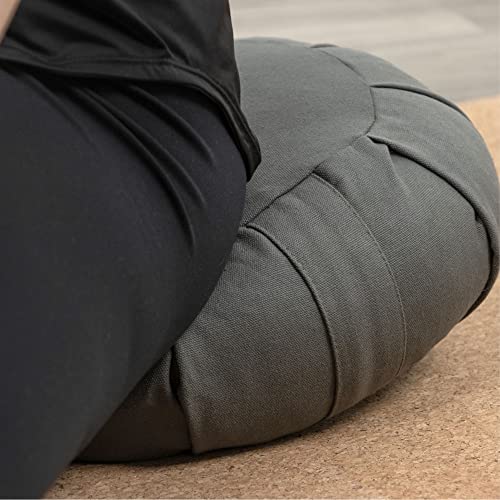
This Myga zafu is the cleaner example for the buckwheat side because it is a meditation cushion with natural buckwheat filling. Use it to compare a firmer, more structured zafu feel against softer foam-style floor seating.
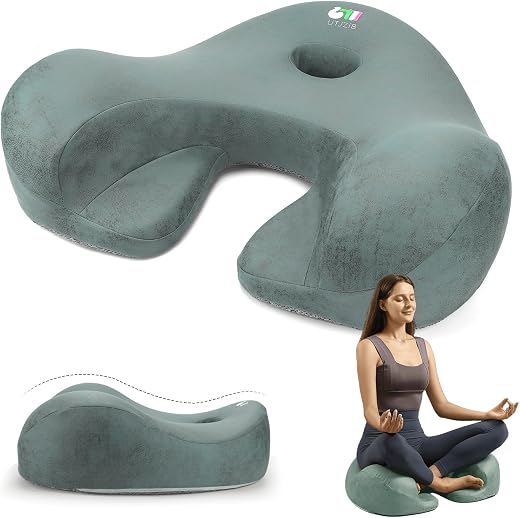
This memory foam floor-seat style cushion is the better example for the foam side because it is positioned for meditation, long sitting, reading, and yoga. Use it to compare a softer, more cushioned feel against the firmer structure of buckwheat.
These two products are examples by fill type, not a full ranking. If you want to compare more shapes, heights, and comfort-first options beyond buckwheat vs memory foam, use this best meditation cushion for sitting comfort guide before choosing by fill alone.
How to choose between buckwheat and memory foam
-
Start with the first problem your body notices
Do not begin with the material name. Notice whether your first issue is posture collapse, pressure discomfort, heat buildup, sinking, or lack of adjustability.
-
Choose buckwheat if posture support matters first
If your pelvis loses stability, your lower back rounds, or you keep correcting your posture as the sit continues, a firmer and more structured fill may help more than softness.
-
Choose memory foam if pressure discomfort appears first
If your sit bones, hips, or tailbone area feel uncomfortable before posture becomes the problem, a softer and more cushioned foam feel may be easier to tolerate.
-
Check heat and session length
For longer sits or warmer rooms, breathability matters more. Buckwheat usually handles airflow better, while memory foam may feel warmer over time.
-
Check whether you need adjustability
If small changes in height or firmness affect your sitting comfort, buckwheat usually gives more room to adjust fill than a fixed memory foam cushion.
-
Recheck height, shape, and floor support before blaming fill
If both materials still feel wrong, the issue may not be buckwheat vs memory foam at all. Cushion height, seat shape, knee support, or sitting posture may be the real problem. If knee pressure is the first thing that interrupts the sit, use this guide to choosing a meditation cushion for knee pain before deciding by fill alone.
The best fill is the one that solves the first real sitting problem, not the one that sounds most comfortable in a product title.
FAQ
Why are meditation cushions often filled with buckwheat?
Buckwheat hulls are often used because they create a firmer, more structured seat than soft foam. They can shift slightly around the body while still holding support, and many buckwheat cushions allow fill adjustment. That makes them useful when posture stability matters more than a plush first feel.
Is memory foam bad for meditation?
No. Memory foam can work well if you prefer a softer, more cushioned seat and usually sit for shorter or medium sessions. It may be less ideal if you need strong posture support, breathability, or adjustable fill for longer sits.
Which is better for long meditation sessions, buckwheat or memory foam?
Buckwheat is often the better starting point for long meditation sessions because it tends to feel more structured, breathable, and adjustable. Memory foam can still be comfortable, but it may hold more warmth and compress more during longer sits.
Do beginners need a firmer or softer meditation cushion?
Beginners usually need a balance of comfort and support, not the softest cushion possible. If posture collapses quickly, firmer support may help. If pressure discomfort appears first, a softer cushion may feel easier. If height is confusing, use this meditation cushion height guide for beginners before deciding by fill alone.
What is the disadvantage of a buckwheat pillow?
The main disadvantages are firmness, weight, and possible rustling when the hulls shift. Some people love the structure, but pressure-sensitive sitters may find it less forgiving than memory foam.
Choose by the problem your body notices first
- Choose buckwheat for structure, airflow, adjustability, and long sits.
- Choose memory foam for softer contact and pressure-sensitive sitting.
- Do not judge either fill only by the first minute.
- Check height and shape if both materials still feel wrong.
- Use the product examples as fill references, not a full ranking.
Buckwheat is usually the better direction if your posture loses structure, you sit longer, you run warm, or you want more control over fill and firmness. Memory foam is usually the better direction if pressure discomfort appears first and you prefer a softer, quieter cushion for shorter or medium sessions. If both options still feel off, the problem may not be fill at all; this meditation cushion still feels wrong guide can help you check height, shape, floor support, and posture style next.