


Some hurts do not arrive with a dramatic ending. They settle into ordinary days – in the message you reread, the good news that stings a little, or the moment you realize you have been speaking kindly to everyone except yourself.
There is no single timetable for feeling better, and a difficult reaction does not automatically reveal one tidy psychological explanation. A gentler beginning is simply to notice what is still tender, reduce the pressure around it, and choose one small response that does not make the day harder than it already is.
How quiet hurt can show up in ordinary life
- A small moment carries unexpected weight A brief comment, an unanswered message, or being left out may stay with you longer than the moment itself.
- Comparison reveals a longing Another person’s progress can make your own hopes, disappointments, or unfinished plans suddenly easier to see.
- Compassion travels outward more easily You may understand another person’s mistakes while treating your own as evidence against your worth.
- Avoidance creates temporary distance Staying busy, changing the subject, or scrolling for another hour can move a feeling aside without resolving what stirred it.
- Several feelings can share one room Love, happiness, envy, grief, relief, and disappointment do not always wait politely for their turn.
None of these moments proves that something is wrong with you. They are simply places worth noticing with a little more honesty and a little less courtroom drama.

When someone else’s joy touches your own longing
Care for another person and sadness for your own situation can exist at the same time.
One feeling does not cancel the other. You can celebrate someone sincerely while noticing that their news has touched a hope or disappointment of your own.
It may include comparison, grief, disappointment, longing, envy – or several feelings at once.
There is no need to rename every uncomfortable emotion before allowing it to exist. Honest language is usually kinder than a prettier explanation.
Gratitude and discomfort can sit beside each other without one being used to silence the other.
A useful sentence may be: I can be happy for them and still feel sad for me. No emotional gymnastics medal is required.
What helps when the feeling keeps returning
Name the feeling without turning it into a verdict
- 01Use one plain word
Try sad, disappointed, lonely, angry, envious, embarrassed, or tired. A simple word leaves less room for a ten-page accusation against yourself.
- 02Separate the event from the judgment
I was left out describes an event. I never matter is a verdict. That distinction also matters when letting go of emotional pressure that has attached itself to the original hurt.
- 03Notice what is making today heavier
Poor sleep, repeated comparison, too many messages, or one draining conversation may be adding fresh weight to an older feeling.
- 04Choose one response, not a complete solution
Write a few honest lines, step outside, end a conversation, make something warm to drink, or contact someone trustworthy. One helpful move is enough for one moment.
Naming a feeling is not a promise to understand it perfectly. It is simply a way to stop arguing with the fact that it is here.
Remove some of the weight around the hurt
- What can wait?Not every decision needs to be made while emotion is running high.Look forSomething that can safely be revisited tomorrow.AvoidMaking a large decision only to end the discomfort quickly.
- What does not need another explanation?A clear boundary may not need twelve paragraphs of supporting evidence.Look forA short, honest answer that protects your time and energy.AvoidContinuing an argument solely to receive permission for your limit.
- What keeps reopening the feeling?A conversation, account, or comparison habit may repeatedly stir the same tender place.Look forA little distance that gives the feeling room to settle.AvoidTreating total avoidance as the only possible answer.
- What belongs to today?The present problem and the older story around it may not require the same response.Look forOne practical action that belongs to this day.AvoidTrying to repair an entire past before bedtime.
A list of things you may be ready to let go of can help identify the expectations, habits, and old stories making today heavier. It is a menu for reflection, not a removal order from the emotional police.
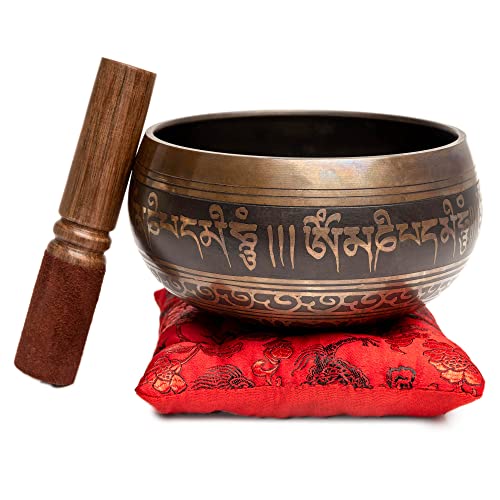
Let one small ritual hold part of a difficult day
Build a ritual you can actually repeat
-
Borrow a moment that already exists
Use the minute when you open the curtains, wash your face, make tea, change clothes after coming home, or turn off the lights.
-
Keep the action almost too small to fail
One minute beside a window may be more useful than an elaborate routine that becomes another unfinished obligation.
-
Let the ritual end without producing a result
You do not have to become calm, grateful, wise, or impressively radiant afterward. The pause has already done its modest job.
-
Return without keeping score
Missing a day does not cancel the ritual. Begin again when it fits, without writing a performance review for yourself.
For more ideas that fit naturally around mornings, evenings, and small transitions, explore simple daily rituals for different parts of the day.
Keep the ritual smaller than the problem
A meaningful pause does not require a new object. These calming rituals that do not require buying anything begin with ordinary things already available: light, water, movement, silence, and a few unclaimed minutes.
Feeling less is not always the same as feeling better
A quieter reaction may mean relief, fatigue, temporary distance, or something else entirely.
Numbness can appear in different circumstances and cannot be explained responsibly by one phrase.
For some people, change appears in how a feeling is carried, how long it dominates the day, and how much choice remains around the response.
A strong reaction can be part of a difficult day without becoming proof that every earlier step has vanished.
Professional support may be helpful when sadness, numbness, exhaustion, or difficulty coping lasts, keeps returning, or clearly affects sleep, daily responsibilities, work, or relationships. Thoughts of self-harm or feeling unable to stay safe need immediate support from local emergency services, a crisis line, or a trusted person who can remain present.
What progress can look like in ordinary life
- More room around the feeling
The emotion still exists, but it no longer occupies every conversation, decision, and quiet minute of the day.
- A shorter journey back
After a hard moment, returning to food, rest, work, conversation, or a small pleasure becomes a little more possible.
- A fairer inner voice
A mistake no longer becomes an instant verdict on your character. Practical ways to treat yourself with kindness can help make that inner voice less punishing without making it falsely cheerful.
- Clearer limits
You notice earlier when a conversation, obligation, or environment is asking more than you can reasonably give.
- Earlier support
You speak with someone trustworthy or seek professional care before everything feels impossible to carry alone.
FAQ
Can I be happy for someone and still feel sad for myself?
Yes. Warmth for another person and sadness about your own situation can appear together. The combination may feel uncomfortable, but it does not automatically make either feeling dishonest.
Why can an old hurt return after I thought I was over it?
A familiar situation, date, place, conversation, or change in life can bring an old experience back to mind. Its return does not necessarily mean no progress was made; it may simply mean the present moment resembles something that still carries emotional weight.
Does staying busy mean I am avoiding my feelings?
Not always. Work, chores, and ordinary distractions can provide a needed break. Avoidance becomes more worth examining when busyness is the only available response and quiet moments repeatedly feel impossible to tolerate.
Is emotional numbness the same as feeling calm?
They can feel different. Calm often leaves room for interest, connection, and choice, while numbness may feel more like distance or absence. Personal context matters, and persistent numbness deserves care rather than a quick label.
How long should emotional healing take?
There is no reliable timetable that applies to everyone. The experience itself, current circumstances, relationships, practical stress, and available support can all shape the pace.
When may professional support be helpful?
Consider reaching out when emotional distress lasts, returns frequently, becomes difficult to manage, or interferes with sleep, work, relationships, or basic daily care. Immediate help is important whenever thoughts of self-harm appear or personal safety feels uncertain.
A gentler way forward
You do not need a perfect explanation for every feeling before treating yourself with care. Sometimes progress is simply noticing what is happening, removing one unnecessary layer of pressure, and choosing a response that does not hurt you further. That may look small from the outside. From the inside, it can be the beginning of a more livable day.

