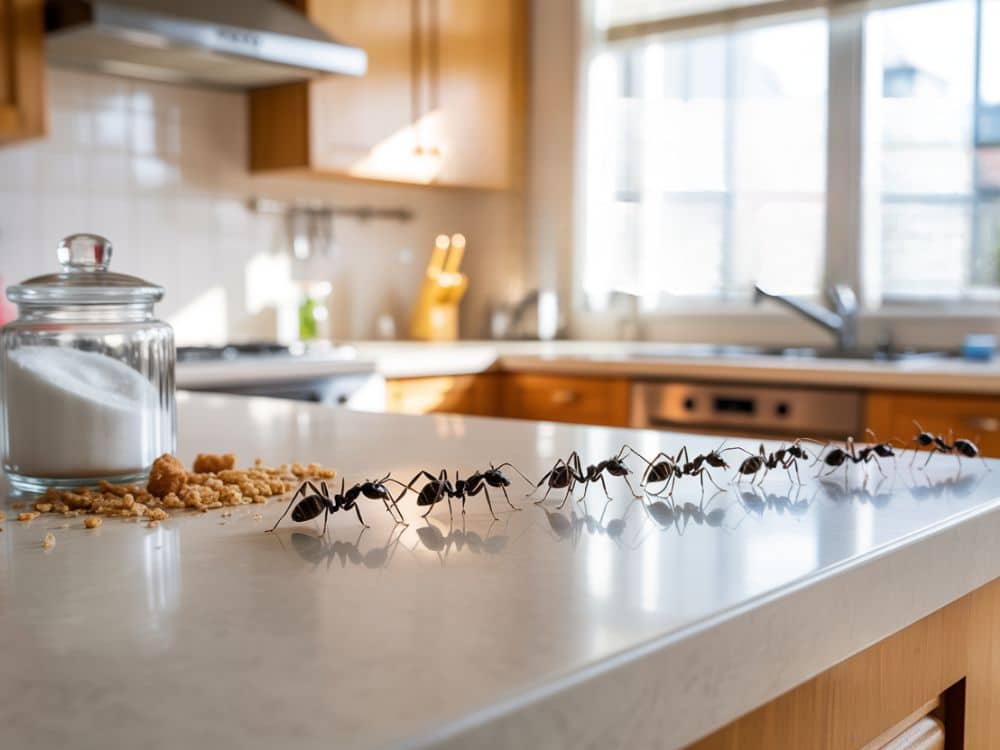
Black ants usually appear suddenly because they found food, water, warmth, or a new entry point. A small spill, pet food bowl, leaky pipe, rainy weather, or a crack near a door can bring scout ants indoors almost overnight.
The fastest fix is not to spray the ants immediately. First, follow the trail, remove what attracted them, clean the pheromone path, and close the entry point. If you prefer low-tox options, this guide also connects with our broader simple home remedies or professional pest control guide.
- The most common reasons black ants suddenly come inside
- How to trace the trail back to the entry point
- What to clean, seal, dry, or store first
- When natural repellents help and when bait is more appropriate
- Which supportive products can help prevent ants from coming back
Why black ants appear suddenly
A sudden ant trail usually means scouts found something useful and left a pheromone path for the colony to follow.
What to do in the first 10 minutes
-
Do not wipe the trail away immediately
Follow the line of ants backward first. The trail often leads to a door gap, window frame, pipe opening, or crack near the floor.
-
Find what they are visiting
Check counters, pet bowls, trash cans, pantry shelves, sticky jars, fruit bowls, sinks, and damp areas under appliances.
-
Remove the attractant
Seal food, rinse sticky containers, remove pet food leftovers, empty trash, and dry wet areas before cleaning the trail.
-
Clean the pheromone path
Wash the trail with soapy water, then wipe with a 50/50 vinegar-water mix to disrupt the scent path.
-
Seal the entry point
Use caulk, weather stripping, or a door sweep where ants are entering. Trim branches or plants touching the house.
-
Use bait only when ants keep returning
If the trail comes back after cleaning and sealing, bait may help reach the colony. Keep all bait away from children, pets, and food-prep surfaces.
If the ants are large, active at night, or linked to sawdust-like debris, skip DIY and inspect for carpenter ants.
Common Reasons Black Ants Enter Your Home
- Food or sticky residueAnts often show up around counters, pantry shelves, garbage cans, and pet bowls because even small crumbs or sugar residue can support a trail.Look forA line of ants moving toward syrup, fruit, snacks, trash, or pet foodAvoidSpraying first and leaving the food source in place
- Moisture or hidden leaksBathrooms, kitchens, basements, and laundry areas can attract ants when there is condensation, a slow drip, or damp wood.Look forAnts near sinks, tubs, appliances, water heaters, plant saucers, or damp cabinetsAvoidOnly cleaning counters while ignoring leaks and standing water
- Weather pressure outdoorsRain can flood outdoor nests, drought can drive ants indoors for water, and seasonal changes can increase indoor foraging.Look forA sudden trail after storms, dry spells, heat waves, or cooler nightsAvoidAssuming the problem came from poor cleaning alone
- Open entry pointsAnts can use tiny openings around doors, windows, foundations, siding, and utility lines to reach indoor food and water.Look forTrails along baseboards, window frames, pipe openings, door thresholds, or foundation cracksAvoidCleaning the trail without closing the route
Ask what changed in the last 24–72 hours: a spill, new fruit bowl, pet food left out, rain, a leak, open trash, or a gap under a door. That small change is often the real reason the ants appeared suddenly.
Identify What Species of Black Ants You’re Dealing With
- Little black ants
Tiny ants that often appear in kitchen trails around sweets, grease, fruit juice, and pet food. They are usually a nuisance problem, but their trails can be persistent if food remains available.
- Pavement ants
Small to medium ants that often nest under sidewalks, driveways, patios, and foundation slabs. Indoors, they may forage along basement edges, walls, and pet feeding areas.
- Carpenter ants
Larger black ants that tunnel through moist or damaged wood to create nesting galleries. They do not eat wood like termites, but they can still signal a moisture or structural issue.
Large black ants, sawdust-like frass, rustling sounds inside walls, winged ants indoors, or activity around damp wood can point to carpenter ants. In that case, a pest professional is usually safer than relying only on sprays or home remedies.
Locate Where Ants Are Coming From
-
Follow the trail backward
Use a flashlight and watch where ants travel along baseboards, counters, cabinet edges, windowsills, or door frames.
-
Check hidden entry points
Look for gaps around pipes, worn caulking, loose weather stripping, cracks in the foundation, and spaces where utility lines enter.
-
Inspect moisture-prone areas
Check under sinks, behind dishwashers, near refrigerators, around tubs, and beside washing machines for slow leaks or condensation.
-
Walk the outside perimeter
Look within about 10 feet of the home for dirt mounds, disturbed mulch, rotting wood, tree roots, flower pots, compost, or irrigation lines.
-
Mark the source before cleaning
Once you find the route, mark it with tape or a note. Then clean the trail and close the gap so ants cannot reuse the path.
The entry point is not always where the ants are most visible. A kitchen trail may start at a tiny foundation or pipe gap several feet away.
Eliminate Food and Water Sources
-
Store pantry food in airtight containers
Move cereal, flour, sugar, rice, pasta, snacks, honey, syrup, and open dry goods out of paper bags or cardboard boxes.
-
Clean crumbs and sticky spots daily
Wipe counters, sweep under tables, clean around toasters and coffee makers, and check the narrow gaps beside appliances.
-
Fix leaks and dry damp areas
Look under sinks, behind toilets, around water heaters, near dishwashers, and beside washing machines. For drain-related moisture issues, see How to Clean Drains of Fruit Flies.
-
Remove pet food when feeding is done
Feed pets on a schedule, remove leftovers within about 30 minutes, wipe the feeding area, and store kibble in a sealed container.
-
Keep trash tightly closed
Rinse sticky bottles and cans, double-bag messy waste, wash bins weekly, and take out trash more often in warm weather.
-
Seal gaps after the trail is identified
Use caulk for fixed cracks and weather stripping for moving gaps around doors and windows.
Cleaning is only one part of the fix. If ants keep finding food, water, or the same open gap, the trail can return.
Products That Can Help Keep Black Ants From Coming Back
Airtight food containers for pantry crumbs and sugar


This container set supports the first prevention step: removing exposed food smells from cereal, sugar, flour, rice, and open snacks. It is most useful when ants are appearing around cabinets, counters, or pantry shelves.
Pet food container for kibble and treats


Pet food is a common ant attractant because it can smell oily, sweet, or protein-rich. A sealed container helps reduce exposed kibble odors between meals, especially if bowls are near kitchens, laundry rooms, or entry doors.
Lidded trash can for small waste areas
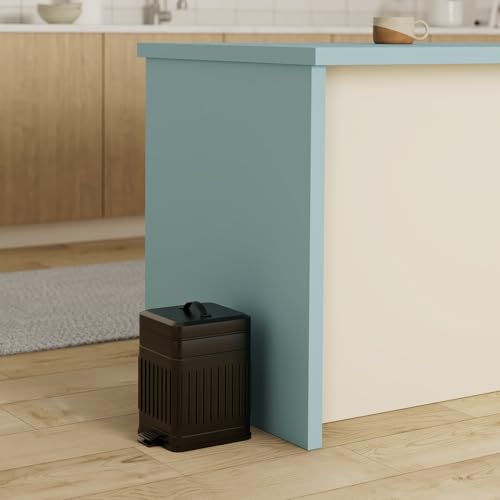
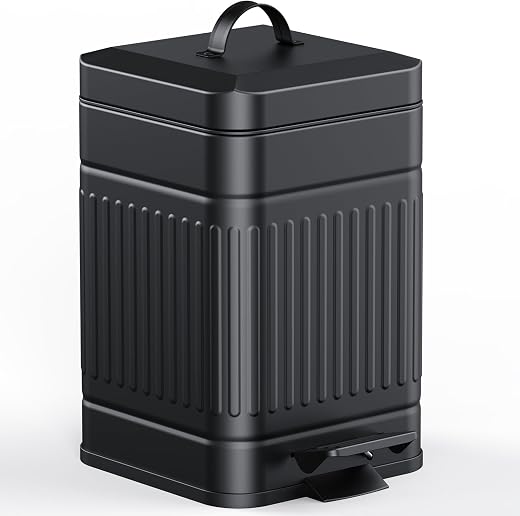
This is a small lidded bin, so it is better for bathrooms, bedrooms, offices, or pet-waste areas than for a main kitchen trash setup. The lid helps reduce the food and waste odors that can attract scouting ants.
Silicone caulk for cracks near sinks and pipes

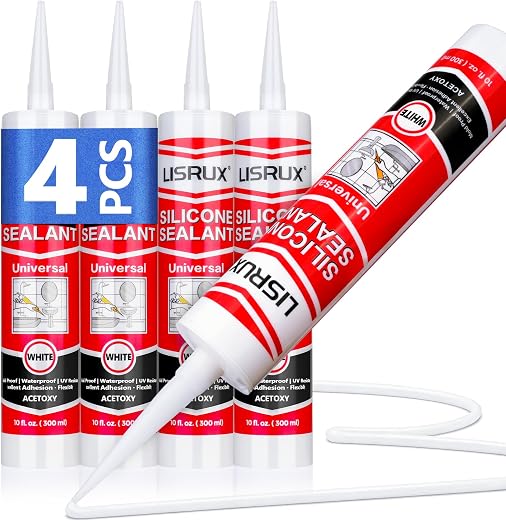
Once you identify the ant route, caulk can help close the tiny openings ants use around sinks, pipe penetrations, bathroom seams, and window frames. It is especially useful where moisture and gaps appear together.
Weather stripping for door and window gaps
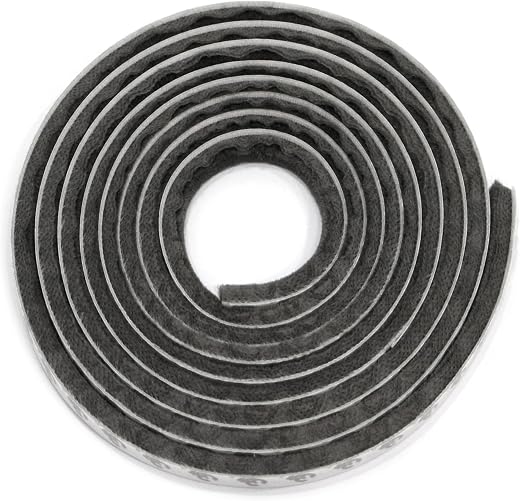
Caulk is for fixed cracks; weather stripping is for gaps where doors and windows need to keep moving. Use it after you confirm ants are entering around a threshold, frame, or loose seal.
Leak detector for hidden moisture sources

A hidden drip can keep ants coming back even after the kitchen looks clean. A leak detector is useful under sinks, near water heaters, beside dishwashers, and in basement areas where moisture can go unnoticed.
Small dehumidifier for damp corners

This type of product does not kill ants. It helps make small damp areas less attractive by reducing the moisture that can support ongoing ant activity around bathrooms, closets, laundry spaces, or RV corners.
Natural Methods to Get Rid of Black Ants
-
Clean first with soap and water
Remove food residue before using scent-based repellents. A repellent cannot fix a sticky counter, open snack bag, or damp sink cabinet.
-
Use vinegar to disrupt trails
A 50/50 vinegar-water wipe can help erase pheromone trails along counters, baseboards, and entry paths. It is best viewed as trail disruption, not colony elimination.
-
Use scents as light repellents
Peppermint, lemon, cinnamon, coffee grounds, and similar scents may discourage trails in some spots, but they are not reliable enough to solve a colony problem by themselves. For more scent-based ideas, see What Smell Do Ants Hate the Most?.
-
Use bait only when needed
If ants keep returning after cleaning and sealing, bait can work better than spraying visible ants because workers may carry it back toward the nest.
-
Keep bait away from children and pets
Any borax, boric acid, or commercial ant bait should be treated as a pesticide product. Read the label, use enclosed stations where possible, and keep it away from food-prep areas.
Avoid using repellent sprays directly on bait trails. Repellents can scatter ants and make bait less attractive.
Borax-based bait is not the same as a harmless kitchen cleaner. Keep it away from children, pets, dishes, counters, and food storage. If you are unsure, use labeled commercial bait stations or contact a pest professional instead of making open bait at home.
When to Call a Pest Professional
- Large black ants indoors Especially if they appear at night, in several rooms, or near damp wood.
- Sawdust-like frass Small piles near wood trim, window frames, baseboards, or wall voids can point to carpenter ant activity.
- Rustling in walls Faint sounds from walls or ceilings deserve a closer inspection, especially near bathrooms or leaks.
- Winged ants inside Flying ants indoors can suggest a mature colony or nesting activity close to the structure.
- DIY does not reduce the trail If cleaning, sealing, and careful baiting do not reduce activity within 1–2 weeks, the nest may be hidden or outside reach.
A calmer way to stop sudden black ants
- Follow the trail before cleaning it
- Fix food, moisture, trash, and entry points first
- Use natural repellents as support, not as a full colony solution
- Treat carpenter ant signs as a structural warning
A sudden black ant trail is usually a clue, not a mystery. The ants are showing you where food, water, warmth, or an opening exists. Start by tracing the trail, removing the attractant, cleaning the scent path, and sealing the entry point. Then use repellents, bait, or professional help only when the situation truly calls for it.