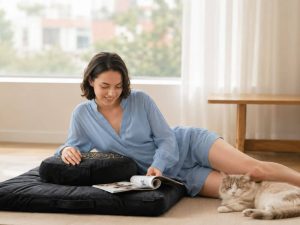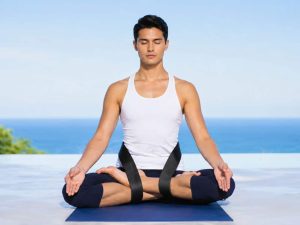
When your legs go numb during meditation, the problem is often not discipline. It is usually the sitting position, seat height, leg angle, or floor contact.
This guide compares four practical meditation sitting positions for numb legs: Burmese sitting, supported cross-legged sitting, seiza or kneeling, and chair meditation. It also shows what to adjust before buying more meditation gear. This is a posture and sitting-comfort guide, not medical advice.
- Which sitting position to try first when your legs go numb
- How each position changes pressure on the thighs, knees, ankles, or feet
- When to move from floor sitting to kneeling or chair meditation
- How to test one adjustment at a time
Pick the position that changes the pressure point
For retreat-style practice, pair this guide with how to sit longer in Vipassana without numb legs.
This article is about meditation posture and sitting comfort. If numbness is sudden, spreading, painful, persistent after you move, or paired with weakness, dizziness, trouble speaking, or loss of control, stop the session and seek medical advice.
Why your legs go numb during meditation
Thigh numbness
Often points to low hips, a backward-tilted pelvis, or a leg shape that puts too much weight under the upper legs.
Knee pressure
Often means the knee angle is too sharp, the legs are being pulled into position, or the knees are hovering without enough support.
Ankle or foot pressure
Often comes from hard floor contact, tight foot placement, or a kneeling setup that is too low.
Posture effort
If you must constantly hold yourself in place, the position may be too demanding for longer sitting. A meditation cushion height guide for beginners can help you check whether seat height is the missing piece.
Best sitting positions when your legs go numb
Burmese position
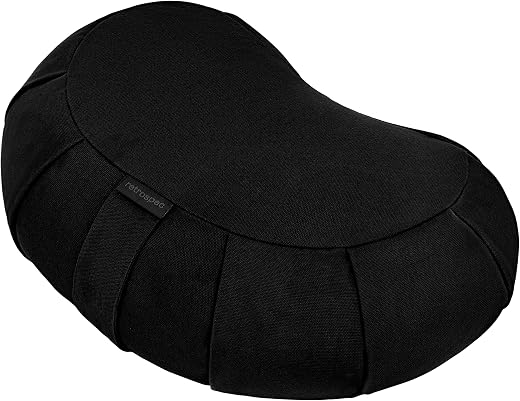
In Burmese sitting, both legs rest in front of the body instead of stacking one foot or ankle on top of the other. Sit near the front of the cushion, keep the legs easy, and notice whether the thighs feel less trapped. If this position works better than sitting flat on the floor, you may be ready to decide do you need a meditation cushion for longer practice.
Supported cross-legged position
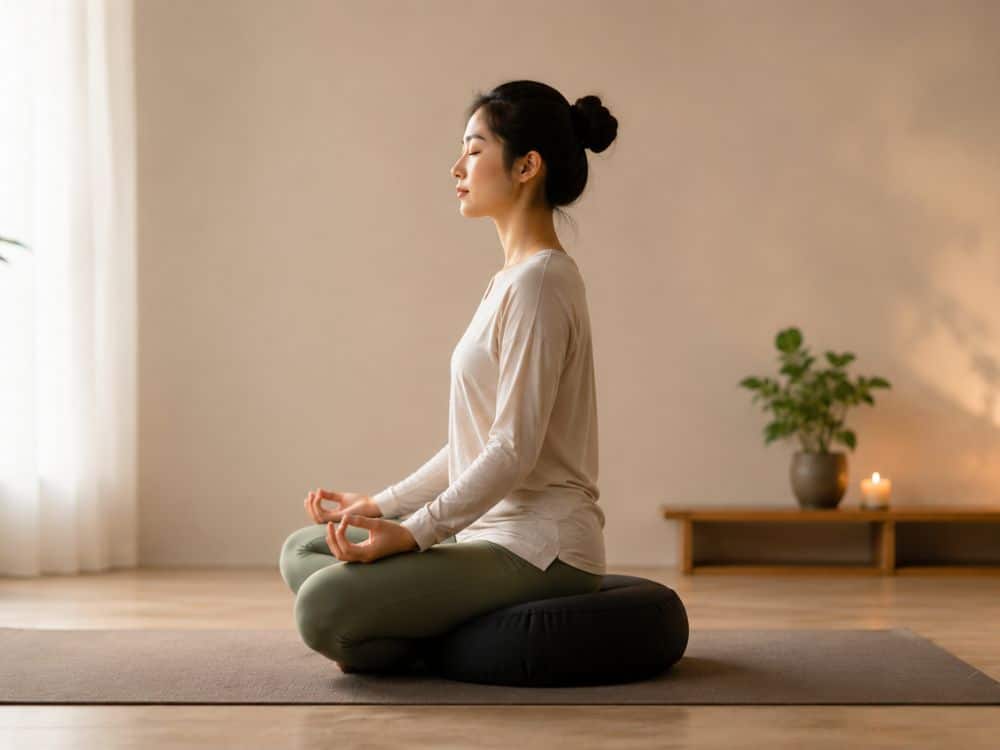
- The hips can lift without bracingThe seat should help the pelvis tilt slightly forward while the lower back stays natural.Look forA stable lift under the sitting bones.AvoidA cushion that collapses and sends pressure into the thighs.
- The knees are not being pushed downThe knees can settle, but they should not be forced toward the floor for appearance.Look forA leg angle that feels repeatable.AvoidPressing the knees down or pulling the feet tightly inward.
- The ankles and feet have a soft landingA seat cushion does not protect every contact point, so the lower body may need a mat.Look forSteady support under the ankles, feet, or outer knees.AvoidLetting hard floor contact become the first discomfort.
- The posture works in a short sit firstTest the position briefly before using it for longer meditation.Look forA short session that ends before numbness takes over.AvoidAssuming a setup works because it looks correct.
Seiza or kneeling position
Seiza changes the pressure pattern. It may reduce thigh compression from cross-legged sitting, but it can add pressure to the shins, ankles, or knees if the setup is too low or too hard.
Use seiza to change the leg angle, not to force the body into another uncomfortable shape.
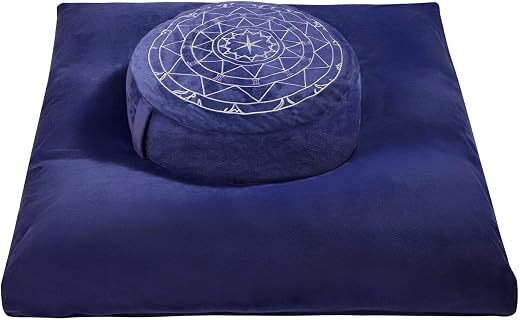
Supported seiza uses a meditation bench, firm cushion, or folded blanket so the seat carries more weight and the lower legs are not crushed underneath you. If you are using a cushion and floor mat instead of a bench, this is where how to set up a zafu and zabuton becomes practical.
The support should lift enough body weight that the ankles, shins, and tops of the feet do not become the new pressure point.
Seiza is only better if kneeling feels stable and does not create sharp knee, shin, ankle, or foot pressure.
Test it briefly first. If kneeling creates a different kind of discomfort right away, chair meditation or a different floor setup may be a better next step.
If seiza feels more natural than cross-legged sitting, the next question is usually meditation bench vs cushion for knee pain, not another round floor cushion.

Chair meditation position
-
Sit forward enough to stay alert
Use the chair for support, but avoid collapsing into the backrest if it makes the session dull or sleepy.
-
Support both feet
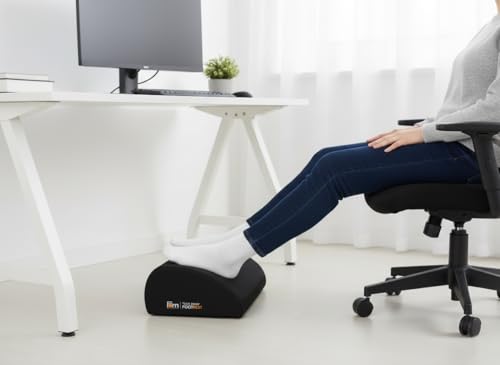
Keep both feet flat and steady. If they do not rest on the floor, use a footrest so the legs are not dangling.
-
Keep the knees and hips neutral
The legs should not grip, twist, or hang. Choose a height where the body can stay upright without forcing the posture.
-
Choose steadiness over appearance
One of the common meditation mistakes beginners make is forcing a painful posture when a simpler support would make practice more consistent.
If the hips feel low, change the seat. If the knees, ankles, or feet complain first, change the floor surface. That is the practical difference behind zafu vs zabuton support.
What to change before buying more meditation gear
- Raise the seatUse this when the lower back rounds quickly or the thighs feel loaded from the start.Look forThe pelvis tips forward with less effort.AvoidAdding height until the knees float uncomfortably.
- Soften the floor contactUse this when the knees, ankles, feet, or shins are the first place that complains.Look forA mat, zabuton, or folded blanket under the lower body.AvoidBuying another seat cushion when the floor is the problem.
- Change the positionUse this when the same leg shape causes numbness even after height and floor support improve.Look forKneeling or chair sitting feels steadier than cross-legged sitting.AvoidUsing gear to force a posture your body keeps rejecting.
- Shorten the test sitUse this when a new setup feels promising but you do not know whether it holds over time.Look forFive to ten minutes of clear feedback.AvoidTesting a new posture only during your longest session.

A 5-minute posture test before buying more gear
-
Choose one position
Pick Burmese, supported cross-legged, seiza, or chair meditation. Do not test several positions in the same session.
-
Sit for five minutes
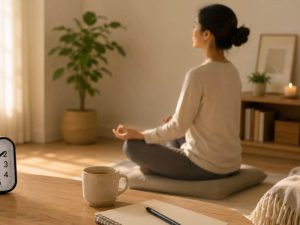
Use a timer and keep the test short. A simple quiet sitting corner for rest and reflection can make body signals easier to notice.
-
Name the first pressure point
Thigh pressure points toward height or leg angle. Knee, ankle, or foot pressure points toward floor support or position choice.
-
Change one variable next time
Raise the seat, add floor support, switch to kneeling, or use a chair. Change only one thing so the result is clear.
-
Stop if the signal feels wrong
If numbness becomes sharp, spreads, lingers, or comes with weakness, stop instead of treating it as part of practice.
This test is not a medical screen. It is a simple way to avoid buying more gear before you know which pressure pattern you are trying to change.
How to compare these sitting positions
Compare the positions by the pressure pattern you feel: stacked-leg compression, low hip support, pressure where the legs meet the floor, or strain that remains during floor sitting.
- Start with the least forceful floor position
Try Burmese sitting when stacked legs create pressure but you still want to sit on the floor.
- Add support when the shape is close
Try supported cross-legged sitting when your posture is almost comfortable but needs better hip lift or softer support where the legs meet the floor.
- Change posture when the same shape keeps failing
Try seiza or chair meditation when adding height or padding does not stop the same pressure pattern, because these options change the leg position itself.
- Separate pressure from containment
If the question becomes holding the legs in place rather than reducing pressure, compare meditation knee straps for seated posture before using a strap to keep a position your body dislikes.
Change only one part of the setup at a time so you can tell whether the improvement comes from hip height, floor padding, or a different leg position.
FAQ
What is the best meditation position when my legs go numb?
For many beginners, Burmese sitting is the easiest floor position because the legs rest in front without stacking. If that still causes numbness, try supported cross-legged sitting, seiza, or chair meditation depending on where the pressure starts.
Should my hips be higher than my knees when meditating?
For many floor-sitting positions, slightly higher hips can make sitting easier because the pelvis can tilt forward. It is not a universal rule for every body, but it is one of the first setup details to test.
Is chair meditation okay if my legs go numb on the floor?
Yes. Chair meditation is a valid option when floor sitting creates numbness, pain, or constant posture struggle. Keep both feet supported and sit upright enough to stay alert.
Is seiza better than cross-legged meditation for numb legs?
It can be better if cross-legged sitting compresses the thighs or knees. Seiza changes the pressure pattern, but it can create pressure in the shins, ankles, or knees if the support is too low or too hard.
Should I keep meditating if my legs go numb?
Do not make numbness the goal. Adjust your position, shorten the sit, or change support. If numbness is sudden, persistent, spreading, painful, or paired with weakness or other unusual symptoms, stop and seek medical advice.
Choose the position that removes the main pressure point
- Test Burmese sitting before tighter floor postures.
- Use supported cross-legged sitting only when the setup is already close.
- Choose kneeling or chair meditation when cross-legged sitting keeps creating the same problem.
- Stop treating numbness as a meditation achievement.
If your legs go numb during meditation, start with the pressure point instead of the posture image in your head. Use Burmese sitting when stacked legs are the problem, supported cross-legged sitting when the floor setup is close, seiza when the cross-legged shape keeps failing, and chair meditation when floor sitting keeps interrupting practice. If knee pressure is the main signal, use a best meditation cushion for bad knees guide to separate seat height, floor support, and posture strain.