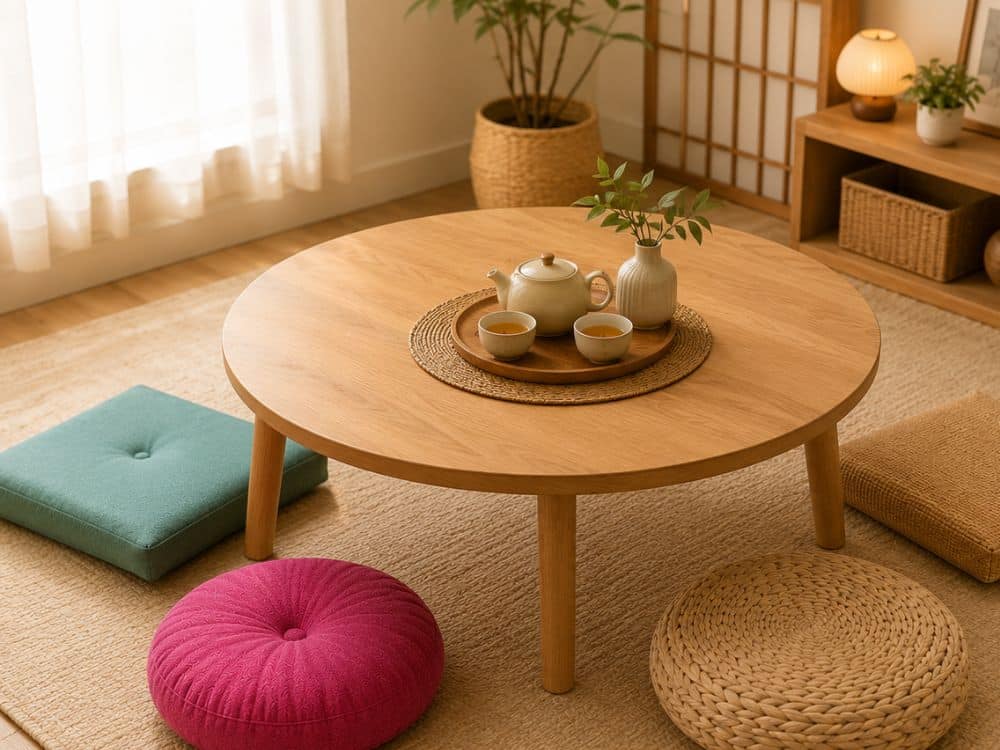
Japanese dining pillows can make low-table meals, floor seating, and casual dining corners feel warmer, softer, and more intentional.
The key is choosing cushions that fit the way you actually sit. A pillow can look beautiful and still feel awkward if it is too thick for your table, too small for the seat, too delicate for dining, or too busy for the room. This guide walks you through six practical steps: understanding the cushion type, measuring your space, choosing thickness and firmness, picking easy-care materials, styling the pillows calmly, and keeping them clean and easy to store.
- Understand how zabuton and Japanese dining pillows differ from regular chair pads
- Measure table clearance, seat size, and floor space before buying
- Choose thickness and firmness based on floor dining, chair seating, or long meals
- Pick fabrics and fills that match both comfort and cleaning needs
- Style cushions so the dining area feels calm instead of cluttered
- Maintain and store them so they stay fresh for everyday use
Understand Japanese Dining Pillows Before You Buy
Know what each cushion is meant to do
Japanese dining pillow
A cushion used for low-table dining, casual floor meals, tea-style seating, or softer chair and bench seating. It should make the meal more comfortable without lifting you too high or crowding the table.
Zabuton
A flat Japanese floor cushion traditionally used to make floor sitting more comfortable. If you want the deeper background, this guide explains what a zabuton is and how it is used.
Zafu
A zafu is usually a raised round cushion for meditation, while a zabuton is flatter and often used underneath or around the sitting area. If you are comparing both terms, see this guide to zafu and zabuton.
Chair or bench pad
A thinner cushion designed to sit on top of a chair or bench. It needs to fit the seat surface closely so it does not slide, fold, or hang over the edge.
Choose by use case, not just style
- Low-table meals need height control The cushion should soften the floor without pushing your legs too close to the tabletop.
- Chair seating needs fit A chair pad should match the width and depth of the seat more closely than a floor pillow.
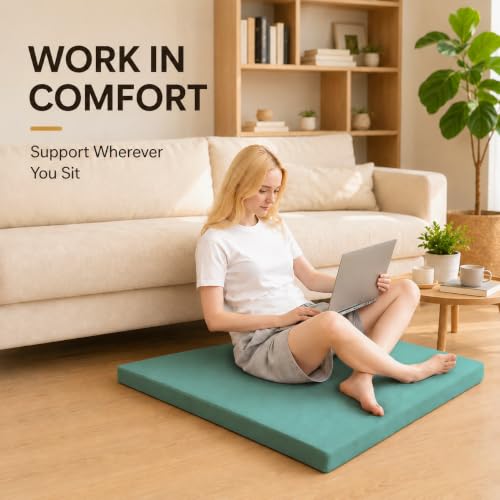
- Longer sitting needs support If meals last longer, choose enough firmness and coverage so hips, knees, and ankles do not feel unsupported.
- Daily dining needs easy care Washable covers, spot-cleanable fabric, and simple storage matter more when food and drinks are nearby.
Measure Your Table, Seat, and Floor Space
Measure before choosing a cushion shape
-
Measure table clearance
For low dining, measure from the floor to the underside of the table. This tells you how much cushion height you can add before your legs feel cramped.
-
Measure the sitting area
For floor seating, check how much room each person has around the table. For chair or bench seating, measure the seat width and depth.
-
Leave movement space
People need to slide in, turn, and stand up. Leave enough clearance around each cushion so the setup feels relaxed during meals.
-
Test the height at home
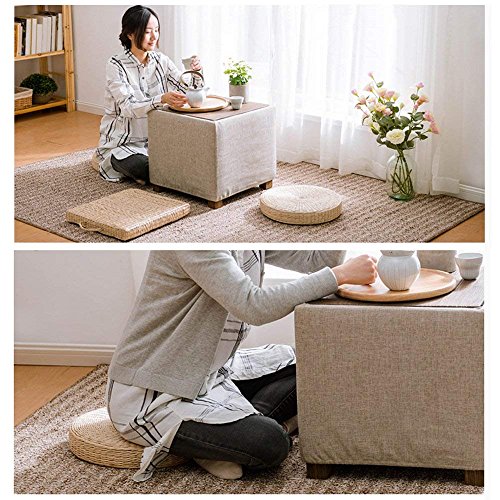
Fold a blanket to the same approximate thickness as the cushion you are considering, then sit at the table for a few minutes. This simple test can reveal whether the pillow will raise you too high.
This step is especially important in small dining corners, where one extra inch of cushion height can change the whole seating position.
If a cushion raises you too close to the tabletop, your knees, hips, and posture may feel worse even if the pillow itself is soft. Measure first, especially with kotatsu-style or very low tables.
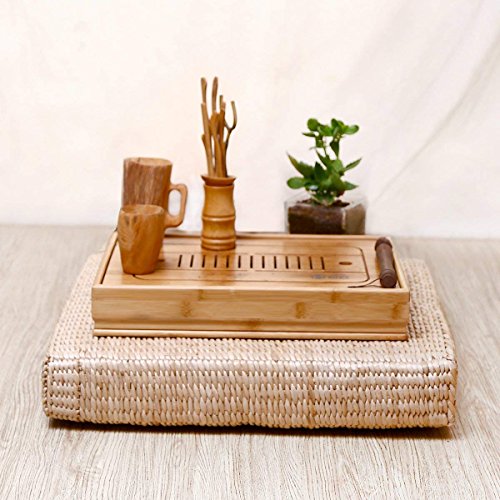
Check cushion height against your table
Choose Thickness and Firmness for the Way You Sit
Match cushion feel to your seating style
- Low-table diningUse enough padding to soften the floor without lifting your knees too close to the table.Look forThin to medium thickness, stable fill, and enough width for hips and ankles.AvoidVery tall cushions unless your table clearance can handle the extra height.
- Longer meals or tea-style seatingLonger sitting usually needs more support under the hips, knees, or ankles.Look forA wider cushion, supportive foam or cotton fill, and a shape that lets your legs settle naturally.AvoidTiny decorative pads that look good but do not support your sitting position.
- Chair or bench useA dining pillow on a chair should stay flat, fit the seat, and avoid sliding.Look forA thinner, firmer pad close to the width and depth of the seat.AvoidOversized floor pillows that hang off the edge or make the chair too high.
- Casual loungingIf the cushion is mostly for relaxed sitting, softness and texture may matter more than strict posture support.Look forSoft covers, medium loft, and a cozy feel that still resets easily.AvoidA very plush cushion if it becomes hard to store or clean.
Common comfort mistakes
Softness helps, but a cushion also needs enough structure to keep you from sinking unevenly.
If the fill collapses during the meal, your hips may tilt and your posture may feel worse.
A wider cushion can be helpful, but it still needs to fit the table area and storage plan.
Oversized cushions can make a small dining corner harder to reset after meals.
Chair pads need closer fit and stability, while floor pillows can be wider and more generous.
A floor pillow on a chair may slide or hang over the edge, while a chair pad may feel too small on the floor.
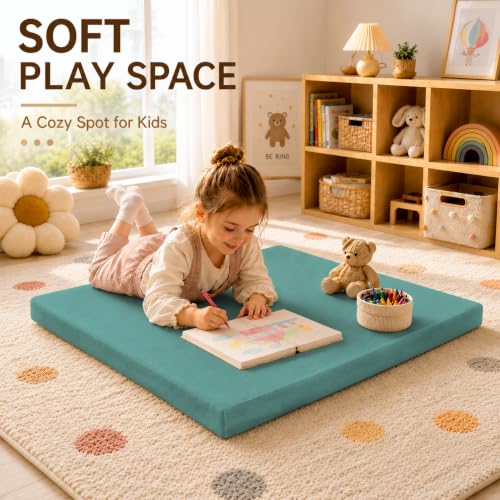
When you need wider floor support
Pick Materials That Match Comfort and Cleaning Needs
Choose fabric and fill for real meals
- Washable or removable coversDining pillows sit close to food and drinks, so cleanability should come before delicate styling.Look forRemovable covers, washable fabrics, or surfaces that can be spot-cleaned quickly.AvoidHigh-maintenance covers if children, pets, or daily meals are part of the setup.
- Stable fillThe cushion should keep its shape well enough that you do not need to adjust it constantly.Look forEven fill, firm stitching, and enough structure to rebound after sitting.AvoidLoose stuffing that shifts heavily to one side.
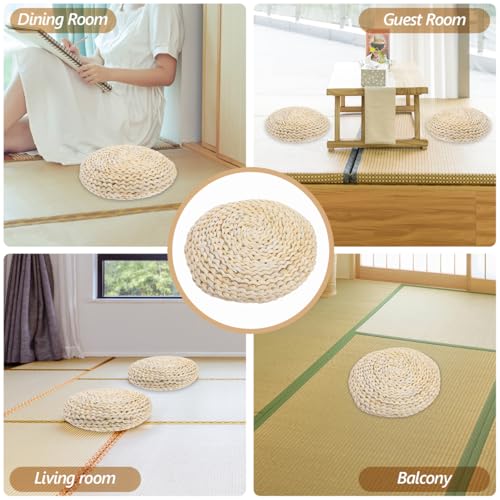
- Breathable textureCotton, linen, kapok, straw-inspired weaves, and natural-feeling textures can make the room feel softer and less synthetic.Look forMaterials that feel comfortable against clothing and suit the temperature of your dining area.AvoidChoosing texture only for photos if it feels scratchy, stiff, or hard to clean.
- Daily durabilityThe right material depends on how often you dine there and how carefully the cushions will be used.Look forEasy-care fabrics for daily dining, softer decorative textures for occasional floor seating.AvoidBuying a delicate cushion for a high-spill area.
A practical way to compare cushions
Instead of choosing only by color, compare how each cushion will behave during meals, storage, and cleaning.
Check whether the cover can be removed, spot-cleaned, or protected before frequent dining use.
Natural-feeling fabrics can make the setup feel softer, but they still need to match your lifestyle.
Press the cushion and see whether the fill rebounds evenly or stays compressed.
Choose a material that works with the wood tones, rugs, table finish, and other textures already in the room.
If you are choosing several textiles for the same room, it helps to think about the best materials for a cozy and practical home, not only the prettiest cushion cover.
When natural texture matters more than plushness

Style the Pillows Without Making the Room Feel Busy
Use color and pattern with restraint
-
Start with the table and floor
Look at the wood tone, rug, tatami mat, or floor color first. Cushions should connect to what is already there rather than fight for attention.
-
Choose one calm color family
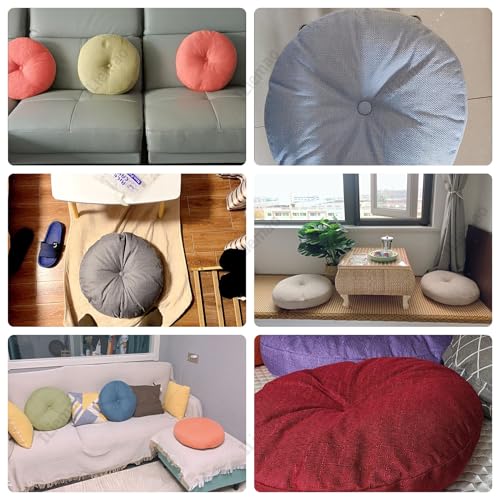
Neutrals, earth tones, soft greens, muted reds, or indigo-inspired shades can work well. Pick one main direction before adding pattern.
-
Mix texture before mixing many colors
A linen look, woven texture, or soft velvet can add depth without making the dining area look crowded.
-
Keep enough empty space visible
Japanese-inspired seating often feels calmer when the cushions do not cover every inch of the floor. Let the table, floor, and negative space breathe.
For broader styling ideas, borrow the same principles used to create cozy corners at home: one clear purpose, comfortable support, warm texture, and a setup that is easy to return to.
A simple styling formula
- One main color Let one cushion color lead the room instead of using several unrelated shades.
- One texture contrast Pair smooth wood with linen, woven straw, velvet, or cotton texture for a softer dining area.
- One repeated detail Repeat a color from a rug, wall art, table runner, or ceramics so the pillows feel connected.
- One reset plan Choose a style you can stack, store, shake out, and clean without making daily meals harder.
If the room still feels visually off, this guide to what makes a home feel cozy can help you balance texture, light, and calm spacing.
When color and shape set the tone

Keep Them Clean, Fluffy, and Easy to Store
-
Shake and rotate after use
A quick shake helps redistribute fill, while rotating cushions prevents one favorite seat from flattening faster than the rest.
-
Air them out regularly
Let cushions breathe near indirect light or fresh air when possible. Avoid harsh sun if the fabric may fade.
-
Handle food spills quickly
Blot spills instead of rubbing, then follow the cover care instructions. For general fabric accidents, keep a gentle routine for stain removal ready.
-
Store them where they stay flat
Stack cushions loosely, place them in a basket, or store them on a shelf. Avoid crushing them under heavy items for long periods.
-
Keep one daily-use set simple
If you dine on the floor often, prioritize easy-care covers and a calm color that still looks good after frequent use.
Dining pillows should not become extra work. The easier they are to clean, rotate, and store, the more likely you are to use them.
Conclusion: Choose the Pillow That Fits the Way You Actually Dine
- Measure table clearance before choosing a thick cushion.
- Use wider cushions for floor dining and smaller pads for chairs or benches.
- Choose washable or spot-cleanable materials for frequent meals.
- Keep colors and patterns calm enough to support the room.
- Rotate, air, and store cushions so they keep their shape longer.
Japanese dining pillows work best when they are chosen for real seating first and style second. Measure your table, seat, and floor space before buying. Then choose thickness, firmness, material, and color based on how often you dine there, how long you sit, and how easy the cushions are to clean and store. If you are refreshing the whole dining corner, keep the same mindset as a cozy home on a budget: solve the real comfort problem first, then add style slowly.