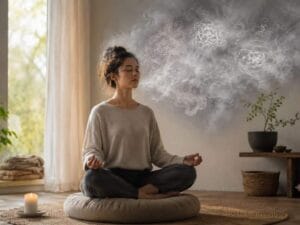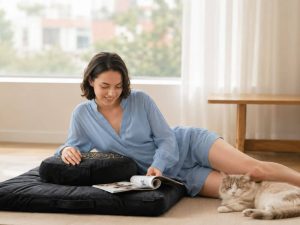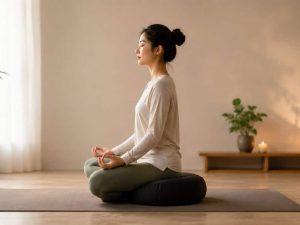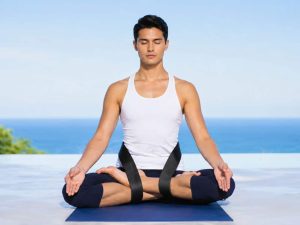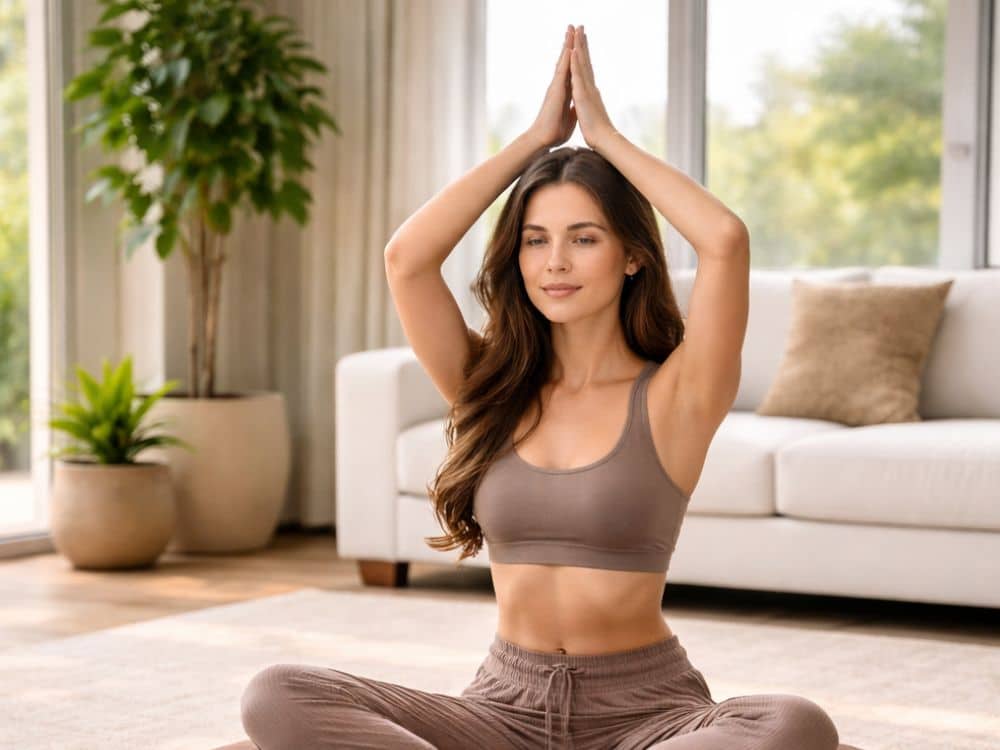
A zabuton is the flat meditation mat that sits underneath your body, helping soften floor pressure under your knees, ankles, feet, and lower legs during seated practice.
This guide explains what a zabuton does, when it makes sense on its own, and when a zafu and zabuton setup is the better choice. The focus stays on floor comfort first, so the product recommendations later in the article are split into true zabuton mats first and complete zafu-plus-zabuton sets only as a secondary option.
- What a zabuton is used for in floor meditation
- How it cushions knees, ankles, feet, and lower legs
- When a zabuton alone is enough for sitting comfort
- When beginners may need a full zafu and zabuton setup
What a Zabuton Does for Floor Meditation
Best Zabuton Cushions for Knees and Ankles


Zabuton, Zafu, and Floor Cushions Explained
- Zabuton
A zabuton is the flat floor cushion used underneath your meditation position. Its main job is to soften pressure under the knees, ankles, feet, and lower legs during floor meditation. For a non-meditation use case, the same flat cushion idea can also help when you choose Japanese dining pillows for low-table meals, tea corners, or casual floor seating.
- Zafu
A zafu is the raised meditation cushion you sit on. It supports seat height and posture rather than cushioning the floor. If you are comparing the two roles, start with what a zafu meditation cushion is.
- Japanese floor cushion
A Japanese floor cushion can mean many types of floor seating, but a meditation zabuton has a more specific job: supporting the lower body during seated practice. For the broader category, see this guide to Japanese floor cushions.
When a Zabuton Helps Knees and Ankles
- The floor feels harsh before your posture failsA zabuton makes the most sense when your knees, ankles, feet, or lower legs notice the floor before your seat position becomes the main problem.Look forA broad padded layer that softens contact with wood, tile, thin rugs, or other hard surfacesAvoidBuying a raised seat cushion first if the floor is what distracts you most
- Your seat height already feels manageableIf you can sit at a lower height without your hips feeling too low, a zabuton may be enough on its own because the problem is underneath you rather than under your seat.Look forA low-profile floor mat that improves comfort without adding much seat heightAvoidOverbuilding a full zafu and zabuton setup when a simple floor layer solves the issue
- Your knees or ankles are sensitive to pressureFor sensitive knees or ankles, the key benefit of a zabuton is cushioning the contact points. Treat it as pressure relief from the floor, not as a medical fix.Look forEnough padding under the lower body to make short floor sessions feel less distractingAvoidExpecting any cushion to cure pain, injury, or persistent joint discomfort
- You are building a beginner floor meditation setupBeginners often do better by solving the first discomfort they notice. If the floor feels punishing but the sitting position feels acceptable, a zabuton is the simpler first layer.Look forA setup that makes floor meditation easier to return to without feeling complicatedAvoidBuying a complete set only because it looks more traditional
- You also need seat supportA zabuton works better with a zafu when the floor bothers your knees and ankles, but your hips also feel too low or your posture collapses while sitting.Look forA two-part setup: zabuton for floor cushioning and zafu for seat heightAvoidExpecting the zabuton alone to fix posture or hip position
Best Zabuton Cushions for Floor Meditation
Mindful & Modern Zabuton Meditation Mat – Best Large Zabuton Mat
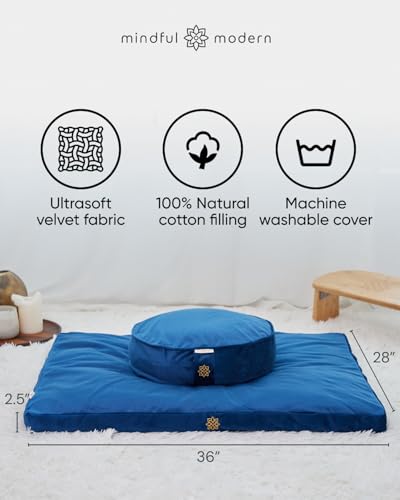

Choose this option if you want a broad cotton-filled floor layer rather than a raised seat cushion. Review evidence points to a large, comfortable mat with a removable cover, while some feedback notes that the padding can compress under body weight.
- Large enough for floor sitting
- Comfortable under legs for short sessions
- Removable cover is useful for cleaning
- Pairs well with a cushion or bench
- Cotton-filled floor layer
- Padding can compress under body weight
- Not a raised seat cushion
- May not feel thick enough for everyone
If your main issue is wood, tile, or another firm surface under your knees and ankles, compare the best zabuton for meditation on hard floors before choosing between a compact pad and a larger mat.
Standard 24x24x2 Zabuton Cushion – Best Compact Floor Pad
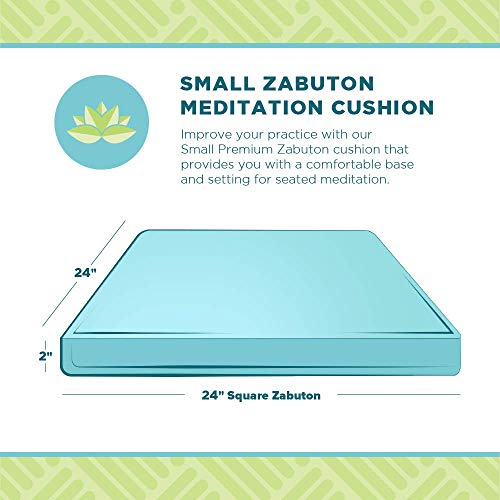

Choose this option if you want a smaller zabuton-style floor cushion instead of a large mat.
- Compact 24 x 24 x 2 inch size
- Small enough for simpler setups
- Review snippet notes travel-friendly size
- Cotton-filled floor cushion
- Made in USA listing position
- Smaller coverage than a large mat
- May not cover legs and feet fully
- Not a raised seat cushion
- Less suitable for full-floor support
A zabuton cushions the floor, while a zafu supports the seat above it. If you are deciding between one floor mat and a two-part setup, this zafu vs zabuton guide explains the difference before you buy more support than you actually need.
When a Zabuton Works Better With a Zafu
-
Your knees or ankles feel the floor first
The zabuton is still doing the floor-cushioning job. If this is the only issue, you may not need anything else yet.
-
Your hips also feel too low
When your seat height feels wrong at the same time, a zafu becomes useful because it supports the sitting position above the zabuton.
-
Your posture collapses even with floor padding
If the floor feels softer but your back still rounds or your seat feels unstable, the missing support is probably above the mat, not underneath it.
-
You want a beginner-friendly full setup
A zafu and zabuton set can make sense for beginners who want both seat lift and floor comfort from the start, but it is still a secondary option after zabuton-only support.
Use both only when you need two kinds of support: floor cushioning from the zabuton and seat height from the zafu.
Best Zafu and Zabuton Sets for Full Floor Support
ellier Zafu & Zabuton Meditation Cushion Set – Best Soft Complete Setup


Experience deeper comfort and better posture during meditation or yoga with this premium zafu and zabuton cushion set, thoughtfully designed with supportive buckwheat hulls and plush memory foam. Finished with elegant embroidered velvet details and easy-care removable covers, it’s a beautiful wellness gift for creating a calm and cozy meditation space.
- Soft and comfortable review-summary theme
- Spacious design for floor sitting
- Includes both zafu and zabuton
- Buckwheat zafu plus memory foam mat
- Removable machine-washable cover
- Higher price than basic cushions
- Not needed for zabuton-only support
- Large set is less portable
- Zafu zipper durability gets some concern
Bean Products Meditation Cushion Mat Set – Best Traditional Zafu and Zabuton Set


Designed for comfort and proper posture, this heart-shaped Zafu and Zabuton meditation set provides supportive seating that helps reduce strain during longer yoga and mindfulness sessions. Made with natural buckwheat and cotton filling plus a soft washable cover, it offers a cozy, durable, and easy-to-maintain space for daily meditation practice.
- Includes both zafu and zabuton
- Cotton-filled zabuton cushions the floor
- Buckwheat zafu fill can be adjusted
- Review snippets mention comfortable use
- Thick fabric feels durable in reviews
- Made in USA listing position
- Bulkier than a single zabuton
- More setup than some beginners need
- Zafu cover may be harder to launder
- Not the best choice for travel
If you are still deciding between a single zabuton, a zafu, or a full zafu-and-zabuton setup, use this guide on how to choose the right meditation cushion before buying. It will help you think through height, shape, firmness, floor pressure, and sitting comfort together.
FAQ
What is a zabuton?
A zabuton is a flat meditation cushion placed underneath the body during floor practice. Its main job is to soften pressure under the knees, ankles, feet, and lower legs.
What is a zabuton used for?
A zabuton is used to make floor meditation feel less harsh on the lower body. It adds padding between your body and the floor, especially on wood, tile, thin rugs, or other hard surfaces.
Why use a zabuton for meditation?
Use a zabuton when the floor becomes distracting before your meditation settles. It is most helpful when your knees, ankles, feet, or lower legs feel pressure from the surface underneath you.
Can you use a zabuton without a zafu?
Yes. A zabuton can work on its own when your seat height feels fine and the main issue is floor pressure. If your hips feel too low or your posture collapses, you may also need a zafu.
What is the difference between a zabuton and a zafu?
A zabuton is the padded layer underneath your meditation position. A zafu is the raised cushion you sit on. The zabuton helps with floor contact, while the zafu helps with seat height and posture.
Is a zabuton the same as a floor pillow?
Not exactly. A general floor pillow can be used for casual seating or decoration, while a meditation zabuton has a more specific role: supporting the lower body during seated floor practice.
Do You Need a Zabuton?
- Choose a zabuton when floor pressure is the main issue
- Choose a large mat when you want more coverage under the lower body
- Choose a compact zabuton when you want a simpler, lower-profile setup
- Choose a zafu and zabuton set only when you need both floor cushioning and seat support
A zabuton is worth considering when the floor is the part of meditation that distracts you first. If your knees, ankles, feet, or lower legs feel hard surfaces before your posture becomes the problem, start with a zabuton-only mat. If you also need seat height or posture support, a full zafu and zabuton setup becomes the better secondary option. If you want to compare beyond zabuton mats, see our guide to the best meditation cushions for sitting comfort.