A useful meditation setup does not need to look like a studio. It needs to remove the first problem that keeps you from sitting again tomorrow.
This guide helps you build a small, repeatable meditation corner under $100 by starting with comfort, then adding only the cue that actually helps. If you are new to practice, pair the setup with common meditation mistakes beginners make so the gear supports the habit instead of distracting from it.
- What problem your setup needs to fix first
- When to spend on comfort instead of atmosphere
- Which of the five products makes sense for your friction
- What to skip when the budget is tight
Start With the Problem Your Setup Must Fix
The goal is not to own more meditation equipment. The goal is to make one short sit easier to repeat, especially if you are building a morning meditation routine for beginners.
Spend the First Dollars on Comfort, Not Atmosphere
- Seat supportYour seat should let the pelvis tilt slightly forward without forcing the lower back to work too hard.Look forA firm, stable lift that helps your knees settle lower than your hips.AvoidVery soft pillows that collapse as soon as you sit.
- Floor comfortHard floors can create knee, ankle, or foot pressure even when the seat height feels right.Look forEnough padding under pressure points to let the body settle.AvoidBuying a seat cushion and ignoring the floor beneath you.
- One sensory cueSound, scent, or gentle eye weight can mark the start of practice, but only one cue is needed at first.Look forA repeatable cue that makes the space feel intentional.AvoidLayering multiple accessories before the habit is stable.
- Easy resetA small setup should be easy to put away or return to its place in less than a minute.Look forItems that fit your real room and daily routine.AvoidA beautiful corner that is too annoying to maintain.
- Skip-abilityEvery item should be easy to justify. If it does not solve a real friction, it can wait.Look forA clear reason for each purchase.AvoidBuying a complete aesthetic before testing what your body needs.
Test Your Floor, Seat Height, and Attention Before Buying
Check Whether Your Hips Sit Too Low
- What it feels like Your knees float high, your lower back rounds, or you keep shifting forward to stay upright.
- What to test first Sit on a folded blanket or firm towel and notice whether a small lift makes posture feel easier.
- When to buy Consider a cushion only if extra height clearly helps your hips and back settle.
- When to skip If your pain is mainly in the knees or ankles, floor support may matter more than seat height.
Use the meditation cushion height guide for beginners if the blanket test points to height as the main issue.
Check Whether the Floor Hurts Your Knees or Ankles
- Pressure shows up below the seatThe discomfort appears in the knees, ankles, shins, or tops of the feet before your back gets tired.Look forPain or numbness caused by direct contact with a hard floor.AvoidAssuming a higher seat will cushion the floor.
- Padding helps more than heightWhen you add a folded blanket under the legs, the pressure drops even if the seat height stays the same.Look forRelief from cushioning the floor, not from lifting the hips.AvoidBuying another zafu when the floor is the real issue.
- The room surface mattersWood, tile, and thin rugs can make floor pressure worse during longer sits.Look forA soft layer under pressure points if you sit directly on hard flooring.AvoidCopying minimalist floor setups that do not match your body.
Check Whether the Room or Your Mind Feels Too Busy
One repeatable cue is usually enough. Sound, scent, or eye weight should mark the start of practice, not become another thing to manage.
If your body already feels comfortable but starting still feels scattered, add one cue and keep the rest of the corner simple.
More gear can create more setup friction. If the problem is attention, the better fix may be a cleaner visual boundary and a shorter routine.
A small corner with one seat and one cue is easier to repeat than a decorative setup that takes effort to arrange. If the room itself is what makes practice hard to begin, start with a simple guide to create a calm meditation space at home before spending the budget on extra accessories.
Build the Setup in the Order You Will Actually Use It
-
Choose one repeatable corner
Pick the quietest spot you can return to daily, even if it is just beside a bed or near a window. If the place itself is the main friction, use a quiet sitting corner for rest and reflection as the boundary before adding more gear.
-
Sit on what you already own
Use a folded blanket, towel, or firm pillow for two short sessions before buying anything. If a simple household setup already feels stable enough, read do you need a meditation cushion before spending the first part of your budget.
-
Identify the first failure point
If the issue is height, start with cushion height. If it is floor pressure, think about floor support and meditation cushion for knee pain guidance.
-
Buy one support item first
A seat or floor layer should come before sound bowls, scent, candles, or decorative objects.
-
Add one calming cue
After comfort is solved, add one repeatable cue that tells your mind it is practice time.
-
Keep the setup easy to reset
If the corner takes too long to clean up, you are less likely to use it tomorrow.
Under $100, the best order is support first, cue second, decoration last. If the floor is the problem, compare zafu vs zabuton before buying more seat height.
Use the Five Products as Fixes, Not as a Shopping List
Use a Zafu When Low Seat Height Is the Main Problem

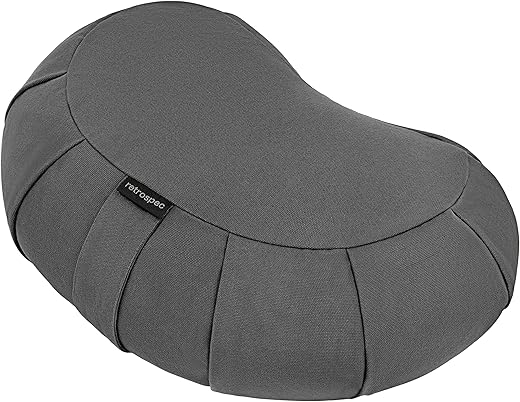
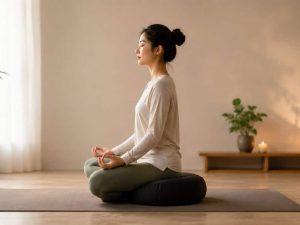
This cushion is the first item to consider if your blanket test shows that height improves your posture. Beginners can also compare it with a broader best meditation cushion for sitting comfort guide before deciding whether a dedicated cushion is the right next step.
- Helps raise the hips
- Better first buy than decor
- Works for a simple corner
- Does not cushion hard floors
- May not suit every posture
- Still needs testing first
Use a Singing Bowl Only If You Need a Start Signal
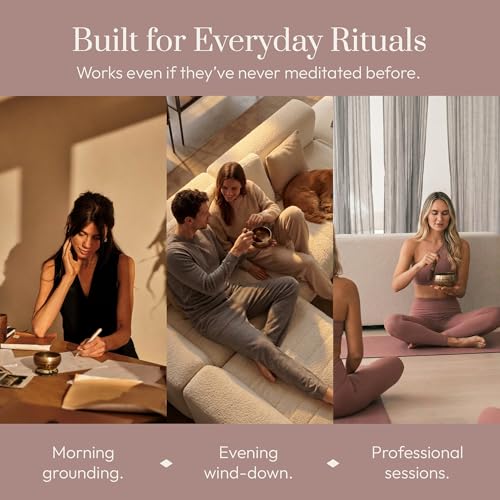

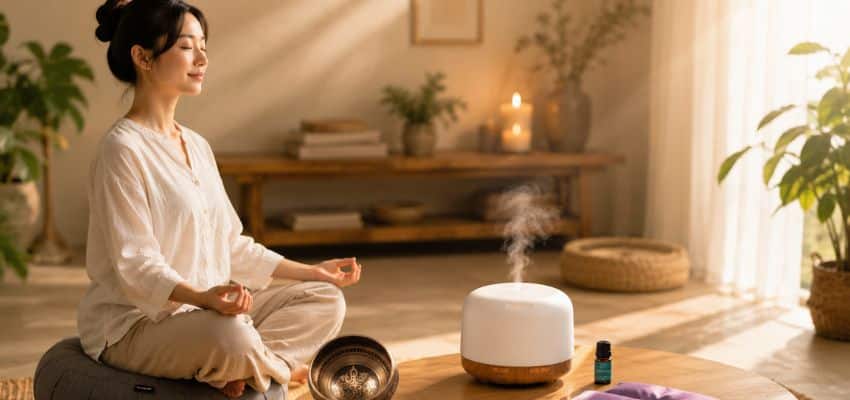
This makes the most sense if silence feels too abrupt and you want one repeatable sound to begin practice. Skip it if you are still trying to solve knee pressure, seat height, or basic routine consistency.
- Creates a clear start ritual
- Small enough for compact spaces
- Useful when silence feels abrupt
- Does not improve sitting comfort
- Can become another distraction
- Not a first priority under $100
Use a Diffuser Only If the Room Needs a Clear Boundary
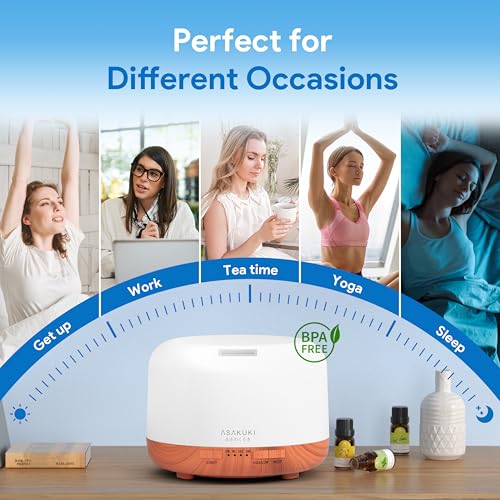

Consider a diffuser only after the sitting surface feels workable. It can signal that this corner is for practice, but it should stay subtle enough that scent does not become the main event.
- Helps define a shared room
- Easy repeatable sensory cue
- Useful after comfort is solved
- Not needed for posture
- Can overwhelm a small space
- Requires oils to use fully
Use Essential Oils Only If You Already Use Scent Intentionally


Buy oils only if you already know scent helps you return to practice. If you are still testing the corner, one neutral routine cue is better than turning the setup into a fragrance collection.
- Adds variety to an existing diffuser
- Helps repeat a scent-based cue
- Small accessory footprint
- Not useful without a diffuser
- Easy to overbuy
- Can distract from practice
Use an Eye Pillow Only If Restlessness Is the Real Friction


This is most useful if your body is comfortable but your attention keeps chasing light, movement, or the urge to open your eyes. Skip it if your main issue is posture, knee pressure, or choosing the right seat.
- Helps reduce visual distraction
- Simple add-on for short sessions
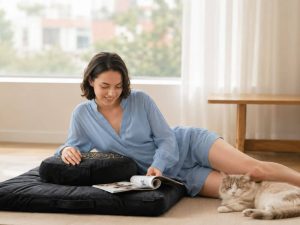
- Useful for lying-down practice
- Does not fix posture
- Not ideal for every seated practice
- Optional after comfort is solved
FAQ
What do I need for a meditation setup under $100?
Start with a quiet corner, a stable seat, and a simple routine cue. For most beginners, comfort matters more than decor because an uncomfortable setup will not get used. Add scent, sound, or an eye pillow only after you know what friction you are solving.
Do I need a meditation cushion as a beginner?
Not always. Try sitting on a folded blanket first. If raising your hips helps, then a cushion may be worth considering; if the blanket test feels comfortable enough, you can wait before spending part of the $100 budget.
Should I buy a zafu, a zabuton, or both?
A zafu raises the seat, while a zabuton cushions the floor under your knees and ankles. If your hips sit too low, start with seat height. If the hard floor hurts first, floor support may matter more than another seat cushion.
What if I have bad knees when sitting on the floor?
Do not force a cross-legged posture just to use a traditional setup. Add floor support, raise the seat, or consider a different sitting position. If knee pressure is the main issue, treat it as a support problem rather than a discipline problem.
Are singing bowls, diffusers, or oils necessary for meditation?
No. They are optional cues, not requirements. They can help some people mark the start of practice, but they should come after basic comfort and should be skipped if they make the setup feel busier.
Can I build a meditation corner in a small apartment?
Yes. Choose a corner that can reset quickly: one seat, one floor layer if needed, and one cue. A setup that fits beside a bed or chair is better than a beautiful arrangement that has to be moved every time.
Choose the Setup You Can Repeat Tomorrow
- Solve comfort before atmosphere
- Buy one cue, not every accessory
- Skip anything that does not support repetition
The best under-$100 meditation setup is not the one with the most accessories. It is the one that removes the first real barrier: low hips, hard floor pressure, a busy room, or the lack of a repeatable start cue. Begin with comfort, keep the setup small, and use this best meditation cushion for sitting comfort guide if your next decision is choosing the seat you will actually use.