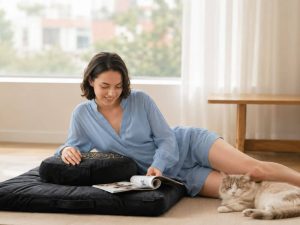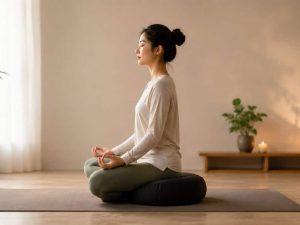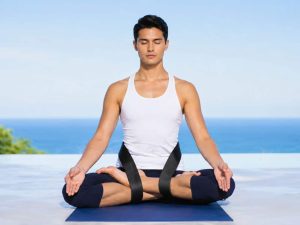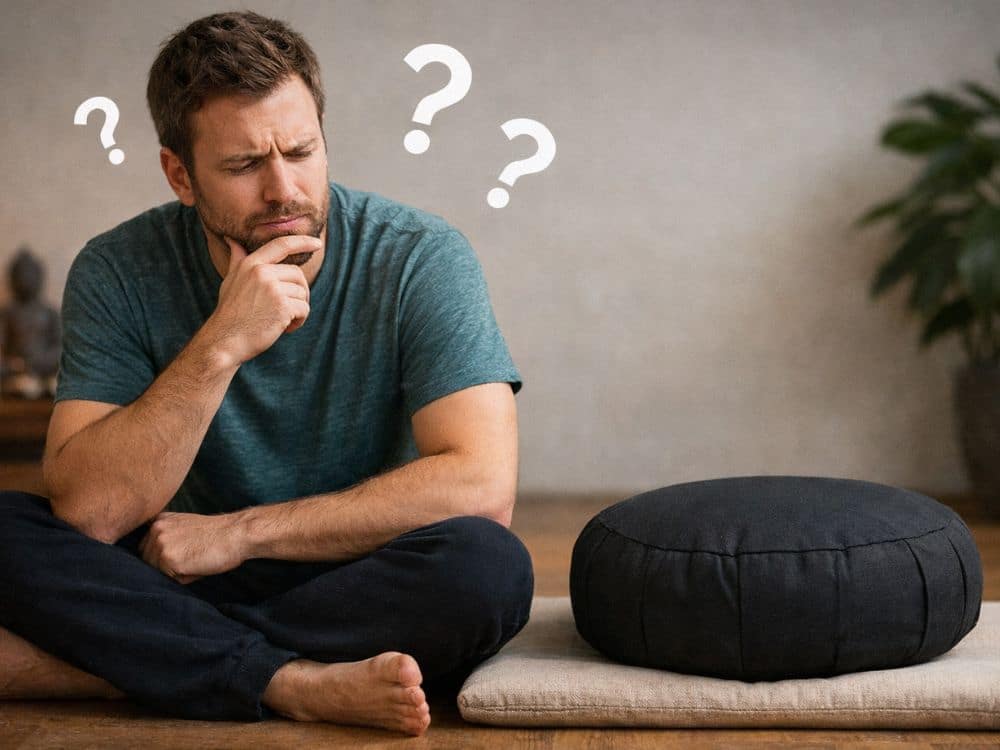
You may not need a meditation cushion yet. If short sessions already feel manageable, a chair feels stable, or a folded blanket gives you enough lift, buying a dedicated cushion too early may solve a problem you do not actually have.
This guide helps you tell the difference between keeping your meditation setup simple and starting to need real support. You will learn when a cushion helps, when beginners can wait, what to use instead for now, and which body signals mean your posture needs more than willpower. If your current setup is comfortable enough for a few short sits, this guide to building a sustainable meditation habit can help you focus on consistency before adding more gear.
- When beginners can meditate without a cushion
- What a meditation cushion actually helps with
- Simple substitutes like a folded blanket, firm pillow, or chair
- Signs that sitting comfort, knee pressure, or hip height may need real support
You need support when your body asks for it
Use these points as a filter: if your current setup works, wait; if the same discomfort keeps returning, look at support more seriously.
What a meditation cushion actually helps with
- Seat height
A cushion can lift your hips so sitting upright feels less forced. This is most useful when your knees sit high, your lower back rounds, or floor sitting feels compressed.
- Pressure relief
A cushion or floor layer can reduce pressure under the knees, ankles, shins, or sit bones. This matters more when discomfort comes from contact with the floor, not from attention or discipline. When both seat height and floor pressure matter, learning how to set up a zafu and zabuton is more useful than buying a thicker cushion blindly.
- Stability
Good support should feel steady, not wobbly or overly soft. If your seat sinks or shifts, meditation can become harder because your body keeps trying to rebalance. If you are asking this because a retreat is coming up, step back and review what you really need for retreat before treating a cushion as the first thing to buy.
- Longer sitting comfort
A cushion becomes more useful when short sits turn into longer sessions and the same strain keeps returning. The goal is not luxury; it is making posture sustainable enough to keep practicing. For a retreat setting, it is worth learning how to prepare for long sitting before a retreat before deciding whether the cushion is truly necessary.
If your current setup is clearly getting in the way, a dedicated cushion can be worth comparing. This broader guide to the best meditation cushion for sitting comfort can help once you know the problem is support, not just hesitation.
What to use instead of a meditation cushion for now
- Use a folded blanket for gentle hip lift
A folded blanket is useful when you only need a little extra height under your hips. You can fold it higher or lower while you learn what amount of lift makes sitting feel easier.
- Try a firm pillow if you need softness without sinking
A pillow can work if it is firm enough to keep your seat steady. Avoid very plush pillows that collapse under you, because they can make your hips sink and your posture feel less supported. If you are not sure whether your pillow is helping or quietly collapsing, compare a regular pillow vs meditation cushion before deciding that you need a dedicated seat.
- Experiment with yoga blocks or a bolster
Yoga blocks or a bolster can help you test different heights and angles before buying anything dedicated. This is useful if you are unsure whether your body needs more lift, more firmness, or a wider base.
- Use a chair if floor sitting is the real problem
A chair may be the best meditation setup if sitting on the floor quickly creates strain. If your feet can rest firmly and your back feels steady, chair meditation is not a lesser option.
The goal is not to build a perfect meditation setup with household items. It is to find enough support to keep practicing while you learn what your body actually needs. If you are using a simple chair, blanket, or pillow setup for now, pair it with a morning meditation routine for beginners so the habit stays easy before you buy dedicated gear.
If a folded blanket feels better when it lifts your hips, pay attention to that signal. You may not need a specific brand yet, but you may need the right height. This meditation cushion height guide can help you understand how hip lift changes sitting comfort before you choose a dedicated cushion.
Signs you may need real meditation support
If you are shorter, very flexible, or less flexible, the same cushion height can feel completely different. The goal is not to buy the tallest cushion, but to find support that lets your hips, knees, and back settle without strain. This guide to the best meditation cushion for short people can help if standard cushion advice does not seem to fit your body.
When the problem is your knees, not your discipline
Repeated knee discomfort is usually a setup signal, not a discipline test.
If pain shows up early and keeps returning, your cushion height, sitting angle, or floor support may need to change.
Softness can help pressure, but it does not always fix knee angle.
If your hips sit too low, a soft seat may still leave the knees strained. Support has to match the way your body is loading weight.
Sometimes you need a different setup, not more padding.
A zabuton can help with floor pressure, but a bench or higher seat may work better if the real issue is joint angle.
Constant shifting often means your body is trying to escape pressure points.
If the same pressure shows up in the knees, ankles, hips, or sit bones, the setup may be interrupting the practice before your mind has a chance to settle. If numb legs are the main interruption, compare the best sitting positions for meditation when your legs go numb before treating it as a willpower problem. For the same reason, some beginners who think meditation feels boring may actually be noticing discomfort, pressure, or restlessness from the setup.
If knee pain keeps showing up early, the question is not just which cushion is softer. You may need to compare seat height, floor padding, and bench support before buying anything. This guide to the meditation bench vs cushion for knee pain can help you decide whether a cushion is really the right next step.
You may need a bench, not a cushion
- Cross-legged sitting always feels forced
If sitting cross-legged never starts to feel natural, a better cushion may not solve the main problem. If you are thinking about using a strap to hold the legs in place, read whether meditation knee straps help before trying to keep the same cross-legged shape longer. A meditation bench changes the angle through the hips and knees, which can feel less compressed for some bodies.
- You want upright posture without heavy hip opening
A cushion often asks your hips to open enough for floor sitting. If that position feels demanding every time, a bench can support a more upright seat without requiring as much flexibility.
- Pain shows up before stillness does
If discomfort arrives so early that the whole session becomes about managing pain, the question is no longer whether you need more discipline. It may be whether floor sitting is the wrong setup for you right now.
A cushion is useful when it solves seat height or pressure. A bench is worth considering when the sitting shape itself is the problem.
If you do buy, know which kind of support you need
Zafu
A zafu mainly lifts your seat. It is most useful when your hips sit too low, your lower back rounds, or cross-legged sitting feels compressed.
Zabuton
A zabuton cushions the floor beneath you. It helps more with pressure under the knees, ankles, shins, and sit bones than with raising your hips.
Meditation bench
A bench changes the sitting shape. It can be useful when cross-legged sitting feels forced, your knees dislike the floor angle, or you want upright posture with less hip opening.
No dedicated gear yet
If a chair, folded blanket, or firm pillow already lets you sit comfortably and consistently, you may not need a dedicated meditation cushion right now. If you decide to add only the support that solves your first real friction, use this guide to build a meditation setup under $100 without buying gear you will not use.
A zafu and a zabuton solve different problems. A zafu lifts your hips; a zabuton softens the floor under your knees, ankles, and shins. If you are still unsure which one your body needs, this zafu vs zabuton guide explains the difference before you buy the wrong support.
FAQ
Can you meditate without a cushion?
Yes. You can meditate without a cushion if your current setup already feels stable enough for short or moderate sits. A cushion can help with support, but it is not required for meditation itself.
Do beginners need a meditation cushion?
Not always. Many beginners do fine with a chair, a folded blanket, or a firm pillow at first. A dedicated cushion becomes more useful when sitting starts to feel limited by posture, pressure, or repeated discomfort.
Are meditation pillows worth it?
Meditation pillows are worth it when they solve a real support problem. If they help you sit with less strain, less fidgeting, and better stability, they can be useful. If you are already comfortable without one, they may be helpful later rather than necessary now.
Is a regular pillow enough for meditation?
Sometimes, yes. A firm pillow can be enough if it gives you a little lift without making you sink or wobble. Very soft pillows usually work less well because they can collapse and make posture feel less stable.
Does a meditation cushion help posture?
It can help posture by lifting the hips and making the pelvis easier to settle. But a cushion does not create good posture automatically. It only helps when the height, firmness, and sitting position match your body.
Do you need both a zafu and a zabuton?
Not necessarily. A zafu mainly lifts the seat, while a zabuton cushions the floor. You only need both if you need hip height and floor padding at the same time.
So, do you need a meditation cushion?
- Wait if your current setup already lets you practice consistently.
- Use a folded blanket, firm pillow, bolster, or chair while you learn what your body needs.
- Consider a cushion when low hips, numb legs, back fatigue, or pressure points keep interrupting your sits.
- Consider a bench or different setup if knee pain shows up before stillness does.
You do not need a meditation cushion just to start meditating. If a chair, folded blanket, firm pillow, or short floor session already feels stable enough, keep your setup simple and build the habit first. A cushion becomes worth considering when the same discomfort keeps returning and you can clearly tell whether the problem is seat height, floor pressure, knee angle, or overall sitting comfort. If you are ready to compare cushion types more carefully, this guide on how to choose a meditation cushion is the best next step.