The best meditation cushion for sitting comfort is not necessarily the softest, tallest, or most popular. It is the one that keeps the pelvis supported and reduces the first discomfort that normally ends the session – lower-back rounding, knee pressure, numb legs, or tension from sitting too low.
Real comfort depends on the relationship between seat height, firmness, cushion shape, and the floor beneath the body. The main meditation cushion benefits – better hip elevation, steadier posture, and less pressure during floor sitting – only appear when those elements suit the sitter rather than merely looking comfortable.
This comparison matches four cushions to four clear needs: an approachable first cushion, firmer traditional support, adjustable value, and fuller protection for the knees and ankles.

Before comparing prices or brands, identify what interrupts your sit first: lower-back rounding, knee pressure, numb legs, or general beginner stiffness. Choosing a meditation cushion starts with matching its height, shape, and fill to that first discomfort rather than choosing by appearance or softness alone.
How We Chose Cushions for Real Sitting Comfort
We evaluated these cushions for everyday home practice, where comfort should remain stable after the first few minutes without turning the setup into a posture project. Longer Vipassana sits place greater demands on shape retention and pressure distribution, so the best meditation cushion for Vipassana is assessed separately. For this roundup, we focused on seat height, pelvic stability, knee and floor pressure, beginner fit, and practical value.
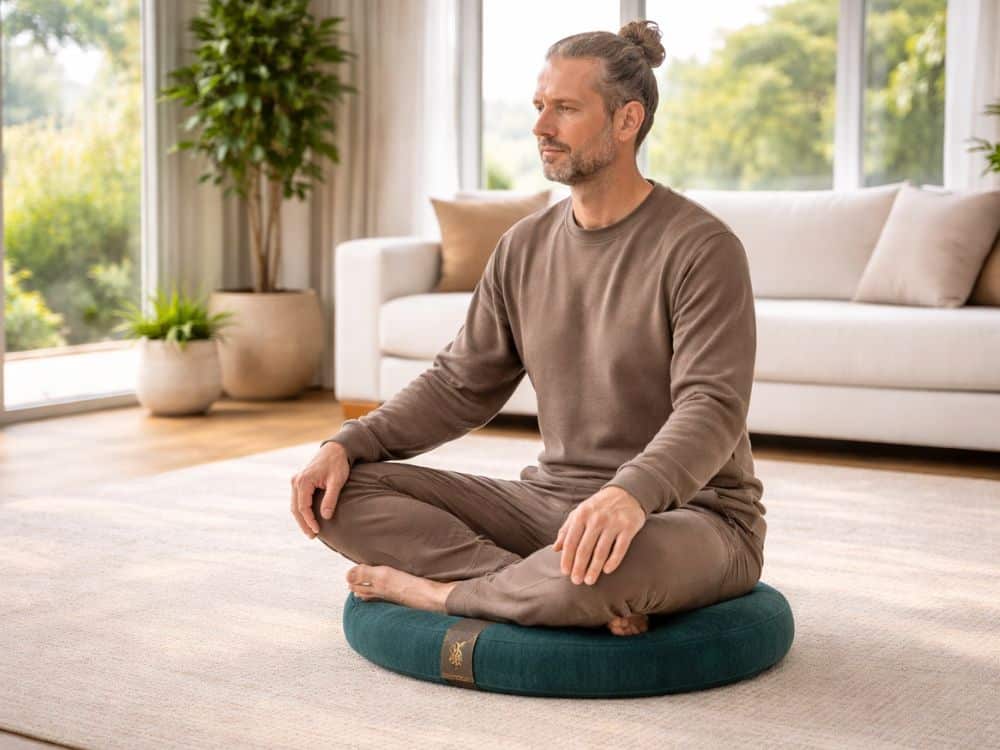
We looked for cushions that can help the hips sit slightly above the knees, because many comfort problems begin when the pelvis sinks too low.
We favored cushions that stay steady after body weight settles in, not just options that feel soft at first touch.
We considered whether the setup helps with knees, ankles, feet, and hard floors, especially for people who struggle below the hips.
We separated easy first cushions, firmer traditional zafus, budget buckwheat options, and fuller zafu-and-zabuton setups so each pick has a clear reason to exist.
This is a practical buying framework for everyday sitting comfort, not medical advice or a lab-style posture test.
This comparison evaluates cushions for everyday sitting comfort, posture support, pressure relief, and practical home use; it does not diagnose or treat pain. The NCCIH overview of meditation and mindfulness summarizes the available evidence, possible benefits, and safety considerations surrounding meditation practice.
How to Choose by the Discomfort That Shows Up First
- If your lower back rounds firstYou probably need more cushion height and stable pelvic support, not simply a softer seat. A cushion that collapses too much can make lower-back discomfort and posture strain more noticeable during longer sits.Look forEnough lift to help the hips sit slightly above the knees and make an upright spine easier to maintain.AvoidLow, plush cushions that feel comfortable briefly but sink once your full weight settles in.
- If your knees hurt before your hipsA single meditation cushion may not solve the real problem if pressure starts under the knees, ankles, or feet. In that case, floor support matters as much as seat height.Look forA zafu-and-zabuton setup or extra padding under the knees and ankles, especially on hard floors.AvoidBuying another seat cushion when the floor is the source of the discomfort.
- If your legs go numb during longer sitsNumb legs often point to angle, pressure distribution, and unstable support rather than softness alone. A firmer cushion can sometimes work better than a plush one for sitting comfort.Look forStable fill that holds shape and keeps your pelvis supported as the session continues.AvoidOverly soft cushions that compress quickly and leave your hips lower than expected.
- If you are a beginnerYour first cushion should make sitting feel more approachable, not more intimidating. Most beginners do better with balanced support before moving into very firm traditional zafus.Look forAn easy all-around cushion with enough height, a supportive feel, and a forgiving learning curve.AvoidChoosing the firmest or most traditional cushion only because it looks authentic.
- If you are short or have tight hipsStandard cushion advice may not fit every body. Shorter sitters and people with tight hips may need to pay closer attention to cushion height, width, and how easily the hips can settle above the knees.Look forA cushion height that supports cross-legged posture without making the knees float or the seat feel oversized.AvoidOne-size-fits-all recommendations that ignore body size, hip mobility, and sitting position.
- If you think you need back supportA meditation cushion with back support is not always the first fix. Lower-back discomfort often starts with seat height, pelvic angle, and whether the cushion stays stable under your weight.Look forEnough lift and firmness first; consider a bench or chair only if floor sitting still feels forced.AvoidAssuming a backrest will fix a setup that is too low, too soft, or wrong for your knees.
Cushion height affects how the pelvis settles before firmness can be judged fairly. The right meditation cushion height for beginners should raise the hips enough to support a more natural spinal position without making the sitter feel perched or unstable. Body weight also changes how quickly the fill compresses, so meditation cushions for heavier people need enough structure to preserve useful lift after the body settles.
Best Meditation Cushions for Sitting Comfort
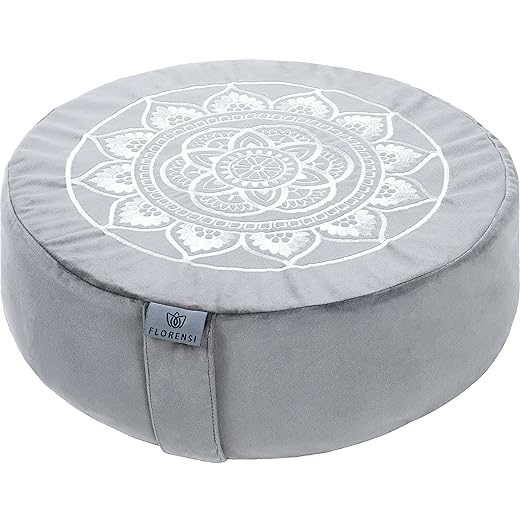
Florensi Meditation Cushion – Best for Beginner Sitting Comfort


Florensi is the safest starting point for most new sitters because it feels supportive without coming across as overly harsh or overly traditional. It works best for everyday home practice when you want a cushion that helps sitting comfort and upright posture feel easier from the start.
- Approachable first cushion for beginners
- Supportive enough for everyday sitting comfort
- Easier starting point than very firm zafus
- Works well for simple home meditation practice
- Not the firmest traditional buckwheat option
- Less ideal for sitters who already know they prefer hard support
- May feel too comfort-focused for strict zafu buyers
The full Florensi Meditation Cushion review examines its adjustable buckwheat fill, firmness, cover care, and the situations in which a crescent cushion, zabuton, or meditation bench may fit better.
Hugger Mugger Zafu – Best for Firmer Traditional Support
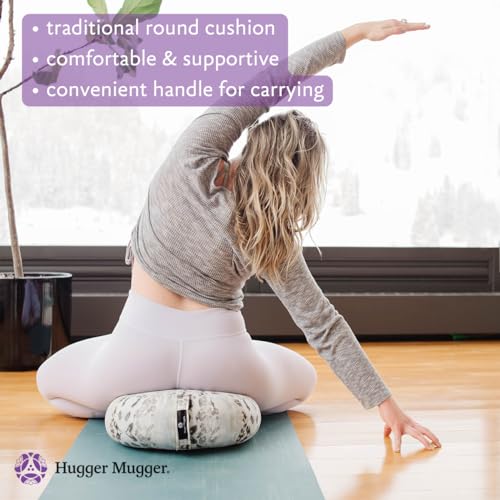

Hugger Mugger suits sitters who already know they prefer a dense, traditional buckwheat seat. Its role here is to provide stable lift and hold its shape after the body settles, rather than supplying plush softness or floor cushioning beneath the knees.
- Firmer traditional feel for sitters who dislike overly soft cushions
- Helps create a steadier sitting base during longer sessions
- Good option for people who want classic zafu-style support
- Better suited to posture support than plush comfort
- May feel too firm for beginners who want a softer first cushion
- Not the best choice for people who mainly need floor padding under the knees
- Can feel less forgiving if your hips or legs are sensitive at first
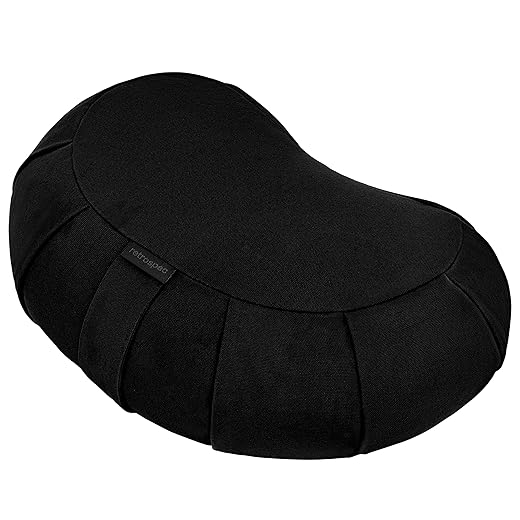
Retrospec Sedona – Best Budget Buckwheat Cushion for Adjustable Support

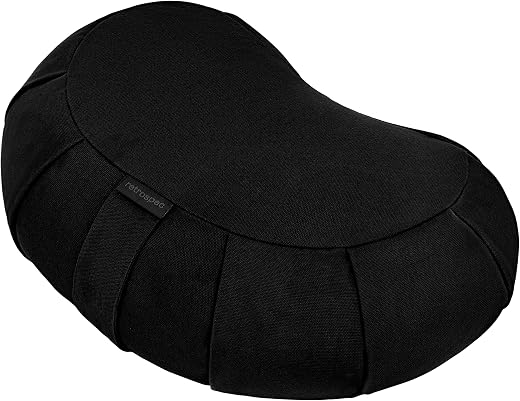
Retrospec Sedona uses natural buckwheat fill that can be adjusted to change the seat height and firmness. It is the practical value option for someone still learning how much lift feels comfortable, although its finish and traditional zafu feel may be less refined than more specialized alternatives.
- More affordable way to try buckwheat meditation support
- Adjustable fill can help you fine-tune sitting height and firmness
- Good option if you are still learning what cushion height feels right
- Practical for everyday home meditation without overcommitting
- May not feel as refined as higher-end traditional zafus
- Budget-friendly design may not satisfy experienced sitters
- Still requires some trial and adjustment to find the right feel
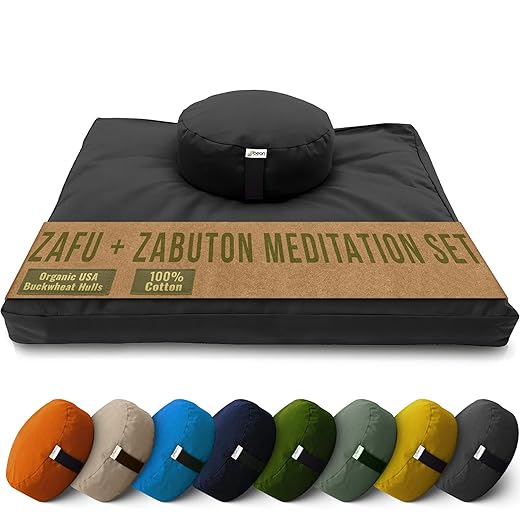
Bean Products Zafu & Zabuton Set – Best for Knee and Floor Pressure

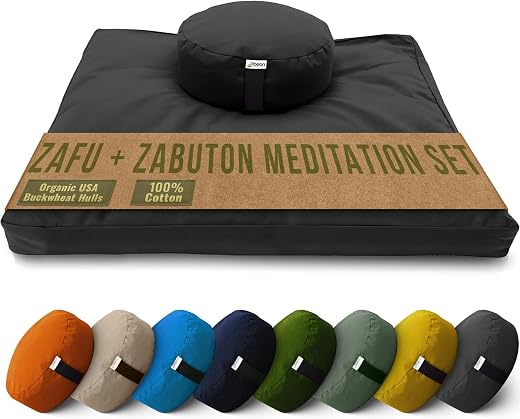
The Bean Products set combines a buckwheat-filled zafu that raises the pelvis with a cotton-filled zabuton that cushions the knees, ankles, feet, and lower legs against the floor. It provides a more complete sitting base than a single cushion, although that added support also requires more space and setup.
- Combines a raised seat with a padded floor base
- Better suited to knee, ankle, and lower-leg pressure than a cushion alone
- Useful for people who feel the hard floor before the meditation session settles
- Creates a more complete sitting area for longer home practice
- Takes more floor space than a single meditation cushion
- Usually costs more than buying one simple cushion
- May be more setup than a casual beginner needs
Common Meditation Cushion Comfort Mistakes
Softness can feel pleasant at first, but it does not always create stable support. Longer sitting usually requires enough lift and firmness to prevent the hips from sinking too low. Buckwheat and memory foam meditation cushions manage pressure and shape differently, so the fill matters as much as the surface feel.
If the cushion collapses under your weight, your knees, lower back, or legs may feel more strain even though the cushion felt soft at first touch.
Zafus can feel very different depending on fill, height, shape, and how firmly they hold the pelvis. A traditional buckwheat zafu may feel steadier than a softer beginner cushion, but it may also feel less forgiving at first.
This is why a beginner-friendly cushion, a firmer traditional zafu, and an adjustable buckwheat cushion can each serve a different type of sitter.
Sometimes the seat cushion is part of the problem, but knee pressure can also come from a hard floor, limited hip opening, low seat height, or not having a zabuton under the knees and ankles.
That is why a full zafu-and-zabuton setup can help some people more than buying another single cushion.
Ratings can help, but they do not replace fit. The best cushion for you depends on whether your first problem is height, firmness, knee pressure, lower-leg pressure, or comfort during longer sessions.
A highly rated cushion can still be the wrong match if it solves a different sitting problem than the one you actually have.
Terms That Affect Sitting Comfort Before You Buy
Cushion height
The amount of lift under your pelvis. Enough height can make cross-legged sitting feel less cramped, especially if your knees naturally sit high or your hips sink too low.
Hips higher than knees
A common posture cue where the pelvis sits slightly above the knees. For many sitters, this can make it easier to keep the lower back from rounding without forcing the pose.
Zafu
A raised meditation seat cushion used to lift the hips and support a more upright sitting position. It helps most when the fill stays stable after your body weight settles in.
Zabuton
A wider floor mat placed under a zafu cushions the knees, ankles, feet, and lower legs against the floor. A meditation cushion setup for knee pain often needs this additional floor layer because raising the pelvis alone does not remove pressure where the lower joints meet a hard surface.
Buckwheat fill
Buckwheat hulls create a firm, moldable fill that can shift around the body while retaining useful structure during longer sitting. The tradeoff is a denser, less plush feel. Kapok meditation cushions use a lighter fibrous fill and offer a different balance between traditional support, weight, and surface softness.
Back support
Extra support behind the torso can help some sitters, but it cannot compensate for a seat that is too low, unstable, or allowing the pelvis to roll backward. A meditation cushion for back pain should therefore be considered first in relation to seat height, pelvic angle, and firmness rather than the presence of a backrest alone.
FAQ
What is the best meditation cushion for beginners?
Most beginners need enough lift and stability without starting with an unusually firm traditional seat. Florensi is the easiest starting point in this roundup because it balances everyday support with a more approachable feel. The right meditation cushion for beginners still depends on seat height, body size, and whether discomfort begins at the hips or where the knees meet the floor.
What is the best meditation cushion for sitting comfort?
The best meditation cushion for sitting comfort depends on what interrupts the sit first. Florensi is the comfort-first choice for most beginners, Hugger Mugger provides firmer traditional support, Retrospec offers adjustable buckwheat value, and Bean Products adds floor protection for the knees and ankles. The best meditation cushion for short people may require a lower or more compact fit so the seat does not make the legs feel suspended or unstable.
What type of meditation cushion helps with knee pressure?
A zafu-and-zabuton setup often works better for knee pressure than a single seat cushion. The zafu raises the pelvis, while the zabuton cushions the knees, ankles, feet, and lower legs against the floor. The distinction between zafu and zabuton matters because one changes the sitting height and the other reduces pressure at the points touching the floor.
Why do my legs go numb on a meditation cushion?
Numb legs often come from concentrated pressure, an unsuitable sitting angle, or a cushion that lets the hips sink too low as the session continues. A softer cushion is not always the answer. Reducing numb legs during longer Vipassana sits usually requires adjusting seat height, thigh pressure, and leg position rather than simply adding more padding.
Choose the Cushion That Solves Your First Sitting Discomfort
- Florensi is the easiest comfort-first cushion for most beginners.
- Hugger Mugger is the better pick for firmer traditional support.
- Retrospec is the practical budget buckwheat option.
- Bean Products is the fuller setup for knee, ankle, foot, and hard-floor pressure.
- If numbness, knee pressure, or floor discomfort keeps returning, fix the sitting setup before blaming the cushion alone.
The right cushion should make a comfortable sitting position easier to repeat, not merely feel pleasant on first contact. Once the setup supports the hips and reduces the pressure point that normally ends the session, a simple morning meditation routine for beginners can turn that physical comfort into a practice that is easier to maintain.