
You sit down to meditate, and the mind immediately begins arranging tomorrow, replaying yesterday, and inventing three emergencies that did not seem urgent five minutes ago. The harder you demand silence, the louder the inner meeting becomes.
Racing thoughts during meditation do not all require the same response. Sometimes attention has simply wandered; sometimes one unfinished task keeps returning; sometimes the body is too activated for stillness to feel steady. Research supported by the National Center for Complementary and Integrative Health has distinguished breath attention and mind wandering as different internal attention states. A difficult sit can still belong to a sustainable meditation habit; the task here is narrower: recognize what is happening now and choose the smallest response that makes this session workable.
What to do when thoughts begin racing
The aim is not to defeat thought. It is to stop treating every mental event as an instruction that must be followed before the session can continue.
Understand what is happening in this session
Recognize four different patterns
- Ordinary mind wandering Attention leaves the chosen anchor and lands on dinner, a memory, a sound, or a small plan. The pace is not especially urgent; you simply notice that you have been elsewhere.
- Racing thoughts Ideas arrive quickly and pull one another forward. Planning becomes rehearsal, rehearsal becomes worry, and several thought streams seem to compete for the same narrow doorway.
- An urgent reminder One concrete task keeps returning because the mind is afraid it will be forgotten: send a message, bring a document, turn something off, or make an appointment.
- Emotional or physical overload The thoughts arrive with a tight chest, agitation, panic, numbness, dizziness, or an intense memory. More effortful concentration may increase pressure instead of settling it.
Treating every mental event as failure is one of the common meditation mistakes. The distinction that matters here is practical: wandering needs a return, speed needs simplification, urgency needs a place to wait, and overload needs grounding.
Check what changed before you sat down
-
Notice the transition
A mind moving directly from messages, work, news, or conflict into silence may continue at its previous speed. Give the transition a name rather than interpreting the noise as proof that meditation is going badly.
-
Look for one unfinished demand
Complete the sentence, ‘My mind keeps returning to…’ A specific answer suggests an urgent reminder. A long chain of loosely connected answers suggests racing thoughts.
-
Check the body before correcting the mind
Notice the jaw, shoulders, hands, belly, temperature, and contact with the floor. Hunger, pain, fatigue, or an unsupported posture can keep calling attention back to the body.
-
Separate agitation from boredom
Racing thoughts feel crowded, quick, or compelling. A flat session with a strong wish for stimulation belongs more closely to the question of why meditation feels boring. The two experiences can overlap, but they do not ask for identical adjustments.
This check should take less than a minute. Its purpose is to choose a response, not to begin another private investigation with no closing time.

Match the response to the kind of distraction
Use touch when the breath feels too faint
- Feel both feet or both hands
Choose one unmistakable contact point. Notice pressure, warmth, coolness, texture, or weight for three breaths, then begin again whenever attention leaves.
- Count with the fingers
Touch the thumb to one fingertip on each exhale, moving from index finger to little finger and back. The small movement gives attention a sequence without demanding a perfectly quiet mind.
- Use one bead at a time
Move a bead between the fingers with each breath or each return. The object is not responsible for calming you; it simply makes the act of returning tangible.
- Support the body first
A stable meditation sitting setup reduces avoidable competition from aching knees, a collapsing torso, or feet that cannot rest comfortably. Adjust support before asking attention to ignore a problem the body can plainly feel.
Stay with one tactile anchor for several returns. Changing anchors after every thought can become another form of restlessness.

Open your eyes and use an external anchor
- 01Soften the gaze
Let the eyes rest on a plain, unmoving area a short distance ahead. Keep the gaze wide enough to receive the room rather than staring at one point with effort.
- 02Choose one continuing sound
Notice a fan, distant traffic, rain, birds, or the quietest layer of sound available. Receive the sound as it changes instead of naming its source each time.
- 03Use a single clear tone
A bell or chime can mark the return, but one tone is enough. Repeatedly producing sound may become a new activity that replaces the session rather than supporting it.
- 04Orient to the room
Name three neutral things you can see and two places where the body is supported. This is especially useful when closed eyes make thoughts feel more immersive.
An external anchor is not a lesser form of meditation. It is a practical way to reduce the amount of ambiguity attention must manage.
Give an urgent thought somewhere to wait
- Test whether the thought is specific
Ask, ‘What exactly am I afraid of forgetting?’ Turn a cloud of urgency into one short action: call Maya, pack the form, check the stove, or schedule the appointment.
- Record only enough to remember
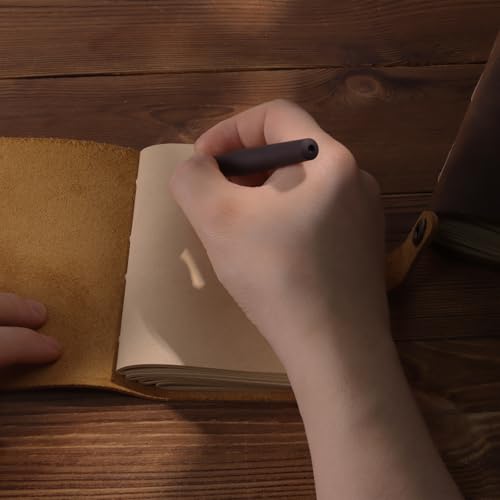
Write two to five words on paper or in a nearby note. Avoid drafting the message, organizing the list, or solving the task while the session timer continues.
- Set a return point
Tell yourself when the note will receive attention: after the bell, after breakfast, or at the next work block. A credible time reduces the mind’s need to keep presenting the reminder.
- Return through sensation
Feel one exhale, one hand, or one sound before resuming. This prevents the note-taking movement from carrying you directly into another chain of planning.
Recording every passing idea trains the mind to interrupt the session for a notebook. Reserve this method for a concrete reminder that has returned more than once and can be captured in a few words.
Move when stillness increases pressure
- Stand before you feel trapped Open the eyes, rise slowly, and notice the weight moving through both feet. The session continues; only its shape changes.
- Walk a short, repeatable path Take ten slow steps, turn, and return. Feel lifting, moving, and placing rather than trying to manufacture a special state.
- Use one ordinary movement Gently roll the shoulders, stretch the hands, or place a palm on the chest. Keep the movement simple enough that attention can stay with sensation.
- Lower the demand Replace ‘I must settle down’ with ‘I will notice this step.’ A smaller task gives racing attention less room to argue.
Movement is most useful when it remains deliberate. Pacing while continuing the same inner debate changes location but not the relationship with the thoughts.
Decide how to finish the session
Use a one-minute reset
- Release the original target
Stop trying to recover the calm session you expected. For the next minute, the only task is to notice one clear sensory event at a time.
- Choose the strongest neutral sensation
Use the feet, hands, seat, an ordinary sound, or the sight of the floor. Prefer what is easiest to perceive, not what seems most impressive as a meditation object.
- Return without commentary
When thought takes over, use one quiet word such as ‘thinking,’ then feel the anchor again. Skip the review of why attention wandered or how many times it has happened.
- Reassess after the minute
Notice whether the pace, intensity, or physical pressure changed at all. A small reduction may support another minute; no change is useful information for choosing a different ending.
The minute is not a test you must pass. It is a short observation period that replaces an argument with fresh information.
Continue, shorten, or stop deliberately
Meditation and mindfulness usually carry few risks, but negative experiences can occur. The NCCIH overview of meditation and mindfulness safety notes that anxiety and depression were the most commonly reported negative effects in the review it summarizes. Repeated panic, intrusive memories, dissociation, or worsening distress deserves support from a qualified health professional rather than greater pressure to sit through it.
What progress looks like when the mind stays active
- You notice earlier The first change may be recognizing a thought chain after thirty seconds instead of following it for five minutes.
- You identify the pattern more accurately You can tell the difference between ordinary wandering, rapid planning, one legitimate reminder, and a body that needs grounding.
- You use fewer corrections One appropriate anchor replaces a frantic rotation through breath counting, mantras, posture changes, and self-criticism.
- You recover without beginning a trial The return becomes simpler: notice, name, reconnect. There is less discussion about what the wandering supposedly says about you.
- You finish by choice Continuing, shortening, changing form, and stopping all become available responses rather than moral grades.
A quiet session may feel pleasant, but quiet is not the only evidence of practice. The ability to recognize attention, respond proportionately, and begin again is progress even while thoughts remain audible.
Questions about an unsettled mind during meditation
Is mind wandering during meditation normal?
Yes. Attention leaving the anchor is a common part of focused practice. The useful moment is not permanent concentration; it is recognizing that attention moved and returning without turning the detour into a judgment about the whole session.
What should I do when I can't quiet my mind during meditation?
Replace the goal of silence with one observable task. Feel both feet, listen to one continuing sound, touch one bead per breath, or keep the eyes softly open. A clear sensory anchor asks less of attention than an instruction to stop thinking.
What can I change when I can't focus during meditation?
The breath may be too subtle, the body may be uncomfortable, or a concrete unfinished task may keep demanding attention. Change to touch, sound, sight, or slow movement and check whether one reminder needs to be recorded for later.
Should I keep meditating when racing thoughts become more intense?
Not automatically. Try a short grounding reset, open the eyes, or change to slow walking. End the session when distress keeps increasing, you feel disconnected, or continuing no longer feels steady. Meditation is not improved by ignoring clear signs that you need a different kind of support.
Does writing down a thought interrupt the meditation?
It briefly changes the activity, but a two-to-five-word note can be useful when one concrete reminder keeps returning. Record only enough to remember it, decide when you will address it, and reconnect with one sensation before continuing.
You do not need to win an argument with the mind
Racing thoughts during meditation become more workable when you stop treating them as one undifferentiated failure. Notice whether the mind is wandering, accelerating, protecting an urgent reminder, or reacting to overload. Then match the response: use a clearer anchor, give one task a place to wait, move with attention, reset for a minute, or finish deliberately. The session has not been wasted because silence never arrived. You practiced the more portable skill of returning without abandoning yourself.