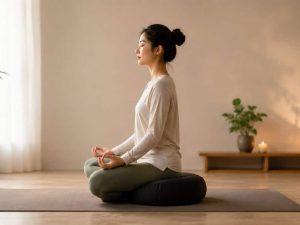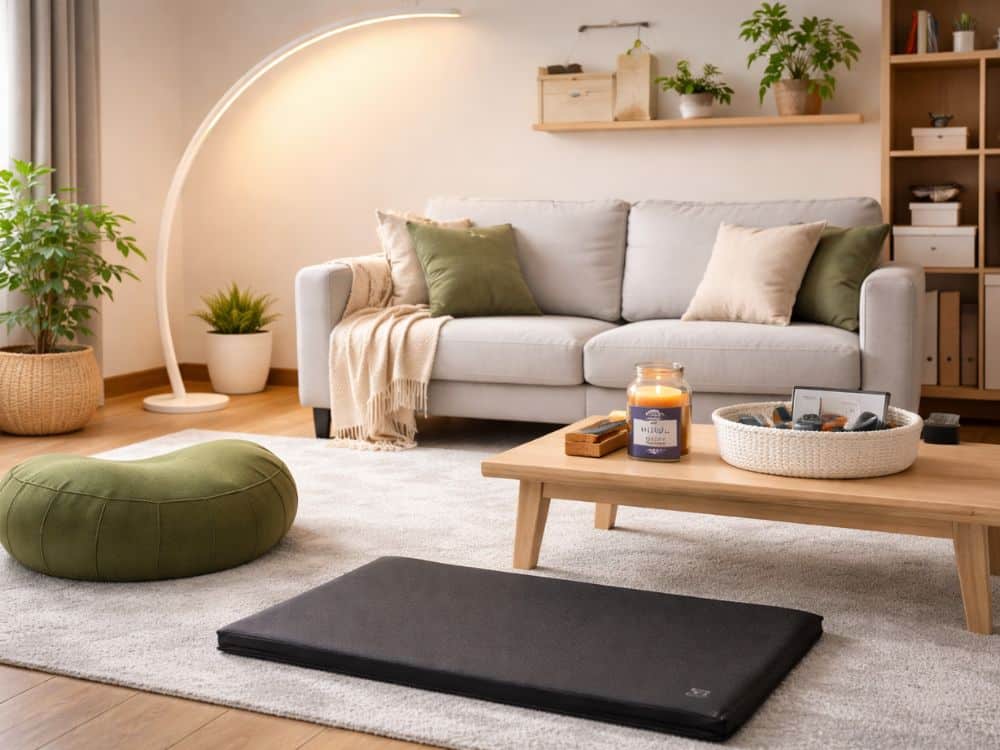
You do not need a perfect room to meditate. You need a place that makes beginning feel a little easier.
This guide helps you choose a reliable spot, make sitting comfortable, soften distracting light and sound, keep the immediate view calm, and create a starting cue that does not become another chore. If space is limited, many of the same ideas used to create a cozy corner in a small home can help you begin without waiting for an empty room.
- Choose a spot that is available when you actually need it
- Make sitting workable before adding decor
- Reduce light, sound, clutter, and temperature friction
- Build a small ritual that helps the space reset
What matters most in a meditation space
When cost is part of the decision, a simple meditation setup under $100 begins with the seat, floor, light, and storage problems that actually need solving.
Choose a spot that supports presence
Know what kind of spot you need
- Dedicated meditation spot
A fixed corner, balcony patch, closet nook, bedroom area, or chair that remains mostly ready. A visible cue can help you return, but the place cannot build the practice for you. When the spot is ready and the routine still disappears, a short, repeatable meditation habit can connect the place with the act of sitting.
- Portable meditation setup
A cushion, blanket, mat, timer, or basket that can be moved and stored quickly. This works well in a shared room or a small home where no corner can remain dedicated.
- Visual anchor
One calm object – a plant, lamp, folded cloth, small tray, or meaningful stone – that quietly marks where practice begins without turning the space into a display.
Choose the spot by how it behaves
- Predictable soundThe space does not need to be silent, but its ordinary sounds should be familiar enough that they do not repeatedly pull attention outward.Look forA place away from the television, entryway, kitchen activity, or busiest household pathAvoidChoosing a place that is quiet only at a time when you never meditate
- Enough room for the bodyA small area can work when the seat, legs, and any floor support fit without feeling crowded.Look forEnough clear floor or chair space to change position safelyAvoidA corner where the body or props block a doorway or walking path
- Easy daily accessThe place should be available on rushed or imperfect days, not only after the whole room has been rearranged.Look forA setup that can be ready in about a minuteAvoidMoving furniture or clearing a large area before every sit
- A quieter viewThe direction you face matters because unfinished tasks can keep asking for attention even when the room is physically quiet.Look forA wall, curtain, plant, shelf, or simple viewAvoidFacing screens, bills, laundry, work piles, or a busy doorway

Make sitting comfortable before adding decor
Do not treat persistent pain, recurring numbness, weakness, or worsening discomfort as a decorating problem. Change position, use a chair, or stop and seek appropriate medical advice when needed. If the uncertainty is height, firmness, shape, or floor support, choosing the right meditation cushion begins with the first discomfort the body reports.

Reduce distraction without demanding silence
Familiar background sound may be easier to live with than sudden, irregular interruptions.
Begin with the simplest change: close a door, move away from the busiest path, silence notifications, or use a fan or another steady household sound if it feels less distracting.
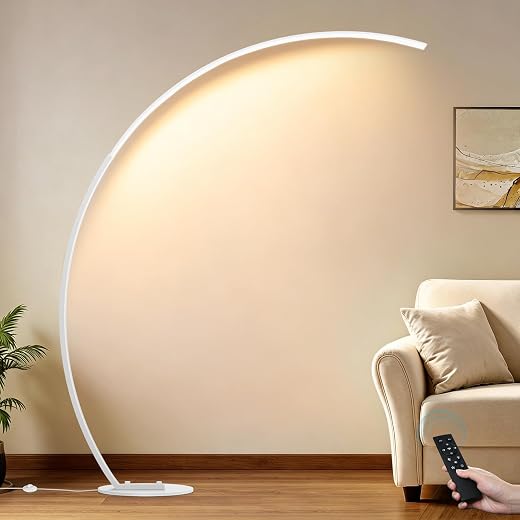
Soft, indirect light may feel easier than glare from a window or a harsh overhead bulb.
Curtains, a different sitting direction, or a small lamp may be enough. When evening glare is the real difficulty, ideas for softer lighting at night can help you separate useful illumination from brightness that keeps demanding attention.
Music can support the transition for some people, but it can also become the main object of attention.
If you use sound, keep it simple and quiet enough that the practice does not depend on finding the perfect track.
Make the immediate view easier to live with
-
Clear only what you can see from the seat
Move bills, dishes, cords, laundry, and obvious task reminders out of the direction you face. You do not need to declutter the entire room before sitting.
-
Choose one or two meaningful objects
A plant, small bowl, photo, candle, folded cloth, or stone can give the space warmth. Keep the objects that help you arrive; remove the ones that make the corner feel staged.
-
Give small items one home
Use a basket, tray, box, or shelf for a timer, journal, eye pillow, candle, or folded blanket so the setup does not slowly spread across the room.
-
Rotate instead of adding
If seasonal objects bring pleasure, rotate them. The corner does not need to carry every beautiful thing at the same time.
A meditation corner can feel personal without becoming crowded. The same balance – warmth without endless accumulation – also shapes what makes a home feel genuinely cozy.
Let fresh air do the first job
Never leave a candle or incense unattended. Keep flames away from curtains, cushions, blankets, paper, pets, and children. A battery candle, small lamp, or three quiet breaths can mark the beginning with less risk.

Make beginning easier than skipping it
The space can provide a cue, but the cue should not become a ceremony you must perform perfectly. Keep the transition short enough to survive an ordinary, untidy day.
Turn on the lamp, unfold the mat, set a timer, place the cushion down, or take three slower breaths.
If arranging the space takes longer than the practice, remove a step.
Fold the blanket, return the timer, and put small items away so tomorrow begins with less friction.
The same place can support meditation, journaling, prayer, stretching, or quiet reflection without being redesigned each time.
When even the cue begins to feel like another task, a simpler daily ritual can bring the practice back to one small, repeatable action.
The best starting ritual is one you can repeat when motivation is low. A messy day is not a special occasion requiring a more elaborate ceremony.
Start small and let the space teach you
-
Pick one reliable spot
Choose a corner, chair, bedside area, balcony patch, or portable setup that is available on normal days.
-
Use what is already nearby
Begin with a folded blanket, firm pillow, straight-backed chair, rug, existing lamp, or small box before buying anything new.
-
Remove the clearest distraction
Soften one harsh light, silence nearby notifications, clear the view in front of you, or move one noisy object.
-
Create one starting cue
Turn on a lamp, unfold a mat, place the seat, set a timer, or take three slower breaths.
-
Test one short session
Sit for five to ten minutes and notice what interrupts you: posture, floor pressure, glare, noise, clutter, temperature, or preparation effort.
-
Change only the repeated problem
If the same friction appears across several sessions, solve that problem directly instead of completing an imagined meditation-room checklist.
Let the space support the practice
- Choose a spot you can return to on ordinary days.
- Fix sitting comfort before buying decor.
- Use light, sound, scent, and objects as gentle cues – not demands.
- Keep the setup simple enough to reset quickly.
- Let the space change as your needs become clearer.
Start with one reliable spot, a workable seat, a calmer view, and one cue that marks the beginning. Use what is already nearby, then change only what repeatedly creates friction. The room does not need to become sacred overnight. It only needs to stop arguing with the few quiet minutes you are trying to give yourself.
You can continue exploring meditation spaces and sitting comfort whenever the place or posture needs another thoughtful adjustment.