A home does not feel comforting because every corner is styled well. It feels comforting because somewhere inside it, there is a place that lets your shoulders drop a little. A place that does not ask you to perform, arrange, or impress. Just a place that receives you kindly at the end of an ordinary day.
That is why cozy corners matter more than they first appear to. They are not only about beauty, and they are certainly not about filling a room with more things.
They are small decisions that change how a home holds you: where you pause, where you read, where you breathe, where the evening begins to soften instead of dragging behind you.
Sometimes that place is a chair near a wall that finally feels calm enough to sit beside. Sometimes it becomes a reading spot you look forward to returning to.
Sometimes it begins with gentler light, a bedside glow, or a quieter arrangement that makes the room feel easier to live in. And sometimes it starts with something even simpler: a quiet corner that gives your mind and body a place to settle
This guide is here to look at cozy comfort from a wider angle. Not as one perfect setup, and not as a shopping project disguised as self-care, but as a practical way to shape a home that feels softer, more usable, and more personal over time.
Because when even one corner starts to feel right, the whole house can begin to feel a little more like it is on your side.
What makes a corner feel cozy in the first place?
A cozy corner is not created by putting soft things in one place and hoping they will somehow turn into comfort. It begins much earlier than that. It begins the moment a part of your home stops feeling like leftover space and starts feeling like somewhere you can actually arrive.
Comfort starts with how your body feels
Before a corner looks inviting, it has to feel physically easy to be in. The seat should not make you tense after a few minutes. Your posture should not feel like a small battle.
The space around you should give your arms, legs, and breath enough room to settle without bumping into visual clutter or awkward placement.
This is why comfort is often less dramatic than people expect. It may come from a chair that supports you without demanding attention. It may come from a cushion that softens pressure instead of adding bulk.
It may come from the simple relief of not feeling crowded by objects on every side. A cozy corner usually works because your body does not feel managed there. It feels received.
A cozy corner should reduce noise, not add more
Many corners look attractive but still fail at comfort because they create a new kind of pressure. There are too many decorative pieces to relax around.
Too many competing textures. Too many items that ask to be maintained, adjusted, or mentally sorted. A corner like that may photograph well, but it does not always live well.
Real coziness tends to feel quieter than that. It removes friction instead of adding layers to it. It does not try to impress you every time you look at it. It simply becomes a place you want to return to because nothing inside it is arguing for your attention.
The best corners are often the ones that stop performing and start supporting.
You do not need a separate room to create one
One of the most helpful shifts is to stop imagining a cozy corner as something that requires extra square footage. Most homes already contain possible starting points.
A window edge, one side of the bed, an unused stretch of wall, the space beside a shelf, or the quieter end of a sofa can all become meaningful with the right intention.
What matters is not whether the corner is impressive. What matters is whether it can hold one clear purpose without being swallowed by the rest of the room.
Sometimes a few layout changes can help an overlooked part of the room feel more open, usable, and worth keeping. Once a space becomes easier to move around and easier to read visually, coziness has a much better chance of taking root.
Create a corner for stillness, rest, and quiet time
Not every cozy corner needs to “do” something in the usual sense. Some corners are valuable simply because they give you a place to stop carrying the day so heavily.
They are not built for productivity, and they are not there to prove that your home is well styled. They exist for a quieter reason: to make it easier to be still for a few minutes without feeling exposed, rushed, or emotionally crowded.
Choose the calmest spot you already have
The best place for this kind of corner is rarely the most impressive one. It is usually the spot that already feels a little removed from movement, noise, and interruption.
That may be near a wall, beside a window, at the end of a sofa, or in a part of the room that does not constantly pull your attention elsewhere. A still corner works best when it feels slightly sheltered, even if nothing about it is elaborate.
This is also why trying to create calm in the busiest part of a room often fails. The body notices more than we admit. It notices traffic, glare, clutter, and the sense that this space belongs to ten other functions before it belongs to rest.
A good corner for stillness does not need to be large. It only needs to feel believable as a place where you can stay for a while.
Keep the setup simple and easy to return to
Stillness becomes harder when a corner asks too much of you before you can use it. If you have to move five things, adjust three layers, or clear yesterday’s leftovers first, the space stops feeling supportive and starts feeling like another task.
That is why the most useful quiet corners are often the simplest ones. They are easy to return to because they do not create resistance before rest even begins.
Simplicity also helps a corner stay emotionally open. When there is less to manage, there is more room to notice your own thoughts, your own breathing, and your own level of tension.
Sometimes a quiet sitting corner matters not because it changes the whole house, but because it gives one part of your day a softer landing place.
The goal is not decoration – it is relief
A still corner can look beautiful, but beauty is not its main job. Its real value is that it gives your nervous system fewer things to defend itself against. It lowers the sense of friction. It offers a place where you do not have to brace, perform, or make decisions for a moment. That kind of relief is quiet, but it is not small.
And perhaps that is why these corners matter more than they seem to at first. A home may contain many useful spaces, but the one that helps you feel less wound up is often the one that changes your relationship with the whole room.
It reminds you that comfort is not always about adding pleasure. Sometimes it begins with removing pressure.
A reading corner is one of the easiest cozy corners to create
Among all the cozy corners a home can hold, a reading corner is often one of the most natural to build. It asks for less than people think, but gives back more than expected.
A reading corner does not need to feel grand to be meaningful. It only needs to make reading easier to begin and more pleasant to remain in.
What a reading nook needs most
A good reading corner usually works because a few simple elements cooperate well. The seat should feel stable enough for your body to stay with the page instead of constantly shifting to get comfortable. The light should make reading feel clear rather than effortful.
A little softness helps the space feel welcoming, but too much can make it feel floppy or distracting. And perhaps most importantly, the things you need should be within easy reach, so the act of reading does not keep getting interrupted by small annoyances.
This is where many reading spaces quietly succeed or fail. Not because they are ugly, but because they create friction. If your book has nowhere to rest, if your drink feels unsafe beside you, if you keep needing to stand up for one small thing after another, the corner never quite becomes trustworthy.
A reading corner feels inviting when it helps attention stay with the book instead of scattering into the room.
How to make a reading nook work in small spaces
One of the nicest things about a reading corner is that it does not need its own room to feel real. It only needs a part of the home that can hold one clear purpose without fighting with everything around it. Even a small area can begin to feel distinct when it is treated with intention instead of as leftover space.
That is why a cozy reading nook in small spaces can work so well. It proves that comfort is not always about having more room. Sometimes it is about helping one small area feel coherent enough that your mind understands what it is for the moment you sit down.
Small additions that make reading feel more welcoming
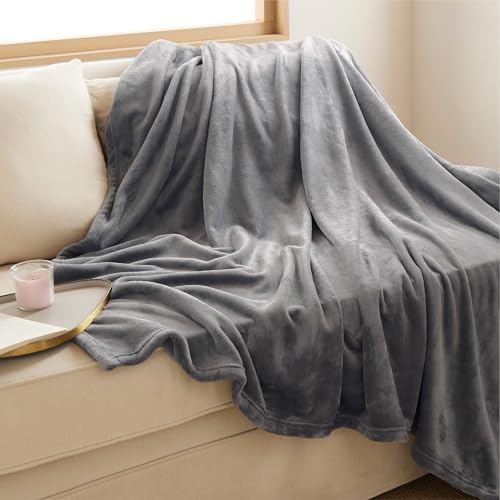
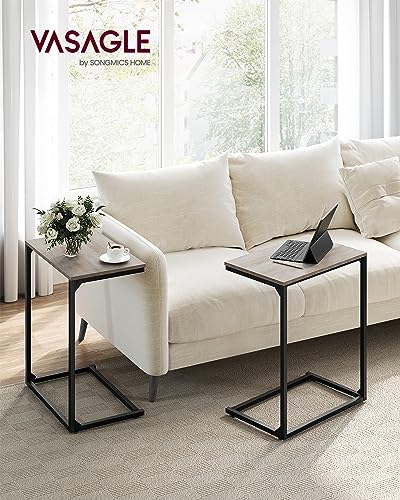
Once the basic corner feels right, a few small additions can make the experience feel warmer without turning the space into a shopping project. A blanket can soften the emotional temperature of the corner. A side surface can remove small interruptions.
A simple storage solution can keep books or essentials nearby without making the area look busy. Little details matter, but only when they make the habit easier rather than more decorated.
That is also where a few thoughtful reading comforts can quietly support the space. Not because more items automatically make a corner better, but because the right details can make it easier to stay longer, settle deeper, and return tomorrow without resistance.
Lighting can change the feeling of a corner faster than furniture can
Sometimes a corner still feels wrong even after the seat is fine, the blanket is soft, and the space is reasonably tidy. The problem is not the chair. It is the light.
Light is sneaky like that. It can make a corner feel harsh even when nothing in it is actually uncomfortable. It can also do the opposite: turn an ordinary little patch of home into somewhere you want to protect.
Reading light should support your eyes, not fight them
A reading corner fails quickly when your eyes get tired before your mind gets absorbed. That kind of discomfort is quiet at first. You do not always notice it immediately. You just find yourself reading less, shifting more, and leaving sooner than you meant to.
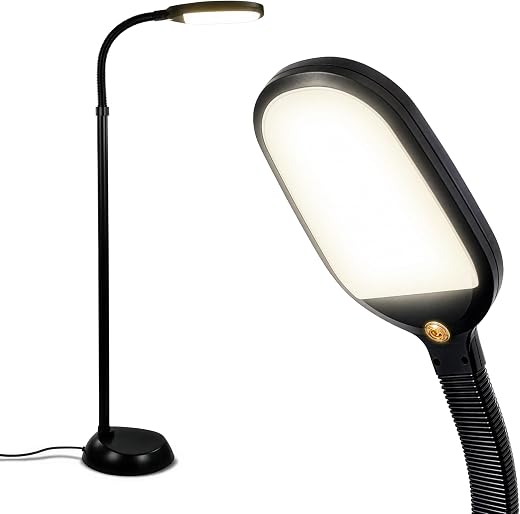
Good reading light does not call attention to itself every second. It simply makes the page feel clear, steady, and easy to stay with. That is why the right reading light matters so much. It is not a decorative extra. It changes whether the corner supports the habit or slowly pushes it away.
Warm, balanced light usually feels better at night
At night, light becomes emotional. Not just practical.
A light that is too sharp can make a corner feel exposed. A light that is too dim can make it feel sleepy in the wrong way, as if your eyes have to do unpaid overtime. What most cozy corners need in the evening is balance: enough light to stay present, enough softness to feel safe.
This is often where people realize that comfort is not only about what the light helps you do. It is also about what the light tells your body. “Stay alert.” “Wind down.” “Rest here.” “Leave soon.” A corner listens to those signals even when you think you do not.
Bedside lighting creates a different kind of comfort
A bedside corner plays by different rules. It lives close to the body, close to tiredness, close to the final mood of the day. That means the light there has a more intimate job. It should not only help you see. It should help the room feel gentler as the day closes.
That is why a softer bedside glow can matter more than people expect. In some rooms, changing the bedside light does more for comfort than changing the furniture ever could.
Cozy corners work better when the whole space feels less crowded
A cozy corner can be well chosen, softly lit, and still somehow fail.
Why?
Because the room around it never stops shouting.
Layout matters more than square footage
People often blame size when what they really feel is friction. The chair is in the way. The side table makes the path awkward. The corner may look nice from one angle, but the moment you try to live around it, the whole space starts negotiating with your knees, your hands, and your patience.
A room does not have to be large to feel generous. It only has to stop interrupting you. Sometimes that means the best thing you can do for a cozy corner is not to decorate it more, but to give it cleaner breathing room around it.
A little more ease in how you move through the room can make the corner itself feel twice as believable.
Multi-use furniture can protect both space and comfort
In real homes, furniture rarely has the luxury of doing only one job. A small table may need to hold a lamp at night and a book in the morning. A bench may become a reading seat, a resting spot, and a temporary surface within the same day. That is not a flaw. That is just life being honest.
The trick is not to make every piece do everything. That usually ends in clutter wearing a clever disguise. The better approach is quieter: let a few pieces work a little harder so the corner does not have to. When the rest of the room behaves sensibly, the cozy corner no longer has to fight for its identity.
Smart storage helps cozy corners stay usable
This part is easy to underestimate. A corner can feel beautiful on the day you set it up and slowly become irritating a week later, not because the idea was wrong, but because daily life has nowhere to go.
A book lands on the floor. A throw slips onto a chair. A charger appears. Then another. The corner is still there, technically, but the softness begins to disappear under small practical leftovers.
That is why usability matters almost as much as mood. A cozy corner should not feel like a fragile little scene that collapses the moment life touches it. It should survive ordinary living. It should be able to hold a little mess, recover easily, and still feel like itself the next evening.
That kind of durability is not glamorous. But it is often the quiet difference between a corner that gets admired and a corner that actually gets used.
You do not need to spend much to make home feel softer
There is a quiet trap in home content: it makes comfort look expensive.
As if softness only arrives after a cart is full. As if a room cannot exhale until you buy the “right” lamp, the “right” chair, the “right” blanket, the “right” version of a life that photographs well.
Real homes are usually kinder than that.
Start with what you already own
Before buying anything, it helps to look at the room with a different question. Not “what is missing?” but “what already helps?” A chair that is ignored because it sits in the wrong place may become useful when moved two feet.
A throw that lives in a closet may suddenly make a corner feel inhabited. A small stool, a stack of books, a basket, even an old lamp can become part of the answer when they are used with intention instead of apology.
This is one of the most overlooked forms of comfort: not acquiring more, but seeing more clearly. A home often feels colder than it really is because its useful things are scattered, hidden, or arranged without tenderness.
Once a few of them are gathered in the right place, the room starts to feel less like storage and more like shelter.
Softness often comes from texture, light, and placement
Comfort is rarely a luxury item. More often, it is a relationship between small things. A softer layer where your body meets the chair.
A gentler pool of light instead of brightness everywhere. An object placed where it serves you naturally instead of asking to be admired from across the room. These shifts do not always cost much, but they change a room in a way bigger purchases sometimes fail to.
That is why a cozy home on a budget is not a compromise idea. It is often the more honest one. It asks better questions. What truly helps? What feels warm without becoming crowded? What makes daily life a little easier, not just prettier for a moment?
Add slowly so the space keeps its calm
A cozy corner can lose its charm very quickly when every improvement arrives at once. Too many additions, even well-meant ones, can make a space feel busy before it ever feels settled. The room starts to look “finished,” but not necessarily livable. It has new things, yet less peace.
Going slowly protects you from that. It lets use decide what deserves to stay. It gives the corner time to reveal its real needs instead of your imagined ones.
Sometimes the wisest choice is to stop after one or two changes and simply live with them for a while. A softer home is not built by urgency. It is built by noticing.
How to choose the right cozy corner for your real life
Not every cozy corner is meant for the same kind of tiredness.
Some corners are for silence. Some are for reading. Some are for the hour when the bedroom needs to stop feeling like a place you merely collapse into and start feeling like somewhere the day can loosen its grip.
The mistake many people make is trying to build the “best” corner. Usually, what helps more is building the right one.
If you need rest, create a sitting corner
There are seasons of life when you do not need a project. You do not need inspiration. You do not even need a hobby corner. You just need one place in the house where your body does not feel on duty.
That kind of corner is not asking to be interesting. It is asking to be dependable. A chair you can fall into without adjusting twenty things first.
A small sense of shelter. A place that makes pausing feel allowed instead of lazy. When rest is what you are missing, comfort should be judged by one honest question: does this space help me soften, or does it still keep me slightly braced?
If you love books, build a reading nook
A reading corner suits a different kind of need. It is not only about rest. It is about returning attention to one thing and letting the rest of the room fade for a while. That is why readers often become strangely loyal to a certain chair, a certain lamp, a certain side of the room. It is not superstition. It is rhythm.
If books are where you go to feel more like yourself again, then a reading nook makes sense because it protects that relationship. It gives reading a home inside the home. And once that happens, the habit stops feeling like something you squeeze in if the room behaves. The room begins to help.
If your bedroom is your safe place, begin with bedside comfort
Some homes do not really have a spare corner waiting to be claimed. Sometimes the most realistic place to begin is beside the bed. That is not a lesser option. In many lives, it is the truest one.
A bedside corner often carries the emotional weight of the end of the day. It holds the final light you see, the final page you read, the final mood you bring into sleep.
So if your bedroom is already the place where you seek relief, then comfort there matters more than forcing a cozy corner somewhere else just because it sounds more ideal. The best cozy corner is not always the prettiest one. Sometimes it is simply the one that meets you where your life already happens.