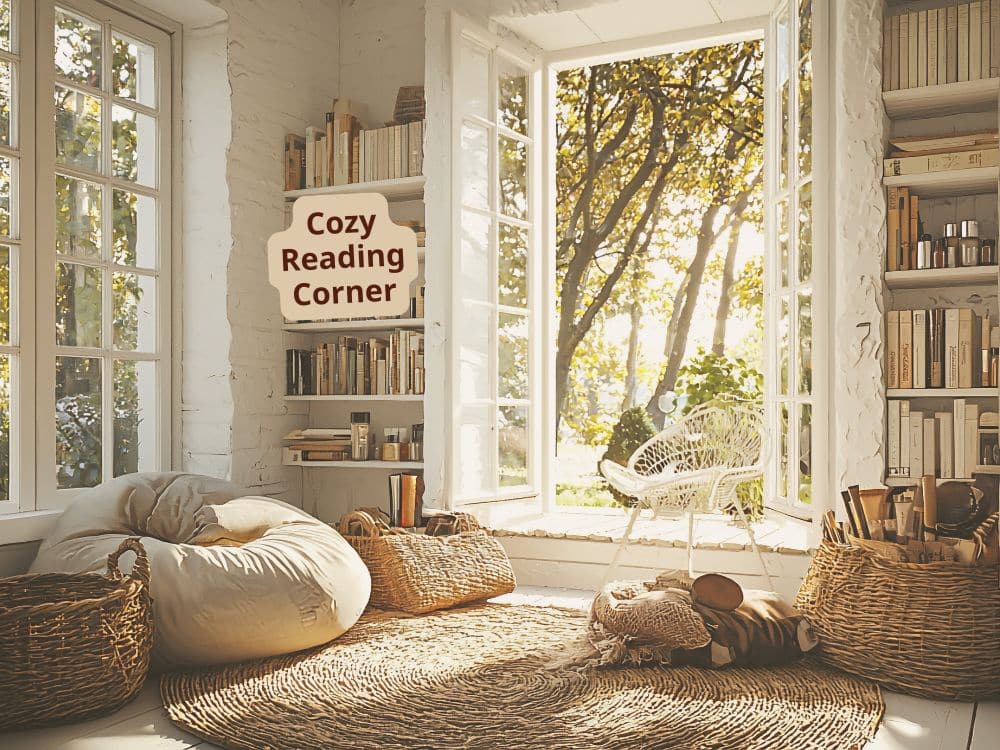
A cozy reading nook in small spaces does not need a spare room, built-in shelves, or oversized furniture. The right corner, a comfortable seat, warm reading light, and a few soft layers can turn even the smallest spot into a quiet place to slow down with a book.
This guide walks you through how to choose the best nook location, pick space-saving furniture, layer gentle lighting, and add storage without making your home feel crowded. If you are still deciding where the nook should go, start with an unused corner, a window area, or a wall gap that already feels calm. For more inspiration before you build, see these ideas for creating cozy corners at home.
- Find the best spot for a small reading nook without rearranging your whole room
- Choose compact furniture that adds comfort without blocking walkways
- Use warm lighting and soft textures to make the nook feel inviting
- Add smart storage so books, blankets, and small essentials stay tidy
The simplest way to build a cozy reading nook in a small space
If the nook is comfortable, well-lit, and easy to keep tidy, it is already working.
How to create a cozy reading nook in a small space
-
Measure the corner you want to use
Check the width, depth, walkway clearance, and nearest outlet before choosing any furniture. This prevents the nook from looking cozy in theory but feeling awkward in daily use.
-
Choose one main seat that fits the footprint
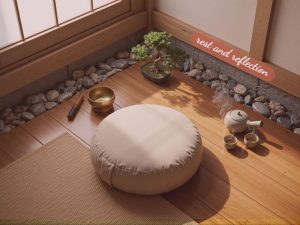
Pick a compact chair, floor pillow, or cushioned bench based on the actual space available. In a tiny room, one comfortable seat is better than several pieces that crowd the corner. If you prefer a low-profile setup that can be moved out of the way, japanese floor pillows can work well because they add soft seating without the footprint of a full chair.
-
Place the reading light where your book will be
Set the lamp or clip-on light so it points toward the page, not directly into your eyes. This makes the nook useful at night instead of relying only on overhead room lighting.
-
Add one reachable surface
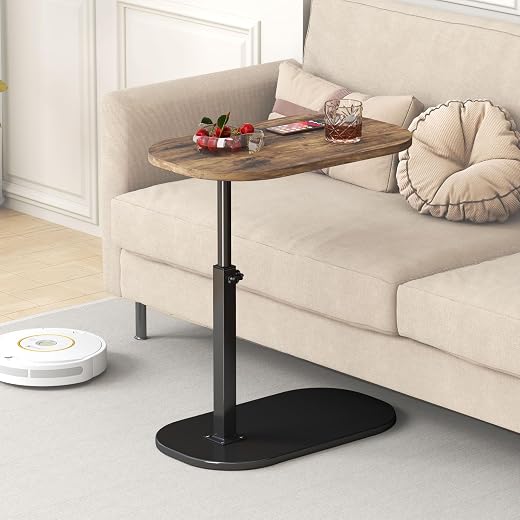
Use a C-shaped table, narrow shelf, stool, or window ledge for your book, tea, glasses, or Kindle. A small reading nook feels more complete when essentials are within arm’s reach.
-
Define the area without closing it off
Use a small rug, curtain, or nearby shelf to make the nook feel intentional. Soft boundaries help a cozy reading nook in small spaces feel separate without adding bulky dividers.
-
Contain books, blankets, and small clutter
Use floating shelves, a storage ottoman, or a woven basket so the nook stays easy to reset. The less visual clutter around the seat, the calmer the space will feel.
-
Finish with one soft layer
Add a throw blanket, pillow, or floor cushion only after the seat, light, and storage are working. This keeps the nook comfortable without turning it into a pile of decor.
Follow the order instead of buying everything at once: measure, seat, light, surface, boundary, storage, then softness.
In a small space, a reading nook works best when the basics come first: a usable seat, focused light, one small surface, and a simple way to keep books or blankets contained. Add cozy details only after the corner already feels comfortable enough to use.
Best essentials for a cozy reading nook in small spaces





Plan your small reading nook before you buy
Choose the right spot before buying anything
The right spot should be easy to reach, easy to light, and easy to keep clear.
Check the spot before you start styling
- Can you sit without blocking the walkway? Leave enough room to move past the nook comfortably. A chair, floor pillow, or side table should not make the rest of the room harder to use.
- Is there light or an outlet nearby? Natural light is helpful, but evening reading still needs a lamp, clip-on light, or accessible outlet.
- Can books and blankets stay contained? Look for space to add floating shelves, a basket, an ottoman, or a small side table so the nook does not collect loose clutter.
- Will you actually use this corner? Choose a spot that fits your real reading habit. If it feels awkward to reach or uncomfortable to sit in, it will stay decorative instead of useful.
If the spot fails two or more of these checks, choose a different corner before buying furniture.
Layout ideas for small reading nooks
Choose one layout that matches your actual room. Mixing every idea into one small corner can make the nook feel cluttered instead of cozy.
What to avoid when planning a small reading nook layout
- Do not block the walking path If a chair, table, or ottoman makes you squeeze past the nook every day, choose a smaller piece or move the setup closer to a wall.
- Do not use every seating idea at once Pick one main seat: a compact chair, floor pillow, bench, or ottoman. Too many seating options can make a small nook feel crowded instead of calm.
- Do not depend only on overhead lighting Overhead lighting can cast shadows and make the corner feel flat. A floor lamp or clip-on light gives the nook a clearer reading purpose.
- Do not turn shelves into clutter display Floating shelves should keep books nearby and a few small details visible. Leave some empty space so the nook feels restful, not busy.
A small reading nook layout usually works best with one seat, one light, one surface, and one storage solution.
The best nook is the one you can use without rearranging the room every time. If your home feels too tight for a dedicated reading spot, these interior hacks for compact homes can help you rethink narrow gaps, unused walls, and awkward corners before you buy more furniture.
Choose furniture, lighting, and storage that fit small spaces
Furniture that fits compact reading corners

Choose this as the main chair when you want a dedicated reading seat without adding a bulky armchair. In a cozy reading nook for small spaces, it creates one inviting place to unwind while keeping the layout open and easy to fit into bedrooms, dorm rooms, study corners, or compact living rooms.
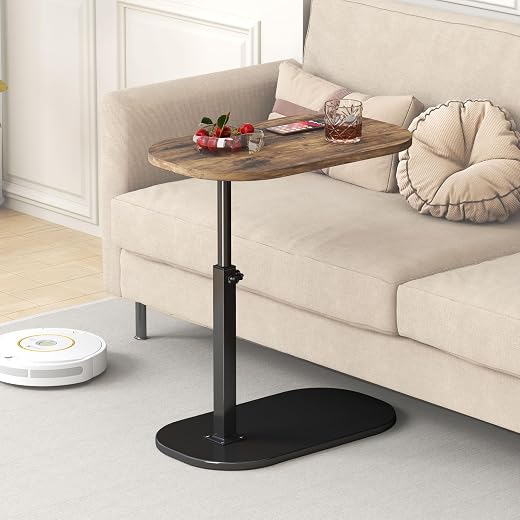
A C-shaped table is useful when the nook needs a place for a book, tea, glasses, or Kindle but cannot fit a full side table. The narrow profile slides easily beside a chair, sofa, bed, or window seat, giving the corner extra function without making it feel visually heavy.
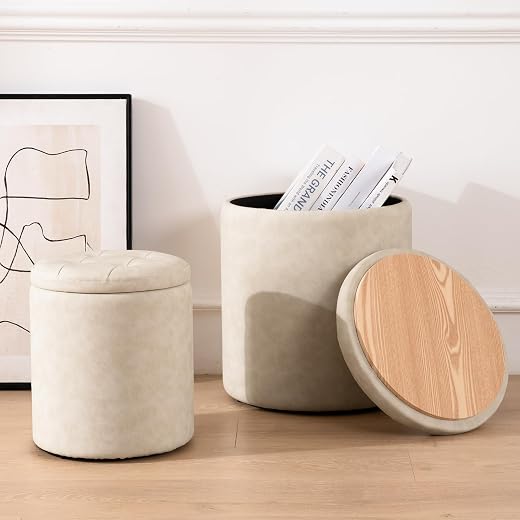
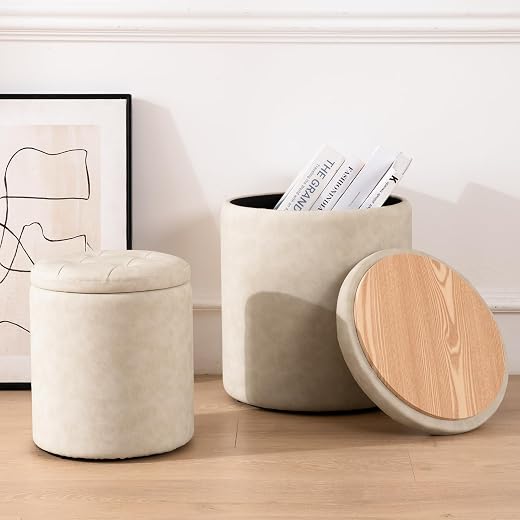
An ottoman works well in a reading nook that needs a footrest or an extra perch while still offering hidden storage for blankets, paperbacks, or small reading accessories. It fits especially well in bedrooms or shared living room corners where the space should feel cozy but still stay easy to tidy up.

A floor pillow makes more sense than a chair when the nook is narrow, low-profile, or built around a window, closet opening, or floor-level corner. It keeps the setup flexible and casual, especially for readers who are comfortable sitting low during shorter, relaxed reading sessions.
Lighting that feels warm, not harsh
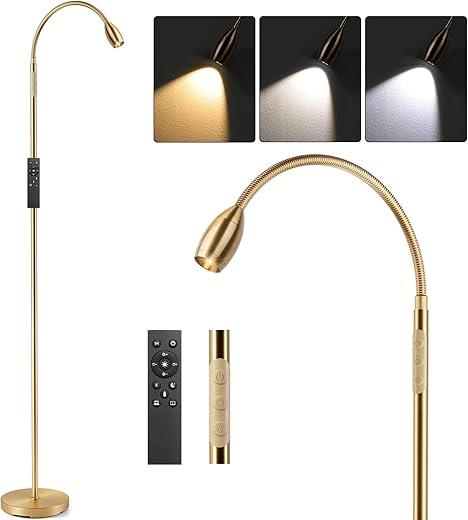
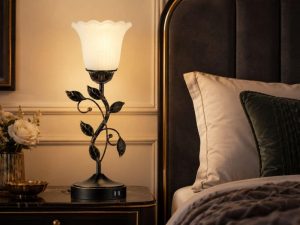
Floor lamps work best as the main reading light when the nook has enough space beside a chair, ottoman, or small side table. Their role is to provide focused task lighting that makes nighttime reading more comfortable without relying entirely on overhead room light.

Clip-on reading lights are useful when the nook is too tight for a floor lamp or table lamp. They attach easily to a shelf, headboard, closet edge, or small desk area, providing focused light for reading without taking up floor or tabletop space.
Overhead lighting can make a reading corner look bright while still casting shadows across the page. If you read at night, add a focused lamp or clip-on light near your actual seating position. For a deeper guide, see these tips on the best lighting for reading at night without eye strain.
Textures and storage that keep the nook cozy

Use this as the main soft layer after the chair and reading light are already in place. A throw blanket makes the nook feel warmer without changing the layout, but it works best when you keep it intentional instead of piling on too many textiles.
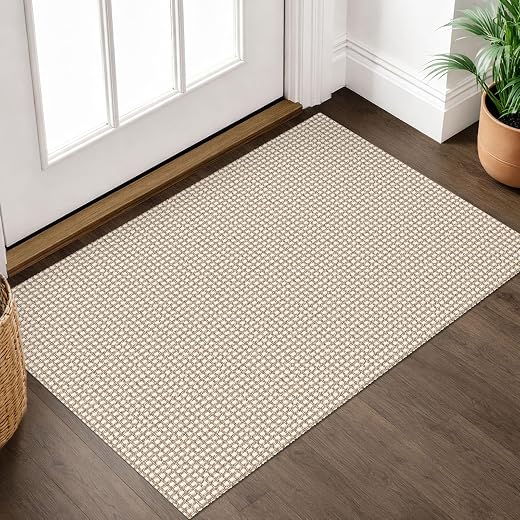
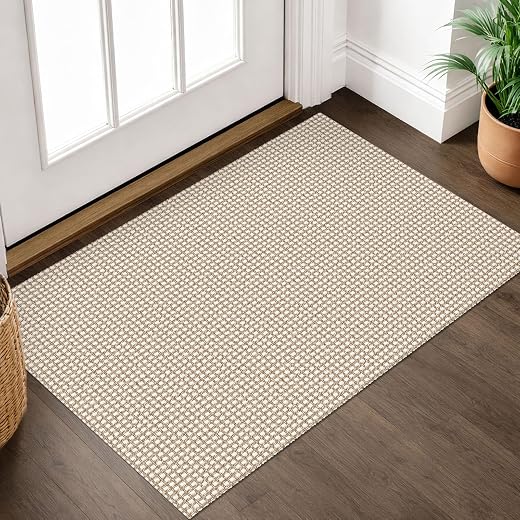
Small rugs help visually define the reading spot without needing a divider or screen. They work especially well in open bedroom or living room corners where the nook should feel intentional while still staying light, open, and easy to move around.

Floating shelves are useful when the nook needs book storage but does not have enough room for a full bookcase. They fit especially well beside or above the reading seat, keeping current reads within reach while leaving the floor area open.

Woven baskets help keep blankets, magazines, or extra pillows organized near the nook without making the space feel cluttered. They are especially practical in shared spaces where the reading corner should stay cozy but still look easy to reset and maintain.
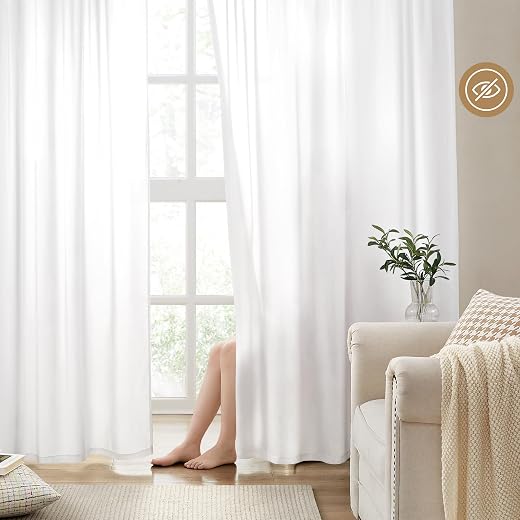
Use these when a window nook needs softer light or more privacy without feeling closed in. Semi sheer curtains are most useful when natural light is part of the appeal, but direct glare or exposure makes the spot less relaxing.
How to choose the right reading nook essentials
After you choose the main nook essentials, add only the small items that support your real reading routine, such as a bookmark, book light, blanket, or simple place to keep your current read. For more useful ideas beyond the nook setup itself, see these must-haves for book lovers.
Your small corner can become a place you return to
A cozy reading nook in small spaces works best when it is simple, useful, and easy to keep calm. Choose the spot first, add a seat and focused light, then finish with only the textures and storage that help you read more comfortably.