What makes a home feel cozy is not one decor style, one color palette, or one perfect shopping list. A cozy home feels warm, settled, soft, usable, and personal because the room supports how you actually live in it.
If your home looks clean and styled but still feels cold at night, the problem is usually practical: harsh lighting, too many hard surfaces, furniture that does not gather people, or everyday clutter with nowhere to go. This guide helps you diagnose what is missing first, then choose the smallest fix that changes the room the most.
- A quick answer to what makes a home feel cozy
- A 2-minute cozy home check you can use tonight
- Where lighting, texture, layout, and storage each fit
- Product suggestions placed only where they solve a real problem
What Actually Makes a Home Feel Cozy
- Warm, layered lighting Cozy rooms rarely rely on one bright ceiling light. They use lower lamps, softer bulbs, and more than one pool of light so the room feels calmer after sunset.
- Texture you can feel Rugs, throws, fuller pillows, fabric shades, wood, cotton, and woven materials help your body read the space as comfortable, not just decorated.
- A gathered layout A room feels cozier when there is one clear place to sit, talk, read, or rest. The best zones usually combine seating, a rug, light, and a surface within reach.
- Calm storage Cozy does not mean crowded. Baskets, trays, and closed storage lower visual noise while keeping everyday comfort items close.
- Lived-in details Books, blankets, soft lighting, personal objects, and useful items make a home feel human. The goal is warm and intentional, not showroom perfect.
The 2-Minute Cozy Home Check
- 01Check the lighting
At night, do you have at least two light sources besides the ceiling light? Is one lamp low and close to where people sit? Does the light feel warm instead of stark?
- 02Check the floor and rug
Does the main seating area feel grounded, or does the furniture look like it is floating? If the floor feels cold, echoey, or empty, the room may need a larger rug or a better rug placement.
- 03Check the sofa or bed softness
Is there a throw, fuller pillow, or soft layer you would actually reach for? Cozy texture should be usable, not just staged for photos.
- 04Check the layout
Can people talk easily? Is there a clear place to settle? A cozy room usually has one anchored zone instead of furniture spread around the edges.
- 05Check visual clutter
Are small everyday items grouped, stored, or contained? A room can be warm and still feel busy if the eye has nowhere to rest.
- 06Check the lived-in layer
Does the space show how you rest, read, gather, or wind down? A home feels cozier when comfort is visible and useful.
Start with the weakest area. If the room feels cold only after sunset, fix lighting before buying more decor.
Warm, Layered Lighting
What Cozy Lighting Needs
- Low light sources near seatingA cozy room needs light close to where people actually sit, read, talk, or wind down.Look forFloor lamps, table lamps, bedside lamps, or task lights near the main seatAvoidUsing only recessed lights or one bright overhead fixture
- Warm evening lightWarm light helps the room feel softer and more restful after sunset.Look forWarm bulbs, fabric shades, and lamps that diffuse lightAvoidCool, bluish, clinical light in living rooms and bedrooms at night
- More than one pool of lightTwo or three gentle light zones create depth and make the room feel alive.Look forOne lamp near the main seat and another light across the roomAvoidOne bright spot that leaves the rest of the room flat or shadowy
- Control over moodCozy lighting is adjustable. You should not be stuck with only bright or dark.Look forDimmers, multiple switches, adjustable lamps, or different lamp typesAvoidOn/off-only lighting that cannot shift from daytime to evening
Start with a floor lamp if the room feels cold after sunset
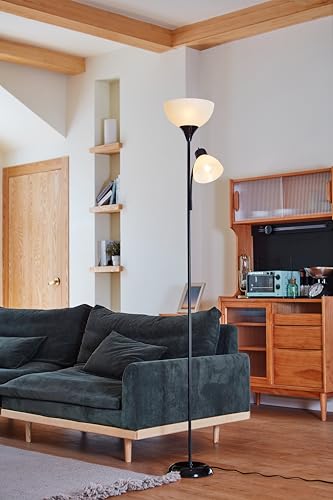

Use a floor lamp when the room feels flat or exposed at night. Place it near a sofa, reading chair, or dark corner so the room has a warmer pool of light instead of relying only on overhead fixtures.
Soften a dark corner with a small table lamp

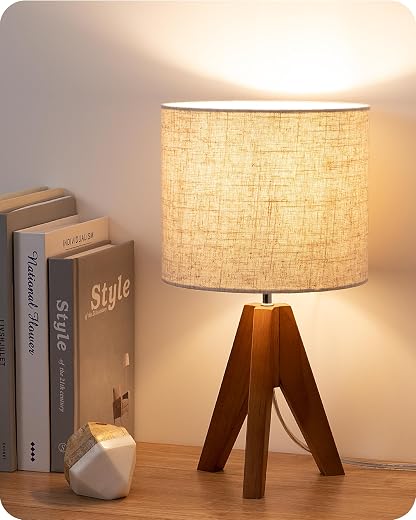
A small table lamp works best as a secondary light source. Put it on a side table, shelf, nightstand, or console so the room has depth instead of one flat layer of brightness.
Add task light where you read, work, or wind down

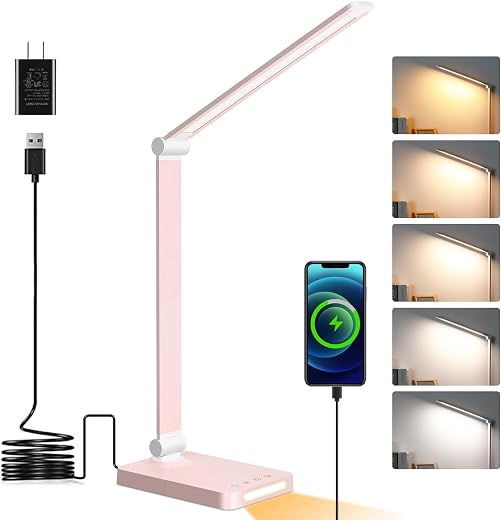
Task lighting keeps a cozy room usable. Use it where you read, journal, study, or work so the rest of the room can stay softly lit instead of switching back to bright ceiling light.
If your cozy spot is mainly for books, journaling, or evening wind-down, task lighting matters more than a decorative lamp alone. See this guide to best lighting for reading at night without eye strain before choosing the lamp placement.
Soft Texture You Can Actually Feel
Where Texture Matters Most
- Underfoot softnessThe floor has a huge effect on how warm or cold a room feels. A rug can quiet the room, soften hard surfaces, and define the main zone.Look forA rug large enough to connect the main seating areaAvoidA tiny rug that only sits under the coffee table
- Reachable softnessA throw works because it is both visual and usable. It should invite someone to sit down, not just decorate the back of a sofa.Look forSoft fabric, easy care, and enough weight to feel comfortingAvoidScratchy, stiff, or delicate throws nobody actually uses
- Fuller comfort layersPillows and inserts can make a sofa or bed look more inviting, but they work best after lighting and rug scale are handled.Look forPillows that look full and feel supportiveAvoidFlat inserts or too many decorative pillows that make seating harder to use
- Natural or woven materialsWood, cotton, linen, wool-like textures, baskets, and woven details add warmth without needing extra clutter.Look forA mix of soft, matte, woven, and natural-looking surfacesAvoidA room made mostly of shiny, slick, or hard finishes
Make the sofa feel easier to sink into
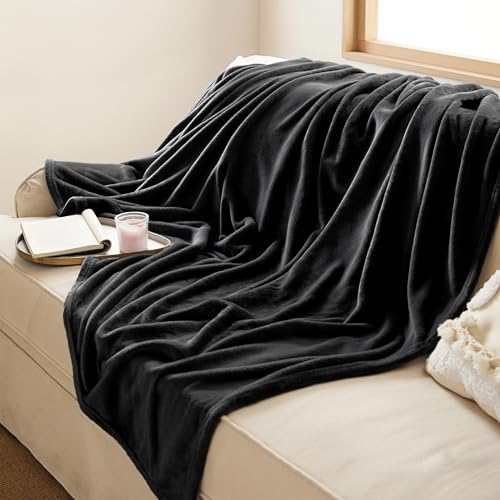

A throw is one of the quickest ways to make a sofa, chair, or bed feel more inviting. Keep it within reach instead of folding it too perfectly, so it reads as everyday comfort rather than display decor.
Refresh flat pillows before buying new covers
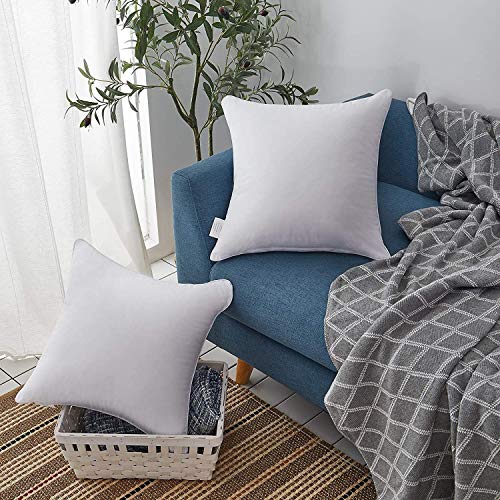
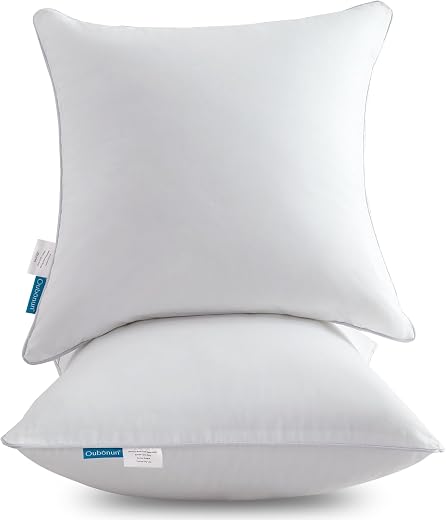
Fuller pillow inserts can make a sofa or bed feel more generous without changing the entire room. This is a finishing layer, best after the room already has decent lighting, rug scale, and usable softness.
A Layout That Feels Gathered
How to Create a Cozy Zone
-
Pull seating inward
Avoid pushing every piece of furniture to the wall. Even moving a sofa or chair in by a few inches can make the room feel more intentional.
-
Anchor the zone with a rug
The rug should visually connect the main seat and nearby chairs. If the rug only floats under the coffee table, the room can still feel unanchored.
-
Add light near the main seat
The best seat should have a lamp close enough to support reading, talking, or relaxing without turning on the ceiling light.
-
Keep a surface within reach
A side table, coffee table, tray, or small stool makes the seat feel usable for a mug, book, phone, or candle.
-
Create a comfort triangle
The most inviting spot usually has three things working together: light, softness, and a place to set something down.
Layout does not always require buying more. Sometimes the biggest cozy shift is moving furniture closer together and giving the room one clear center.
Ground the seating area with a larger rug

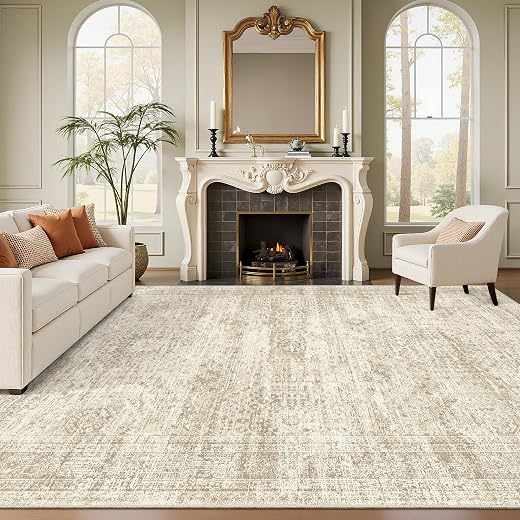
A larger rug helps turn separate furniture pieces into one settled zone. Use it to connect the sofa, chairs, and table so the room feels gathered instead of floating.
If the whole room feels overwhelming, start with one seat. Build a small comfort triangle with light, softness, and a surface nearby. For a deeper walkthrough, see this guide to create a cozy corner at home.
Calm Storage and Lived-In Details
How to Make Storage Feel Cozy
- Group small everyday items Trays, baskets, bowls, and containers make useful things feel intentional instead of scattered.
- Keep comfort visible A blanket, a book, or a pillow can make a room feel lived-in when it is placed where someone would actually use it.
- Hide visual noise If every surface is busy, the room will feel restless even when it is clean.
- Use woven or soft materials Storage can add warmth when it brings texture into the room, especially in spaces with many hard surfaces.
- Leave breathing room Cozy does not mean filling every corner. A few warm layers work better than too many small decorations.
Calm everyday clutter with woven storage


Woven storage baskets can keep blankets, toys, pet items, and everyday clutter together while adding a softer texture to shelves, corners, and other hard surfaces.
If you are working with a small budget, do not spread money across random accessories. Start with the weakest part of the room: lighting, rug scale, texture, or storage. For a step-by-step spending order, use this guide to make a cozy home on a budget.
Common Mistakes That Make a Home Feel Less Cozy
More objects can make a room feel busy instead of warm.
If the eye has nowhere to rest, the body does not fully rest either. Cozy rooms usually have fewer, better layers: warm light, soft texture, and a clear place to sit.
Color helps, but lighting and layout usually matter more at night.
A warm paint color can still feel cold under harsh overhead lighting. Fix the evening light before judging the whole room.
A too-small rug can make furniture feel more disconnected.
The rug should help define a zone. If it only sits under the coffee table, it may read like decor on the floor instead of a room anchor.
Soft layers help, but they cannot fix harsh lighting or a scattered layout.
If the room feels cold only at night, the real issue is probably light. If it feels empty, the issue may be layout or rug scale.
Clean can still feel sterile if there is no softness, warmth, or personal layer.
A cozy home needs both order and comfort. The best rooms feel calm, but still lived in.
Room-by-Room Cozy Fixes
-
Living room
Create two pools of warm light, use a rug large enough to connect the seating, and keep one throw within reach of the main seat.
-
Bedroom
Use soft bedside lighting, fuller pillows, a throw or quilt layer, and a rug where your feet land first in the morning.
-
Dining area
Keep the main pendant if you like it, but soften the room with a side glow nearby so the table does not feel like a stage. For a low dining area, you can also soften the table zone with Japanese dining pillows that add comfort, texture, and a calmer place to sit.
-
Entryway
Use one small warm light, one basket or tray for visual order, and one personal detail that makes the home feel welcoming immediately.
-
Reading corner
Combine a task light, soft seat, small table, and throw. This is the easiest place to build a cozy zone before tackling the whole room.
Do not try to fix every room at once. Start with the room you use most at night.
FAQ
What makes a space feel cozy?
A space feels cozy when it has a clear place to settle, softer surfaces, and lighting that feels warm rather than harsh. Rugs, lamps, throws, pillows, and useful storage all help when they solve a real comfort problem instead of adding clutter.
How can lighting make a room feel cozier?
Lighting changes the mood of a room faster than almost anything else. Use lamps near seating, warm bulbs, and more than one pool of light so the room glows from different areas instead of feeling flat under one ceiling fixture.
How do you make a room feel cozy without clutter?
Use fewer, larger comfort layers instead of many small decorations. A properly sized rug, one usable throw, fuller pillows, and a basket for everyday items can make the room feel warm while keeping surfaces calm.
How do you make a large room feel cozy?
Do not try to fill the whole room evenly. Create one anchored zone with seating, a rug, a lamp, and a surface within reach. Once that zone feels settled, the larger room will feel less empty.
What colors make a room feel cozy?
Warm neutrals, soft browns, muted greens, warm whites, terracotta, and deep earthy tones can help a room feel cozier. But color works best after the lighting is right. Even a warm color palette can feel cold under harsh light.
How do I make my home feel cozy on a budget?
Start with the smallest fix that addresses the biggest problem. Add a warm lamp if the room feels cold at night, use a larger rug if the furniture feels scattered, or add baskets if clutter makes the room feel busy. You do not need to redo the whole room.
Final Takeaway
- Fix lighting before buying more decor
- Use rugs and throws for physical warmth
- Create one anchored zone in each main room
- Keep comfort visible but clutter controlled
What makes a home feel cozy is the way the room supports comfort: warm light, soft texture, a gathered layout, calm storage, and personal details that make the space feel lived in. That comfort also includes recognizing when pests need professional attention, because a room cannot feel settled while safety or hidden damage remains uncertain. Start with the problem you actually feel first, then make one small fix at a time.