You start Sunday hoping it will help you reset. But by the end of the day, your mind still feels crowded, your home feels slightly off, and Monday already seems too close.
That in-between feeling is what makes Sundays hard for so many people. You are not fully resting, but you are not truly preparing either. That tension is often part of why most self-care routines don’t last — they look helpful on paper, but do not always support the moment you are actually in. So the weekend slips away without giving you the calm you needed.
That is where a few gentle Sunday rituals can help. Not to make you more productive, but to help you feel steadier, lighter, and a little more ready for the week ahead.
- What makes a Sunday ritual actually calming
- Nine small Sunday rituals that reduce Monday friction
- How to choose optional tools without turning Sunday into a shopping list
The calmer Sunday reset, in short
- Start with one visible reset Choose one small area you will see on Monday morning, such as your desk, kitchen counter, entryway, or nightstand.
- Prepare one weekday friction point Focus on the thing most likely to make Monday harder: clothes, food, your calendar, devices, or unfinished errands.
- Get open loops out of your head A quick brain dump can make your Sunday feel lighter because your mind is no longer trying to hold every reminder at once.
- Create a real wind-down cue Use softer light, tea, reading, stretching, or a screen boundary to help Sunday evening feel like a transition instead of a countdown.
- Keep the ritual small enough to repeat The best Sunday rituals are not impressive. They are simple enough that you can actually come back to them next week.
You do not need to do all nine rituals every Sunday. Pick the ones that solve your real week-ahead pressure.
A Sunday reset should make the week feel easier, not make Sunday feel like another workday. Choose two or three Sunday rituals that remove real friction, then leave enough space to actually rest.
How these Sunday rituals were chosen
The best Sunday reset routine is not the longest one. These rituals were chosen because they help you prepare for the week without turning Sunday into another demanding day.
Each ritual can be done without turning Sunday into a full chore day or productivity sprint.
Every idea removes a real source of Monday friction, such as clutter, laundry, meals, planning, or unfinished thoughts.
A calmer weekly routine works best when it is simple enough to come back to next Sunday.
The goal is to feel steadier before the week starts, not to fill every quiet hour with more tasks.
Use these criteria to choose the rituals that fit your real Sunday, not an ideal version of it.
A calmer Sunday reset should meet you where you are. On lower-energy weekends, it may look more like healing in small moments. And if your evenings feel tense, the same principles behind after-work rituals to help your nervous system settle can help you build a softer Sunday transition.
9 Sunday rituals to prepare for a calmer week
- Reset one visible space before Monday
Choose one small area you will see on Monday morning: your kitchen counter, desk, entryway, bathroom counter, or nightstand. A calmer Sunday reset starts with one visible win, not a full-home cleaning session.
- Wash what will make Monday easier
Do not turn Sunday into a full laundry day unless you want to. Focus on the pieces that remove Monday friction: work clothes, school clothes, towels, bedding, or the outfit you always reach for when you are tired.
- Prep one simple weekday meal
Meal prep does not have to mean cooking for the entire week. Prepare one breakfast, lunch base, chopped ingredient, or leftover-friendly meal that will make the first busy day easier.
- Look at the week ahead without over-planning
Check appointments, deadlines, errands, school events, and the days that may need extra margin. The goal is awareness, not filling every open space on your calendar.
- Empty your head onto paper
Write down open loops, reminders, worries, errands, and small decisions so your brain does not have to carry them into Monday. Then choose only the items that truly need action this week.
- Clear your digital edges
Charge your devices, close unnecessary tabs, clear small notifications, and put chargers or cables back where they belong. A small digital reset can make Monday feel less scattered.
- Take a quiet walk or step outside
A short walk, a few minutes on the porch, or fresh air after dinner can help Sunday feel less stuck between weekend mode and Monday mode. Keep it easy enough that it feels like a transition, not a workout.
- Choose one small act of care
Pick something specific and realistic: a shower, skincare, stretching, fresh sheets, ten minutes with a book, or preparing something comforting for later. Small care works better than a routine you secretly dread.
- Start winding down before the day is over
Make Sunday evening feel different from the rest of the day with softer lighting, a warm drink, fewer screens, or a consistent bedtime cue. The point is to stop treating rest like something that only happens after everything else is finished.
Pick two or three rituals that match your real week. A smaller Sunday reset you can repeat is more useful than a perfect routine you abandon.
The walk does not need to be optimized, tracked, or turned into a workout. It only needs to create a real transition point in the day, which is why the healing power of a nature walk fits naturally into a slower Sunday reset.
A Sunday reset for the time and energy you actually have
If your Sunday reset leaves you tired, it is too big. A calmer Sunday routine should give you more breathing room for the week ahead, not make the weekend feel like another list of unfinished chores.
Optional tools that make Sunday rituals easier
A good Sunday reset tool should solve one small problem: clutter, laundry, food prep, planning, digital mess, or winding down. If it does not make a weekly ritual easier, skip it.
For resetting one visible space
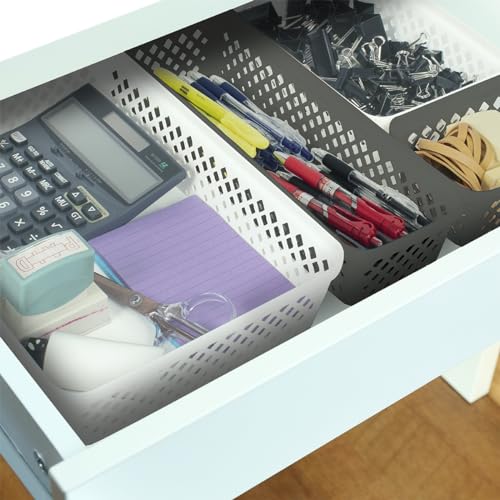

Use this as a simple catch-all system for one visible area instead of trying to organize the whole home. It fits best into a calmer Sunday reset when you use it for a bathroom counter, desk drawer, pantry shelf, entryway, or nightstand.
For making Monday laundry easier


A freestanding hamper gives laundry a clear place to land before the week starts. It is most useful if your Sunday reset includes sorting work clothes, kids’ clothes, towels, bedding, or anything you want ready before Monday morning.
For prepping one simple weekday meal


This set fits a low-pressure Sunday reset because the mixed sizes work for leftovers, pre-cut produce, breakfast items, or one easy lunch base. It is useful when your goal is not a full meal-prep system, but one less food decision during the week.
For seeing the week clearly
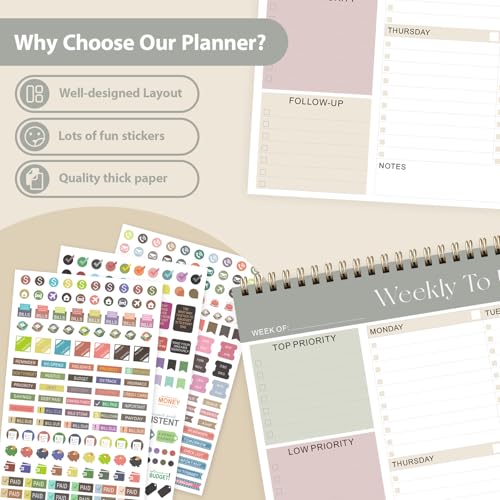

This kind of undated weekly notepad is useful when you want a simple overview without committing to a full planner system. Use it to mark the busiest days, choose meals, move non-urgent tasks out of your head, and prepare for the week with less mental clutter.
For clearing mental clutter


This is the most relevant tool if your Sunday stress is mostly mental. Use it for a five-minute sweep of everything on your mind, then move only the truly important items into your weekly plan.
For reducing digital clutter
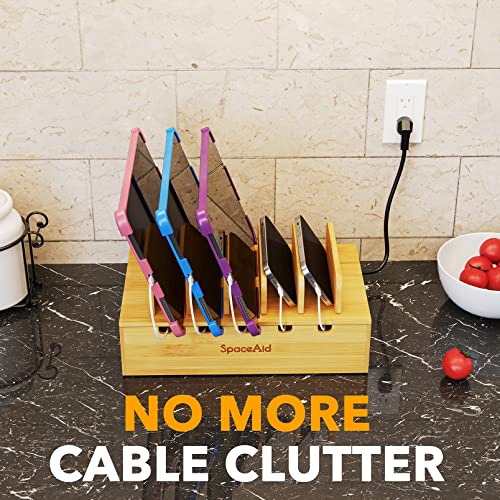

A charging station is helpful if your nightstand or desk collects phones, tablets, chargers, and cords. Use it as part of a Sunday device reset so your essentials are charged, visible, and easier to find on Monday morning.
For softer evening light


This lamp fits the wind-down part of a Sunday reset because it gives you softer bedside lighting while also keeping charging ports close by. Use it as an evening cue, not as a promise of better sleep.
For a simple Sunday night cue


A cup of herbal tea can make the end of Sunday feel more intentional. Treat it as a small wind-down ritual, not as a fix for stress, sleep, or anxiety.
How to choose Sunday reset tools without overbuying
- Choose tools that remove frictionA good Sunday reset tool should make one weekly ritual easier to repeat, not simply make the routine look more aesthetic.Look forItems that solve a recurring problem such as clutter, laundry, food prep, planning, digital mess, or winding downAvoidBuying something because it looks like part of an ideal routine you do not actually want to maintain
- Match each tool to one real problemBefore buying anything, name the exact job it will do in your Sunday ritual. A basket contains clutter, a planner gives you a weekly view, and containers make simple meal prep easier.Look forA clear use case you can explain in one sentenceAvoidVague self-care purchases with no role in your week
- Keep the setup visible and easy to reachThe easier a tool is to access, the more likely you are to use it. Store the item where the ritual actually happens: planner on the desk, basket near the clutter zone, containers in the kitchen, lamp by the bed.Look forTools that can live in the place where you will use themAvoidProducts that need extra setup every Sunday
- Do not buy duplicatesOne useful notebook, one simple organizing system, or one flexible food storage set is usually enough. Use what you already own before adding more Sunday reset tools.Look forVersatile basics that support more than one weekAvoidMultiple products serving the same ritual
A calmer week starts with a smaller Sunday
- Start with one visible or practical reset.
- Get one open loop out of your head.
- Prepare one thing that usually makes Monday harder.
- End Sunday with a cue that helps you slow down.
A Sunday reset works best when it feels supportive, not impressive. You do not need to clean the whole house, plan every detail, or buy a new routine to prepare for the week ahead.
Choose the Sunday rituals that remove the most pressure from your real Monday. One practical reset, one mental reset, and one small wind-down cue can be enough to make the week feel lighter before it even begins.