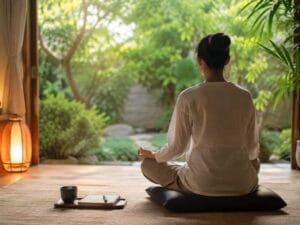
Long Vipassana sits often become difficult when the body starts sending stronger signals than the mind expected. Tingling, heaviness, or numb legs usually point to pressure and setup – not a failure of discipline.
This guide explains why numbness can happen during long sits, how to read the pattern, and how to adjust your seat, leg angle, and support so the body can stay quieter for longer. If you are also comparing options, the real question is not only finding the best meditation cushion for Vipassana, but whether the whole setup still supports your body after twenty or forty minutes.
- Why legs can go numb even when you use a meditation cushion
- How to tell whether the issue is foot pressure, knee load, hip height, or uneven weight
- How to set up your seat so pressure does not build as quickly
- When to change posture instead of forcing the same position longer
- It is usually mechanical Numbness often comes from pressure, compression, and stillness – not from being bad at meditation.
- The hips should carry the body If the knees, ankles, feet, or outer thighs feel loaded from the start, the posture is probably asking too much from the legs.
- A cushion is not a complete fix A cushion can raise the hips, but it cannot automatically solve unsupported knees, trapped feet, or an unsuitable leg position.
- Repeated numbness deserves adjustment Some sensation may be part of sitting, but numbness that returns in the same place usually means the setup needs to change.
Start with the body mechanics first. Product choice only matters after you understand what your posture is asking the cushion to do.
If numbness is sudden, severe, one-sided, linked with weakness, spreading pain, loss of control, or does not ease after changing position, stop the sit and seek medical advice. This article is about common posture-related numbness during sitting, not diagnosing medical conditions.
Why Legs Go Numb During Long Vipassana Sits
Instead of asking, “Why am I so bad at sitting?” ask, “Where is the pressure going, and what is this setup asking my body to tolerate for too long?” If you are still unsure what height, firmness, and support actually matter, start with how to choose a meditation cushion before assuming you simply need to push through discomfort.
Read the Numbness Pattern First
-
If your feet go numb first
Check whether the feet are tucked too tightly or the ankles are folded at a sharp angle. Give the feet more space and avoid pressing the top of the foot hard into the floor.
-
If one leg goes numb more than the other
Look for uneven weight through the hips. You may be leaning slightly to one side without noticing it. Before settling into stillness, rebalance so both sitting bones feel more evenly grounded.
-
If both legs go numb after 15 to 20 minutes
The seat may be too low, too soft, or unstable once the body settles. Raise the hips slightly or use firmer support so the pelvis can keep carrying more of the body’s weight. If you are not sure how much lift is enough, use this meditation cushion height guide for beginners as the next reference.
-
If your knees feel loaded
The leg position may be asking too much from the hips, or the knees may need more support. Change the leg angle and avoid forcing the knees downward. If knee pressure keeps returning, compare meditation bench vs cushion options instead of only adding more padding.
-
If a cushion only helps a little
The issue may be the whole setup, not the cushion alone. Seat height, floor padding, leg angle, and posture choice all affect how much pressure the legs must tolerate.
Start with the smallest adjustment that matches the pattern. Changing everything at once makes it harder to know what actually helped.
Set Up the Seat So Pressure Does Not Build
- Start with where the weight is landing
Before settling into stillness, notice whether the body’s weight is resting mainly on the sitting bones. If the knees, ankles, feet, or outer thighs already feel loaded, the position is asking too much from the legs.
- Raise the hips enough to support the pelvis
The hips usually need to sit slightly higher than the knees. This helps the pelvis stay more stable instead of rolling backward and sending pressure into the thighs and lower legs.
- Choose firmness before softness
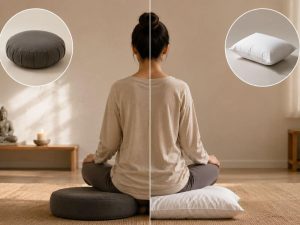
A cushion that feels soft at first can still fail during a long sit if it compresses too much. For longer Vipassana sits, stable height often matters more than a cozy first impression. If you are using a soft household pillow as your seat, this regular pillow vs cushion for long sitting guide explains why compression can still lead to pressure later in the sit.
- Give the knees and ankles space
Do not force the legs into a narrow or impressive-looking shape. Tightly tucked feet, sharp ankle angles, or knees pushed downward can all create pressure that becomes numbness later. If you are tempted to hold the legs in place with a strap, this guide to meditation knee straps for long sitting explains when that support may help and when it may hide the real pressure problem.
- Use floor support for contact points
The seat cushion helps hip angle. The floor layer protects the knees, ankles, shins, and feet from hard pressure. If you are deciding whether you need one piece or both, this guide to zafu vs zabuton explains why hip elevation and floor cushioning solve different problems.
- Let the body settle, then check again
Do not judge the setup in the first second. Take a few quiet breaths, let the body drop into the position, and then notice whether pressure is still moving mostly into the pelvis or already collecting in the legs. If you are testing this before a retreat, use a broader Vipassana retreat preparation guide to check sitting comfort alongside sleep, packing, home logistics, and re-entry planning.
Make one change at a time. If you change height, leg angle, cushion firmness, and floor padding all at once, it becomes harder to know what actually helped. If you are adjusting your setup before a retreat, separate posture experiments from what to bring to a 10-day Vipassana retreat so your packing list does not become another source of pressure.
A meditation cushion can raise the hips, but it does not automatically protect the knees, ankles, or feet. Think of the setup as a system: the seat supports the pelvis, the floor layer softens contact points, and the posture decides how much pressure the legs must tolerate. If you are not sure what a zabuton is, the short version is that it protects the contact points under the lower body rather than replacing the seat cushion.
When to Change Posture Instead of Enduring Longer
- The same area goes numb every sit If numbness predictably returns in the same foot, knee, or leg, the position may be recreating the same compression pattern. At that point, compare the best sitting positions for meditation when your legs go numb instead of repeating the same shape.
- You need constant correction If you cannot settle without repeatedly adjusting the legs, the posture may not be stable enough for long stillness yet.
- Knee or ankle pressure keeps escalating Joint pressure that gets sharper over time is different from ordinary meditation discomfort and should not be romanticized.
- A different posture gives cleaner stillness Using a bench, chair, or modified leg position is not a failure if it lets the body become quiet enough for practice.
For Vipassana, the point is not to win a posture contest. A sustainable position that supports awareness is usually more useful than a traditional-looking position that keeps turning the body into the main object of struggle. If you are trying to make practice easier to return to, this guide to simple daily rituals for a calmer life can help you build the habit around the setup.
Helpful Support Options for Longer Vipassana Sits
Firm Meditation Cushion or Zafu
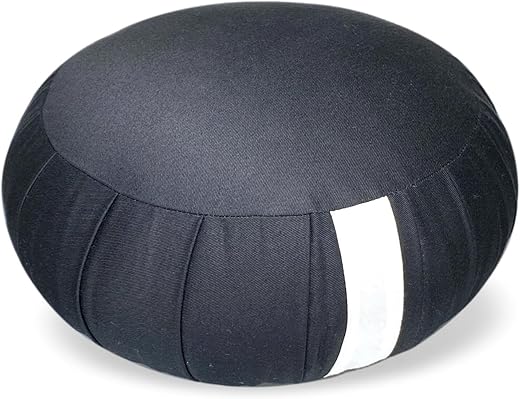
Authentic handcrafted Japanese Zafu cushion filled with natural kapok fiber provides firm, balanced support for comfortable mindful sitting. Designed to encourage proper posture and calm focus, it’s perfect for meditation, yoga, reading, or quiet reflection.

Ergonomic meditation cushion available in multiple colors and sizes, filled with natural buckwheat hulls for balanced support and lasting comfort. Featuring an adjustable design, washable cotton cover, and convenient carry handle, it’s perfect for meditation, yoga, or everyday relaxation.
Zabuton or Floor Meditation Mat

Complete Zafu and Zabuton meditation set designed to support proper spine alignment and reduce pressure on hips, knees, and ankles for longer, more comfortable sessions. Made with natural cotton and organic buckwheat hulls, it offers adjustable, durable support with easy-to-clean removable covers.
Meditation Bench

Folding meditation bench crafted from sustainable bamboo helps support proper spine alignment while reducing pressure on hips and knees. Lightweight, portable, and easy to store, it’s ideal for comfortable meditation, prayer, or mindfulness practice anywhere.
Choose support based on the numbness pattern, not on softness alone. A cushion helps hip height, a zabuton protects floor contact points, and a bench changes the posture when cross-legged sitting keeps creating pressure.
What to Expect From Numbness During Vipassana
Ordinary sensation may ask for patience. Repeated numbness, escalating joint pressure, or a pattern that returns in the same place sit after sit usually asks for a better setup.
A Simple Checklist Before Your Next Long Sit
-
Your hips are slightly higher than your knees
If the hips sit too low, pressure often drifts into the thighs, knees, and lower legs as the sit continues.
-
Your weight rests mainly on the sitting bones
If the knees, ankles, or outer thighs already feel loaded at the start, the posture is likely too expensive to hold for long.
-
Your knees and ankles do not feel sharp pressure right away
Sharp contact points rarely improve with more stillness. They usually become louder.
-
Your legs are not folded tighter than necessary
A posture that looks neat is not always a posture that preserves circulation well.
-
The setup still feels supportive after a few quiet breaths
Let the body settle briefly, then notice where the pressure is going before committing to stillness.
-
You know what each part of the setup is doing
The seat should help the hips. The floor layer should protect the knees, ankles, shins, and feet. For that exact seat-and-floor relationship, review how to set up a zafu and zabuton before your next long sit.
-
You have a fallback option
If the same area keeps going numb sit after sit, plan to change the setup or posture instead of repeating the same compression.
This check is not about becoming fussy. It is about removing avoidable friction before stillness begins.
FAQ
Is it normal for legs to go numb during Vipassana?
Some sensation is common during long still sits, but steadily increasing numbness should not automatically be treated as part of the practice. If it keeps building in the same area, it usually points to pressure, poor support, or a posture that is too costly for the body to hold.
Should I keep sitting if my legs go numb?
Use the pattern as information. Mild, changing sensation may be workable, but numbness that grows stronger, becomes painful, or does not ease after changing position deserves adjustment. If the numbness is sudden, severe, one-sided, or linked with weakness, seek medical advice.
Why do my legs still go numb even with a meditation cushion?
A cushion can raise the hips, but it cannot fix everything by itself. If the cushion is too low, too soft, or unstable after the body settles, pressure can still drift into the legs. Unsupported knees, trapped feet, and a hard floor can also keep causing numbness.
Is a zabuton necessary for long Vipassana sits?
Not always, but it can help if hard floor contact creates pressure under the knees, ankles, shins, or feet. A zafu or seat cushion mainly changes hip height. A zabuton or floor layer mainly protects contact points under the lower body.
Is a meditation bench better than a cushion for numb legs?
Neither is automatically better for everyone. A cushion can work well when the hips can carry the weight and the legs are not compressed too much. A bench may work better when cross-legged sitting keeps loading the knees, ankles, or feet despite careful adjustment.
Sit Longer by Reducing Avoidable Pressure
- Read the numbness pattern before changing everything
- Prioritize hip height, stable firmness, and even weight distribution
- Use floor support for knees, ankles, shins, and feet
- Change posture when the same compression keeps returning
Numb legs during Vipassana are not always a sign that you need more discipline. Very often, they are a sign that the setup is asking too much from the legs while the hips, cushion, floor layer, or posture are not doing enough support work.