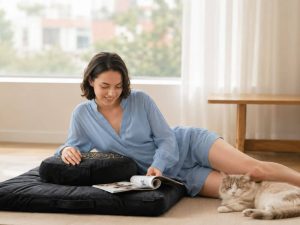
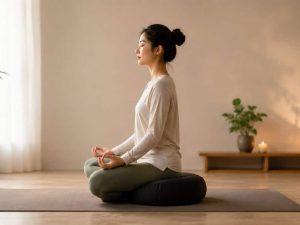
The best organic meditation cushion is not just the one with the cleanest material claim. It also needs the right height, firmness, shape, and floor support for the way your body actually sits.
This guide focuses on organic and natural-material meditation cushions that make sense for real sitting comfort: buckwheat zafus, kapok cushions, crescent shapes, zabutons, and full zafu-and-zabuton sets. If you are still comparing cushion types, start with this how to choose a meditation cushion guide. If comfort is your main concern, this roundup also connects naturally with our guide to the best meditation cushion for sitting comfort.
- Which organic and natural-fill cushions are best for different sitting needs
- How buckwheat, kapok, organic cotton covers, and zabutons differ
- Which cushion makes the most sense for beginners, hard floors, tight hips, and longer sits
What Matters Most in an Organic Meditation Cushion
Quick picks: Best Organic Meditation Cushions at a Glance
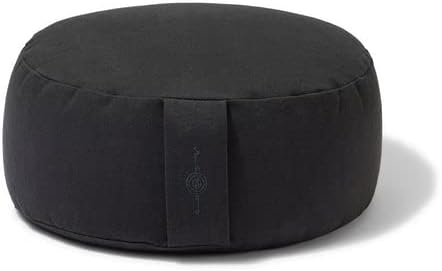


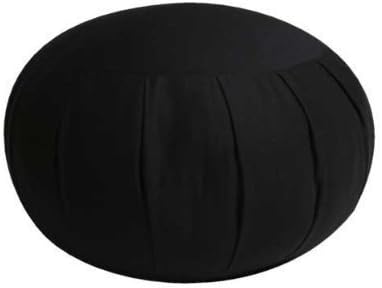


Which Organic Meditation Cushion Fits Your Sitting Style?
- Choose a round buckwheat zafu for everyday sittingA round buckwheat zafu is the simplest starting point if you want a natural-fill cushion that lifts the hips and feels stable under the body.Look forRound zafu shape, buckwheat hull fill, removable coverAvoidVery soft pillow-style cushions if you need firm support
- Choose an organic cotton cover if material contact matters mostIf your main reason for buying organic is cleaner material contact, pay close attention to the cover claim and whether the listing clearly separates cover material from fill material.Look forOrganic cotton cover, GOTS wording, clear cover and fill detailsAvoidVague natural or eco-friendly claims without component details
- Choose kapok if you want a lighter traditional feelKapok is a natural plant fiber that feels lighter and more traditional than buckwheat. It can work well if you already know the height and shape you prefer.Look forKapok fill, traditional zafu shape, stable stitchingAvoidKapok cushions if you need easy fill adjustment
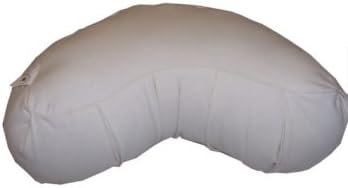
- Choose a crescent cushion if round zafus feel restrictiveA crescent shape can give your thighs more room and may feel easier for cross-legged sitting, especially if a round cushion pushes into the legs.Look forCrescent shape, enough seat depth, natural fillAvoidBuying a crescent shape only for looks if your current issue is knee pressure
- Choose a zabuton if the floor hurts your knees or anklesA zabuton does not replace a zafu because it does not lift the hips. Its job is to soften the floor under your knees, ankles, and feet.Look forThick floor mat, washable cover, enough width for your sitting postureAvoidExpecting a zabuton alone to fix low hip position
- Choose a zafu-and-zabuton set for longer sitsA full set is the most complete option when you want hip lift and floor cushioning together, especially for longer sessions or hard floors.Look forMatching zafu and zabuton, natural fill, removable coversAvoidA full set if you only sit briefly and do not feel floor pressure
Organic Materials: What to Check Before You Buy
- Organic cotton cover
This usually means the outer fabric is organic cotton. It does not always mean the fill, stitching, dye, or entire cushion is certified organic.
- Buckwheat hull fill
Buckwheat hulls are a natural fill that feel firm, stable, and slightly moldable under the body. They are best for sitters who want grounded support rather than a soft pillow feel. If you are comparing firmer natural support with softer cushion materials, use this guide to buckwheat vs memory foam meditation cushions before choosing by material label alone.
- Kapok fill
Kapok is a light plant fiber with a more traditional cushion feel. It can be a good choice if you want natural fill but do not like the heavier shifting feel of buckwheat. If kapok is the material direction you prefer, compare the best kapok meditation cushions before choosing only by organic or natural wording.
- Removable washable cover
A removable cover matters because meditation cushions sit on the floor and collect dust, lint, and body contact over time. It is especially useful when the cushion uses natural fibers.
- Zafu and zabuton
A zafu lifts your hips, while a zabuton cushions the floor under your knees, ankles, and feet. For a deeper comparison, read our zafu vs zabuton guide.
Before choosing a cushion, check whether the organic claim applies to the cover, the fill, or the whole product. A cushion can still be a strong natural-material pick even if only one component is organic, but the listing should make that clear.
Organic Zafu Support for Simple Daily Sitting
Hip Lift for Regular Cross-Legged Sitting
- Lift matters more than softness A zafu should raise the hips enough to make the sitting position feel more stable instead of letting the pelvis collapse backward.
- Simple shapes are easier to start with Round zafus are familiar, easy to position, and usually simpler for new cushion buyers than benches, crescent shapes, or full floor setups.
- Firm support can feel better over time A plush cushion may feel nice at first, but firmer fill often gives better support during repeated daily sitting.
Still unsure about cushion height? This meditation cushion height guide for beginners explains why height can matter as much as material.
Round Zafu Support for a Safe Everyday Choice
This is the most straightforward option in the group if you want one organic-style round zafu for regular sitting. It fits readers who want natural-material positioning, a familiar shape, and practical support without moving into a larger floor setup.
- Straightforward round zafu shape
- Natural material positioning
- Good daily sitting support
- Removable cover for easier care
- Round shape may restrict some hips
- Not enough knee padding alone
- Organic claim needs component check
Firm Buckwheat Support for First-Time Cushion Buyers
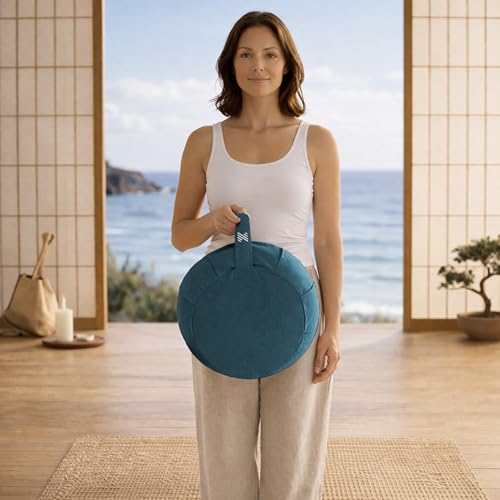

This pick makes sense for new buyers who want a round zafu with an organic cotton cover angle and stable buckwheat support. It keeps the first-cushion decision simple before you start comparing specialized shapes or full zafu-and-zabuton sets.
- Beginner-friendly round shape
- Firm buckwheat support
- Organic cotton cover angle
- Simple first-cushion choice
- May feel firm at first
- Not enough knee padding alone
- Height may not suit every body
Organic Covers and Natural Fill Feel
Cover Claims, Fill Materials, and Washable Covers
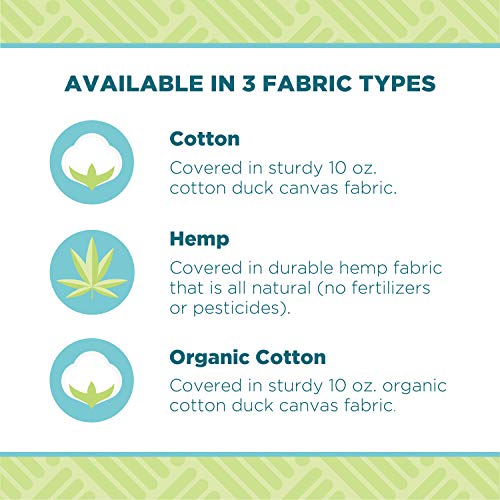
- Separate the cover claim from the fill claimA cushion may have an organic cotton cover while the inside uses buckwheat, kapok, cotton batting, or another natural material. Read the cover and fill details separately before treating the whole cushion as organic.Look forClear wording for cover material, fill material, and certification claimsAvoidVague natural or eco-friendly wording without component details
- Choose fill based on the sitting feel you wantBuckwheat hulls usually feel firmer, heavier, and more stable. Kapok usually feels lighter and more traditional, but it is less precise if you want to fine-tune support.Look forBuckwheat for firm support; kapok for lighter natural cushioningAvoidChoosing the fill only because the product photo looks comfortable
- Check care details before buying natural materialsNatural-fiber cushions are easier to live with when the outer cover is removable and washable. This matters more if the cushion will sit directly on the floor every day.Look forRemovable washable cover and clear care instructionsAvoidUnclear cleaning instructions or non-removable covers
Organic-Cover Priority for Cleaner Material Contact
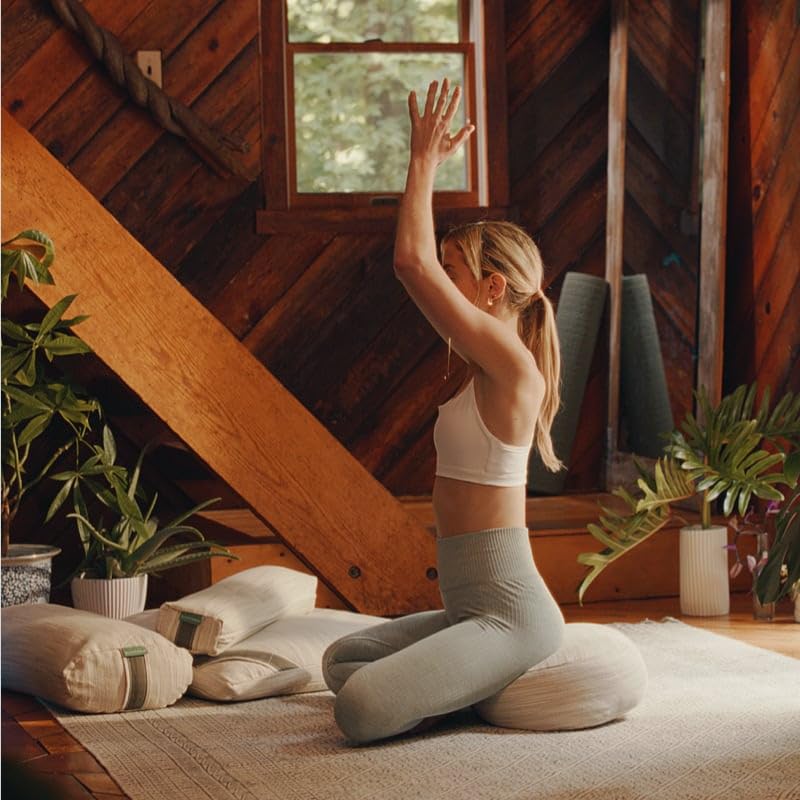
This cushion makes the most sense if the cover material and organic positioning are your top priorities. It is a better fit for material-conscious buyers than for shoppers simply looking for the cheapest first zafu.
- Strong organic cover positioning
- Premium home-practice feel
- Natural buckwheat support
- Good material-conscious choice
- Likely pricier than basic zafus
- More than some beginners need
- Final listing details still matter
Buckwheat Hulls for Firm, Stable Support

This pick is for sitters who prefer a firm, stable base under the hips. The buckwheat feel is more grounded than plush, which can be helpful when you want support that does not collapse too easily.
- Supportive buckwheat feel
- Stable base for sitting
- Oval shape gives more room
- Practical for regular use
- Firmer than kapok cushions
- Organic claim is less central
- May need floor padding underneath
Kapok Fill for a Lighter Traditional Feel
This is the better fit if you want natural fill but do not like the heavier, shifting feel of buckwheat hulls. Kapok gives a lighter and more traditional zafu experience.
- Natural plant-fiber fill
- Lighter than buckwheat options
- Traditional cushion feel
- Good alternative to hull fill
- Less adjustable than buckwheat
- May compress differently over time
- Not ideal for precise height tuning
Shape and Floor Support for Sitting Discomfort
Matching Cushion Type to the Discomfort You Feel
- Tight hips need more room If a round zafu presses into your thighs or makes cross-legged sitting feel cramped, a crescent shape may give your legs more space.
- Knee pressure needs floor padding If your knees, ankles, or feet hurt against the floor, the missing piece is usually a zabuton or floor mat, not a taller zafu.
- One cushion does not solve every discomfort Hip lift, thigh room, and floor cushioning are different problems. Match the cushion type to the pressure point you actually feel.
For more shape context, see our guide on what a crescent meditation cushion helps with.
Crescent Shape for More Thigh and Hip Room

This cushion makes sense if your main issue is space around the thighs rather than floor pressure. The crescent shape can feel less restrictive than a round zafu, while the kapok fill keeps the cushion in the natural-fill category.
- More room for thighs
- Less restrictive than round zafus
- Natural kapok fill
- Good for cross-legged sitting
- Not enough floor padding alone
- Shape may not suit kneeling
- Kapok is less adjustable
Zabuton Padding for Knees, Ankles, and Hard Floors
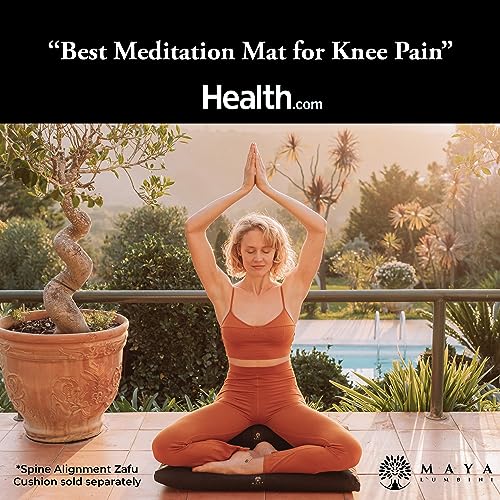

This is the product to consider when your knees, ankles, or feet press into a hard floor during sitting. It is not a replacement for a zafu, but it can make the floor-contact points much more comfortable.
- Better knee and ankle cushioning
- Useful on hard floors
- Pairs well with a zafu
- Helpful for longer sitting setups
- Does not lift the hips
- Takes more floor space
- Best with a separate zafu
Complete Floor Setup for Longer Meditation Sessions
Why Longer Sits Need More Than One Cushion
- Hip lift and floor padding solve different problems A zafu raises the pelvis, while a zabuton cushions the knees, ankles, and feet. Longer sessions often need both kinds of support.
- Pressure builds gradually A setup that feels fine for five minutes may feel different after a longer sit, especially on hardwood, tile, or thin rugs. If hard flooring is the main reason your knees, ankles, or feet complain, compare the best zabuton for meditation on hard floors before buying a full organic set.
- Buying a set keeps the pieces matched A zafu-and-zabuton set can be simpler than guessing whether two separate pieces will work well together.
If longer practice is your main concern, this guide to the best meditation cushion for vipassana explains why stable support matters during extended sitting.
When a Zafu-and-Zabuton Set Makes Sense
- Choose a set when the floor is part of the problemIf your knees, ankles, or feet press into a hard surface, a zafu alone will not solve the floor-contact discomfort.Look forA supportive zafu paired with a wide, cushioned zabutonAvoidBuying another taller cushion when your real issue is floor pressure
- Choose a set for longer home sessionsA full setup is more useful when you sit long enough for small pressure points to become distracting.Look forEnough floor coverage, stable fill, and removable coversAvoidOverspending on a full setup if you only sit briefly
- Choose separate pieces if you already own one partIf you already have a zafu you like, a standalone zabuton may be enough. A set makes more sense when you are starting from scratch.Look forA matched zafu and zabuton if you need both piecesAvoidReplacing a cushion that already fits your body well
Hip Lift and Floor Cushioning in One Setup
This set makes sense when you want both hip lift and floor cushioning in one purchase. It is a more complete option than a single round zafu if you sit longer, use hard floors, or want matching support pieces from the start.
- Complete sitting setup
- Supports hips and floor contact
- Useful for longer sessions
- Simpler than buying pieces separately
- More expensive than one cushion
- Takes more storage space
- May be unnecessary for short sits
How We Chose These Organic Meditation Cushions
These are buyer-focused recommendations, not lab-tested medical or posture advice. The options cover common sitting needs: daily practice, clearer material information, firm support, lighter natural fill, more hip room, floor padding, and longer sessions.
We prioritized cushions with clearer organic, natural-fill, buckwheat, kapok, cotton, linen, hemp, removable-cover, or washable-cover positioning.
Each cushion suits a practical sitting need: everyday zafu support, firmer buckwheat lift, lighter kapok fill, more hip room, floor padding, or a complete zafu-and-zabuton setup.
We compared how each option addresses sitting comfort, beginner setup, knee pressure, hard floors, longer sessions, and the choice between a zafu and a zabuton.
We did not present these picks as personally lab-tested or medically proven. The recommendations are based on product fit, material signals, and practical buyer decision points.
Material claims can vary by product and may apply only to the cover, fill, or selected components. Check the current listing for exact materials, cover construction, fill, and care instructions before choosing a cushion.
FAQ
What is the best organic meditation cushion for most people?
For most readers, the best starting point is a simple organic-style zafu with firm support, a clear material claim, and a removable cover. A round buckwheat zafu is usually easier to understand than a specialized shape if you are buying your first cushion. If knee or ankle pressure is the main problem, a zabuton or full set may be more useful than another zafu.
Does organic mean the whole meditation cushion is organic?
Not always. On many listings, organic may refer to the cotton cover, while the inside uses buckwheat hulls, kapok, cotton batting, or another natural fill. Check the cover material, fill material, and certification wording separately before saying the whole cushion is organic.
Is buckwheat or kapok better for a meditation cushion?
Buckwheat is usually better if you want a firm, stable, more grounded sitting base. Kapok is usually better if you prefer a lighter, more traditional cushion feel. Neither is automatically better for everyone; the better choice depends on whether you want firm support or a softer natural-fill feel.
Is a zafu or zabuton better for beginners?
A zafu and a zabuton solve different problems. A zafu lifts your hips, while a zabuton cushions your knees, ankles, and feet against the floor. Beginners usually start with a zafu, but if floor pressure stops your sits early, a zabuton can be just as important.
What organic meditation cushion is better for knee pain?
If your knees hurt because they press into a hard floor, look for a zabuton or a zafu-and-zabuton set instead of only changing the zafu. Floor padding matters because a hip-lifting cushion does not protect every contact point. For a more specific buying angle, see our guide to choosing a meditation cushion for knee pain.
What organic meditation cushion is better for back support?
For back support, focus first on height, firmness, and whether your hips can sit comfortably above your knees. A natural or organic cover will not fix a cushion that is too low or too soft for your body. If back comfort is your main concern, this guide to a meditation cushion for back pain explains the support factors to check before buying.
Final Verdict: Choose the Organic Cushion That Matches How You Sit
- Choose a round zafu for simple daily sitting.
- Choose buckwheat when you want firmer, more stable support.
- Choose kapok when you prefer a lighter traditional feel.
- Choose a crescent cushion when your hips or thighs need more room.
- Choose a zabuton or full set when knees, ankles, or hard floors limit your sits.
The right organic meditation cushion is the one that matches both your material preferences and your sitting problem. Start with a simple round zafu if you want daily support, compare buckwheat and kapok if fill feel matters most, choose a crescent shape if round cushions feel restrictive, and add a zabuton or full set when floor pressure becomes the bigger issue.