No, fabric softener does not reliably kill bed bugs or get rid of an infestation. It may affect a few visible bugs only if sprayed directly, but it does not kill eggs, reach hidden bed bugs, or provide lasting control.
Fabric softener sheets and dryer sheets are not dependable bed bug repellents either. Their scent may seem strong, but scent alone is not a reliable barrier when bed bugs are trying to reach a nearby host. This guide explains what fabric softener can and cannot do, why the myth spreads, and what to use instead for monitoring, containment, heat support, and mattress protection.
- Fabric softener is not a reliable bed bug treatment.
- Direct contact may affect only a few visible bugs.
- Fabric softener sheets do not reliably repel bed bugs.
- Heat, monitoring, containment, and proper treatment matter more.
Quick answer: fabric softener does not get rid of bed bugs
Terms to understand first
- Contact kill
A product affects only the insects it directly touches. This matters because fabric softener, if it affects bed bugs at all, is limited to visible bugs that are fully coated.
- Residual effect
A treatment keeps working after it dries or is applied. Fabric softener does not provide meaningful residual protection against bed bugs.
- Repellent
A substance that makes pests avoid an area. Fabric softener sheets and dryer sheets are not dependable bed bug repellents.
- Infestation control
A broader plan that addresses hidden bugs, eggs, movement, monitoring, and follow-up. This is very different from spraying a few visible bugs.
Does fabric softener kill bed bugs?
- Direct contact is the only possible effect If fabric softener fully covers a visible bed bug, the liquid may slow it down or kill it. The problem is that visible bugs are only a small part of an infestation.
- Hidden bugs and eggs remain untreated Bed bugs hide in mattress seams, bed frames, furniture joints, baseboards, and cracks. Fabric softener cannot reach those spaces and should not be trusted to kill bed bug eggs.
- There is no lasting protection After fabric softener dries, it does not keep killing bed bugs that move through the area later. This can make the problem seem better while activity continues out of sight.
Bottom line: fabric softener may affect a few visible bugs on contact, but it does not reliably kill bed bugs or get rid of an infestation.
Fabric softener myths vs facts
It may affect only the bugs it directly coats, not the infestation as a whole.
A contact effect on a visible bug does not mean hidden bed bugs, eggs, or future activity are controlled.
It does not remove the source of the infestation.
Bed bugs can remain active in protected hiding places even when the surface looks clean.
Dryer sheets are not a dependable bed bug barrier.
A strong scent is not enough to stop bed bugs from moving toward a nearby host.
Heat is the useful part of laundry treatment, not the softener.
For washable items, the drying process matters more than adding a scented laundry product.
Do fabric softener sheets repel bed bugs?
- Dryer sheets are not dependable repellents A strong fragrance may make an area smell cleaner, but there is no reason to treat dryer sheets as a real bed bug barrier.
- Fabric softener sheets do not kill bed bugs Placing sheets near a mattress, drawer, closet, or luggage does not kill hidden bed bugs or stop eggs from hatching.
- Scent does not stop feeding behavior If a host is nearby, hungry bed bugs may still move across scented areas to feed. That is why scent-based tricks should not replace inspection, heat, containment, or treatment.
Bottom line: fabric softener sheets may change how a space smells, but they do not reliably repel or kill bed bugs.
Fabric softener and dryer sheets may make bedding smell cleaner, but they do not remove hidden bed bugs, kill eggs, or stop an infestation. Do not use scent-based household products as your main bed bug control plan.
What to do instead first
-
Stop spraying fabric softener on beds or furniture
Do not keep applying fabric softener to mattresses, upholstery, drawers, or sleeping areas as a pest control method. It can leave residue while doing little to address the infestation.
-
Check where bed bugs are likely to hide
Inspect mattress seams, bed frames, headboards, furniture joints, baseboards, and nearby cracks. The goal is to understand where activity may be coming from, not just kill what is visible.
-
Contain exposed laundry before moving it
Place potentially exposed bedding or clothing in a sealed or zippered bag before carrying it through the home. This reduces the chance of spreading bugs to other rooms.
-
Use appropriate heat for washable items
For items that can safely be laundered, focus on washing and drying with suitable heat rather than adding fabric softener. Heat is the useful part, not the scent.
-
Monitor the bed area after cleanup
Use inspection and monitoring tools to see whether activity continues. No bites for one night does not always mean the problem is gone.
-
Get professional help if activity continues
If you keep finding bugs, stains, shed skins, or bites, treat it as an active problem. Bed bugs can spread when effective treatment is delayed.
These steps are not a complete treatment plan, but they are more useful than relying on fabric softener or dryer sheets.
What to use instead of fabric softener for bed bugs
Bed bug interceptors for monitoring
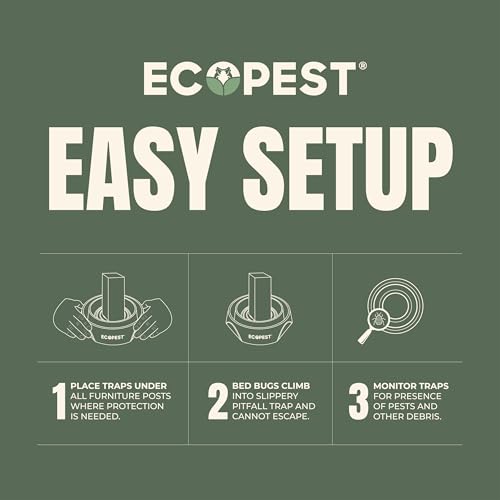

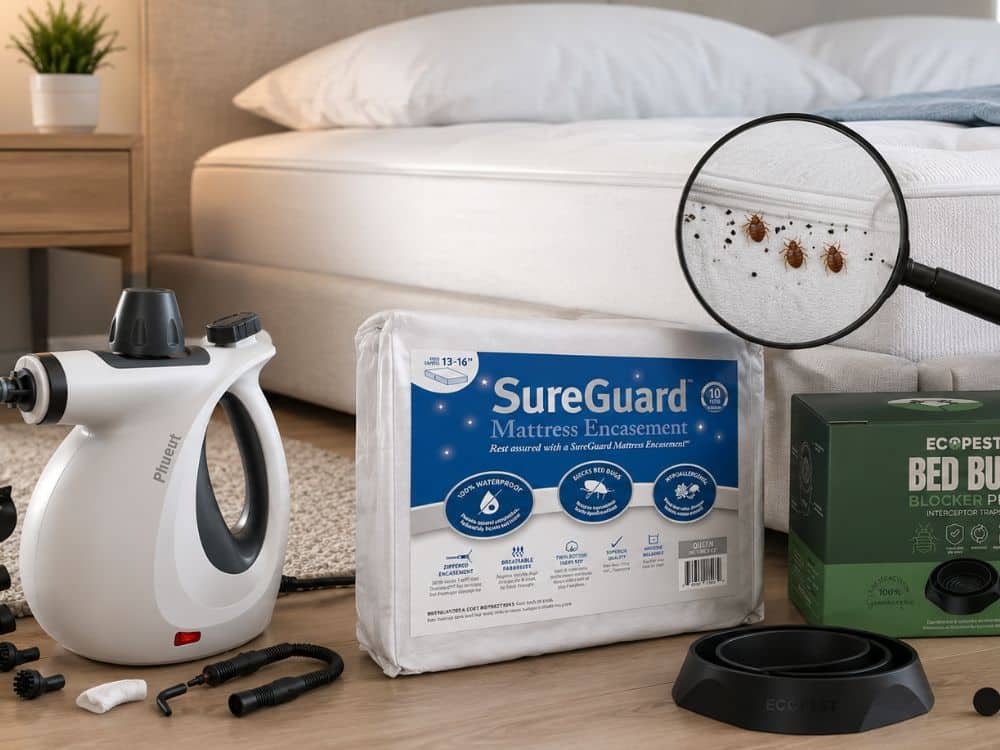
Place interceptors under bed legs to help monitor movement and detect whether bed bug activity may still be present. They are not a cure, but they are more useful than fabric softener for checking activity after cleanup.
Mattress encasement for protection

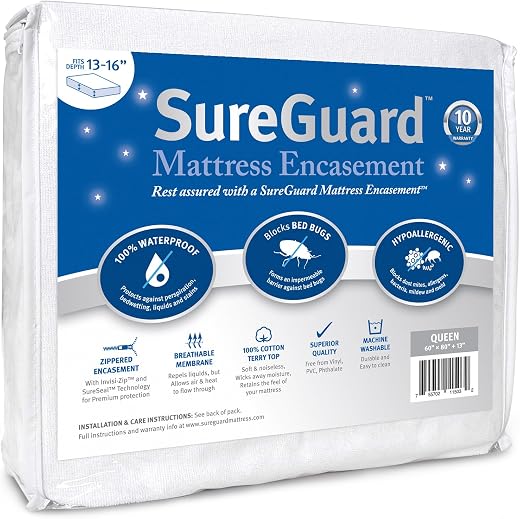
Use a zippered mattress encasement to help protect the mattress and make bed bug inspection easier. It is not a standalone cure, but it is more relevant than fabric softener when you need mattress protection as part of a control plan.
Steam cleaner for heat support


Use steam only on surfaces that can safely handle heat and moisture, such as suitable upholstery seams or crevices. Steam can support a broader control plan, but it should not be treated as a complete solution for a widespread infestation.
Laundry bag for containment
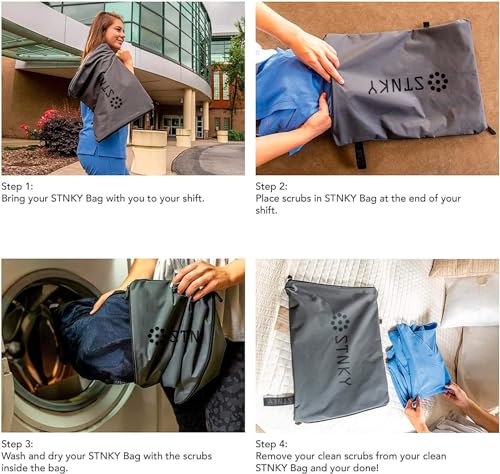

Use a zippered laundry bag to contain potentially exposed clothing or bedding before moving it through the home. The goal is containment before heat treatment, not relying on fabric softener to solve the problem.
How to choose a safer bed bug control approach
- Reach hidden bugsA useful approach should account for bed bugs hiding in seams, cracks, furniture joints, and bed-frame gaps.Look forInspection, monitoring, heat support, encasements, or professional treatment plans that target hiding places.AvoidSurface-only household sprays or scented products that affect only what you can see.
- Address eggs and follow-upBed bug activity can continue if eggs hatch after the first cleanup attempt.Look forFollow-up checks, interceptors, repeat inspection, and professional help if signs continue.AvoidAssuming one spray, one wash cycle, or one night without bites means the problem is gone.
- Control laundry movementBedding and clothing can spread the problem if moved loosely through the home before washing and drying.Look forSealed or zippered bags, careful handling, and suitable heat for washable items.AvoidCarrying exposed laundry in open baskets or relying on fabric softener to make laundry safe.
- Monitor after cleanupThe goal is not just to feel better for one night, but to know whether bed bug activity is still present.Look forBed-leg interceptors, visual checks, and continued attention to stains, shed skins, or live bugs.AvoidRelying only on scent, fewer bites, or the absence of visible bugs.
If you want broader prevention ideas beyond bed bugs, this guide to natural pest control methods can help you compare safer household approaches. For active bed bugs, however, use bed bug-specific monitoring, containment, heat support, and professional guidance.
Final verdict
- Do not rely on fabric softener as a bed bug treatment.
- Do not trust dryer sheets as a dependable repellent.
- Use containment and suitable heat for exposed laundry.
- Monitor activity and get help if signs continue.
Fabric softener does not reliably kill bed bugs, and fabric softener sheets do not reliably repel them. At best, fabric softener may affect a few visible bugs on direct contact, but it does not reach hidden bugs, kill eggs, or stop an infestation. For a more useful response, focus on monitoring, containment, heat support, mattress protection, and professional help if activity continues.