
Time together can be a warm gift, but it can also arrive carrying a date to protect, a journey to arrange, extra money to spend, and an expectation that the recipient should look delighted throughout it all.
The gentler approach is to offer a shared moment without handing over the work of making it happen. Within the Gifting hub, that means treating flexibility, energy, transportation, preparation, and the freedom to decline as part of the gift itself.
- Be easy to schedule or postpone
- Match the recipient’s current energy
- Keep hidden costs with the giver
- Allow silence, pauses, and an early ending
A meaningful experience does not need to be elaborate. The wider principles behind thoughtful gift ideas still apply: the plan should reflect the person receiving it, not simply the activity the giver would most enjoy. The useful question is whether the recipient can say yes without becoming responsible for everything that follows.
Time Together Becomes Pressure in Four Common Ways
The Date Is Too Fixed
Tickets, reservations, and surprise outings often look more complete than an open invitation. They also remove much of the recipient’s control. A fixed date may require time off work, childcare, pet care, transportation, or the cancellation of another commitment that the giver never sees.
A flexible gift can still feel intentional. Offer two or three possible dates, choose something with a generous redemption window, or make it clear that postponing will not cause disappointment. If a booking must be changed, the giver should handle the calls, fees, and rescheduling rather than passing the administrative work across with the gift.
The Activity Needs More Energy Than They Have
Current capacity matters more than the version of the recipient you remember from another season. A busy parent, an older relative, or someone carrying grief or exhaustion may find a short coffee easier than a full restaurant meal. The same principle shapes gentle support during a hard time: familiar company can help, but only when it does not require the person to perform wellness for a visitor.
Match the plan to the energy available now. Tea at home, one episode of a familiar show, or thirty minutes together may offer more comfort than an ambitious day out. A small cup also creates a natural ending; nobody has to keep refilling a three-hour conversation because the invitation sounded important.
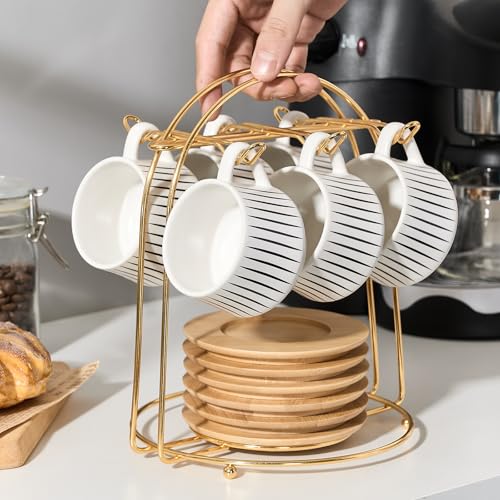
The cups are not the gift by themselves. They illustrate a scale of gathering: simple to prepare, easy to repeat, and small enough that the recipient can leave or rest without feeling that an expensive occasion has been cut short.
Preparation and Cleanup Fall on the Recipient
“I’ll come over and cook for you” may still mean that the recipient shops for missing ingredients, clears the kitchen, finds serving dishes, hosts several people, and faces a sink full of pans after everyone leaves. A picnic can create the same problem when the person receiving the gift must pack food, carry chairs, locate parking, and remember what the weather may do.
Keep the labor with the person offering the plan. Bring what is needed, arrive ready to use it, and take the leftovers, packaging, and equipment home. When the activity creates work, that work is part of the gift—not an invisible fee collected from the recipient later.
The Invitation Carries Emotional Expectations
A shared activity should not become a test of affection. The recipient should not have to produce a large reaction, discuss something private, maintain constant conversation, or reassure the giver that the plan was worth the effort. Even a romantic gift for a partner can leave room for tiredness, quiet, changed plans, and an evening that ends earlier than expected.
Avoid describing the occasion as something the recipient “will never forget” or “has to love.” Those promises quietly assign a response before the experience has begun. Offer the time because being together may feel good, not because the moment must prove something about the relationship.
Offer the Easiest Possible Form of Yes
-
Offer a window instead of one deadline
Suggest a few possible times or leave the invitation open within a reasonable period. Flexibility should be real, not a polite phrase followed by one acceptable date.
-
State the true duration
Describe the smallest complete version of the plan. If you say coffee for an hour, the recipient should be able to leave after an hour without negotiating an escape.
-
Make postponing ordinary
Say in advance that moving the plan is acceptable. The recipient should not need an emergency serious enough to justify changing the date.
-
Cover the hidden costs
Account for tickets, food, parking, transportation, childcare, equipment, and supplies. A gift should not require the recipient to spend money to unlock it.
-
Preserve an easy way to leave
Avoid transportation arrangements that trap everyone together. When practical, let the recipient travel separately or choose an activity close to home.
-
Allow time before answering
Do not require an immediate decision when the gift is opened. A warm invitation can remain warm while the recipient checks their calendar and energy.
The easiest yes is one that can later become “not today” without damaging the relationship.
Activities with natural pauses are especially forgiving. A puzzle can be worked on for ten minutes or an hour, left unfinished, and returned to another day. It gives people something to do with their hands, so silence does not need to be repaired every few seconds.
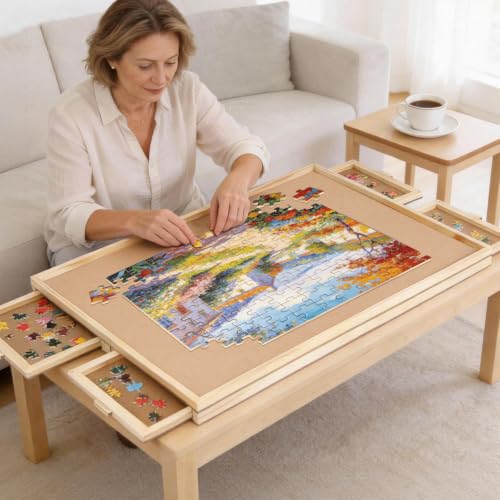
The board matters here because it keeps the unfinished work contained. The recipient does not have to surrender the dining table until the final piece appears. That same low-pressure structure can help with a long-distance partner: each person can work on a small activity, drink coffee, or watch something together without requiring constant conversation across the entire call.
Match the Plan to the Relationship
A flexible invitation is not automatically appropriate for every person. The same afternoon that feels intimate with a partner may feel too personal with a coworker. A child may enjoy a shared project but still need the adult to select the right level, manage the materials, and know when attention has run out. Observing how a child plays is more useful than choosing an activity because it photographs well.
- PartnerA more intimate plan may fit, but closeness does not remove the need for flexibility. Avoid turning the occasion into a test of romance or gratitude.Look forA familiar rhythm, shared interest, and room to change plansAvoidA surprise that requires a particular emotional response
- Parent or older relativeConsider transportation, walking distance, seating, noise, timing, medication schedules, and how long the person comfortably stays away from home.Look forA nearby place, daytime option, and easy return homeAvoidLong travel or an event with nowhere quiet to rest
- FriendChoose something compatible with the friendship as it currently exists. A casual friend may enjoy coffee more than an entire weekend arranged in their honor.Look forAn activity already present in the friendshipAvoidUsing the gift to force greater intimacy
- ChildThe adult should carry the planning, supervision, and cleanup. The activity needs enough structure to engage without becoming a lesson the child never requested.Look forAge-appropriate challenge and a clear stopping pointAvoidProjects that depend on the child completing every stage
- Someone under strainKeep the plan familiar, brief, and easy to cancel. Practical support may matter more than novelty or entertainment.Look forLow travel, low noise, and no hosting dutiesAvoidCrowds, long commitments, or emotional pressure
The relationship also determines how much surprise is welcome. A small unknown detail can feel playful when the practical framework is secure. Hiding the date, destination, clothing expectations, cost, and duration all at once removes too much control for most people to relax.
Carry the Practical Load Yourself
-
Confirm access before promising the plan
Check opening hours, seating, stairs, restrooms, weather, dietary needs, and transportation before presenting the experience as effortless.
-
Make and change the booking
Keep reservation details, deadlines, and cancellation policies with you. If the plan moves, complete the new arrangement yourself.
-
Bring the necessary supplies
Food, blankets, games, utensils, tickets, chargers, and other materials should arrive with the giver unless the recipient genuinely wants to contribute.
-
Plan the return home
Decide how the recipient can leave comfortably, especially after dark, in poor weather, or when energy drops sooner than expected.
-
Clean up what the plan creates
Pack containers, remove rubbish, wash borrowed dishes, and restore the space instead of leaving the final stage as the recipient’s private task.
The same test used for a gift that makes daily life easier applies here: count the work removed, then count the work added.
A picnic makes this responsibility visible. The blanket may create a comfortable place to sit, but the giver still needs to choose an accessible location, check the weather, prepare food, carry the supplies, provide water, and take everything away afterward.

The picture shows the enjoyable middle of the plan. Thoughtful gifting includes the less photogenic edges: loading the bag, finding shade, checking for wet ground, and making sure nobody receiving the gift is left folding a large blanket alone while everyone else heads for the car.
Know When Not to Give an Experience
An experience can create more scheduling, travel, spending, and emotional effort than a simple physical gift.
The format is not automatically thoughtful. The recipient’s current life determines which kind of gift carries less pressure.
Surprise works best inside a safe framework: the recipient knows the general activity, duration, physical demands, cost, and way home.
Mystery should add pleasure, not remove the information someone needs to consent comfortably.
Repeated postponement may be a gentle refusal. The giver can release the plan without asking the recipient to defend the decision.
When they say they need nothing, respecting the boundary may matter more than finding a different route around it.
If a restaurant, event, or day trip creates too much effort, reduce the logistics rather than trying to make the recipient rise to the original plan. A familiar movie at home can preserve the shared time while removing travel, parking, crowds, formal clothing, and a fixed ending.

The snack tray is only useful when it reduces handling and cleanup. Fill it with food the group already enjoys, keep the evening easy to pause, and do not turn a casual movie into a themed production that requires the recipient to host, decorate, or admire every detail.
Frequently Asked Questions
How do you give an experience without choosing the date?
Describe the activity clearly and offer a flexible window rather than one fixed appointment. You can include two or three possible dates, an open invitation, or a voucher with a generous validity period while keeping responsibility for booking and rescheduling.
What if the recipient keeps postponing the plan?
Ask once whether they would prefer a different format, then make it easy to release the plan. Repeated postponement may reflect limited energy, scheduling difficulty, or a polite refusal rather than a need for more reminders.
Is paying for dinner enough to make it a gift?
Paying removes one important cost, but the rest of the evening still matters. Consider transportation, restaurant noise, dietary needs, timing, childcare, and whether the recipient can leave when they are ready.
How long should a low-pressure activity last?
Offer the shortest version that would still feel complete. Coffee may be thirty to sixty minutes, a walk may be one familiar route, and an activity at home should have a natural point where either person can stop.
What can two people do together without talking constantly?
Choose an activity that gives attention somewhere else: a puzzle, simple card game, familiar film, quiet walk, small craft, or cooking task. Natural pauses make silence part of the activity rather than a problem to solve.
Are surprise outings a good gift?
They can be when the recipient enjoys surprises and the practical boundaries are known. Share enough information about clothing, duration, physical effort, cost, food, and transportation for the person to participate comfortably.
Make the Invitation Easy to Accept and Easy to Decline
- Offer flexibility before asking for commitment
- Match the activity to current energy
- Keep planning and cleanup with the giver
- Let postponement or refusal remain ordinary
A gift of time is not measured by the number of hours, the ticket price, or how memorable the location appears. Its warmth comes from the room the recipient still keeps: room to choose the date, remain quiet, leave early, change the plan, or say no without having to protect the giver’s feelings.