
An existing hobby gives you better clues than a generic gift list, but it also leaves less room for guessing. Someone who has painted, sewn, brewed coffee, or worked with their hands for years may care deeply about paper weight, tool size, material, storage, and the order in which everything is used.
The safest approach is not to make the hobby bigger or more impressive. It is to understand what the person already does, notice where supplies run out or friction appears, and support that routine without replacing it. This guide belongs to the wider Gifting hub, where the gift begins with the recipient’s real life rather than the product category.
- Name the exact hobby, not the broad category
- Check what they use repeatedly
- Confirm size, material, and compatibility
- Avoid assigning a larger project than they want
The broader guide to thoughtful gift ideas begins with observation: what the person talks about, uses, replaces, and returns to voluntarily. Hobby gifts need that same care because enthusiasm alone does not tell you which supplies, tools, or projects belong in their routine.
Start With the Hobby They Actually Practice
A hobby becomes giftable only after you can describe what the person really does. “Art,” “coffee,” or “crafts” is too broad to guide a useful purchase.
- Name the exact activity
Watercolor painting, acrylic painting, embroidery, quilting, espresso preparation, and model building may sit under broad hobby labels, but they require different materials and tools.
- Notice how often they return to it
A weekly practice deserves more weight than something they tried once and still feel guilty about abandoning.
- Watch what gets used repeatedly
Paper, thread, beans, blades, brushes, and small supplies often reveal more than the expensive equipment displayed nearby.
- Listen for friction, not aspiration
“I keep running out of this paper” is a stronger clue than “I might try pottery one day.”
- Separate their hobby from yours
The gift should support the way they enjoy the activity, not move them toward the method, style, or level you prefer.
A hobby gift is most reliable when it follows an existing pattern instead of creating a new identity for the recipient.
Consumables are often the least disruptive place to begin because they support work already happening. They are still not interchangeable. Paper weight, texture, absorbency, size, color, and format can affect the result, so “more watercolor paper” is useful only when it resembles the paper the person already reaches for.

This 5-by-7-inch cold-press paper illustrates the questions that matter more than the size of the pack. Does the recipient work small? Do they make cards or studies? Do they prefer loose sheets or bound pads? Eighty sheets may feel generous to someone who uses this format regularly, but excessive to someone who paints large landscapes once every few months.
Replenishment works best when the material is familiar, easy to store, and likely to be used before it deteriorates. A smaller amount of the correct supply is usually more supportive than a bulk pack chosen only because the listing looks economical.
Match the Existing Tools and System
- Exact sizeMeasure or read the marking on the tool, machine, holder, frame, or accessory the new item must fit.Look forA model number, diameter, mount, thread, or stated rangeAvoidDescriptions that say compatible without naming the exact system
- WorkflowNotice the order in which the person prepares, uses, cleans, and stores the equipment.Look forA tool that removes one repeated interruptionAvoidAccessories that duplicate a step they already prefer doing another way
- Material preferenceWood, metal, silicone, natural fibers, synthetic fibers, and paper surfaces can feel very different in use.Look forThe same materials already present in their setupAvoidAssuming premium materials automatically suit everyone
- Available spaceA complete tool set still needs a stable place to live while it is being used and stored.Look forA footprint that fits the current stationAvoidA larger setup that pushes other tools out of reach
Espresso equipment makes compatibility visible. A tamper, distributor, funnel, puck screen, and station may all be useful, but only when the diameter matches the portafilter and the person’s preparation method. A 53 mm set is not a general coffee gift; it belongs to a particular group of machines and baskets.
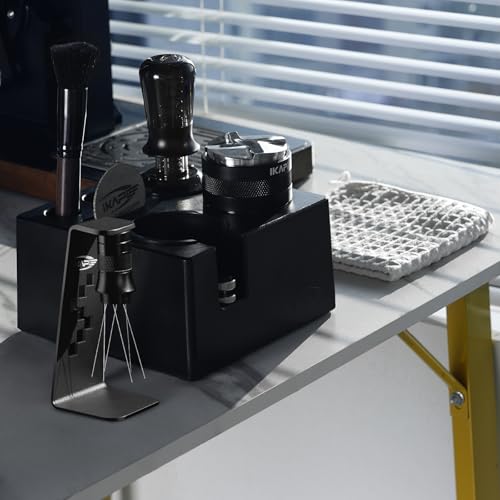
Before buying, check the machine model, basket diameter, handle clearance, and tools already on the counter. The recipient may use a different distribution method, prefer a lighter tamper, or already own several pieces in the set. This is the same compatibility problem explored more broadly when choosing a tech gift they’ll actually use: an appealing feature matters only when it fits the system already in place.
When the equipment is specialized or expensive, asking directly is often more thoughtful than preserving the surprise. You can still keep the presentation, timing, or accompanying note unexpected without gambling on a technical specification.
Choose Support, Not a Bigger Challenge
The right project gives the recipient something they already want to make, at a scale they can complete or pause without guilt.
A pre-stamped embroidery kit can lower the starting barrier because the pattern, hoop, thread, and basic materials arrive together. That convenience is useful only when the recipient likes the design and wants a guided project. Someone who creates their own patterns may see a printed kit as restrictive rather than supportive.
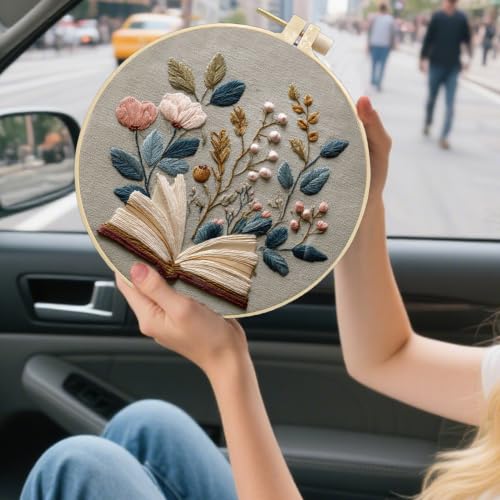
Look beyond the label “beginner.” The real questions are whether the stitches are explained clearly, whether the pattern feels appealing, whether the thread colors suit the recipient, and whether the project can be stored safely between sessions. A kit should create an easy point of entry, not test whether the recipient deserves to call themselves creative.
Project size matters too. A small hoop that can be completed over several relaxed sessions may fit better than a large design that claims a wall, a table, and several months of attention. The hobby should remain theirs to enjoy at their own pace.
Share the Hobby Only When Company Is Welcome
Shared time helps only when the recipient enjoys company while working and does not feel responsible for teaching, hosting, or keeping everyone entertained.
A hobby may be the person’s quiet private space. Joining without asking can change the very quality that makes it restorative.
The giver still needs to understand the instructions, prepare the surface, divide materials fairly, supervise when needed, and handle cleanup.
The visible activity may be simple while the practical load remains with one person.
A relaxed shared activity can end with unfinished pieces, different results, and no requirement to display what was made.
The value lies in the experience, not in producing matching evidence that everyone had fun.
A set of small mosaic coaster projects can suit a group because each person has a contained surface and can work at a different pace. The image makes the idea look effortless, but the real decision depends on age, supervision, small pieces, adhesive, drying time, and who will clean the workspace afterward.
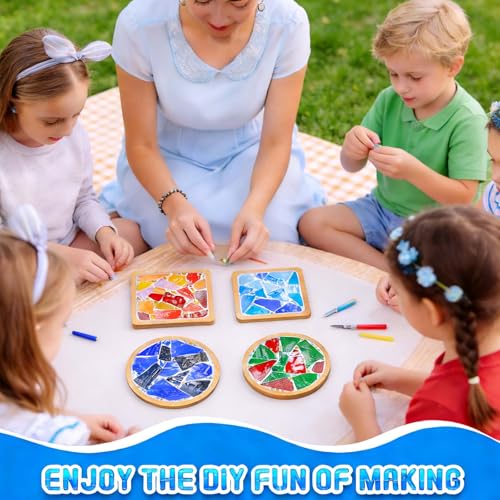
The product illustrates participation, not a universal group activity. It may work for a family craft afternoon, but not for someone who prefers to make things alone or dislikes projects with many loose pieces. When companionship is the real gift, the principles for offering time together without pressure still apply: make the activity easy to pause, easy to decline, and free from a required reaction.
Shared hobby time should not turn the recipient into an unpaid instructor. Bring your own patience, read the directions first, and accept that the person with more experience may want to work quietly rather than monitor everyone else’s progress.
Make the Hobby Easier to Return To
-
Reduce the search for supplies
Keep frequently paired tools and materials together so beginning a session does not require opening several drawers and containers.
-
Protect unfinished work
Choose storage that prevents thread tangles, crushed fabric, lost needles, spilled beads, or damaged pieces between sessions.
-
Keep the setup portable when needed
A handle or contained case can help when the hobby moves between a sofa, table, class, or another home.
-
Make stopping as easy as starting
The recipient should be able to pack away the project without fully dismantling the work or losing track of the next step.
-
Check the filled weight
A bag that appears light in the listing may become awkward after tools, fabric, thread, and accessories are added.
Storage supports the hobby only when it reduces the number of steps before and after each session. This is the same practical test used for a gift that makes everyday life easier.
A sewing and craft organizer can bring thread, hooks, needles, scissors, and a project into one portable place. The clear pockets in this example also reduce the need to empty the whole bag to find one small tool.
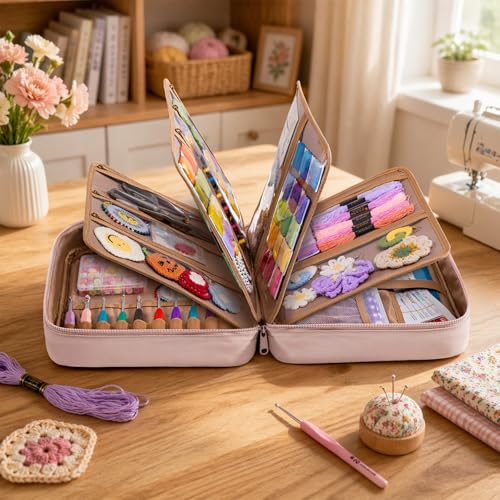
The organizer should match the hobby’s real inventory. Large transparent pockets may be helpful for thread and fabric but unnecessary for someone who owns only a few hooks. Measure the longest tools, check whether sharp items have protected storage, and consider whether the bag will remain accessible or be pushed into a cupboard because it is too bulky.
Storage can also become overbuying in disguise. A person with scattered supplies may need one afternoon to sort what they already own, not another container. The gift becomes useful when the storage shape follows the materials, not when the materials are forced to justify the storage.
Check Whether General Storage Truly Fits
A bamboo desktop organizer is not hobby-specific, which can be either its advantage or its weakness. It may hold drawing tools, sewing notions, paper pieces, labels, or small coffee accessories, but its usefulness depends entirely on the dimensions and the location where the hobby already happens.
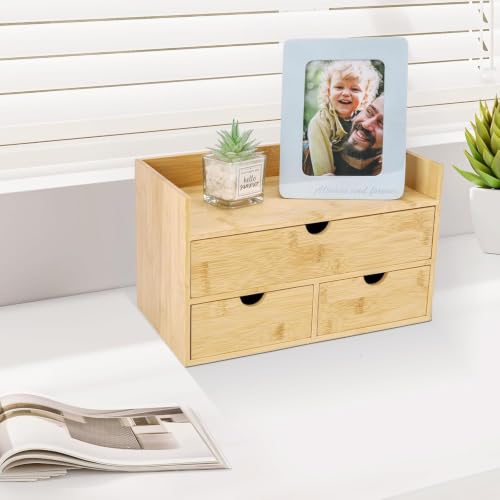
The lifestyle image shows a calm, uncluttered desk, but it does not show the volume of real hobby supplies. Before giving this kind of organizer, compare drawer dimensions with brushes, scissors, thread cards, rulers, cords, or packets the recipient owns. A beautiful storage unit that cannot hold the working tools becomes another object requiring storage.
This final check matters when choosing gifts for parents or anyone with a long-established hobby space. Existing arrangements may look imperfect but still reflect years of muscle memory. Improvement should make tools easier to reach without erasing the layout the person already understands.
A full shelf, workbench, sewing corner, or coffee station does not automatically signal a missing product. When they say they need nothing, check whether they are protecting a carefully chosen setup rather than inviting you to find a more inventive object.
A useful hobby gift usually answers one specific sentence: “This is the paper she uses up,” “This fits his machine,” “This keeps the project together,” or “This gives us a simple activity she already enjoys.” If the explanation remains vague, the gift is probably being chosen for the category rather than the person.
Frequently Asked Questions
Is it better to buy supplies or equipment for a hobby?
Supplies are often lower risk when you know the exact type the person already uses. Equipment can be helpful when a missing tool or repeated frustration is clear, but compatibility, preference, and duplication need closer checking.
How do I avoid buying something they already own?
Look at the current setup, ask a family member who understands the hobby, or request a short list of acceptable options. For specialized equipment, a direct question is usually better than relying on a return policy.
Should I ask what they want and ruin the surprise?
Asking does not remove all surprise. The recipient can identify the category, model, size, or material while you keep the exact timing, presentation, color, or accompanying gesture private.
Are beginner kits suitable for experienced hobbyists?
Only when the person wants that specific project or enjoys simple, self-contained activities. Experienced hobbyists may find beginner tools or fixed instructions limiting, even when the finished design looks attractive.
Is a gift card too impersonal for a hobby gift?
A specialized gift card can be thoughtful when the hobby involves precise technical choices. Pair it with a note explaining what you noticed, or offer to visit the shop together without requiring the person to spend it immediately.
What if I do not understand their hobby?
Focus on observation and questions rather than trying to master the whole subject. Learn what they use up, what they complain about, where they shop, and which purchases they prefer to choose themselves.
Help the Hobby Continue in Its Own Shape
- Follow the activity they already practice
- Replenish the exact supplies they use
- Check compatibility before adding tools
- Reduce setup without redesigning the hobby
A thoughtful hobby gift does not need to make the recipient more advanced, productive, or ambitious. It should understand what they already enjoy and remove one real obstacle without changing the hobby’s purpose. The right gift may be familiar paper, a correctly sized tool, a contained project, shared time they genuinely welcome, or storage that makes returning to the work a little easier.