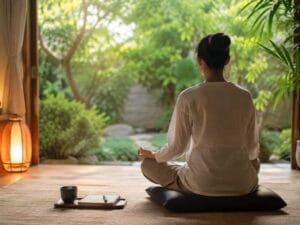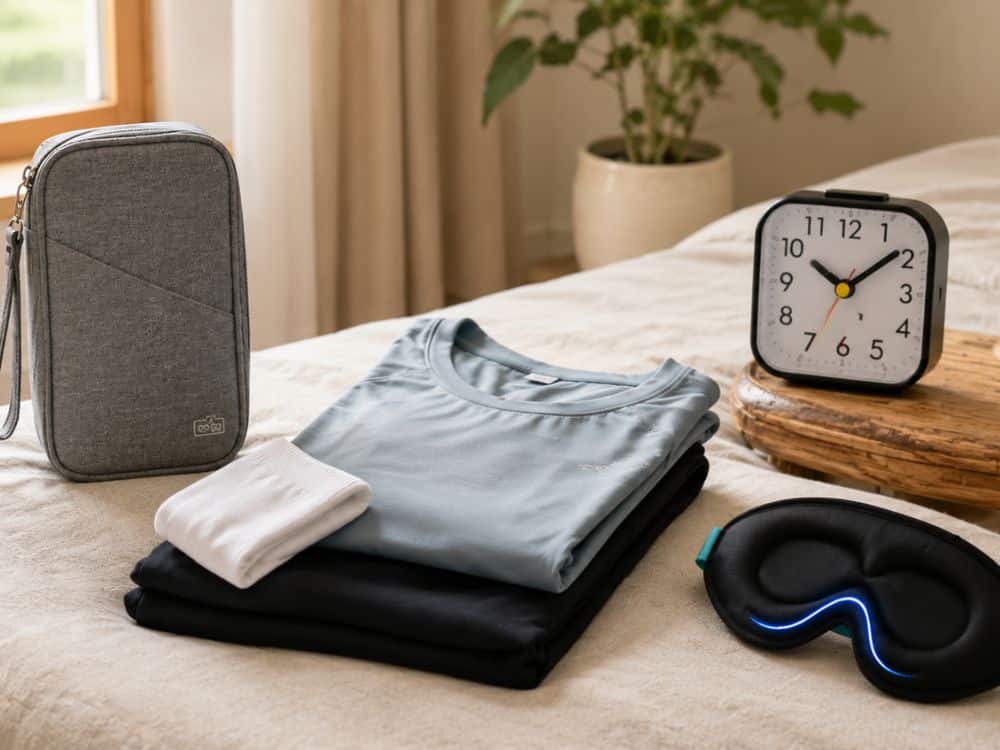
You need less for a 10-day Vipassana retreat than your nervous mind may want to pack. The useful question is not “What else should I buy?” but “What will quietly reduce friction without distracting me from the retreat?”
This guide separates true essentials from optional supports. It focuses on retreat rules, arrival details, modest clothing, low-scent hygiene, sleep, phone-free timing, light laundry, and the small items that only make sense when they solve a real problem.
- What is genuinely necessary for a 10-day retreat
- Which items are optional or center-dependent
- How to avoid overpacking out of anxiety
- How to choose low-distraction clothing, hygiene, sleep, and organization basics
- When to skip gear instead of adding more
What You Really Need Is Less Than You Think
For the wider preparation picture beyond packing, read how to prepare for a 10-day Vipassana retreat before deciding what deserves space in your bag.
Necessary, Optional, Center-Dependent, and Unnecessary
Must-have
Anything required for health, travel, identification, basic hygiene, modest clothing, and the retreat center’s check-in process.
Center-dependent
Anything that depends on rules: phones, alarm clocks, personal cushions, sleep aids, laundry tools, written notes, outside food, and medication storage.
Optional support
A small item that solves a predictable friction, such as shared-room noise, bright sleeping spaces, scattered documents, or needing an offline alarm.
Unnecessary extra
An object packed to manage nervousness rather than a real need. Overpreparing can become one of the common meditation mistakes beginners make when effort turns into pressure.
The Five-Question Packing Test
- Is it allowed?The item should fit the center’s rules before it enters your bag.Look forClear permission or a direct match with the official list.AvoidPacking first and hoping it will be accepted.
- Will it solve a predictable problem?A good item has a job you can name in one sentence.Look forA specific need such as offline wake-up, shared-room noise, low-scent hygiene, or keeping documents together.AvoidBuying something because retreat anxiety is rising.
- Will it stay quiet in shared space?The item should not create sound, scent, light, clutter, or extra attention.Look forSimple, low-scent, modest, and non-flashy choices.AvoidStrong fragrance, noisy fabric, bright screens, or fussy accessories.
- Have you tested it already?New items can irritate skin, press on the body, fail at the wrong time, or feel annoying after a few hours.Look forA short home test before travel day.AvoidFirst use on arrival night.
- Does it replace something else?The best optional items reduce weight, decisions, or mess instead of expanding the list.Look forOne item that lets you pack less or find things faster.AvoidOrganizers that make you bring more.
Documents and Arrival Basics
Build One Offline Arrival Packet
This is not a travel productivity system. It is a small packet for the details you may need before silence begins.
Include the center address, arrival time, transportation details, and check-in instructions.
Keep one contact name and number available without relying on your phone.
If you take medication, include dosage, timing, storage needs, and anything the center should know.
The packet should be accessible during travel and check-in, not buried under clothing.
The goal is quick access at arrival, not carrying every document you own.
If Small Papers Scatter Easily, Keep Arrival Details in One Place


A Phone-Free Way to Wake Up
Check the Morning Routine Before Packing an Alarm
- Ask about bells Some centers wake everyone with a bell or fixed schedule.
- Do not rely on apps A phone alarm is not useful if the phone is collected or turned off.
- Be careful with smartwatches Tracking, syncing, vibration, and notifications can pull attention back into normal habits.
- Keep sound modest In shared lodging, a wake-up tool should be simple and respectful.
This addresses the phone-policy question without making the retreat revolve around another device.
If the Center Does Not Provide Wake-Up Support, Use the Simplest Offline Alarm

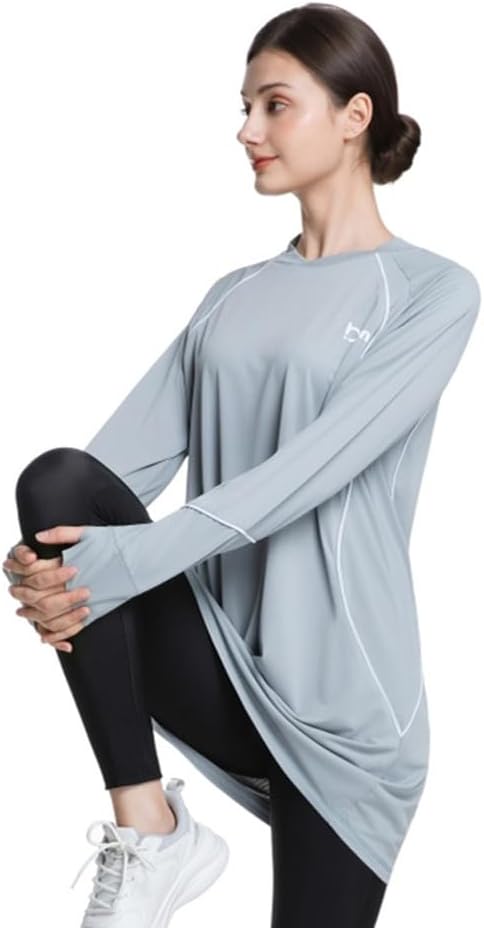
Modest Clothing That Can Handle Long Sitting
Choose Clothing by How It Behaves While Sitting
If Your Usual Workout Clothes Feel Too Tight or Revealing, Choose a Simple Modest Layer

Low-Scent Hygiene for Shared Spaces
Avoid perfume-heavy deodorant, lotion, hair products, laundry scent boosters, or newly scented toiletries. In a meditation hall or shared room, even a pleasant smell can become difficult for someone sitting nearby.
Keep Toiletries Plain and Familiar
- Use known products A retreat is not the best time to test something that may irritate your skin.
- Choose low scent Plain toiletries fit shared silence better than fragrance-heavy products.
- Pack only daily basics Cover hygiene without recreating every home routine.
- Check laundry scent too Clothing can carry fragrance from detergent, softener, or scent boosters.
This connects with site signals around removing perfume smell from clothes, but the retreat-specific point is simple: low scent supports shared silence.
If Scented Products Could Distract Others, Choose the Plainest Hygiene Option


Sleep Support If Noise Is a Problem
What to Understand About Night Sounds
Silence usually means no conversation, not a perfectly quiet building.
Doors, footsteps, weather, roommates, and early wake-ups may still happen.
They are optional. Some people sleep better with them, while others dislike the pressure or isolation.
Test them before leaving so they do not become a new irritation.
Some ordinary sound is part of the environment.
Earplugs can protect rest, but they should not become a way to fight the entire setting.
If Small Night Sounds Keep You Alert, Earplugs May Protect Rest Without Adding Bulk


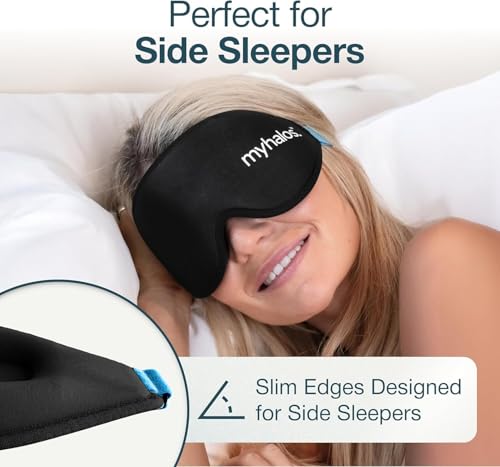
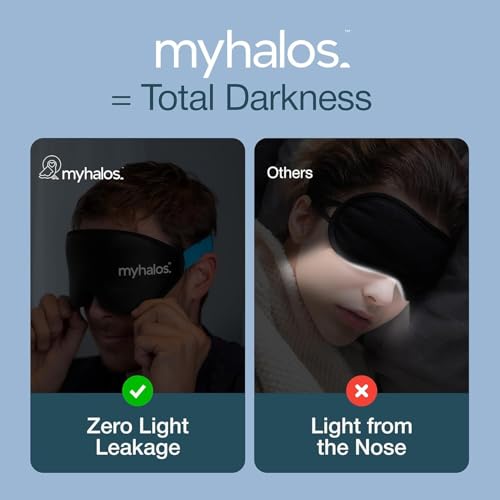
Light Control Without Making Sleep Complicated
Test Whether Light Is Actually the Problem
A sleep mask should reduce one issue: unwanted light. If it creates pressure, heat, slipping, or fussiness, it is not helping.
- Try it before packing
Wear it for a nap or a full night so you know whether it feels natural.
- Check pressure points
Notice whether it presses on the eyes, nose, temples, or ears.
- Compare light with other sleep issues
If the real issue is worry, schedule change, or noise, a mask will not solve it.
- Keep expectations modest
A mask may help with brightness, but it should not become another object you adjust all night.
Light control is separate from noise control, so this section focuses only on brightness and mask comfort.
If a Bright Room Disrupts Sleep, a Soft Mask Is Smaller Than Rearranging the Space
Packing Fewer Clothes Without Running Out
A Simple Laundry Plan for a Long Retreat
-
Confirm washing is allowed
Do not rely on laundry unless the center permits it and there is a realistic place to dry small items.
-
Choose quick-dry basics
Light tops, socks, and underlayers are easier to refresh than bulky clothing.
-
Wash only small items
Keep laundry discreet and simple instead of turning it into another daily project.
-
Use approved drying space
Avoid blocking shared areas or creating clutter with personal items.
-
Reduce clothing duplicates
If washing is realistic, you may not need a separate outfit for every day.
This is a real sequence, so a step-list fits better here than another takeaway block.
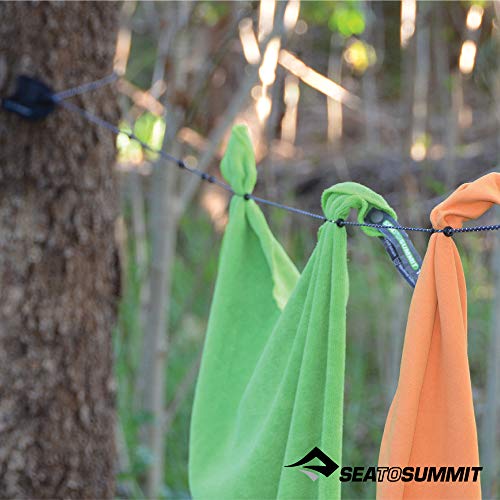
If Washing Small Items Is Allowed, a Clothesline Helps You Pack Less

Keeping Your Bag Organized Without Overpacking
Use Organization to Make the Bag Easier to Live With
- Separate by use Keep clothing, toiletries, sleep items, and documents from mixing together.
- Control clean and used items A simple system helps you avoid guessing what has already been worn.
- Make departure smoother Repacking after retreat is easier when items already have a place.
- Use fewer organizers than you own If one or two compartments solve the mess, do not use the whole set.
This section is about finding items faster, not packing more items neatly.
If organizers make you add more clothing, toiletries, gadgets, or “just in case” items, they are working against the retreat. Use them to reduce digging, not to justify a heavier bag.
If Your Bag Becomes a Mess Quickly, Packing Cubes Can Organize Less – Not More


What You Probably Do Not Need
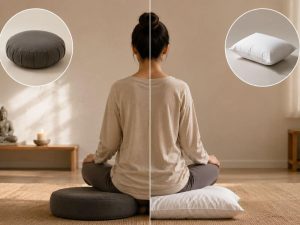
You may not. Many centers provide sitting support, and some restrict personal gear.
Before buying anything, ask do you need a meditation cushion for your actual retreat setting.
A cushion only helps if it matches the way your body sits and the center allows it.
If personal support is allowed and sitting is already difficult, compare options in a best meditation cushion for Vipassana guide after identifying the main issue.
A zafu raises the seat while a zabuton pads the floor, but you may need one, both, neither, or a chair.
If the terms are confusing, review zafu vs zabuton before packing bulky support you may not use.
Many Vipassana centers restrict reading, writing, music, and entertainment during the course.
Packing distraction can weaken the container you are going there to enter.
Readiness comes from clear rules, fewer loose ends, and a bag that does not create new decisions.
A few practical items can help. A performance version of “retreat gear” usually does not.
Body Discomfort Is Not Always a Packing Problem
If leg numbness is already a concern, learn how to sit longer in Vipassana without your legs going numb before assuming your packing list is the problem.
Final 24-Hour Packing Check
-
Read the center instructions one last time
Check arrival time, clothing rules, phone policy, medication rules, bedding details, and restricted items.
-
Remove what does not belong
Take out entertainment, scented extras, unnecessary tech, unapproved support gear, and anything packed only from nervousness.
-
Confirm offline basics are ready
Make sure the document packet, health notes, and travel details are packed where you can reach them.
-
Choose the clothing set
Pack modest, breathable, non-distracting layers that you have already worn while sitting.
-
Test optional tools
Check the alarm, earplugs, sleep mask, and any laundry or organization items you plan to rely on.
-
Settle home handoffs
Handle pets, plants, bills, deliveries, keys, and emergency contact expectations before departure.
-
Close the bag
Once real needs are covered, stop adding objects.
The final check is not about finding more things to pack. It is about ending the packing process.
This article helps you think clearly, but the official retreat instructions come first. If an item involves phones, scents, writing, personal cushions, sleep aids, laundry, food, or medication storage, confirm the rule before packing it.
FAQ
What should I bring to a 10-day Vipassana retreat?
Bring what your retreat center requires first: modest clothing, toiletries, medication, identification, travel details, and emergency contact information. Optional items may include a non-phone alarm, earplugs, a sleep mask, or laundry support if they solve a real problem and are allowed.
Do I need special clothes for Vipassana?
You do not need special spiritual clothing. You need loose, modest, breathable clothing that works for sitting, walking, sleeping, and shared spaces. Avoid anything tight, noisy, flashy, or untested.
Can I bring my phone to a Vipassana retreat?
Many centers collect phones or ask students not to use them during the course. Check the exact policy before arrival. If you normally rely on your phone for alarms, travel details, or contact information, prepare an offline alternative.
Should I bring earplugs or a sleep mask?
They can help if noise or light regularly affects your sleep. They are not required for everyone. Test them before leaving and confirm they fit the retreat environment.
Do I need a meditation cushion?
Not necessarily. Many centers provide sitting support, and some have rules about personal cushions. If long sitting already causes pain, numbness, or instability, ask what support is available before packing your own.
What should I not bring to a Vipassana retreat?
Avoid anything the center restricts, plus items that create scent, sound, light, clutter, or unnecessary decisions. Also avoid packing comfort items simply because you feel nervous.
How do I avoid overpacking for a retreat?
Start with the official list, add only items that solve a clear friction, then remove duplicates and anxiety-driven extras. A calmer bag is usually a smaller bag.
Pack Fewer Things, but Choose Them More Honestly
- Required items come before optional supports
- Pack for real friction, not anxiety
- Keep scent, sound, light, and clothing simple
- Use products only when they solve a known problem
- Close the bag when it already supports the retreat
What you really need for a 10-day Vipassana retreat is not a perfect kit. You need required items, modest clothing, simple hygiene, health basics, a clear arrival plan, and a few optional supports only where they solve real friction. When you come home, a quiet sitting corner for rest and reflection can help re-entry feel softer without turning the retreat into another project.