Organic hair shampoo for hair loss can be useful when your scalp feels stripped, itchy, or sensitive—but it is not a treatment for medical hair loss.
This guide explains how organic, natural, and sulfate-free shampoos may support scalp comfort, reduce wash-day breakage, and help hair feel fuller-looking without making unrealistic regrowth claims. If you are still comparing labels before buying, start with this guide on how to choose organic shampoo for hair loss, then use the sections below to understand what actually matters for your scalp.
- When organic shampoo may help thinning-looking or fragile hair
- Which ingredients support scalp comfort without harsh cleansing
- When shampoo is not enough and a dermatologist makes more sense
- How to build a gentler wash routine without chasing miracle hair-growth claims
A gentle organic hair shampoo may help if your scalp feels stripped, itchy, dry, or irritated after washing. It may also reduce wash-day friction and breakage when fragile hair needs a softer routine. But shampoo cannot diagnose, reverse, or treat medical hair loss. If shedding is sudden, patchy, painful, or paired with redness, scaling, or scalp inflammation, speak with a dermatologist instead of relying on shampoo alone.
Use organic shampoo as scalp support, not as a cure. The goal is a gentler baseline for fragile or thinning-looking hair.
What does organic hair shampoo mean when you are dealing with hair loss?
- Organic hair shampoo
A shampoo made with organic or organically grown ingredients, depending on the brand and certification. It may feel gentler, but the word organic does not automatically mean it can stop hair loss.
- Natural shampoo
A broader term for shampoos that use plant-based, botanical, or naturally derived ingredients. Natural does not always mean certified organic, fragrance-free, or safe for every sensitive scalp.
- Sulfate-free shampoo
A shampoo made without common sulfate cleansers such as SLS or SLES. It may be helpful if your scalp feels stripped or tight after washing, but it is not a hair-loss treatment.
- Hair-loss shampoo
A shampoo marketed for shedding, thinning-looking hair, or breakage. Some formulas support scalp comfort or fuller-looking hair, but shampoo cannot treat the underlying cause of medical hair loss.
When organic shampoo may help with hair loss concerns
- Your scalp feels tight or stripped after washingA gentler organic or sulfate-free shampoo may help if regular shampoo leaves your scalp feeling dry, tense, or uncomfortable for hours after washing.Look forMild cleansers, fragrance-free or low-fragrance formulas, aloe, oat, chamomile, or other scalp-calming ingredients.AvoidVery strong cleansing, heavy fragrance, or formulas that make your scalp feel squeaky-clean but irritated.
- Your hair breaks easily during wash dayIf many of the hairs you notice are short, snapped, or rough-looking, the issue may include breakage rather than only shedding from the root.Look forSoft cleansing, less friction, conditioning support, and ingredients that help strands feel smoother without weighing roots down.AvoidScrubbing aggressively, piling hair on top of your head, or using a formula that leaves strands rough and tangled.
- Your scalp reacts to fragrance or active botanicalsNatural does not always mean gentle. Some rosemary, peppermint, or essential-oil-heavy shampoos can feel too stimulating for reactive scalps.Look forUnscented, simple, sensitive-scalp formulas if your scalp often feels itchy, hot, or easily irritated.AvoidChoosing a shampoo only because it sounds botanical if your scalp usually dislikes scented or tingling products.
- Your hair looks thinner because roots feel flat or overloadedA lighter organic shampoo may help hair look fuller when buildup, oil, or heavy formulas make the roots collapse quickly after washing.Look forLightweight cleansing, sulfate-free formulas, and a clean finish that does not leave roots greasy or coated.AvoidVery creamy shampoos if your fine hair becomes flat, limp, or heavy soon after washing.
Organic hair shampoo is not the right first solution if shedding becomes sudden, patchy, painful, or unusually heavy. It also should not delay proper help if your scalp is red, crusty, burning, heavily scaling, or visibly inflamed. In those cases, a gentle shampoo may still feel more comfortable, but the priority is understanding the cause—not buying a stronger hair-loss shampoo.
Organic shampoo ingredients that may support a healthier scalp environment
How to wash fragile hair with organic shampoo without causing extra breakage
-
Wet your hair fully before applying shampoo
Let warm water loosen oil and buildup first so you need less product and less rubbing at the roots.
-
Massage the scalp with your fingertips, not your nails
Focus on the scalp, not the full length of your hair. Use slow circular motions and avoid piling fragile hair on top of your head.
-
Let the rinse move through the lengths
The shampoo running down your hair is usually enough to cleanse the lengths without rough scrubbing or twisting.
-
Blot with a soft towel instead of rubbing
After rinsing, press water out gently. Rubbing wet hair can increase friction, tangles, and visible breakage.
If your main issue is gradual thinning rather than sudden shedding, this gentle routine pairs well with a broader guide to organic shampoo for thinning hair.
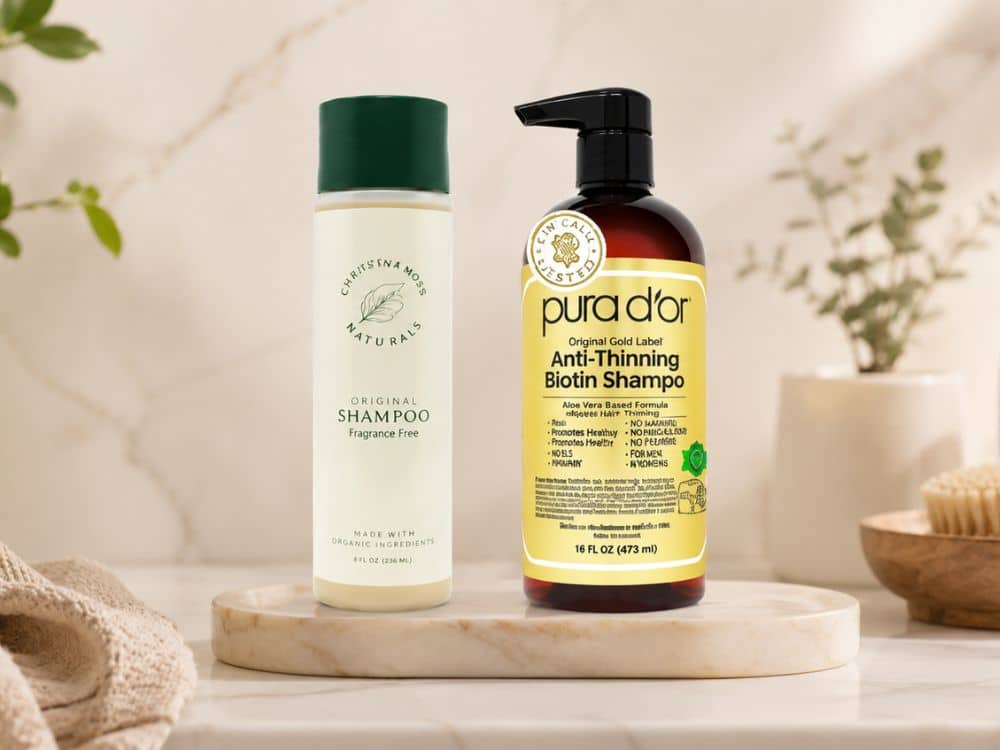
Two organic shampoo examples for different scalp needs
For sensitive scalp: Christina Moss Naturals Shampoo

An unscented organic-leaning shampoo for sensitive scalps that need gentle cleansing without fragrance-heavy or overly stimulating ingredients.
For fuller-looking hair support: PURA D’OR Original Gold Label
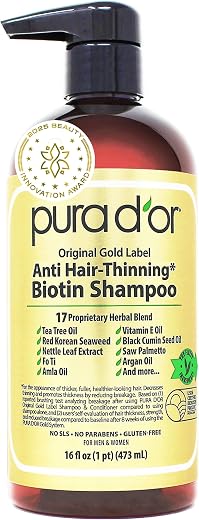
A botanical anti-thinning shampoo for fuller-looking hair, gentle cleansing, and breakage-aware support during regular wash-day routines.
The two shampoos above are only examples of different formula directions: one for sensitive scalp comfort and one for fuller-looking hair support. If you want a broader product shortlist, use this guide to the best organic shampoo for hair loss, where the picks are separated by scalp type and hair need.
Choose organic shampoo as scalp support, not as a hair-loss cure
- Use organic shampoo when harsh cleansing, fragrance, or dryness makes your scalp feel worse
- Focus on scalp comfort, gentle cleansing, and reduced wash-day breakage instead of regrowth promises
- Choose sensitive-scalp formulas if your scalp reacts easily, and botanical anti-thinning formulas only when your scalp tolerates them
- Get professional help if shedding is sudden, patchy, painful, or paired with visible scalp irritation
Organic hair shampoo for hair loss is most useful when it helps your scalp feel calmer, your wash routine feel gentler, and fragile hair go through wash day with less friction. It should not be treated as a cure for shedding, bald patches, hormonal hair loss, or scalp inflammation. The smartest approach is to match the shampoo to your scalp, keep expectations realistic, and use product guides only when you are ready to compare specific formulas.