You do not always need both organic shampoo and conditioner for hair loss. You need shampoo for the scalp, conditioner for the lengths, and both only when your roots and strands need different kinds of help.
This guide explains when an organic shampoo and conditioner routine makes sense, when conditioner may be unnecessary, and why conditioner can seem like it causes hair loss even when the real issue is buildup, irritation, tangling, or breakage. If you are still deciding whether shampoo alone is enough, start with this broader guide to organic hair shampoo for hair loss, then use this article to decide whether your lengths also need conditioner support.
- When shampoo alone may be enough for hair loss concerns
- When conditioner helps protect fragile lengths from breakage
- How to tell root shedding apart from strand breakage
- How to use conditioner without weighing down roots or irritating the scalp
Do you need both organic shampoo and conditioner for hair loss?
The simplest rule is: shampoo supports the roots, conditioner supports the strands. Hair loss concerns become easier to manage when you stop expecting one product to solve both.
The difference between shedding and breakage before you choose shampoo and conditioner
- Root shedding
Hair that releases from the follicle, often as longer strands and sometimes with a tiny white bulb at one end. Shampoo and conditioner cannot stop medical shedding, but a gentler routine can make wash day feel less harsh.
- Strand breakage
Hair that snaps along the length, often appearing as shorter pieces, rough ends, or frayed strands. Conditioner is more relevant here because it can reduce friction, tangling, and rough detangling.
- Scalp support
The job of shampoo. A good organic or sulfate-free shampoo should cleanse the scalp without leaving it tight, itchy, stripped, or overloaded.
- Length protection
The job of conditioner. A good conditioner should add slip to the mid-lengths and ends so fragile hair is easier to rinse, detangle, and handle.
When you need both organic shampoo and conditioner for hair loss concerns
- Your scalp feels sensitive but your lengths feel dryUse organic shampoo to cleanse the scalp gently, then use conditioner only on the mid-lengths and ends so dry hair does not tangle and snap.Look forA gentle or sulfate-free shampoo for the scalp, plus a conditioner that adds slip without needing to touch the roots.AvoidApplying conditioner directly to a reactive scalp or skipping conditioner when dry ends are breaking.
- You see both full-length shedding and short broken hairsThis usually means you may be dealing with more than one issue: root shedding plus strand breakage from dryness, friction, or rough detangling.Look forA routine that keeps the scalp comfortable while making the lengths easier to rinse, detangle, and handle.AvoidSwitching shampoo repeatedly when the bigger visible problem may be breakage from the lengths.
- You wash often because of sweat, oil, or buildupFrequent washing can keep the scalp fresher, but the lengths may become rougher if you never condition them after shampooing.Look forLight conditioner on the ends only, especially if your roots get oily but your ends feel dry or catchy.AvoidUsing heavy conditioner near the scalp or skipping conditioner so often that detangling becomes harsh.
- Your hair is long, color-treated, curly, coarse, or heat-styledThese hair types often need conditioner because the lengths face more friction, dryness, tangling, and styling damage than short or very low-maintenance hair.Look forEnough conditioning slip to reduce tugging while rinsing, combing, and towel drying.AvoidExpecting organic shampoo alone to protect fragile lengths from snapping.
Organic shampoo and conditioner can make wash day gentler, but they cannot diagnose or treat medical hair loss. If shedding becomes sudden, patchy, painful, or unusually heavy, or if your scalp is red, crusty, burning, swollen, or heavily scaling, the next step is not buying a stronger routine. Use gentle products if they feel comfortable, but get proper help to understand what is happening at the scalp or follicle level.
Can conditioner cause hair loss?
Conditioner rarely causes true hair loss from the follicle.
What conditioner can do is make shedding look worse if it leaves buildup near the roots, irritates the scalp, or makes wet hair harder to rinse and detangle.
More hair in the drain does not always mean new hair loss.
Conditioner can loosen hairs that were already shed, and slippery wet hair may release collected strands during rinsing. Check whether you see full-length shed hairs, short broken pieces, or both.
Skipping conditioner can backfire when your lengths are dry, tangly, or breakage-prone.
Conditioner helps reduce friction and makes detangling gentler, so it can protect the hair you already have from snapping during wash day.
Organic does not automatically mean scalp-friendly.
Fragrance, essential oils, heavy texture, poor rinsing, or applying conditioner too close to the roots can still cause itch, heaviness, buildup, or irritation in some people.
How to use conditioner when you are losing hair without making wash day feel worse
- Shampoo the scalp, not the full length of your hair
Work organic shampoo into the roots with your fingertips, then let the rinse move through the lengths instead of roughing up fragile strands.
- Apply conditioner from mid-lengths to ends only
Keep conditioner away from the scalp unless the product is specifically made for scalp use. This reduces heaviness, residue, and itch risk around the roots.
- Use just enough slip to detangle gently
Fine hair usually needs a small amount, while thicker, curly, color-treated, or dry hair may need more. The goal is easier detangling, not a coated feeling.
- Rinse longer than you think you need to
Spend extra time rinsing around the hairline, crown, and nape so leftover conditioner does not create buildup, flat roots, or scalp discomfort.
- Blot with a towel instead of rubbing
After rinsing, press water out gently. Wet hair is more fragile, and rubbing can turn tangles into visible breakage.
If you are mainly trying to choose a better shampoo before building a full routine, use this guide on how to choose organic shampoo for hair loss before adding more products.
How to choose an organic shampoo and conditioner pairing for hair loss concerns
Organic shampoo and conditioner pairings worth considering
For fuller-looking support: PURA D’OR Original Gold Label Set

A botanical shampoo and conditioner set for fuller-looking hair support, scalp cleansing, and conditioning fragile lengths during wash day.
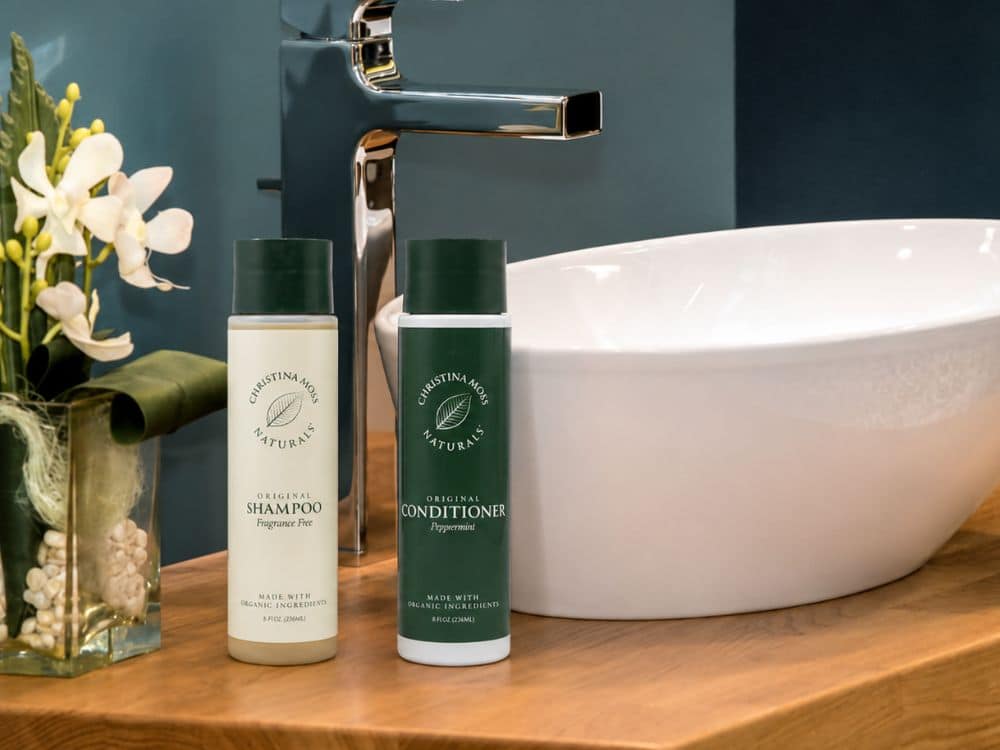
For sensitive scalp routines: Christina Moss Naturals Shampoo and Conditioner

An organic-style shampoo for sensitive scalps that need a simple, unscented cleanse without heavy fragrance or harsh-feeling buildup.

A natural conditioner for lengths that need gentle slip, less roughness, and easier detangling without silicone-heavy weight.
For fine or flat hair: Avalon Organics Biotin B-Complex Pairing
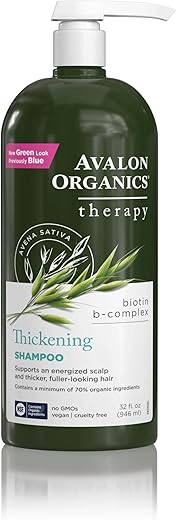
An organic biotin shampoo for fine or flat thinning-looking hair that needs body, freshness, and fuller-looking volume support.

A lightweight thickening conditioner for fine hair lengths that need nourishment, easier detangling, and volume-conscious softness.
If your lengths are not dry, tangled, or breakage-prone, you may not need a conditioner-focused routine. In that case, compare the best organic shampoo for hair loss by scalp type before buying a full shampoo and conditioner set.
A simple 2-week test to know if you really need both
-
Keep your shampoo consistent
Use the same organic or sulfate-free shampoo during the test so you can judge scalp comfort without changing too many things at once.
-
Use conditioner only on the mid-lengths and ends
Apply it away from the scalp every wash day if your hair tangles, feels rough, or breaks easily when wet.
-
Track scalp comfort after each wash
Notice itch, tightness, burning, heaviness, or buildup. If discomfort appears after conditioning, check placement and rinse time before blaming conditioner itself.
-
Track breakage, not just the drain
Look for short snapped hairs, rough ends, and tugging during detangling. Breakage often improves sooner than true root shedding.
-
Change only one thing if the routine feels wrong
If roots feel heavy, use less conditioner or rinse longer. If ends still snap, you may need a better conditioner rather than another shampoo switch.
After two weeks, you likely need both if your scalp feels calmer and your lengths are easier to detangle with less visible breakage.
You need the right job for each product, not always more products
- Use organic shampoo when your scalp needs gentle cleansing, less buildup, or a less stripped feeling
- Use conditioner when your lengths feel dry, rough, tangled, or prone to snapping during detangling
- Keep conditioner away from the scalp unless the product is specifically designed for scalp use
- Judge your routine by scalp comfort, easier detangling, and less breakage – not by miracle regrowth claims
Organic shampoo and conditioner for hair loss only make sense when your scalp and your lengths need different kinds of support. Shampoo belongs at the scalp, where gentle cleansing and less irritation matter most. Conditioner belongs on the mid-lengths and ends, where slip, softness, and easier detangling can reduce visible breakage. The goal is not to build a bigger routine – it is to make wash day calmer, less damaging, and easier to repeat consistently.