Ingredients to avoid in conditioner for dry hair are not always “dangerous” ingredients. They are often ingredients that do not match your scalp, your strand texture, or the way your hair reacts after conditioning.
Use “avoid” in a practical way: be more cautious with ingredients that trigger itching, tightness, or redness if your scalp is sensitive, and be more cautious with formulas that leave dry hair coated, stiff, rough, or heavy if your hair keeps reacting that way.
This guide will help you read conditioner labels by symptoms instead of fear. You’ll learn which ingredients to watch first, how to tell irritation from buildup or protein overload, and when a gentler conditioner direction makes more sense. If you want the bigger framework beyond ingredients, start with this step-by-step choosing framework.
What to Know Before Reading the Label
- Avoid does not always mean dangerous In this guide, “avoid” means be cautious if your scalp or hair reacts badly. The goal is not fear-mongering; it is choosing a conditioner that leaves dry hair softer, calmer, and easier to manage.
- Start with your symptoms If your scalp feels itchy, tight, red, or stingy, check irritation triggers first. If your hair feels coated, heavy, rough, or stiff, check buildup, coating agents, and protein-heavy formulas.
- Fragrance is the first easy test For a sensitive scalp, fragrance, parfum, aroma, and strong essential-oil blends are often the simplest category to test first by switching to a fragrance-free conditioner for a short period.
- Silicones and proteins are not automatically bad Some dry hair does well with silicones or protein. The problem is fit: buildup can make hair feel heavy, while too much protein can make some dry hair feel stiff or brittle.
- A better conditioner should improve the feel of wash day The right formula should help dry hair feel softer, easier to detangle, and less rough after rinsing. If your hair feels worse each time, the label may not match your hair’s needs.
For this article, “avoid” does not mean every ingredient listed below is dangerous for everyone. It means the ingredient is worth checking if your scalp feels itchy, tight, red, or irritated – or if your dry hair keeps feeling coated, rough, heavy, stiff, or harder to detangle after conditioning.
Key Terms Before You Judge a Conditioner Label
- Fragrance-free
A product labeled fragrance-free is made without added fragrance for scent. This is usually a better first test than “unscented” if your scalp reacts easily.
- Unscented
Unscented does not always mean fragrance-free. Some unscented products may use masking ingredients to hide odor, so sensitive users should still read the label carefully.
- Buildup
A coated or heavy feeling that can happen when conditioning agents, styling products, oils, or film-formers accumulate on the hair. For dry hair, buildup can make ends feel dry underneath but slick or dull on the surface.
- Protein overload
A practical hair-care term for when protein-heavy products make some hair feel stiff, rough, brittle, or straw-like. Protein is not bad, but some dry hair does better with more moisture and less frequent protein use.
- Contact allergy
A skin reaction that can happen when a sensitive person reacts to a specific ingredient. If your scalp repeatedly feels itchy, red, sore, or irritated after using conditioner, ingredient triggers are worth checking.
Common Conditioner Ingredient Myths That Make Dry Hair Harder to Fix
If you are choosing a conditioner because the label says “chemical-free,” pause and define what that claim actually means. It is usually a marketing phrase, not a guarantee that the formula will suit dry hair or a sensitive scalp. For more context, read our guide to what chemical-free conditioner really means before using that phrase as your only filter.
Ingredients to Avoid in Conditioner for Dry Hair
- Fragrance, parfum, aroma, and strong essential-oil blendsIf your scalp feels itchy, tight, red, stingy, or irritated after conditioning, fragrance is one of the first categories worth checking. This includes obvious fragrance terms and strong natural scent blends that can still bother reactive scalps.Look forFragrance-free conditioner if your scalp reacts easily; simple scent-free formulas during a short test periodAvoidFragrance, parfum, aroma, heavy essential-oil blends, or cooling/tingling formulas if your scalp is already sensitive
- MI/MCI preservatives if you are allergy-pronePreservatives are necessary in water-based conditioners, so this is not about fearing all preservatives. But if you have unexplained scalp itching or a history of contact allergy, methylisothiazolinone and methylchloroisothiazolinone are names worth recognizing.Look forPreservative systems your scalp tolerates, especially if you already know you react to MI or MCIAvoidMethylisothiazolinone and methylchloroisothiazolinone if your dermatologist has told you to avoid them or your scalp repeatedly reacts
- Formaldehyde releasers if your scalp is reactiveSome allergy-prone readers may want to recognize formaldehyde-releasing preservatives on conditioner labels. This is not a panic list; it is a practical watch list if your scalp repeatedly becomes itchy, sore, or inflamed after hair products.Look forFormulas that clearly avoid formaldehyde releasers if you are sensitive or allergy-proneAvoidDMDM hydantoin, diazolidinyl urea, imidazolidinyl urea, quaternium-15, and bronopol if these are known triggers for you
- Heavy coating agents when hair feels coated or limpDry hair can still become weighed down. If conditioner makes your hair feel soft at first but then dull, heavy, flat, or coated, the issue may be too much film-forming or coating weight for your strand type.Look forLightweight conditioning, cleaner rinse-out, and formulas that soften without leaving a waxy or coated feelAvoidVery heavy, waxy, or rich formulas near the roots if your dry hair becomes limp, dull, or greasy quickly
- Water-insoluble silicones if buildup is your patternSilicones are not automatically bad for dry hair. The issue is pattern: if your hair gets smooth for one or two washes, then starts feeling coated, dry underneath, or harder to refresh, buildup may be part of the problem.Look forLighter conditioners, water-soluble silicone options, or a routine that clarifies only when neededAvoidRepeating heavy silicone-rich formulas without clarifying if your hair keeps feeling coated and dry at the same time
- Protein-heavy formulas when hair feels stiff or brittleProtein can help some damaged hair, but too much protein too often can make some dry hair feel rigid, rough, straw-like, or brittle. If more conditioner does not make your hair softer, check whether your routine is too protein-heavy.Look forMore moisture-focused conditioners if your hair feels hard, rough, or brittle after protein useAvoidMultiple protein-heavy products at once, especially if hydrolyzed proteins appear high on several labels in your routine
Label-Reading Checklist Before You Buy
-
Start with what feels wrong after conditioning
If your scalp feels itchy, tight, red, or stingy, start with irritation triggers. If your dry hair feels heavy, coated, rough, or stiff, start with buildup, coating weight, and protein-heavy formulas.
-
Scan for fragrance terms first
Look for fragrance, parfum, aroma, or strong essential-oil blends. If your scalp is reactive, a fragrance-free conditioner test is often the clearest first move.
-
Check preservative names if you are allergy-prone
If you have a history of contact allergy or repeated scalp flare-ups, look for names like methylisothiazolinone, methylchloroisothiazolinone, DMDM hydantoin, diazolidinyl urea, imidazolidinyl urea, quaternium-15, or bronopol.
-
Look for coating or buildup patterns
If your hair feels smooth at first but dull, heavy, or dry underneath later, the formula may be too coating for your hair. This is a fit issue, not a reason to panic about every silicone or conditioning agent.
-
Check whether your routine is too protein-heavy
If your hair feels stiff, brittle, or straw-like even after conditioning, look for repeated hydrolyzed proteins across your shampoo, conditioner, mask, and leave-in products.
-
Test one change for two weeks
Switch only one major product at a time. If your scalp feels calmer and your hair feels softer, easier to detangle, or less coated, you have a clearer clue about what your dry hair was reacting to.
If the label looks fine but your dry hair still feels rough, heavy, or coated, check your application before blaming one ingredient. Using too much conditioner near the roots, not leaving it on long enough, or rinsing too quickly can all change how your hair feels after wash day. For a practical routine, see this guide on how to use chemical-free conditioner for dry hair.
Conditioner Picks Based on Your Avoid List
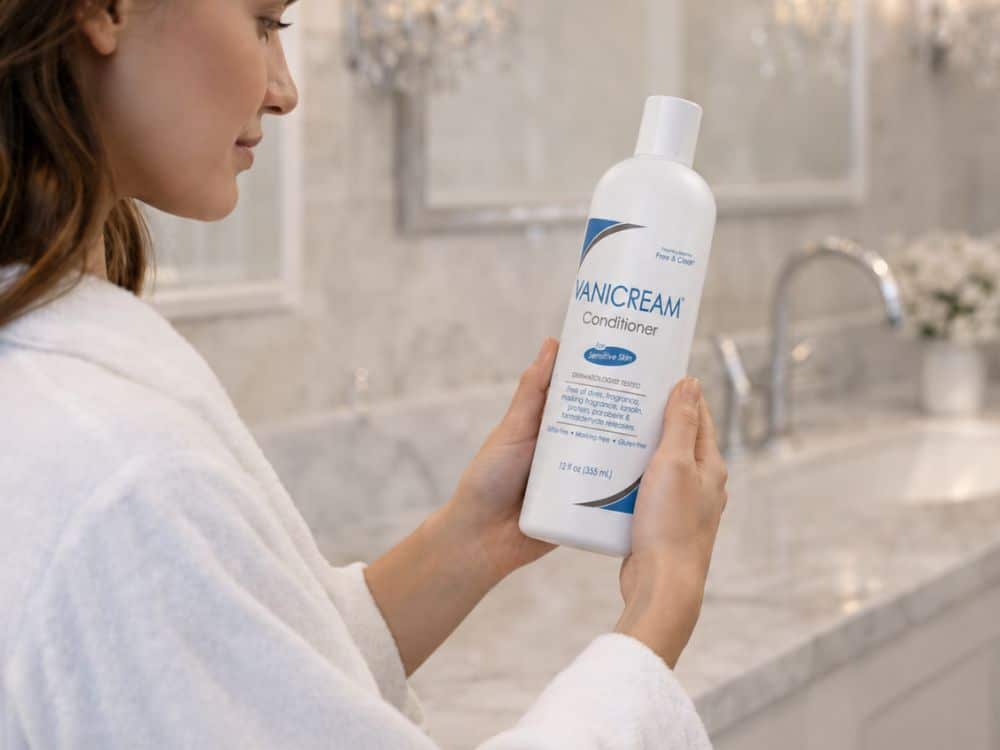
Best for Avoiding Irritation Triggers: Vanicream Conditioner for Sensitive Skin

A fragrance-free conditioner for sensitive-skin routines when you want to avoid several common conditioner trigger categories at once.
Best Fragrance-Free Pick: SEEN Conditioner Fragrance Free
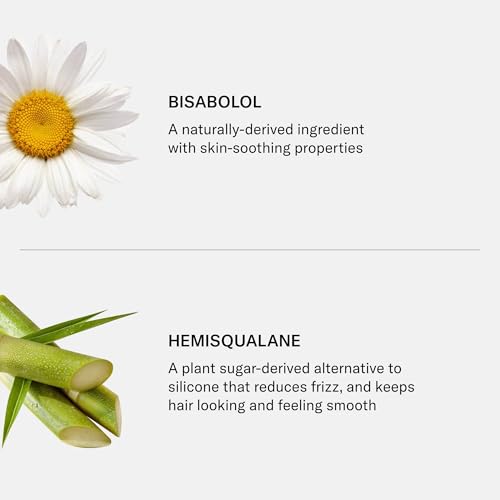

A fragrance-free conditioner direction for reactive skin routines when scent is your first ingredient category to test.
Best Gentle Detangler: ATTITUDE Extra Gentle Hair Conditioner
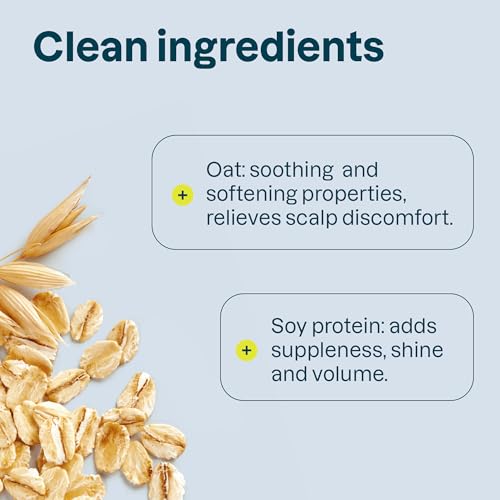

A gentle detangling conditioner direction for sensitive dry scalps when roughness and knots make wash day harder.
Best for Dry Hair + Sensitive Scalp: No nothing Moisture Conditioner
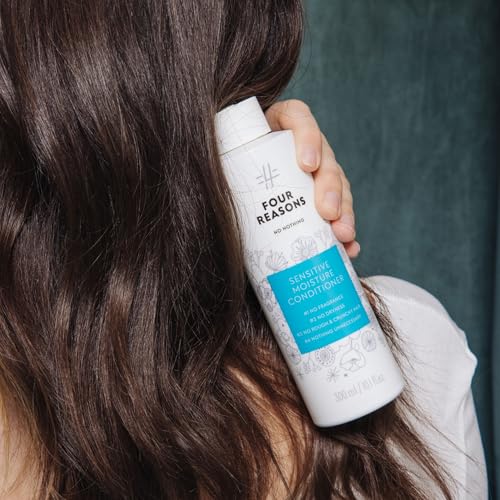

A fragrance-free moisture conditioner direction for dry hair when scalp sensitivity and softness both matter during wash day.
Best Lightweight Fragrance-Free Rinse: DHS Conditioning Rinse With Panthenol

A fragrance-free conditioning rinse direction for dry hair that needs softness without a rich, heavy conditioner feel.
A conditioner can be fragrance-free, hypoallergenic, organic, or made for sensitive skin and still not be the perfect match for your dry hair. Use the product examples above as starting points, then check how your scalp and hair actually respond: less itch, easier detangling, softer lengths, and no heavy coated feeling. If you want a broader product-focused list, see our guide to the best conditioner for dry hair without chemicals. If you are comparing organic labels specifically, read our guide to organic conditioner for dry hair before choosing only by the front label.
The Bottom Line
- If your scalp reacts easily, start by checking fragrance, parfum, aroma, strong essential-oil blends, and known allergy triggers.
- If your dry hair feels heavy or coated, look at formula weight, film-formers, and buildup patterns before assuming you need more moisture.
- If your hair feels stiff or brittle, check whether your routine is too protein-heavy across multiple products.
- Choose conditioners by symptom fit, label clarity, and how your hair feels after a short test period — not by “free-from,” “organic,” or “chemical-free” claims alone.
Ingredients to avoid in conditioner for dry hair depend on what your hair and scalp are telling you. The goal is not to fear every ingredient, but to notice patterns: itching, tightness, buildup, roughness, heaviness, or stiffness after conditioning.