A chemical-free conditioner can sound like the safest choice for dry hair, but the label alone does not guarantee softness, slip, or lasting moisture. The better question is whether the formula avoids common irritants while still giving dry hair enough conditioning support.
This guide explains what “chemical-free” really means in hair care, what dry hair still needs from a conditioner, which ingredients matter more than front-label claims, and when you should use a deeper choosing guide instead. If you are already comparing formulas, start with this guide on how to choose a chemical-free conditioner for dry hair after you understand the basics here.
- What chemical-free really means in conditioner labels
- Why dry hair needs more than ingredient avoidance
- Which ingredients support moisture, slip, and softness
- How this differs from natural or organic conditioner choices
What “chemical-free” really means in conditioner
- Chemical-free conditioner
There is no truly chemical-free conditioner, because every formula is made from chemical substances, including water. In hair care, the phrase usually means the conditioner avoids certain ingredients shoppers consider harsh or unwanted.
- Without harsh chemicals
This usually points to formulas made without ingredients such as sulfates, parabens, heavy silicones, synthetic fragrance, or artificial dyes. It tells you what may be excluded, not whether the formula deeply conditions dry hair.
- Silicone-free conditioner
Silicone-free conditioners avoid common coating agents that create instant smoothness. They may feel lighter, but dry hair can still need enough oils, fatty alcohols, and conditioning agents for softness and slip.
- Sulfate-free conditioner
Sulfates are more relevant to shampoos than conditioners, but some shoppers still use sulfate-free as part of a gentler hair-care standard. The key is whether the whole routine avoids stripping dry hair.
- Dry-hair support
For dry hair, the important question is not only what the conditioner leaves out. The formula still needs moisture, slip, and light protection so hair feels softer, easier to detangle, and less rough after drying.
Is chemical-free conditioner good for dry hair?
- It can help, but not by label alone A chemical-free conditioner may help dry hair if it avoids irritants while still providing enough moisture, slip, and softness.
- Avoiding ingredients is only half the job Dry hair does not just need fewer harsh ingredients; it also needs conditioning agents that reduce roughness and friction.
- Too minimal can make hair feel worse Some clean-looking formulas feel light but leave dry hair tangled, stiff, or under-conditioned after rinsing.
- Formula balance matters most Look for a conditioner that combines gentle positioning with humectants, fatty alcohols, oils, or butters that support dry strands.
- Use this article as the foundation This guide explains the label and formula basics before you move into choosing, using, or comparing specific conditioners.
For dry hair, the best chemical-free-style conditioner is the one that avoids your triggers without removing the conditioning support your hair needs.
What dry hair still needs from a chemical-free conditioner
- Moisture that lasts after rinsingDry hair needs ingredients that help it feel softer after it dries, not only while the conditioner is still on in the shower.Look forHumectants such as glycerin, aloe vera, or honey-derived ingredients that help hair hold hydration longer.AvoidVery minimal formulas that feel clean but leave hair thirsty again within a few hours.
- Slip that reduces friction and tanglesDry hair often feels worse when strands rub together, knot, or resist detangling. A useful formula should make handling easier.Look forConditioning agents, fatty alcohols, and balanced oils that help strands separate without pulling.AvoidConditioners that leave hair squeaky, stiff, or rough even though the label looks gentle.
- Softening support without heavy buildupHair that is dry but fine needs softness without roots collapsing or lengths feeling coated.Look forLight oils, balanced butters, or fatty alcohols that soften without making the hair feel greasy.AvoidOil-heavy formulas that make fine dry hair flat, limp, or coated after one wash.
- Scalp comfort without fragrance overloadA chemical-free-style conditioner can still irritate a sensitive scalp if it relies heavily on essential oils or strong fragrance blends.Look forLower-fragrance or scalp-conscious formulas if your scalp gets tight, itchy, or reactive.AvoidStrong peppermint, tea tree, citrus, or perfume-heavy formulas if your scalp already reacts easily.
- Enough richness for your dryness levelAvoiding harsh ingredients is useful, but very dry, coarse, or damaged hair often needs a richer formula than a lightweight clean conditioner can provide.Look forCreamier conditioners with enough moisture, slip, and softening support for your hair texture.AvoidStaying with a conditioner that feels safe on paper but leaves your hair rough, tangled, or under-conditioned.
If your hair stays dry, rough, or itchy after switching products, check the ingredient list instead of relying only on “chemical-free” wording. This guide to ingredients to avoid in conditioner for dry hair can help you spot formulas that sound gentle but may still leave dry hair unsupported.
Chemical-free vs natural vs organic conditioner
Chemical-free
Usually focuses on what the conditioner avoids, such as harsh surfactants, parabens, heavy silicones, synthetic fragrance, or artificial dyes. It does not automatically tell you whether the formula moisturizes dry hair well.
Natural
Usually describes ingredient sources, such as plant oils, butters, or botanical extracts. Natural ingredients can help dry hair, but they can also be too heavy, too light, or irritating if the formula is not balanced.
Organic
Usually refers to how some ingredients are grown or sourced. It may matter for your values, but it is not a direct guarantee of softness, slip, or moisture retention for dry hair.
Best question to ask
Instead of asking which label sounds cleanest, ask whether the conditioner gives your dry hair enough moisture, slip, softness, and scalp comfort after washing.
Chemical-free-style conditioners worth considering by dry-hair need
Lightweight Pick: Acure Ultra Hydrating Conditioner
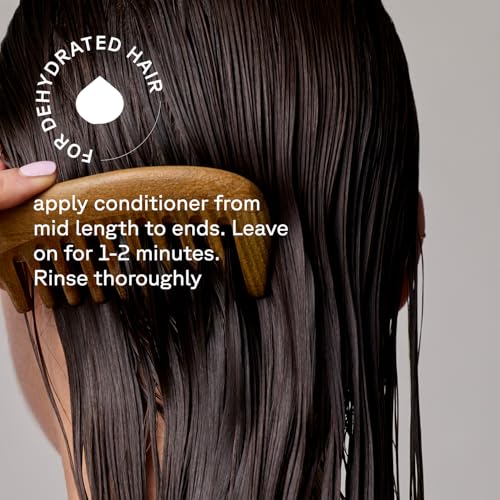
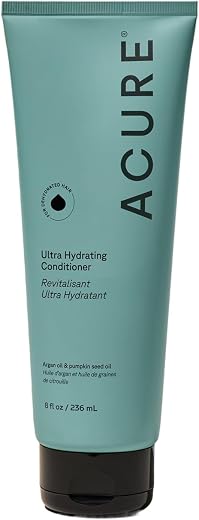
A lightweight conditioner for fine, dry, or color-treated hair that needs moisture without losing movement or feeling coated.
Rich Cream Pick: INNERSENSE Organic Beauty Hydrating Cream Conditioner


A rich cream conditioner for thick, coarse, or thirsty hair that needs more slip, softness, and frizz support.
Sensitive Scalp Pick: ATTITUDE Nourishing Hair Conditioner

A gentle conditioner for dry hair with a sensitive scalp that needs softness without a heavy or irritating feel.
A better formula can help, but dry hair may still feel rough if conditioner is applied too close to the scalp, rinsed too quickly, or not worked through the ends. If that sounds familiar, use this guide on how to use chemical-free conditioner for dry hair before switching products again.
Choose the formula your dry hair actually responds to
- Chemical-free does not mean free of all chemicals
- Dry hair still needs moisture, slip, and softening support
- The best choice depends on your dryness level, scalp comfort, and formula balance
A chemical-free conditioner for dry hair is useful only when it avoids your personal triggers while still giving your hair enough moisture, slip, and softness. If the formula is too minimal, your hair may still feel rough, tangled, or under-conditioned after drying. Once you understand the basics, compare options in this guide to the best conditioner for dry hair without chemicals so you can choose by hair need instead of label claims alone.