The best conditioner for dry hair without chemicals should make dry, rough, or frizzy hair feel softer without relying on harsh sulfates, synthetic fragrance, dyes, or heavy buildup. The right pick depends on whether your biggest issue is dryness, frizz, scalp sensitivity, damage, or needing a gentle everyday formula.
In this guide, “without chemicals” means cleaner, gentler formulas – not that a conditioner contains no chemicals at all. We focus on conditioners for practical hair-care needs: dry or frizzy hair, sensitive scalps, fragrance-free routines, and damaged hair that needs more moisture. If you want the full ingredient-selection framework first, read this guide on how to choose professional organic conditioner for dry hair.
- Best fragrance-free conditioner for sensitive scalps
- Best gentle conditioner for everyday family use
- Best conditioner for dry scalp and mild routines
- Best conditioner for frizzy hair without chemicals
- Best premium conditioner for dry, damaged hair
Choose by your hair’s main problem
Best conditioners for dry hair without chemicals
Which conditioner fits your dry hair problem?
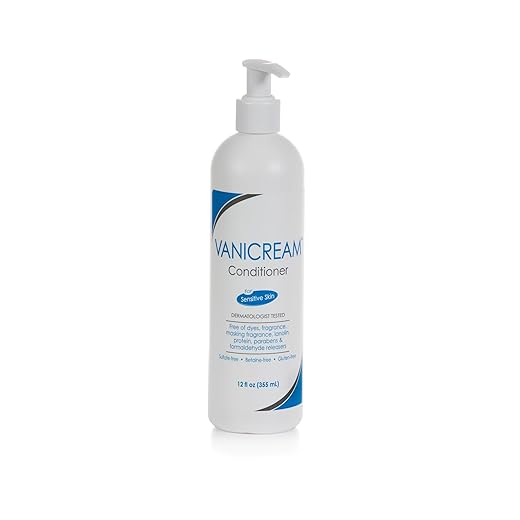
- Choose Vanicream if you want the best fragrance-free conditionerVanicream is the simplest pick if your scalp reacts easily or you want to avoid fragrance, dyes, lanolin, parabens, and formaldehyde releasers. It is best for sensitive scalps and low-irritation routines, but it is not the richest option for very damaged hair.Look forFragrance-free, dye-free, sensitive-scalp friendly formulaAvoidChoosing it if you want a rich repair conditioner with a more cosmetic feel
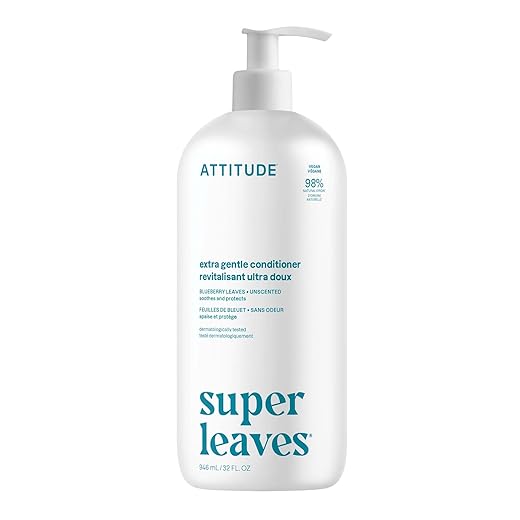
- Choose ATTITUDE Extra Gentle for everyday family useATTITUDE Extra Gentle makes sense if you want a mild, unscented conditioner for regular use without a heavy finish. It is a practical choice for households, simple routines, and dry hair that needs gentle softening rather than intensive repair.Look forUnscented, naturally derived, vegan, large-size everyday conditionerAvoidExpecting it to perform like a deep treatment for severely damaged hair
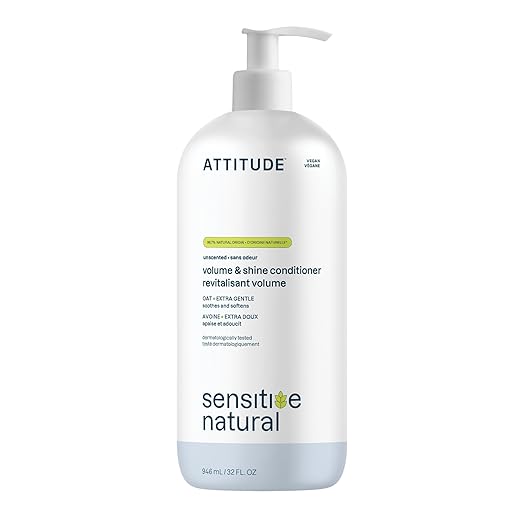
- Choose ATTITUDE Soothing Oat if your scalp feels dry or sensitiveThe Soothing Oat version is better when dry hair comes with scalp discomfort, sensitivity, or a need for a calmer formula. It is the more scalp-focused ATTITUDE pick, while Extra Gentle is the broader everyday option.Look forOat-based, extra-gentle support for dry scalp comfortAvoidUsing it as your main pick if frizz control is the bigger problem
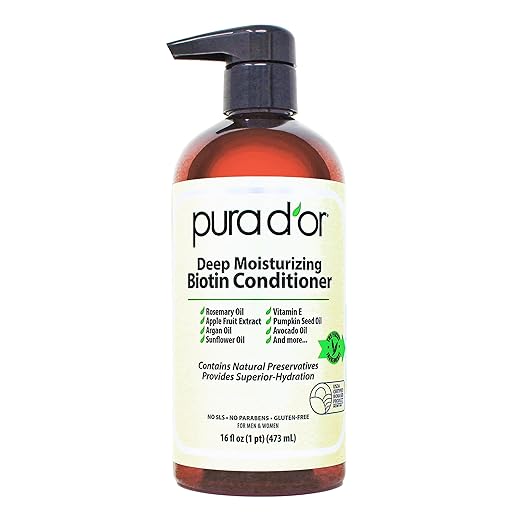
- Choose PURA D’OR if frizz and rough texture are the main issuePURA D’OR is the strongest fit for people searching for the best conditioner for frizzy hair without chemicals. It is better when you want softer feel, smoother texture, and more moisturizing support for dry, rough, or frizz-prone hair.Look forMoisturizing formula with argan oil, vitamin E, and frizz-focused supportAvoidChoosing it if your top priority is the most minimal fragrance-free formula
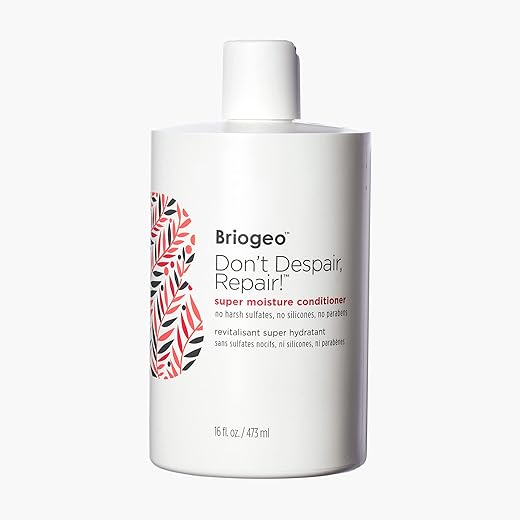
- Choose Briogeo if your hair is very dry, brittle, or damagedBriogeo is the premium pick for dry damaged hair that needs richer conditioning. It is best when a basic gentle conditioner is not enough and you want a clean-beauty formula focused on softness, repair feel, and moisture support.Look forRicher conditioning for very dry, brittle, or damaged hairAvoidChoosing it if you mainly need a budget-friendly everyday conditioner
No conditioner is truly chemical-free because water, plant oils, and botanical extracts are chemicals too. In this guide, conditioner without chemicals means formulas that avoid the ingredients many shoppers are trying to skip: harsh sulfates, synthetic fragrance, dyes, parabens, formaldehyde releasers, or heavy buildup that can make dry hair feel worse. For broader context on fragrance ingredients in cosmetics, see the FDA guide to fragrances in cosmetics.
How we chose these conditioners
We matched each conditioner to a specific dry-hair problem instead of ranking every product as if all hair needs the same kind of moisture.
We prioritized formulas that can help dry, rough hair feel softer without making the hair feel coated or heavy.
We looked for options that make sense for frizzy hair, rough texture, and people searching for a conditioner that improves softness and shine.
We favored products with clear free-from or gentle-positioning signals, such as fragrance-free, dye-free, unscented, naturally derived, vegan, or clean-beauty claims.
We separated sensitive-scalp, family-friendly, frizz-focused, and damaged-hair picks so readers can choose by actual use case instead of brand popularity.
Best conditioners for dry hair without chemicals
Best fragrance-free conditioner: Vanicream Conditioner

Vanicream is the safest starting point if you want a conditioner for dry hair without fragrance, dyes, lanolin, parabens, or formaldehyde releasers. It is best for sensitive scalps and low-irritation routines, not for people who want a rich, salon-like repair feel.
- Gentle for sensitive scalp routines
- Fragrance-free formula buyers appreciate
- Can leave hair feeling soft and silky
- Does not commonly irritate scalp or skin
- Good simple option for low-irritation care
- Texture may feel too thick for some users
- Mixed feedback on hair condition results
- May not moisturize enough for very dry hair
- Some users say hair still feels dry or brittle
Best gentle family-friendly conditioner: ATTITUDE Extra Gentle Hair Conditioner
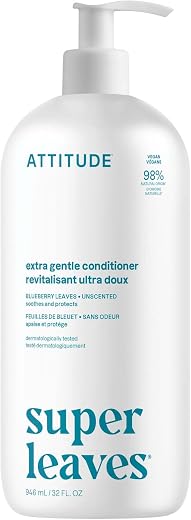
ATTITUDE Extra Gentle is a practical pick if you want a mild, unscented conditioner for dry hair without a strong fragrance or heavy cosmetic feel. It is best for everyday routines, sensitive-skin households, and people who want naturally derived conditioning support rather than an intensive repair treatment.
- Unscented formula for fragrance-sensitive routines
- Naturally derived ingredient positioning
- Can leave hair soft and moisturized
- Useful slip for basic detangling
- Large bottle works for regular family use
- May not feel rich enough for very dry hair
- Some users find the texture too thin
- May not satisfy people wanting strong repair
- Not the most targeted frizz-control pick
Best for sensitive dry scalp: ATTITUDE Soothing Oat Conditioner
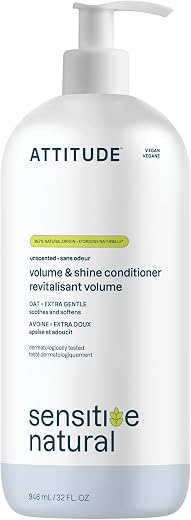
ATTITUDE Soothing Oat is a gentle pick for dry hair when scalp comfort matters as much as softness. Its oat-focused, unscented formula is best for sensitive or dry scalps that need light conditioning support rather than a rich repair treatment.
- Gentle option for sensitive scalp routines
- Oat-focused formula for scalp comfort
- Fragrance-free positioning for scent-sensitive users
- Can help hair feel softer and easier to detangle
- Better fit for fine or easily weighed-down hair
- May not soothe every dry or itchy scalp
- Not rich enough for severe dryness or damage
- Some users may notice a light oat-like scent
- Less targeted for heavy frizz control
Best conditioner for frizzy hair without chemicals: PURA D’OR Deep Moisturizing Biotin Conditioner

PURA D’OR is the best fit in this roundup if your dry hair also feels frizzy, rough, tangled, or hard to smooth. Its moisturizing formula focuses on softness, shine, detangling, and better manageability, making it a stronger choice than the lighter sensitive-scalp picks when frizz is the main problem.
- Helps dry, rough hair feel softer
- Useful for frizz and detangling
- Can leave hair smoother and shinier
- More moisturizing than minimalist gentle conditioners
- Good fit for dry, frizzy, damaged-feeling hair
- Not the most minimal fragrance-free option
- May feel too rich for easily weighed-down hair
- Some users may not see enough scalp improvement
- Botanical scent may not suit everyone
Best premium conditioner for dry damaged hair: Briogeo Don’t Despair, Repair! Super Moisture Conditioner

Briogeo is the premium pick for dry, damaged, or brittle hair that needs richer conditioning than a basic gentle formula can provide. Its silicone-free, vegan, color-safe formula focuses on hydration, softness, shine, detangling, and stronger-feeling hair.
- Richer moisture for dry damaged hair
- Helps with softness, shine, and detangling
- Silicone-free, sulfate-free, and paraben-free
- Vegan, cruelty-free, and color-safe formula
- Can feel smoother without a greasy finish
- Premium price compared with basic conditioners
- May not work equally well for all hair types
- Some users report tangling or dryness instead
- Not the simplest fragrance-free option
Organic, natural, non-toxic, and chemical-free: what do they mean?
Chemical-free conditioner
In shopping language, this usually means a conditioner made without harsh or unwanted additives such as strong sulfates, synthetic fragrance, dyes, parabens, formaldehyde releasers, or heavy buildup. It does not mean the product contains no chemicals at all.
Non-toxic conditioner
A broad term for formulas that try to avoid ingredients many shoppers associate with irritation or unnecessary exposure. Because the term can be vague, always check the actual free-from claims and ingredient list.
Organic conditioner
Usually refers to formulas that include certified organic or plant-derived ingredients. Organic does not automatically mean better for every dry hair type, but it can be useful when the formula also provides enough moisture and slip.
Fragrance-free conditioner
A conditioner made without added fragrance. This is often the safest starting point for sensitive scalps, fragrance-sensitive routines, or shoppers trying to avoid synthetic scents.
Sulfate-free conditioner
Sulfate-free formulas avoid harsh cleansing sulfates that can leave already-dry hair feeling stripped. Conditioner is usually not the main cleansing step, but sulfate-free positioning still matters for gentle hair-care routines.
Silicone-free conditioner
Silicone-free conditioners avoid common smoothing silicones that can make hair feel coated for some users. They may feel less slippery at first, but they can be a better fit for people who dislike buildup.
If you want to understand the ingredient side before buying, read the full guide to choosing a chemical-free conditioner for dry hair so you can compare labels more confidently.
If your hair still feels rough after switching products, the issue may be how you apply, rinse, or detangle. This guide explains how to use chemical-free conditioner for dry hair without weighing it down.
Choose the conditioner that matches your dry-hair problem
- Choose Vanicream if fragrance-free simplicity and sensitive-scalp care matter most.
- Choose ATTITUDE Extra Gentle if you want a mild, unscented conditioner for regular family use.
- Choose ATTITUDE Soothing Oat if dry scalp comfort is part of the problem.
- Choose PURA D’OR if frizz, rough texture, and detangling are your main concerns.
- Choose Briogeo if your hair feels very dry, brittle, damaged, or color-treated and needs richer conditioning.
The best conditioner for dry hair without chemicals is not the same product for everyone. Start with the problem you need to solve first: sensitivity, everyday softness, dry scalp comfort, frizz, or deeper conditioning for damaged hair.