How to choose organic shampoo for hair loss starts with your scalp, not the loudest promise on the bottle. Shampoo cannot fix every cause of shedding or regrow hair on its own, but the right formula can support a calmer scalp, reduce dryness-related breakage, and make wash day gentler for fragile hair.
Use this guide to choose by scalp type, formula weight, fragrance sensitivity, and whether your main concern looks more like shedding, breakage, buildup, or irritation. You’ll also see quick shampoo picks by scalp need, red flags to avoid, and a simple way to test a new formula without turning every wash day into a panic check.
One important note before you shop: “organic” describes how some ingredients may be grown or labeled; it does not automatically mean a shampoo is right for hair loss or gentle enough for your scalp. For label context, the FDA’s guide to organic claims in cosmetics is worth checking before you choose based on the front label alone.
What to know before you choose
Quick Picks by Scalp Need



The picks above are formula directions, not cures. An organic shampoo may help your scalp feel calmer, reduce dryness-related breakage, or make wash day gentler, but it cannot diagnose why you are losing hair or treat every cause of shedding. If your hair loss is sudden, patchy, painful, or comes with redness, scaling, burning, or scalp tenderness, consider seeing a dermatologist.
Key Terms to Understand Before Choosing
- Organic shampoo
A shampoo that may include ingredients grown, sourced, or labeled under organic standards. It does not automatically mean the formula treats hair loss, prevents shedding, or suits a sensitive scalp.
- Hair shedding
Full-length strands coming out from the root. Some shedding is normal, but sudden, patchy, painful, or heavy shedding should not be treated as a shampoo-only problem.
- Hair breakage
Short snapped pieces caused by fragile strands, dryness, friction, tangles, heat damage, or rough handling. If breakage is part of your concern, slip and softness matter as much as scalp cleansing.
- Sensitive scalp
A scalp that easily feels tight, itchy, hot, stingy, or irritated after washing. For this scalp type, a calmer low-fragrance or fragrance-free direction is usually safer than strong tingling formulas.
- Buildup-prone scalp
A scalp that gets greasy quickly or feels coated from styling products, oils, conditioner residue, or heavy formulas. This scalp type usually needs lightweight cleansing without a stripped, squeaky finish.
Shedding, Breakage, or Buildup? Clear Up the Confusion First
If you are still unsure what shampoo can realistically do, read more about what organic hair shampoo can realistically do for hair loss before treating any formula like a complete solution.
How to Choose Organic Shampoo for Hair Loss
What to Check Before Buying Organic Shampoo
- Choose for scalp comfort firstA good shampoo match should leave your scalp feeling neutral, not hot, tight, itchy, or over-cleaned. If your scalp feels worse after every wash, the formula is not a good fit even if it says organic or anti-thinning.Look forA scalp that feels calm after washing, with no repeated tightness, burning, or itch flareAvoidChoosing only by front-label claims like “organic,” “anti-thinning,” or “growth support”
- Match the cleansing level to your rootsOily or buildup-prone roots usually need lightweight cleansing that rinses clean. Dry or reactive scalps usually need a gentler direction that cleans without a squeaky, stripped feeling.Look forThe lightest cleansing level that still leaves your roots clean and comfortableAvoidOvercorrecting oily roots with harsh formulas that make your scalp tight or irritated
- Check formula weight for your hair typeFine or thinning-looking hair often does better with lightweight formulas that do not collapse the roots. Dry, coarse, or breakage-prone lengths may need more softness and conditioner support.Look forLightweight formulas for fine hair; more softness for dry or fragile lengthsAvoidHeavy oils, butters, or rich formulas near the roots if your hair goes flat quickly
- Be cautious with fragrance and essential oilsNatural fragrance, rosemary, peppermint, tea tree, and other essential oils can feel refreshing, but they are not automatically better for sensitive scalps.Look forLow-fragrance or fragrance-free options if your scalp reacts easilyAvoidStrong tingling formulas if your scalp is already itchy, hot, tight, or reactive
- Look for slip if breakage is part of the problemIf you see short snapped pieces or your hair tangles badly after washing, shampoo should not leave your lengths rough. Less friction during washing and detangling helps protect the hair you already have.Look forA formula that leaves hair easier to rinse, separate, and detangleAvoidShampoos that make hair feel rough, squeaky, or harder to comb through
- Avoid miracle regrowth claimsA useful organic shampoo for hair loss should support scalp comfort and hair handling. It should not promise to stop hair loss fast, regrow hair, or replace professional care.Look forRealistic language around scalp comfort, volume, breakage, or fuller-looking hairAvoidGuaranteed regrowth, instant hair-loss reversal, or treatment-style promises
If your main concern is fine or thinning-looking hair, see our deeper guide to organic shampoo for thinning hair before choosing a formula based only on volume or anti-thinning claims.
Match the Formula to Your Scalp and Hair Type
- Sensitive or reactive scalp Start with a quieter direction: unscented or low-fragrance, gentle cleansing, and fewer stimulation-heavy ingredients. Avoid choosing a shampoo just because it tingles, feels cooling, or promises stimulation.
- Dry or tight scalp Choose a formula that cleans without leaving a squeaky or stripped finish. A hydrating, moisturizing, or fragrance-free direction usually makes more sense than using a strong clarifying shampoo every wash.
- Fine or thinning-looking hair Look for lightweight cleansing and a formula that does not collapse the roots. Heavy oils, butters, or rich conditioning shampoos can make fine hair look flatter, even if they sound nourishing.
- Oily or buildup-prone roots Choose a shampoo that rinses clean without leaving residue at the scalp. The goal is clean roots without over-cleansing so aggressively that your scalp feels tight afterward.
- Brittle or breakage-prone lengths Pick a shampoo that does not rough up the hair, then use conditioner from mid-lengths to ends. When short snapped pieces are part of the problem, protecting the hair you already have matters as much as cleansing the scalp.
Use this as a formula-direction filter before reading the product cards below.
5-Step Checklist Before You Buy
- Identify your scalp type
- Check whether you are seeing shedding, breakage, or both
- Choose the formula direction
- Scan the label for red flags
- Test one shampoo consistently
Why These Organic Shampoo Picks Fit Different Scalp Types
Best for Sensitive Scalp: ATTITUDE Volume and Shine Hair Shampoo
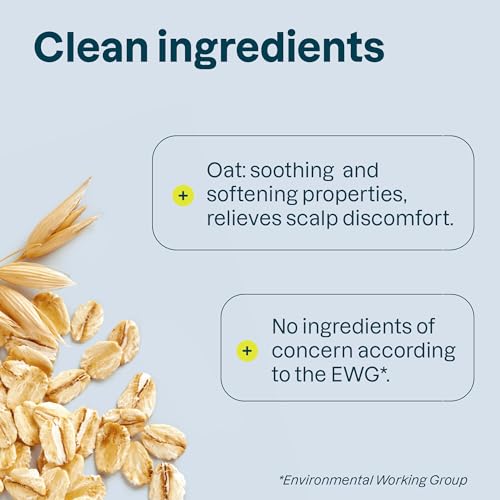

This fragrance-free volumizing shampoo gently cleanses fine hair while soothing sensitive, dry scalps with clean, naturally derived ingredients.
Best for Dry Sensitive Scalp: Tree To Tub Fragrance Free Shampoo
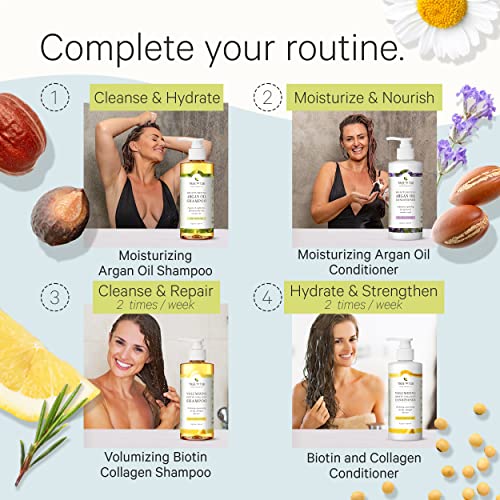

Tree To Tub is a gentle unscented shampoo designed to support scalp comfort for dry, tight, or easily irritated scalps, helping create a calmer and more comfortable hair-washing routine.
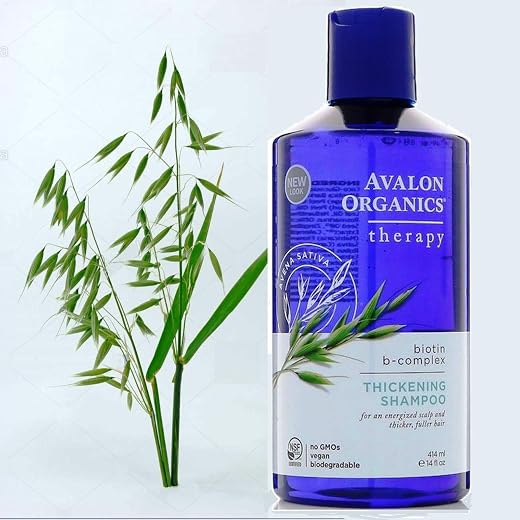
Best for Fine Hair: Avalon Organics Biotin B-Complex Therapy Thickening Shampoo
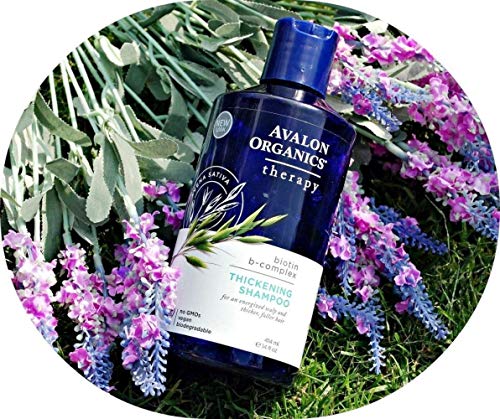
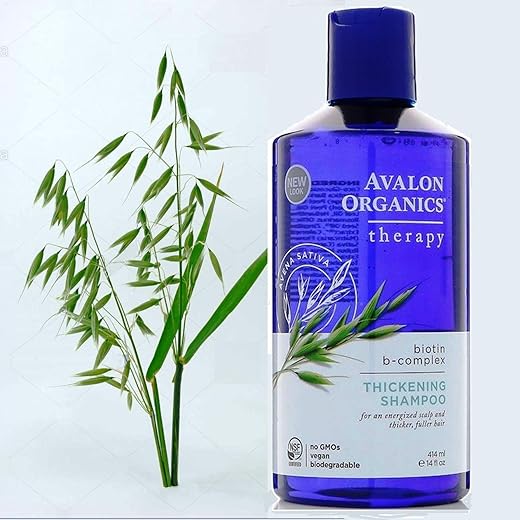
Avalon Organics is a lightweight volumizing shampoo designed for fine, flat, or thinning-looking hair, helping boost body and lift without the heavy feel of deeply moisturizing formulas.
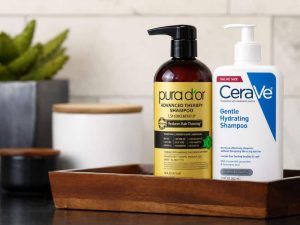
Best Botanical Anti-Thinning Pick: PURA D'OR Advanced Therapy Shampoo
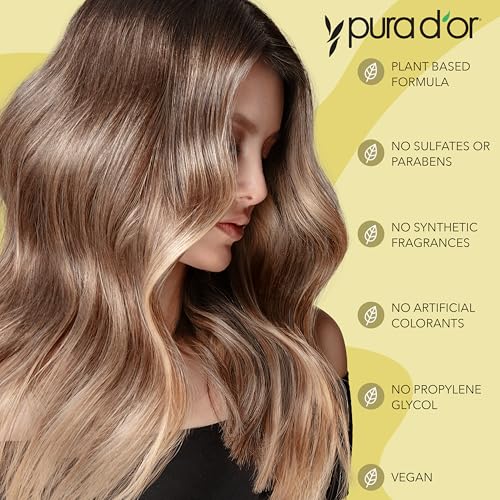

Helps relieve dry, itchy scalp while supporting fuller, softer, and healthier-looking hair with every wash.
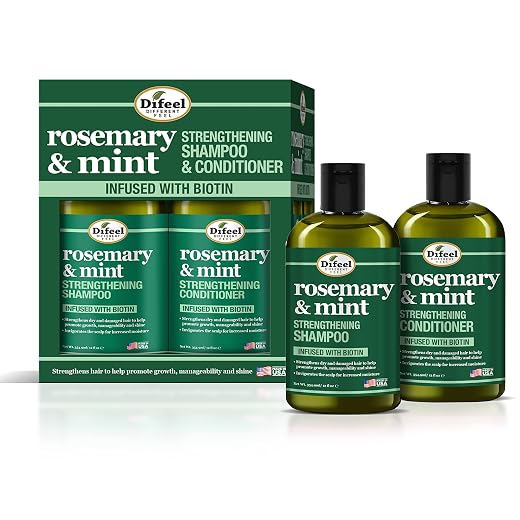
Best Shampoo + Conditioner Set: Difeel Rosemary and Mint Shampoo & Conditioner Set

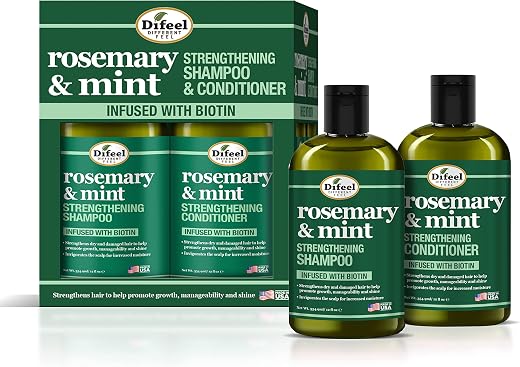
Difeel Rosemary Mint shampoo and conditioner set helps support softer, shinier, healthier-looking hair with a refreshing sulfate-free formula.
The best pick is not automatically the one with the strongest anti-thinning wording. Choose the shampoo that matches your scalp type, cleans without irritation, and does not make your hair rougher, flatter, or harder to detangle. If a formula leaves your scalp burning, tight, itchy, greasy, or coated, it is not the right match for you even if the label sounds perfect. If you want more product options beyond these scalp-type examples, see our full guide to the best organic shampoo for hair loss.
How to Test a New Organic Shampoo for 2–4 Weeks
- Keep your wash schedule the same
Do not change your wash frequency at the same time you change shampoo. If you normally wash three times a week, keep that rhythm so you can judge the formula more clearly.
- Avoid adding several new scalp products at once
Do not start a new shampoo, scalp serum, oil treatment, and styling product all in the same week. If irritation or buildup happens, you will not know which product caused it.
- Watch your scalp after each wash
A good match should leave your scalp feeling neutral or calmer. Repeated burning, itching, tightness, soreness, or a coated feeling is a sign the formula may not suit you.
- Notice tangling and breakage
If your hair feels rougher, tangles more, or snaps more during detangling, the shampoo may be too drying or not supportive enough for fragile lengths.
- Stop early if irritation keeps returning
You do not need to push through a shampoo that repeatedly makes your scalp feel worse. Stop early if you notice burning, rash-like irritation, worsening itch, or scalp tenderness after washing.
You may need both if your scalp and your lengths are asking for different kinds of help. Shampoo supports the scalp by cleansing roots and reducing buildup, while conditioner protects the hair you already have by adding slip, softness, and easier detangling. If your hair is falling out from the root, conditioner will not solve the cause. But if you also see short snapped pieces, rough ends, or tangles that lead to pulling, conditioner can make wash day less damaging. Apply it from mid-lengths to ends, not directly on the scalp, especially if your roots get oily or heavy. For a deeper breakdown, read our guide to organic shampoo and conditioner for hair loss.
The Bottom Line
- Choose by scalp type before choosing by anti-thinning claims.
- Treat organic shampoo as scalp and strand support, not a guaranteed hair-loss treatment.
- If your hair breaks easily, conditioner on the mid-lengths and ends can matter as much as the shampoo itself.
- Stop using any formula that repeatedly leaves your scalp burning, tight, itchy, greasy, or coated.
How to choose organic shampoo for hair loss comes down to matching the formula to your scalp instead of chasing the strongest claim on the bottle. Start with how your scalp feels after washing, check whether you are dealing with shedding, breakage, buildup, or irritation, and choose a shampoo that makes wash day calmer rather than more stressful.