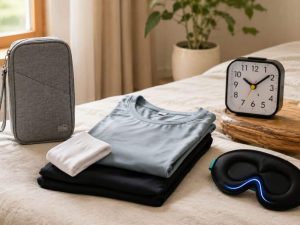
A 10-day Vipassana retreat is not something you prepare for by buying more gear. The deeper preparation is quieter: fewer loose ends, steadier expectations, and a body that is not surprised by long periods of sitting.
This guide brings the main pieces together: intention, silence, sitting comfort, health considerations, home logistics, packing boundaries, arrival, and re-entry. The retreat center’s current instructions always come first; this framework simply helps you notice the questions that are easy to overlook.
- Your intention without turning it into a demand for transformation
- Your daily rhythm so silence feels less abrupt
- Your body and sitting support before arrival day
- Your home, contacts, medication, and travel details
- Your packing boundaries and the first days after returning
What “prepared” really means before a Vipassana retreat
Understand the work before you begin
- Retreat preparation
The practical work of reducing avoidable distractions before arrival: unfinished home tasks, unclear travel details, untested sitting support, missing health information, and expectations that quietly demand a particular result.
- Intention
A simple reason for attending, such as observing reactions more honestly, following the instructions patiently, or making room for a quieter kind of attention. It guides your attitude without becoming a scorecard.
- Noble silence
A retreat structure that limits ordinary conversation and other familiar forms of stimulation so attention can turn inward. Silence may feel peaceful, awkward, boring, intense, or ordinary at different times.
- Support tool
An optional item that solves one known problem. A cushion may address unstable sitting; a pouch may keep arrival documents together. When floor support is confusing, understanding the different jobs of a zafu and a zabuton can prevent packing the wrong solution.
Prepare conditions, not outcomes
Good preparation leaves fewer practical questions unanswered. It does not require you to become a different person before the course begins.
Set an intention without chasing a breakthrough
Common expectations that create pressure
You can arrive nervous, restless, doubtful, or uncertain and still participate honestly.
Trying to manufacture calm can become another struggle before the retreat has even begun.
A workable intention is usually smaller: follow the instructions, notice reactions, remain curious, and return when attention wanders.
A demand for transformation can make ordinary boredom or discomfort feel like failure.
Preparation can reduce practical friction, but it cannot decide what thoughts, emotions, memories, or bodily sensations will arise.
The retreat is not a performance whose ending can be planned in advance.
A simple way to prepare your mind
Use the days before departure to make daily life slightly quieter and more honest. You are not rehearsing the entire retreat at home. You are noticing what may become louder when familiar distractions fall away.
- Write one plain intention
Try a sentence such as “I want to observe my reactions more clearly” or “I want to follow the instructions without judging every sit.” Avoid writing the ending before the experience begins.
- Name the difficulties you already expect
Boredom, sleep, anxiety, homesickness, doubt, pain, phone habits, and the urge to leave are easier to prepare for when they are named without drama.
- Practice a short period of silence
Sit or walk quietly for ten to twenty minutes without phone, music, reading, or conversation. Notice the urge to fill the space without turning that urge into a problem.
- Reduce one pocket of stimulation
Choose one meal, walk, household task, or evening period without scrolling, podcasts, or background noise. One repeatable pocket is enough.
Preparation becomes less useful when it starts behaving like another test you must pass.

Answer the center’s health questions honestly. Asking whether the retreat is suitable is preparation, not failure.
Ease into less stimulation before you arrive
Adjust gently instead of overtraining
- Daily sittingUse a short, repeatable sit rather than forcing long sessions suddenly.Look forA duration you can approach without dreadAvoidTurning the final week into a test of toughness
- Screen stimulationCreate one screen-free period each day so less stimulation feels familiar rather than punitive.Look forA quiet meal, walk, chore, or evening periodAvoidA dramatic digital detox the night before leaving
- Sleep rhythmIf the center publishes its schedule, move bedtime and wake time gradually rather than shocking the body on arrival.Look forSmall adjustments across several daysAvoidSacrificing sleep to practice more
- Food and caffeineKeep meals familiar and make any caffeine reduction gradual if the retreat schedule requires it.Look forSteady hydration and familiar foodAvoidAbrupt withdrawal, fasting experiments, or unfamiliar dietary changes before travel
Familiarity matters more than intensity
- Short sits count Ten steady minutes can teach the act of returning better than one punishing session.
- Silence can stay ordinary A quiet meal or walk offers practice without turning the home into a pretend retreat center.
- Discomfort is information Notice what appears quickly enough that it can be addressed before departure.
- Stop before preparation becomes strain The final week should not leave the body exhausted or the mind frightened of the course.
Test your body before long sitting becomes unavoidable
Use one ordinary sitting session as information
-
Begin with the support you already own
Use a firm pillow, folded blanket, existing cushion, bench, or chair. The first test is about the body, not the product name.
-
Sit long enough to notice change
Notice whether the support collapses, the lower back begins working harder, the knees remain high, or floor pressure builds beneath the ankles and legs.
-
Change one variable
Adjust height, leg position, floor padding, or posture one at a time. Several simultaneous changes make it harder to know what helped.
-
Confirm what the center provides
Ask whether cushions, mats, benches, chairs, or extra supports are available and whether personal equipment is permitted.
-
Stop treating warning signs as discipline
Change position when numbness or pain appears. Persistent, severe, worsening, or unusual symptoms deserve appropriate medical advice rather than a longer endurance test.
Separate the retreat problem from the cushion problem
- Unstable height The seat loses support as the body settles and the posture gradually changes.
- Floor pressure The hips feel supported while the knees, ankles, or shins remain uncomfortable against the floor.
- Unsuitable position Changing the cushion does not make the chosen posture workable for the body.
- Long-sitting difficulty The setup feels acceptable at first but becomes distracting as the sit continues.
When the uncertainty is height, firmness, shape, or floor support, choosing the right meditation cushion provides the full decision path. If numbness is the repeating problem, test how you might sit longer without forcing the legs through loss of sensation.

Settle home so the mind has fewer reasons to check
- Close practical loops Hold deliveries, schedule bills, clear perishables, empty rubbish, and finish the small tasks that would otherwise keep replaying.
- Write simple care instructions Leave clear notes for pets, plants, keys, home access, and anything a helper may need while you are unreachable.
- Set communication expectations Tell close contacts when you leave, when you expect to return, and who the center should contact in a true emergency.
- Prepare health information Bring required medication, dosage information, allergies, relevant medical details, and enough supply for the retreat and travel buffer.
- Make the return less abrupt Clean one landing area, wash bedding, prepare simple food, and avoid filling the first day home with obligations.
A quiet place for rest and reflection can give re-entry somewhere gentle to land without trying to recreate the retreat at home.
Keep packing smaller than the anxiety behind it
Bring what is required, known, and permitted
For the complete distinction between required, optional, center-dependent, and unnecessary items, use what you really need for a 10-day Vipassana retreat rather than rebuilding the packing list here.
Protect the transitions around the retreat
-
Confirm the final details
Recheck registration, arrival time, travel route, emergency contacts, medication requirements, and the center’s current instructions.
-
Arrive without manufacturing a crisis
Allow enough time to check in, ask practical questions, settle belongings, and enter silence without rushing from the car park.
-
Keep the first day home simple
Choose easy food, gentle movement, limited commitments, and one trusted person to contact if conversation feels helpful.
-
Delay the grand conclusions
Notice what changed without immediately rebuilding your life, explaining the entire experience, or making major decisions while re-entry still feels tender.

An organizer should reduce disorder, not provide permission to bring extra books, entertainment, duplicate toiletries, untested support tools, or “just in case” objects the center does not allow. When the official list is complete, the bag is allowed to be finished.
Vipassana retreat preparation FAQ
How do I prepare for a 10-day Vipassana retreat?
Review the retreat center’s rules, set a realistic intention, create a few short periods of silence, test sitting comfort, handle home and health logistics, pack only permitted essentials, and protect the first days after returning. Preparation should reduce preventable friction rather than make you perfectly calm.
What should I avoid before a Vipassana retreat?
Avoid last-minute overtraining, abrupt sleep or caffeine changes, unfamiliar gear, dramatic dietary experiments, heavy social commitments, and expectations that demand a breakthrough. Do not hide relevant health information from the retreat organizers.
Do I need to bring a meditation cushion?
Not always. Many retreat centers provide cushions, mats, benches, chairs, or extra support, and some restrict personal equipment. Confirm what is available and permitted before buying or packing anything.
Should I practice long sits before the retreat?
A short, steady daily practice can make sitting and silence more familiar. Forcing long sessions too quickly may create strain or discouragement. Use home practice to identify problems, not to prove endurance.
Can a silent retreat be emotionally difficult?
Yes. Silence and reduced stimulation can bring forward anxiety, grief, irritation, memories, doubt, or other difficult experiences. Discuss suitability with the organizers and an appropriate clinician when your health history raises concerns.
What should I do after coming home?
Keep the first day simple when possible. Eat familiar food, rest, move gently, limit unnecessary commitments, and delay major decisions while the nervous system readjusts. Reflection can wait until the experience has had time to settle.
Prepare lightly, then let the retreat teach you
- Follow the retreat center’s current instructions first.
- Set an intention without demanding an outcome.
- Reduce stimulation gently instead of overtraining.
- Test sitting comfort before arrival day.
- Close home and health logistics before packing extras.
- Protect the transition back into ordinary life.
Set one honest intention. Make silence slightly more familiar. Test the seat without turning discomfort into a contest. Close the loops at home, pack what the center requires, and leave a softer first day waiting for you on the other side.
Questions about silence, long sitting, packing, expectations, and returning home are gathered under Vipassana retreat preparation.