Finding the best natural moisturizer for acne prone skin can feel a lot like searching for a needle in a haystack. You want hydration without clogged pores, nourishment without irritation – and definitely nothing that invites new breakouts to show up unannounced.
This post is for anyone living with acne who’s ready to step away from harsh chemicals and move toward gentler, more natural skincare.
Maybe you’re exhausted from products that promise miracles but leave your skin more inflamed than before. Or maybe you’re just beginning your natural skincare journey, hoping to treat your skin with a little more kindness.
Together, we’ll explore what makes acne-prone skin different – and why it needs extra care when choosing a moisturizer. You’ll learn which natural ingredients truly help calm breakouts while keeping your skin balanced and healthy.
We’ll also walk through simple, proven application techniques so you can get the most out of whatever natural moisturizer you choose.
Understanding acne-prone skin and its unique moisturizing needs
How acne develops and why proper hydration matters

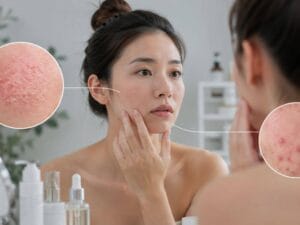
Acne begins when pores become clogged by a mix of dead skin cells, excess oil, and bacteria. What many people don’t realize is that lack of moisture can actually make this worse. When your skin is dehydrated, it sends a signal to your oil glands to produce even more sebum in an attempt to protect itself.
This creates a frustrating cycle: dry skin leads to excess oil, excess oil clogs pores, and clogged pores become the perfect environment for acne-causing bacteria to thrive.
Because of this, many people with acne-prone skin make the understandable mistake of skipping moisturizer altogether. It feels safer to avoid adding anything extra. Unfortunately, this often backfires.
Stripped, dehydrated skin becomes irritated and inflamed, making existing breakouts look redder, angrier, and harder to heal.
When your skin lacks moisture, its protective barrier weakens as well. This makes it easier for bacteria to penetrate deeper layers of the skin, increasing the risk of more stubborn and painful breakouts.
The best natural moisturizer for acne prone skin supports hydration without getting in the way of your skin’s natural healing process.
Moisturizer is just one step – what really helped my acne-prone skin was building a gentle, non toxic skincare routine overall
When your skin feels balanced and comfortably hydrated, it produces less excess oil – and can finally focus on repairing itself instead of constantly trying to compensate for moisture loss.
Common moisturizing mistakes that worsen breakouts
One of the biggest mistakes people make with acne-prone skin is reaching for heavy, occlusive moisturizers. Thick creams and petroleum-based products can sit on the surface of the skin, trapping bacteria, sweat, and dead skin cells underneath.
The result is often more clogged pores and inflamed breakouts.
Another common issue is over-cleansing paired with skipping moisturizer entirely. Using harsh cleansers multiple times a day strips away your skin’s natural oils. Without replenishing that lost moisture, your skin goes into survival mode – producing oil faster and in larger amounts to protect itself.
Applying moisturizer to unclean skin can also cause problems. If you don’t cleanse properly beforehand, you’re essentially sealing dirt, makeup residue, and bacteria under a layer of product. This creates an ideal environment for breakouts to flourish.
Ingredients matter just as much as technique. Moisturizers that contain comedogenic oils like coconut oil, wheat germ oil, or lanolin can clog pores in acne-prone skin. Artificial fragrances, sulfates, and alcohol may also trigger irritation and inflammation, especially for skin that’s already sensitive and reactive.
Key differences between acne-prone skin and other skin types
Acne-prone skin typically produces more sebum than other skin types – but that doesn’t mean it’s well-hydrated. It’s very possible to have oily skin that’s dehydrated underneath. This is why finding the best natural moisturizer for acne prone skin requires understanding this delicate balance.
Pores in acne-prone skin also tend to be larger and more reactive. Hormonal changes, environmental stressors, and certain product ingredients can all trigger inflammation or congestion more easily than they would in normal skin.
Barrier function is another key difference. The constant cycle of breakouts, healing, and inflammation can weaken your skin’s natural protective barrier over time. When that barrier is compromised, moisture escapes more easily, and harsh ingredients are more likely to cause irritation.
Recovery time matters, too. While normal skin may bounce back from irritation within a day or two, acne-prone skin can take weeks to fully heal. During this time, it needs consistent, gentle care to prevent scarring and post-inflammatory hyperpigmentation.
Signs your current moisturizer is causing more harm than good
If you notice new breakouts appearing within a few days of starting a new moisturizer, it’s often a sign that the formula is too heavy or contains pore-clogging ingredients. Pay attention to small bumps or whiteheads, especially in areas where you apply the most product.
Excess oil throughout the day – paired with tight, dry skin in the morning – can indicate that your moisturizer isn’t providing the right kind of hydration. In response, your skin may be producing extra oil to make up for what it’s missing.
Persistent redness, stinging, or burning upon application is another red flag. Acne-prone skin is especially sensitive to fragrances, essential oils, and overly aggressive active ingredients.
If your makeup slides off easily or looks patchy after moisturizing, the product may not be absorbing properly. Instead of sinking in, it can form a film that traps debris and bacteria on the surface of your skin.
Essential ingredients to look for in natural acne moisturizers
Non-comedogenic oils that won’t clog pores
Jojoba oil is often considered the gold standard for acne-prone skin because it closely mimics your skin’s natural sebum.
This similarity gently signals your skin to produce less oil while still providing deep, comfortable hydration. Sweet almond oil is another thoughtful choice, rich in vitamin E and easily absorbed without leaving a greasy residue behind.
Grapeseed oil brings powerful antioxidants while maintaining a lightweight feel that suits breakout-prone skin. Its high linoleic acid content helps repair a damaged skin barrier – something many people with acne struggle with.
Rosehip seed oil, despite being an oil, can actually help regulate sebum production while gradually fading acne scars thanks to its natural vitamin A and C content.
Argan oil also deserves a place on this list. With a non-comedogenic rating of zero, it absorbs quickly, calms inflammation, and layers well with the rest of your skincare routine without clogging pores.
Natural antibacterial and anti-inflammatory compounds
Tea tree oil offers strong antibacterial benefits that can rival traditional acne treatments, but concentration matters. A 5–10% formulation is usually enough to see results, while higher amounts may irritate sensitive skin.
Green tea extract provides both antibacterial and anti-inflammatory support, along with antioxidant protection against environmental stressors.
Niacinamide, a form of vitamin B3, helps reduce redness, regulate oil production, and strengthen the skin barrier. Some studies even suggest it can be as effective as topical antibiotics for mild acne. Zinc oxide contributes natural antimicrobial benefits and can also offer gentle sun protection in certain formulations.
Calendula extract is especially soothing for irritated or inflamed skin, helping active breakouts heal more calmly. Chamomile extract works in a similar way, easing redness without triggering sensitivity.
Together, these ingredients often appear in the best natural moisturizer for acne prone skin, working quietly in the background to support healing.
Gentle exfoliating ingredients for smoother skin texture
Lactic acid provides mild exfoliation while still hydrating the skin, making it ideal for acne-prone complexions. It helps remove dead skin cells that clog pores, without the harshness of stronger chemical exfoliants.
Willow bark extract contains natural salicylates that gently exfoliate in a way similar to salicylic acid.
Pumpkin enzymes act as natural exfoliators, breaking down dead skin cells while delivering vitamins A and C. They’re particularly helpful for sensitive acne-prone skin that can’t tolerate aggressive acids.
Papaya extract works in a similar way, using papain enzymes to smooth texture and subtly brighten the complexion.
Rice water ferment offers gentle exfoliation through naturally occurring AHAs while also boosting hydration and radiance. The fermentation process increases the skin’s ability to absorb these beneficial compounds.
Hydrating elements that balance oil production

Hyaluronic acid can hold up to 1,000 times its weight in water, delivering deep hydration without adding oil. It helps plump the skin, soften fine lines, and maintain healthy moisture levels – something acne-prone skin often lacks.
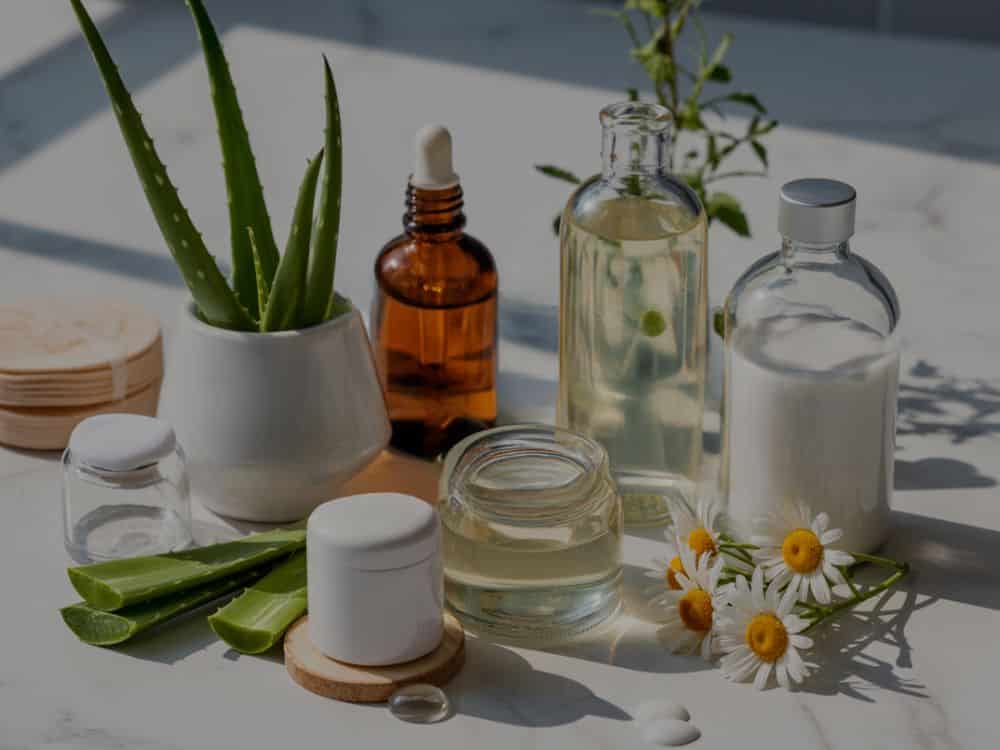
Glycerin acts as a humectant, drawing moisture from the environment into your skin. It works best when paired with ingredients that prevent moisture loss. Aloe vera gel provides cooling hydration while calming inflammation, making it especially comforting for irritated or inflamed breakouts.
Ceramides play a crucial role in rebuilding and strengthening the skin barrier. When this barrier is compromised, moisture escapes more easily and oil production often increases as a result. Supporting it with ceramides helps restore long-term balance.
Squalane, derived from plants like olives or sugarcane, mimics your skin’s natural moisturizing factors. It absorbs fully, leaves no residue, and helps other ingredients penetrate more effectively – making it a quiet but powerful addition to acne-friendly formulas.
Top natural moisturizer options for acne-prone skin
Lightweight gel-based formulas with aloe vera and hyaluronic acid
Gel-based moisturizers are often a quiet lifesaver for acne-prone skin. They deliver hydration without that heavy, greasy feeling that can sit on the surface and clog pores.
In fact, many people find that the best natural moisturizer for acne prone skin comes in this lightweight gel format – simple, breathable, and easy to wear every day.
Aloe vera does much of the heavy lifting here. It naturally soothes irritation, calms redness, and offers mild antibacterial support.
When paired with hyaluronic acid, the result is deep hydration without oil. Hyaluronic acid binds water – up to 1,000 times its weight – helping skin stay comfortably hydrated throughout the day, not shiny or suffocated.
When choosing a gel moisturizer, look for formulas that use aloe vera as the main base rather than water or alcohol. A high aloe concentration usually means better calming benefits and less irritation. These types of formulas absorb quickly, leaving skin feeling fresh, balanced, and quietly supported.
Another advantage of gel textures is how effortlessly they layer. They sit well under sunscreen or makeup without pilling, and many people with oily, acne-prone skin notice more stable oil production when using gels consistently.
Oil-free lotions featuring niacinamide and green tea extract
Oil-free lotions offer a middle ground between ultra-light gels and richer creams. They provide a bit more cushioning for the skin while still staying non-comedogenic – an important balance for acne-prone complexions.
Niacinamide, also known as vitamin B3, is one of the most skin-friendly ingredients you can find in these formulas. It helps regulate oil production, calm inflammation, and improve the appearance of enlarged pores.
Research suggests that niacinamide can be surprisingly effective for mild to moderate acne, especially when used consistently.
Green tea extract complements this beautifully. Rich in antioxidants and anti-inflammatory compounds, it helps soothe irritated skin and protect against environmental stress that can quietly worsen breakouts. Some evidence also suggests it may help reduce excess sebum over time.
These lotions usually have a soft, milky texture that spreads easily and absorbs within minutes. They tend to work well under makeup and layer smoothly with other skincare steps, making them a reliable daily option for acne-prone skin that still needs real hydration.
Botanical-based creams with salicylic acid from willow bark
For those who need a little more support, botanical creams with willow bark extract can be a thoughtful option. Willow bark is a natural source of salicylates, offering pore-clearing benefits similar to salicylic acid but with a gentler touch.
This makes it appealing for anyone looking for the best natural moisturizer for acne prone skin that also addresses active breakouts.
Willow bark helps loosen dead skin cells and clear debris from pores while providing anti-inflammatory benefits at the same time. Unlike harsher synthetic acids, it tends to calm the skin as it works, rather than leaving it feeling stripped or sensitized.
These creams are often blended with soothing botanicals such as chamomile, calendula, or tea tree. Chamomile helps reduce redness, calendula supports healing, and tea tree adds light antibacterial protection. Together, they create formulas that moisturize while quietly encouraging clearer skin.
Botanical creams usually feel slightly richer than lotions but should still absorb well without leaving a greasy film. They’re especially helpful for combination skin or during colder months, when acne-prone skin still needs moisture but can’t tolerate heavy products.
If you’re new to willow bark, start with lower concentrations and give your skin time to adjust. With gentle, consistent use, these formulas can offer a balanced blend of hydration and acne care.
How to choose the perfect natural moisturizer for your skin
Identifying your specific acne type and severity level

Understanding your acne type is an important first step in finding the best natural moisturizer for acne prone skin that truly works for you. Not all acne behaves the same, and your skin’s needs can change depending on the kind of breakouts you experience.
Comedonal acne, which shows up as blackheads and whiteheads, usually responds well to lightweight, non-comedogenic formulas with gentle exfoliating support.
Inflammatory acne, on the other hand – those red, tender bumps – often benefits from moisturizers rich in calming ingredients like aloe vera or chamomile.
Mild acne tends to involve occasional breakouts with minimal inflammation, meaning your skin can often tolerate slightly richer textures without flaring up. Moderate acne shows up more consistently across different areas of the face and requires more thoughtful ingredient choices.
Severe acne calls for the gentlest approach of all, with short ingredient lists and a strong focus on soothing, anti-inflammatory components.
Hormonal acne, commonly concentrated around the jawline and chin, usually needs moisturizers that help balance oil production without stripping the skin. Cystic acne requires extra caution, as aggressive ingredients can worsen deep inflammation and slow down healing.
Patch testing methods to avoid adverse reactions
Patch testing may feel like an extra step, but it can save your skin a lot of stress. Start by applying a small amount of the moisturizer to your inner wrist or just behind your ear. Give it 24 to 48 hours and watch for any signs of redness, itching, or irritation.
If that goes well, move on to a discreet area of your face, such as along the jawline. Use the product on this small spot for three consecutive days before applying it everywhere. Even natural ingredients can cause reactions – plant extracts, honey, and essential oils are common triggers for sensitive skin.
Once your skin shows no signs of irritation, ease into regular use. Applying the moisturizer every other day at first allows your skin time to adjust, especially if you’re transitioning away from harsher, chemical-heavy products.
Reading labels to spot hidden pore-clogging ingredients
“Natural” doesn’t always mean acne-safe. Coconut oil, for example, is completely natural but highly comedogenic for many people with acne-prone skin. Shea butter, cocoa butter, and wheat germ oil can also clog pores and lead to congestion.
Pay attention to less obvious ingredients as well. Names like isopropyl myristate, sodium lauryl sulfate, and certain silicones sometimes appear in products marketed as natural. Ingredients ending in “-cone” or “-xane” often indicate silicones, which can trap bacteria and debris on the skin.
Safer natural options include jojoba oil – which behaves more like a wax than a traditional oil – rosehip oil, and plant-derived squalane. These ingredients closely resemble your skin’s natural sebum and are far less likely to clog pores.
Matching moisturizer consistency to your skin’s oil production
Having oily skin doesn’t mean you should skip moisturizer. In fact, dehydrated skin often produces even more oil to compensate. Gel-based or water-based formulas that absorb quickly are usually a better fit, especially when they include hydrating ingredients like hyaluronic acid or glycerin.
Combination skin benefits from a more flexible approach. Lightweight textures work well on the T-zone, while slightly richer formulas can be applied to drier areas like the cheeks. Some people find that using two different moisturizers for different areas of the face makes a noticeable difference.
Dry, acne-prone skin can feel particularly tricky to care for. Look for creamier formulations that include ceramides and gentle natural oils such as argan or marula oil. When well-formulated, these ingredients provide much-needed moisture without triggering new breakouts.
Application techniques that maximize results
Optimal timing for moisturizer application in your routine
When it comes to acne-prone skin, when you apply moisturizer matters just as much as what you use. The sweet spot is right after cleansing, when your skin is still slightly damp. This helps seal in hydration and keeps your moisturizer feeling light instead of heavy or pore-clogging.
In the morning, apply moisturizer after cleansing and before sunscreen. Overnight, your skin produces less oil, which makes it more receptive to hydration and better at absorbing product.
In the evening, timing becomes even more important if you’re using acne treatments. It’s best to apply your moisturizer about 20–30 minutes after treatments, giving active ingredients time to work without interference.
Try to avoid moisturizing immediately after hot showers or intense workouts. Heat causes pores to temporarily dilate, making them more likely to trap debris. Waiting 10–15 minutes for your skin to cool down before applying the best natural moisturizer for acne prone skin can make a noticeable difference.
Proper layering with other acne treatments and serums
For acne-prone skin, the classic skincare rule – thinnest to thickest – matters more than ever. Start with water-based serums, such as those containing niacinamide or hyaluronic acid, and move toward richer textures gradually.
If your routine includes retinoids or benzoyl peroxide, apply them first on clean, dry skin. Waiting 20–30 minutes before moisturizing helps prevent dilution of these active ingredients and reduces the risk of irritation.
Salicylic acid treatments follow a similar pattern: apply to clean skin, wait, then seal everything in with your moisturizer.
Avoid mixing acne medications directly into your moisturizer. This can weaken their effectiveness and create unpredictable reactions on sensitive skin. Layering with patience is far gentler – and far more effective – over time.
Amount guidelines to prevent over-moisturizing breakouts
With acne-prone skin, more product rarely means better results. Start with a pea-sized amount of moisturizer for your entire face. You can always add a touch more, but using too much too quickly can overwhelm the skin and clog pores, especially around the T-zone.
Instead of rubbing, gently press the moisturizer into your skin using upward motions. This helps with absorption and minimizes unnecessary friction. Check in with your skin about 15 minutes later – if it looks shiny or feels greasy, that’s a sign you’ve applied too much.
Different areas of your face have different needs. Cheeks often require a bit more hydration than the forehead or nose. Pay attention to these small cues, and remember that weather changes and seasonal shifts will affect how much moisture your skin truly needs.