
A gift can look wonderfully useful while it is still inside the box. Once it enters someone’s home, however, it may need a place to live, regular cleaning, replacement supplies, a new account, or a patient relative who answers the phone whenever it beeps.
A gift that makes everyday life easier does not have to transform an entire routine. It may simply give the keys one reliable place, bring a frequently used item within reach, or make shared plans easier to see. Within the wider Gifting hub, this is one practical way to begin: ask whether the recipient will have less work after the gift arrives.
- Respond to one real, repeated inconvenience
- Fit the recipient’s present habits and space
- Require less effort than it saves
- Remain easy to use after the first week
The broader guide to thoughtful gift ideas considers the person, relationship, occasion, and meaning behind the choice. This article takes one narrower decision and examines it closely: whether a practical-looking gift will remove more effort than it introduces.
A Useful Gift Should Remove More Work Than It Creates
Convenience is not what a product promises on the box. It is the difference between the work removed and the work added.
It is easy to mistake complexity for usefulness. A product with several modes, accessories, and app controls may appear more generous than a plain alternative. Yet every extra feature asks something from the person receiving it. Someone must learn it, store it, clean it, charge it, replace its supplies, and remember how to reset it when the lights begin blinking in a language known only to the manufacturer.
The better test is quieter: does the gift remove one interruption from a routine the person already has? When that answer is clear, even a modest object can feel carefully chosen.
Find the Friction in a Real Day
- Watch one ordinary routine
Pay attention to a familiar part of the day: leaving the house, preparing food, relaxing on the sofa, sorting mail, or planning the week. A real routine gives the gift a real place to belong.
- Notice the repeated interruption
Look for the same small disruption happening again. Keys disappear, an ingredient remains awkward to reach, the remote slides onto the floor, or plans must be repeated because nobody can see them.
- Check whether they want it changed
An arrangement may look inefficient from the outside while still feeling comfortable to the person using it. Caring does not mean reorganizing another adult by surprise.
- Describe the improvement in one sentence
A clear sentence such as “This would give the keys one dependable place near the door” is more useful than “This organizer has twelve features.”
Observation is not permission to correct someone. The recipient’s habits, preferences, and sense of ownership still matter.
The one-sentence test keeps the decision honest. It connects the object to a visible before-and-after moment rather than allowing an attractive listing to invent a problem on the recipient’s behalf. The same test helps when choosing something for an existing hobby: the gift should improve a routine the person already values, not assign them a new version of that hobby.
“This would keep the things she already carries beside the door” is specific. “This would help her become more organized” is not. The first supports a routine. The second quietly assigns homework.
Four Everyday Frictions a Gift May Reduce
Small Essentials Keep Going Missing
Begin with the path the objects already travel. Someone may empty their pockets on a table beside the sofa, a dresser near the bedroom door, or a narrow surface in the entryway. The best location is not necessarily where an organizing article says a tray should go. It is where the person already reaches when arriving home.
A small catchall can reduce searching because it asks for only one simple action: put the familiar objects down in the same visible place. It does not require labeling drawers, sorting possessions into categories, or maintaining a larger storage system. That modest demand is part of its usefulness.

This kind of gift works only when the tray fits the available surface and the recipient is comfortable leaving those items visible. A large organizer with many hooks and compartments would not automatically be more helpful. When the real need is simply one place for the keys, the smallest response is usually the easiest one to keep using—especially with gifts for parents, where familiar routines often matter more than a new organizing system.
Frequently Used Things Are Hard to See or Reach
Visibility can remove several small steps from a routine. A person who makes popcorn regularly may currently search through a cabinet, handle a floppy bag, find a clip, measure the kernels, and then return everything to storage. A clear canister on an appropriate counter or shelf can make the ingredient easier to identify, reach, pour, and put back.
That does not mean every pantry should be transferred into matching jars. Decanting food creates its own work: washing containers, moving expiration information, remembering what is inside, and keeping supplies topped up. The gift helps only when the recipient already wants the ingredient more accessible and has a suitable place for the container.
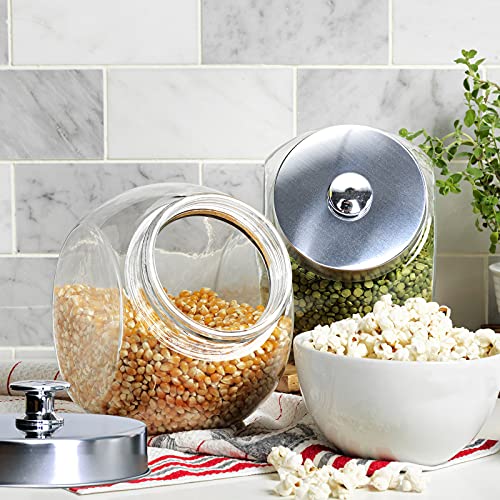
The useful feature here is not that the jar is decorative or part of a matching set. It is that the contents are visible and the opening suits the way the ingredient is actually used. Before giving any storage container, check the available counter space, the weight when full, how the lid opens, and whether the recipient would rather keep the original packaging.
A container should simplify access, not begin a compulsory kitchen makeover. One jar that serves an existing habit can earn its place. Twelve empty jars waiting for labels may simply introduce a new weekend project.
One Small Resting Surface Is Missing
Notice what happens during a normal hour of rest. Is a mug placed on the floor? Does the remote disappear between cushions? Is a phone balanced on the sofa arm and retrieved several times before it finally completes its escape?
A couch arm tray can answer that specific situation without requiring another piece of furniture. It creates a small, temporary surface for the few objects already used while sitting. The improvement is easy to describe: the person can keep a drink, phone, or remote within reach without repeatedly getting up or balancing them on an unstable cushion.

Fit matters more than the attractive photograph. Measure the sofa arm and consider its shape, firmness, and fabric. A tray that slides, tilts, blocks the seat, or leaves marks will create more irritation than it removes. The cup holder must also suit the mugs or glasses the recipient already uses; otherwise it becomes a circular decoration with very confident intentions.
Also consider cleaning and storage. Will the tray remain on the sofa, fold away, or need another place when guests arrive? A small comfort item can work well as a gift for a partner, but only when it supports the way that person already rests rather than staging a different evening for them.
Shared Information Lives in Too Many Places
Some daily friction is informational rather than physical. One person knows what is planned for dinner. Another remembers the appointment. A shopping item is mentioned aloud while everyone is busy and then vanishes until the moment it is needed. The difficulty is not a lack of effort; it is that the information has no shared place to land.
A refrigerator planner may reduce repeated questions when the kitchen is already a common stopping point. Meals, small tasks, and shopping notes remain visible without requiring every household member to open the same app or search through a message thread.
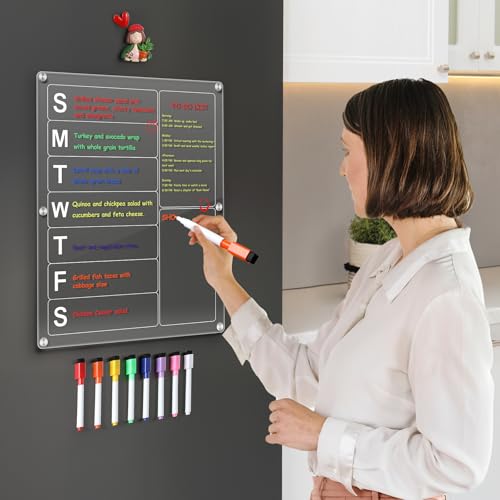
The board itself cannot create cooperation. The household must agree on what belongs there, who updates it, and when old information is erased. The writing needs to remain easy to read, the board must fit the refrigerator surface, and the markers need a reliable home nearby. Otherwise the planner becomes a clear acrylic monument to the first enthusiastic Tuesday.
This example shows why a helpful gift should support a shared habit rather than place the entire burden on one person. When the recipient must maintain the board, remind everyone to read it, and replace all the missing markers, the gift has not reduced the mental load. It has framed it.
Count the Work the Gift Adds
-
Setup
Does the gift need assembly, wall mounting, an app, a new account, or device pairing? Decide who will complete those steps before treating setup as a minor detail.
-
Compatibility
Check dimensions, surfaces, power outlets, Wi-Fi, operating systems, and the objects the gift is meant to hold. A useful idea can still fail because it is slightly too wide or works with the wrong device.
-
Storage
Identify where the item will remain when it is not being used. “Somewhere in the house” is not a storage plan; it is the opening chapter of a future search.
-
Cleaning and refills
Count lids, removable parts, filters, replacement bags, batteries, subscriptions, and supplies. Ongoing work is part of the product even when it appears in smaller print.
-
Troubleshooting
Consider who will help when the item stops connecting, charging, closing, or behaving as cheerfully as it did in the listing photographs.
-
Habit change
Ask whether the gift works with the recipient’s present routine or depends on them becoming tidier, more technical, or more disciplined after opening it.
A practical gift should not quietly transfer a new maintenance job to the person receiving it.
None of these checks means a gift must require absolutely no effort. A wooden tray still needs dusting. A glass jar must be washed. A weekly planner must be updated. The question is proportionality: does the benefit appear often enough to justify that work?
Technology deserves particular care because its labor is often invisible during purchase. A tech gift they’ll actually use must fit their devices, Wi-Fi, privacy preferences, accounts, and willingness to learn. Ease for the giver is not the same as ease for the recipient.
Some Problems Need Help, Not Another Product
Delivery, setup help, preparing a meal, arranging transport, or completing an unpleasant task together may remove the burden more directly.
A product is only one form of support. When the real shortage is time, energy, or assistance, another possession can miss the point.
A feature matters only when the recipient understands it, wants it, and is willing to maintain it.
Complexity often hides inside convenience. A simple tool used regularly can be more helpful than a sophisticated one requiring a tutorial before breakfast.
An unsolicited organizer, cleaning device, or self-improvement tool can feel like criticism when the recipient has never asked for that part of life to be changed.
The gift should reduce pressure without making the recipient feel observed, corrected, or assigned a better version of themselves.
When the real shortage is companionship rather than equipment, time together without pressure may reduce more strain than another object. A flexible meal, shared errand, or quiet visit can help without giving the recipient another possession to manage.
This distinction becomes especially important when offering support during a hard time. A person carrying grief, illness, exhaustion, or family strain may not need a clever object. They may need food that arrives without coordination, a ride that is already arranged, or someone who quietly completes one ordinary task.
Help should also remain a gift rather than a performance review. Replacing a worn kitchen tool can feel caring when the recipient has complained about it. Giving a cleaning appliance because you dislike the state of their home sends a different message, even when the product has excellent ratings.
Use a Simple No-Buy Check
- The inconvenience repeatsThe problem appears often enough that a small improvement would be noticed in ordinary life.Look forA repeated search, reach, trip, reminder, or cleanupAvoidA rare annoyance remembered only because you need a gift idea
- The change is welcomeThe recipient has mentioned the problem, tried to solve it, or shown openness to a simpler arrangement.Look forTheir own words, habits, or previous attemptsAvoidA problem visible only from the giver’s point of view
- The gift fits the present routineThe product works where and how the person already lives instead of demanding a new system.Look forA clear location and an existing moment of useAvoidA product that depends on sudden enthusiasm for organization
- The ongoing work stays lowSetup, cleaning, charging, and replacement supplies remain proportionate to the benefit.Look forImmediate usefulness with limited maintenanceAvoidConvenience that arrives with a subscription, manual, and support ticket
- A smaller response would not work betterThe purchase earns its place because a repair, replacement, or offer of help would not solve the problem more directly.Look forA contained response with one clear purposeAvoidBuying an object when time or assistance is what is missing
Passing the no-buy check does not mean the product is perfect. It means the giver can explain why this particular object belongs in this particular life. When they say they need nothing, that check matters even more: respecting the answer may be more thoughtful than finding a clever way around it.
Replacement gifts deserve additional caution. People sometimes continue using an old object because its controls, weight, size, or familiar feel suit them. Before replacing it, learn what they value about the current version. The same care is essential with practical Father’s Day gifts, where compatibility and familiar use often matter more than novelty.
Frequently Asked Questions
What makes a practical gift feel thoughtful?
A practical gift feels thoughtful when it reflects a specific part of the recipient’s real day. The care is not in the product category. It is in noticing the exact moment that could become easier and choosing a response that fits without criticism.
How can I tell whether someone will actually use a gift?
Look for an existing routine, a repeated inconvenience, and a clear place where the item will be used. Usage becomes less likely when the gift needs a new habit, regular technical help, or storage the recipient does not have.
Is it rude to give someone an organizational product?
It can be, particularly when the gift implies that their home or habits need correction. It is safer when the person has mentioned the problem themselves and the product supports a small area they already want to improve.
Should I replace an old item without asking first?
Only when you understand why they still use it. Familiar shape, controls, size, or sentimental attachment may matter more than visible wear. When uncertainty is high, involve them in selecting the replacement.
What can I give instead of another physical object?
Offer the form of help that removes the actual burden: installation, transport, meal preparation, a repair, an errand, or time spent completing something together. Sometimes the kindest gift leaves no object behind.
Make One Ordinary Moment Easier
- Start with one repeated inconvenience
- Confirm that the change is welcome
- Count every task the product adds
- Let a small improvement be enough
A gift that makes everyday life easier may not transform an entire day. It may simply stop the keys from disappearing, keep a drink and remote within reach, make one ingredient easier to use, or give a household one visible place for the week’s plans. The important measure is not the number of features printed on the box. It is whether life contains a little less searching, reaching, remembering, or maintaining after the gift arrives.