A self-care gift should not tell Dad that he has been taking care of himself badly. It should make one discomfort he already recognizes easier to live with.
Self-care is only one part of what fits Dad’s life. A product can look soothing and still be wrong when the sensation, routine, or implied message does not suit him.
Four Assumptions That Make Self-Care Gifts Miss the Mark
The Four-Fit Check
Seven Self-Care Gifts Matched to a Real Discomfort
When Tension or Fatigue Has a Clear Location

A compact recovery gift for dads who deal with tight shoulders, stiff backs, sore legs, or post-work fatigue.
- Compact enough to store easily
- Several body areas are accessible
- Short sessions fit existing routines
- Intensity can be adjusted
- Percussion can feel too aggressive
- Charging is part of ownership
- Not an answer to unexplained pain
Quick take: The fit depends less on how active Dad is than on whether percussion already feels comfortable to him.

A calming heat-based gift for dads who carry tension in the neck, shoulders, and upper back.
- Simple sensation to understand
- Works during seated downtime
- Less intense than percussion
- Easy to stop at any time
- Heat preference is personal
- Cord or charging may limit movement
- Fit varies across shoulders
Quick take: This is the gentler route when warmth is familiar and strong massage pressure is not.

A practical choice for dads who spend long hours standing, walking, commuting, or ending the day with heavy legs.
- Targets a clearly defined area
- Useful after standing or walking
- Benefit is easy to understand
- Can become a seated routine
- Bulkier than handheld tools
- Compression may feel restrictive
- Suitability is not universal
Quick take: This is a specific fit for tired legs, not a general recovery gift for every dad.
When Sleep Has One Identifiable Barrier

Weighted blanket designed with evenly distributed glass beads and durable stitching to provide calming, full-body pressure for deeper, more restful sleep. Easy to care for and perfectly sized for individual use, it’s a thoughtful gift for everyday comfort and relaxation.
- No app or learning curve
- Useful on couch or bed
- Familiar blanket format
- Easy to stop using
- Weight preference varies widely
- May retain too much heat
- Storage can be awkward
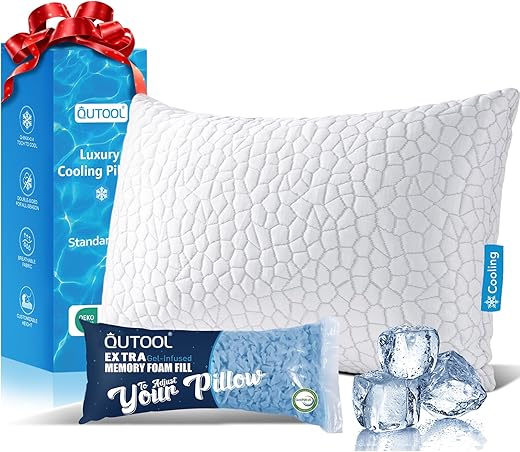
Cooling memory foam pillow with dual-sided design delivers breathable comfort and helps reduce heat for a more restful night’s sleep. Adjustable fill and ergonomic support keep your neck aligned, making it ideal for all sleep positions.
- Replaces something used nightly
- Addresses a specific heat complaint
- Adds no new bedtime task
- Easy benefit to evaluate
- Firmness and loft are personal
- Cooling feel may be subtle
- A loved pillow is hard to replace

A simple sleep-support tool for dads who are bothered by household noise, traffic, snoring, or early mornings.
- Targets one clear sleep barrier
- Simple physical controls
- No subscription required
- Easy to test and stop
- Some people prefer silence
- Adds another bedroom device
- Sound placement affects usefulness
When the Chair Is the Recurring Problem
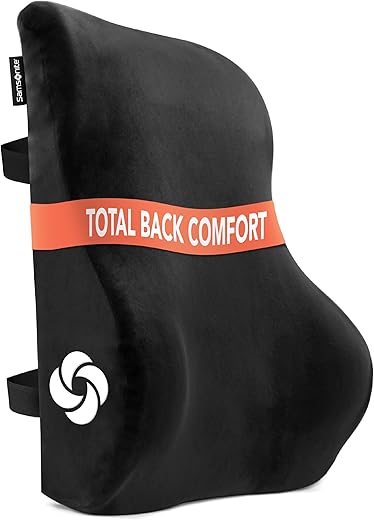
Ergonomic lumbar support pillow with high-density memory foam contours to your lower back, helping relieve pressure and improve posture during long sitting. Soft, removable cover makes it easy to keep clean while ensuring all-day comfort at home, office, or in the car.
- Easy to move between seats
- No charging or app required
- Targets a repeated sitting setup
- Simple to remove if unsuitable
- Fit changes with each chair
- May push some users too far forward
- Not a solution to persistent pain
Before He Unwraps It, Remove the Friction
- 01Confirm the sensation
Know whether Dad actually likes heat, compression, percussion, weight, background sound, or firmer support. A symptom does not reveal a sensory preference.
- 02Prepare the first use
Charge the device, check the controls, wash removable covers when appropriate, confirm the available outlet, and identify where the item will live.
- 03Protect the easy exit
Keep sizing details, packaging, and return information. Comfort products need room for an honest “this does not suit me.”
- 04Give care without a diagnosis
Describe what you noticed without telling Dad what is wrong with him. For someone who dislikes attention, low-pressure gifting matters as much as the product.
When sleep or household routines have changed after bereavement, support after loss may matter more than another comfort device.
How the List Was Narrowed
The original list mixed targeted self-care with robes, slippers, heated bedding, towels, and a lap desk. The final seven remain because each one can be tied to a specific discomfort without pretending to treat a health condition.
- Name the discomfort
The product needed a clear reason to exist: tension in a known area, tired legs, heat, recurring noise, an unsuitable pillow, or an unsupportive seat.
- Look for routine evidence
Preference and repeated behavior carried more weight than labels such as active dad, tired dad, or homebody.
- Remove overlap and overreach
General household upgrades were removed, and product language was kept on comfort, fit, and ease of use rather than treatment claims.
- Count the ownership burden
Storage, charging, cords, cleaning, setup, returnability, and the ability to stop using the product were included in the decision.
The recommendations are editorial starting points. Current product details and individual suitability still need to be checked before purchase.
Questions That Matter Before Buying
What makes something a self-care gift for Dad?
It supports comfort, rest, or an existing way of managing a recurring discomfort. A useful household upgrade is not automatically self-care unless the central benefit is how Dad feels in his body or during rest.
How personal is too personal for a comfort gift?
It becomes too personal when the gift assumes a problem Dad has not discussed, comments on his body, or asks him to perform gratitude for something he may not want. A known preference and an easy return reduce that pressure.
What should I check before buying a massage, heat, or compression product?
Check the sensation he already tolerates, adjustable settings, fit, instructions, storage, power needs, and any reason suitability may be uncertain. Unexplained pain or an existing health concern deserves professional guidance rather than product guessing.
Is a sleep-related gift appropriate for Father’s Day?
Yes, when it addresses a barrier Dad already identifies, such as heat, noise, or an old pillow. It is less appropriate when the gift implies that he sleeps badly or should change his bedtime habits without his input.
How can I keep a self-care gift from sounding like criticism?
Connect it to a neutral observation rather than a judgment. “You mentioned the traffic wakes you” is easier to receive than “You never rest properly.” The product should communicate attention, not correction.
What if Dad already manages a health condition?
Do not assume a consumer comfort product is suitable because it seems gentle. Check the product instructions and seek qualified guidance when heat, compression, added weight, massage, sensation, circulation, mobility, or persistent pain may be relevant.
The Gift Should Feel Like Permission, Not Correction
When work has ended and the entire rhythm of rest is changing, life after retirement becomes part of the fit rather than one more reason to buy a comfort device.