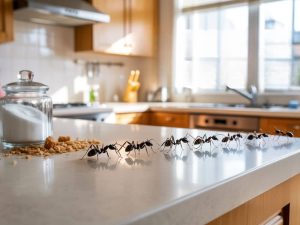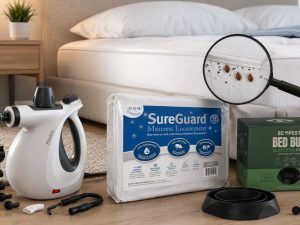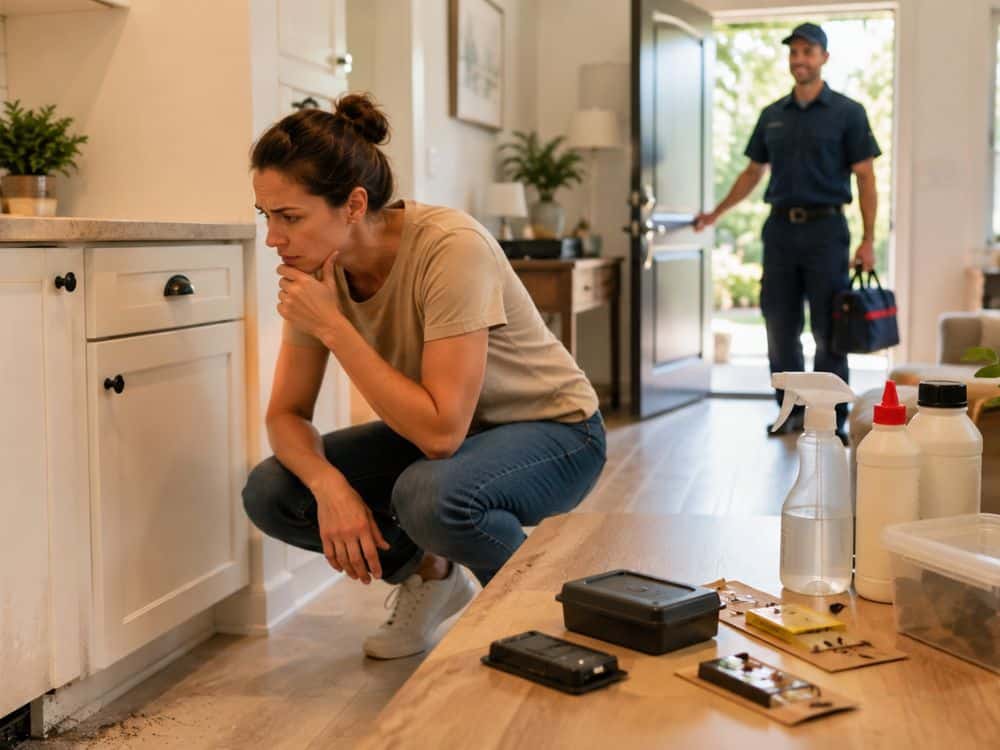
A trap catches one mouse, a spray clears one trail, or a deep clean quiets the kitchen for a few days. Then the signs return. That pattern matters more than the brief relief.
Knowing when DIY pest control is not enough does not mean treating every insect as an emergency. Small, clearly identified problems may still respond to natural pest control; the decision changes when evidence becomes recurring, hidden, hazardous, or destructive. This article focuses on that decision point: what to notice, what to stop doing, what to document, and what a responsible professional assessment should include.
When DIY pest control is not enough
- The same evidence returns Fresh droppings, new damage, repeated bites, or another trail after a reasonable treatment window suggests that visible pests were only part of the problem.
- The activity is spreading Sightings in additional rooms, repeated daytime activity, or signs on more than one level point to a larger range than one trap or surface treatment can address.
- The source is hidden Scratching inside walls, insects emerging from gaps, persistent odors, or activity near utility penetrations can involve spaces that are unsafe or impractical to reach.
- The stakes have changed Electrical damage, weakened wood, contaminated food, stings, respiratory reactions, and exposure around children or pets move the problem beyond ordinary trial and error.
- More product is not more control Combining treatments, increasing a dose, or repeatedly changing methods can create exposure risks and make the original pattern harder to interpret.
The useful question is not whether one more product might kill one more pest. It is whether the evidence still fits a small, identified, accessible problem that can be monitored safely.
Signs you need professional pest control
- Recurrence
The problem returns after the treatment had enough time to work and after the obvious food, water, or entry source was addressed. Record fresh evidence rather than relying on how quiet the room feels. New droppings, damage, live insects, or bites carry more weight than a single old mark.
- Spread
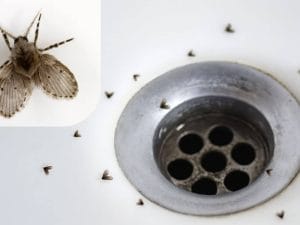
Evidence appears in rooms, floors, or storage areas that were previously clear. A confirmed sink source may still respond to cleaning a fruit-fly drain, while unexplained activity across several rooms calls for a different response. Map locations and dates so movement is visible.
- Hidden activity
Sounds, shed material, insect fragments, stains, odors, or pests emerging from wall gaps suggest that the accessible surface is not the whole habitat. Opening walls, dismantling fixtures, reaching into voids, or applying products into unknown spaces can add injury and exposure risks.
- Property damage
Gnawed wiring, hollow or softened wood, damaged insulation, chewed packaging, mud-like tubes, or repeated holes change the decision because the loss may continue out of sight. Electrical or structural concerns deserve prompt assessment rather than another round of surface treatment.
- Health or exposure risk
Stings, breathing symptoms, widespread bites, contact with droppings, uncertain pesticide exposure, or activity around vulnerable household members requires a more cautious threshold. Move people and pets away from the affected area when needed and seek appropriate medical or poison-control advice for symptoms or exposure.

Why a quieter room may still hold an active problem
What to do before a pest control visit
- Stop changing several variables
Pause new non-prescription treatments unless a product label requires a specific follow-up. Do not mix chemicals, double an application, or add a fogger to an uncertain problem. A stable picture makes the inspection more useful and reduces avoidable exposure.
- Create a dated evidence map
Mark each location with the date, time, type of evidence, and whether it was new. Photograph droppings, damage, insects, stains, shed skins, packaging holes, or trap results beside an object that shows scale. Keep samples only when they can be contained without direct contact.
- List every treatment already used
Record the product name, active ingredient, application date, amount, exact location, and result. Keep labels and receipts. This prevents accidental duplication and gives the technician information needed to plan around residues, bait placements, pets, and household sensitivities.
- Reduce ordinary attractants without erasing evidence
Seal exposed food, empty routine trash, correct simple leaks, and remove clutter that blocks access. Avoid deep cleaning the exact evidence area moments before the visit unless hygiene requires it. The technician may need to see where the activity began and how it travels.
- Protect people and animals
Keep children and pets away from traps, droppings, damaged wiring, suspected nests, and treated surfaces. Do not sweep or vacuum dry rodent waste; CDC rodent-cleanup precautions call for methods that limit contaminated dust. Leave dangerous cleanup to trained workers when the extent is uncertain.
- Prepare access and questions
Note locked rooms, attics, crawl spaces, utility panels, shared walls, recent repairs, travel, deliveries, and second-hand items that may matter. Ask what the inspection will cover, which areas must be accessible, and what residents need to do before and after any treatment.
Urgent electrical, structural, fire, severe-allergy, or poisoning concerns should be handled through the appropriate emergency, medical, utility, or building professional rather than waiting for a routine pest appointment.

What to ask a pest control company
- A pest-specific inspectionThe company should inspect before recommending a treatment and explain which evidence supports the identification.Look forA written description of the pest, affected areas, likely access points, and factors sustaining the activityAvoidA treatment plan based only on a phone description or a promise to spray the whole home
- Licensing, training, and insuranceCredentials should match the work and local requirements, with clear responsibility for technicians and subcontractors.Look forA verifiable license, named applicator, current insurance, and willingness to explain product labels and safety measuresAvoidPressure to begin immediately without identification, paperwork, or answers about who performs the work
- An integrated control planA sound plan combines monitoring, sanitation, exclusion, physical controls, and targeted pesticide use where appropriate.Look forSpecific actions, treatment locations, preparation duties, follow-up timing, and measurable signs of progressAvoidRoutine calendar spraying with no explanation of source control, monitoring, or escalation
- Clear household precautionsYou should know who needs to leave, what must be covered or removed, when areas can be re-entered, and how pets are protected.Look forWritten preparation and re-entry instructions tied to the actual products and treatment sitesAvoidVague assurances that every treatment is harmless or that labels and safety sheets are unnecessary
- Realistic follow-up and recordsMany pest problems need monitoring or more than one visit, but the company should define what success and reassessment look like.Look forService reports, products and amounts used, monitoring results, warranty terms, and a clear reason for each return visitAvoidGuaranteed instant elimination, an open-ended contract, or a price quote that omits inspection and follow-up details
Stopping the experiment can protect the home
- Track fresh evidence instead of temporary silence
- Escalate for spread, hidden activity, damage, or exposure
- Choose inspection and measurable follow-up over blanket treatment
DIY has a useful place when the pest is identified, the activity is small, and the response can be monitored safely. Professional assessment becomes the responsible next step when the same signs return, the source remains hidden, or the consequences reach health and property. Safety and ease are part of what makes a home feel cozy, so ending an unsafe experiment is careful home maintenance rather than failure.