The Retreat Is Over. Now the Practice Gets Practical.
Continuing Vipassana after a 10-day retreat is less about recreating the retreat at home and more about protecting a simple, honest daily practice inside ordinary life.
The first days back can feel strange: more noise, more screens, more choices, and less structure. Use the retreat as a reference point, but do not expect your home to feel like the meditation hall. This article begins after the course; before the course, the better focus is preparing your mind and home for a 10-day Vipassana retreat so the transition into silence is less abrupt.
- How to protect the first week after coming home
- How to build a home routine without forcing retreat conditions
- What to do when practice feels difficult, painful, or inconsistent
- When posture support or a cushion change may actually help
How to continue Vipassana after a 10-day retreat
The goal is not to feel the same as you felt on day ten. The goal is to keep showing up with enough steadiness that practice can meet your real life.
The first week after a 10-day Vipassana retreat
-
Give yourself a soft re-entry window
If possible, avoid filling the first day home with errands, intense conversations, or heavy digital catch-up. Eat simply, sleep, unpack slowly, and let the nervous system notice that the retreat has ended.
-
Choose your first home sitting times
Pick a morning and evening window before your calendar takes over. A familiar time is more important than a perfect time. If mornings collapse quickly, a simple morning meditation routine for beginners can make the first sit easier to protect without turning the whole day into a project.
-
Reduce one pocket of stimulation
Do not try to keep noble silence at home. Instead, choose one realistic boundary: no phone before the morning sit, a slower first meal, or a short walk before opening messages.
-
Let work and family life return gradually
Expect ordinary responsibilities to feel louder for a while. Keep conversations simple when you can, avoid over-explaining your retreat experience, and do not make major life decisions just because the contrast feels sharp.
-
Separate post-retreat practice from pre-retreat logistics
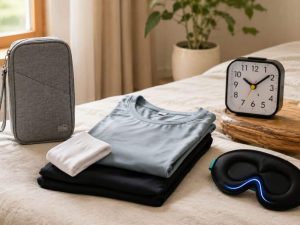
Questions about what to bring to Vipassana retreat belong before the course. After the course, your main job is not adding more items to the setup; it is making the next sit easier to begin.
A minimum practice is not a replacement for full practice. It is the fallback that prevents an imperfect day from turning into a lost week.
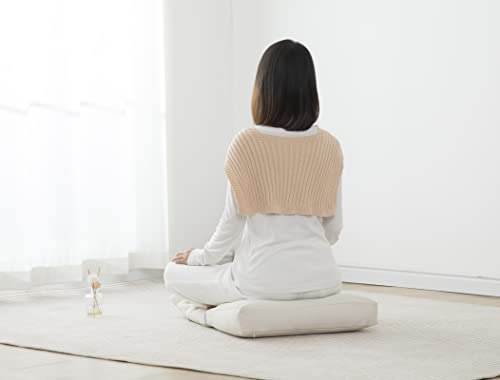
Build a home practice you can actually repeat
- TimeA stable sitting time reduces negotiation. Morning works well because fewer people and obligations have entered the day yet.Look forA repeatable window before work, school, messages, or household demandsAvoidWaiting until you feel inspired, rested, or perfectly quiet
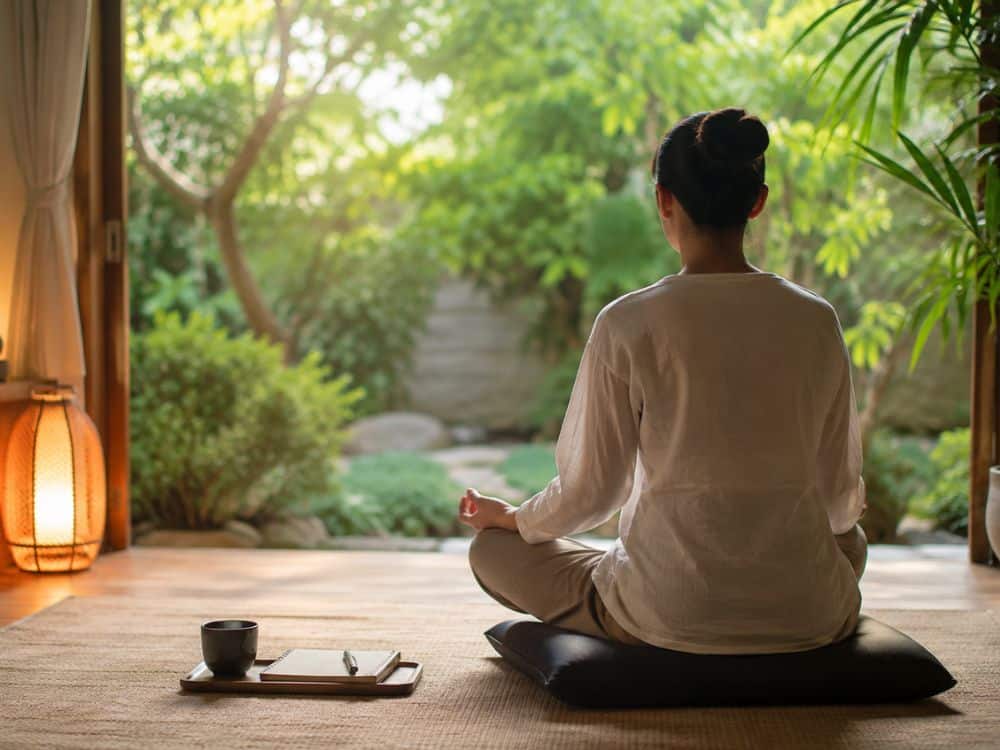
- PlaceYour home corner does not need to look spiritual. It only needs to make sitting easier to begin and easier to repeat.Look forA clean, low-distraction spot where your cushion, mat, chair, or shawl can stay readyAvoidBuilding a beautiful setup that takes so much effort you rarely use it
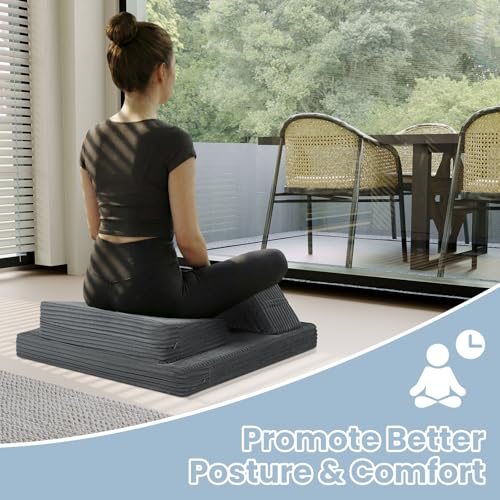
- PostureA workable posture is steady enough to observe sensations without making pain the whole object of the session.Look forA balanced seat, relaxed spine, supported knees, and less pressure on numbness-prone areasAvoidForcing a cross-legged posture because it feels more serious or traditional
- ExpectationsThe post-retreat mind often compares everything to the course environment. That comparison can make normal practice feel like failure.Look forA simple intention to sit, observe, and return again tomorrowAvoidJudging every session by calm, depth, memories, visions, or retreat-like silence
- SupportContinuity becomes easier when you are not relying on willpower alone. Support can be practical, social, or environmental.Look forGroup sittings, a teacher-approved schedule, a simple timer, or one trusted person who respects your practice timeAvoidDiscussing the retreat so much that talking about practice replaces practicing
A strong retreat can make ordinary life feel messy. That does not mean you should punish yourself for every missed sitting, emotion, craving, or noisy day. If practice brings panic, severe sleeplessness, dissociation, or distress that feels unmanageable, pause and seek qualified support rather than trying to meditate through it alone.
When Practice Feels Difficult After Coming Home
Misunderstandings that make re-entry harder
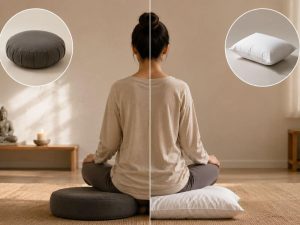
A cushion helps only when it solves a specific sitting problem. Low hips, rounded posture, and unstable knees make seat height more important than the brand name. For long home sits after retreat, the best meditation cushion for Vipassana is the one that keeps the pelvis supported, the knees less strained, and the practice space easy to return to. The choice between a Vipassana cushion and a regular pillow still depends on whether the seat stays stable through the whole sitting.
FAQ
How many hours should I meditate after a 10-day Vipassana retreat?
Many retreat traditions encourage a regular morning and evening practice after the course. Use the guidance from your own course or teacher as the primary reference. A realistic minimum keeps continuity alive on difficult days without pretending that every day can match retreat conditions.
What happens when I cannot sit two hours a day after the retreat?
Do not make the missed ideal into a reason to abandon practice. Keep one protected sit, shorten the second when necessary, or use a clearly defined minimum on difficult days. The patience behind building a sustainable meditation habit matters more than dramatic intensity that disappears after one hard week.
What kind of Vipassana meditation cushion helps after a retreat?
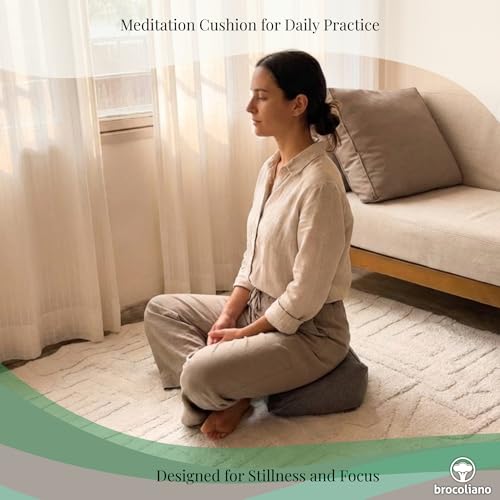
A Vipassana meditation cushion helps most when it raises the hips enough for the pelvis to settle and gives the knees a clearer relationship to the floor. The shape matters less than the result: less collapsing, less fidgeting, and fewer posture distractions during the sitting.
Is this the same as how to prepare for Vipassana retreat?
No. The question of how to prepare for Vipassana retreat belongs before the course, when the focus is sleep, packing, expectations, and entering silence. After the course, the focus shifts to re-entry, routine, posture friction, and practice continuity.
Does what to bring to Vipassana retreat still matter after the course?
The topic of what to bring to Vipassana retreat matters most before you arrive. After the retreat, the more useful question is what helps you sit tomorrow without turning home practice into another preparation project.
Why is Vipassana not for everyone?
A 10-day silent retreat can be demanding because it combines long hours of sitting, silence, limited stimulation, and direct observation of body and mind. Some people may need a gentler practice, professional support, or a different timing in life. Respecting your limits is not the opposite of discipline; it is part of practicing wisely.
Keep the Practice Small Enough to Continue
- Protect the first week home instead of rushing back into noise.
- Use the retreat schedule as your reference, not as a weapon against yourself.
- Fix the specific friction: time, place, posture, expectation, or support.
- Let ordinary life become the place where the practice matures.
After a 10-day retreat, the real test is not whether you can preserve a retreat state forever. It is whether you can return to sitting with honesty when life is ordinary again. Start with the next sit, then the next day, then the next week. Consistency will teach you more than a dramatic plan you cannot keep.