A household odor is information. It may point to damp fabric, old food, pet residue, a neglected drain, cooking film, smoke, or a safety problem that needs more than routine cleaning.
A search for how to remove odors from house often begins after fragrance sprays, open windows, and surface wiping have provided only a short pause. To get rid of household odors for more than an afternoon, locate the source, clean the material holding the residue, dry the area completely, and neutralize only what remains. The aim is not a stronger competing scent; it is a room that no longer produces the unwanted one.
The source-first approach
A consistent everyday home care system makes small changes easier to trace instead of turning each smell into a new experiment. The EPA’s indoor-air framework places source control first, followed by ventilation and filtration as supporting measures.

What the odor pattern can reveal
- Damp or musty
Start with moisture rather than fragrance. Check recent leaks, condensation, wet towels, bath mats, laundry, carpet edges, furniture against exterior walls, sink cabinets, and the area around appliances. A smell that strengthens after rain or during humid weather gives moisture more weight as the cause. The EPA notes that mold control begins with moisture control; deodorizing without correcting water entry leaves the condition that allowed the odor to develop.
- Sour, rotten, or fermented
Look for decomposing organic material: food beneath an appliance, residue in a bin seam, a forgotten lunch container, drain buildup, spoiled produce, or a spill that reached carpet backing. The strongest point may sit below or behind the visible surface. Remove the material first, then wash the compatible surface and dry the surrounding area.
- Ammonia-like or sharply animal
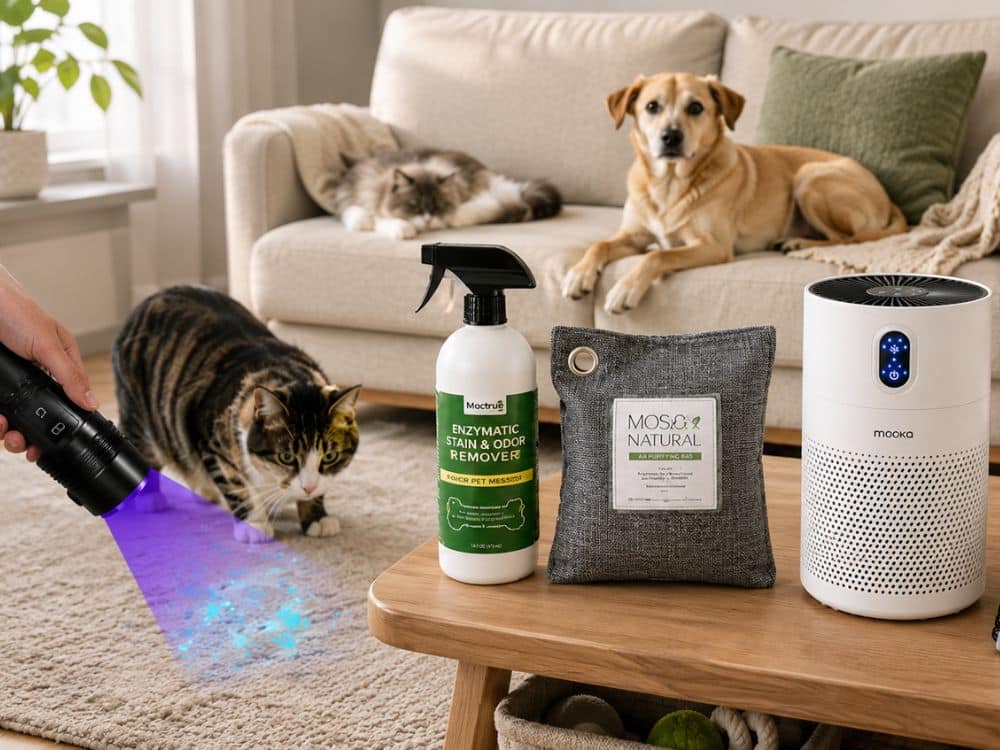
Pet urine, litter residue, and repeated marking deserve a close inspection of carpet edges, upholstery seams, bedding, baseboards, and the floor beneath washable covers. A 365nm UV light can make some dried residue easier to locate in a dark room, yet fluorescence is only a location clue: detergents, fibers, and other residues may glow too. Confirm with position, history, and smell before treating the material.
- Smoky, oily, or heavily perfumed
Cooking aerosols, smoke, candles, incense, and repeated air-freshener use can settle on washable walls, cabinet fronts, curtains, filters, and soft furnishings. Ventilation may reduce what is airborne while the deposited film continues releasing odor. Clean the compatible contact surfaces and launder removable textiles before adding another scent.
- Sewage, sulfur, gas, or electrical burning
Move this pattern out of ordinary deodorizing. A dry drain trap can allow sewer odor into a room, while a gas-like or electrical-burning smell can signal immediate danger. Do not investigate a suspected leak with a flame, switch, appliance, or household cleaner. Leave the area and contact the appropriate emergency service or qualified professional from a safe location.

Remove the source before neutralizing what remains
- Map the room before moving everything
Stand at the doorway, then move slowly around the perimeter and toward likely sources. Note the strongest location, height, time of day, weather, HVAC operation, recent cleaning, cooking, pets, guests, and new furnishings. Repeat the check after the room has been closed for a short period. A written record keeps one strong impression from becoming the entire diagnosis.
- Clear active odor producers
Take out trash, empty recycling, discard spoiled food, clean bin rims and seams, wash pet bowls, refresh litter areas, remove damp laundry, and drain standing water. Check beneath appliances, inside sink cabinets, behind toilets, around washing machines, and under removable cushions. This first pass can remove bad smells from home without introducing a deodorizer at all.
- Inspect hidden layers and contact points
Odor often survives below the visible top layer. Lift washable covers, inspect carpet edges and pads where accessible, smell both sides of a cushion, check grout and caulk near wet zones, and examine furnace or air-conditioner filters. Keep inspection gentle. Pulling up installed flooring, opening walls, or dismantling equipment belongs to a qualified professional when damage or contamination is suspected.
- Clean according to the material
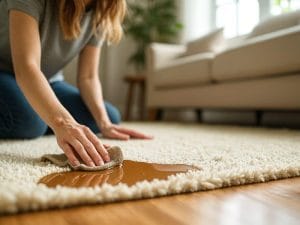
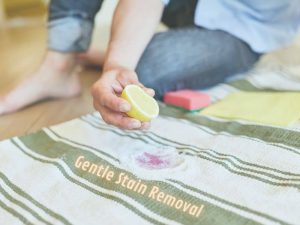
Remove loose material first, then use the mildest compatible method that reaches the residue. Blot liquid rather than driving it deeper; avoid saturating upholstery foam, carpet backing, wood, drywall, or laminate seams. The material-conscious choices in a gentle stain removal playbook for fabrics also protect texture, dye, backing, and finish while the odor source is being addressed.
- Treat organic residue as residue
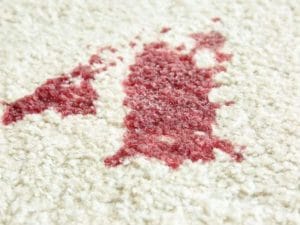
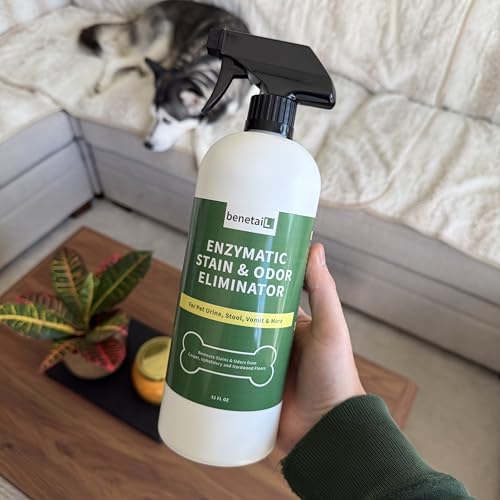
Pet accidents, milk, food, and similar organic material can remain inside fibers after the visible mark fades. An enzyme product labeled for the exact surface may break down residue that ordinary fragrance leaves behind. Remove solids, blot excess moisture, patch-test in a hidden area, follow the label, and allow the full drying period. A localized spill such as blackberry residue in carpet still needs stain-specific care rather than a universal odor recipe.
- Dry the cleaned area completely
Use exhaust ventilation, outdoor air when conditions are suitable, circulating fans, and a dehumidifier where moisture is elevated. Keep damp cushions separated from solid furniture until both sides are dry. A musty note that returns as humidity rises suggests trapped moisture, water intrusion, or contaminated porous material—not a shortage of perfume.
- Reassess, then neutralize the remainder
Return after the cleaning scent has faded and the material is dry. Smell at the original source, nearby textiles, and the room entrance. A faint residual odor may suit an unscented adsorbent or gas-phase filtration; a strong return means the source remains active, the residue sits deeper, or air is carrying odor from another location. Make the next change from that evidence rather than adding several products at once.
Cleaning-product labels determine surface compatibility, dilution, contact time, rinsing, ventilation, and storage. Never combine bleach or disinfectants with other cleaners; the CDC’s bleach-safety instructions warn that dangerous vapors can result.
What removes odor – and what only changes the scent
A rotten-egg or sulfur-like gas odor, electrical burning, visible smoke, sewage backup, or a strong chemical odor belongs in a safety category, not a deodorizing experiment. A suspected gas leak calls for leaving the area without operating switches or trying to locate the source, then contacting emergency services from a safe place; the PHMSA response steps describe that sequence. Significant water damage, extensive visible mold, persistent physical symptoms, dizziness, or headaches also warrant qualified assessment. The EPA’s mold cleanup recommendations emphasize correcting moisture and drying materials, because surface deodorizing leaves the condition that supports regrowth.
Decide what the room needs next
What absorbs bad smells in a house?
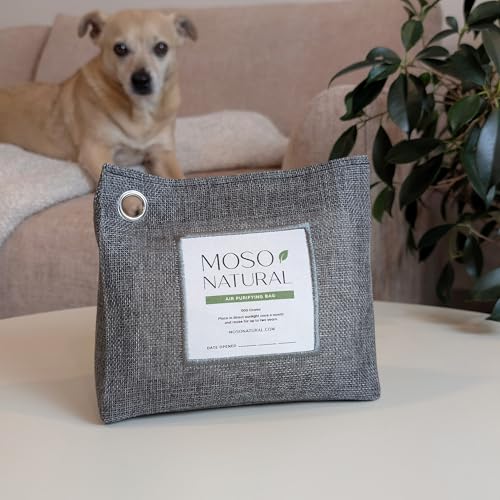
Activated carbon, baking soda, and some mineral adsorbents may capture certain odor compounds under suitable conditions. Performance depends on the compound, airflow, amount of adsorbent, humidity, and placement. Absorption or adsorption is a finishing step for faint remaining odor, not a substitute for removing trash, residue, moisture, smoke film, contaminated textiles, or a plumbing problem.
Why does an odor return after cleaning?
The residue may sit beneath the cleaned surface, the material may still be damp, air may carry odor from an adjacent room or HVAC pathway, or the original source may still be active. Recheck the strongest point after the area dries. A smell that follows humidity, appliance use, drain use, or a closed door provides a useful timing clue.
How long should household odor removal take?
A cleared trash source and washable hard surface may improve after one thorough cleaning and drying cycle. Saturated carpet pad, upholstery foam, smoke deposits, water damage, drain faults, and concealed contamination can take longer or require professional work. Judge progress by whether the odor becomes weaker after drying and stays weaker under the same room conditions.
Can vinegar and baking soda be used together for odor removal?
Their reaction produces carbon dioxide bubbles while reducing the acidity and alkalinity that gave each ingredient its separate properties. The fizz may loosen some debris mechanically, but the mixture is not a universal deodorizer. Choose one material-compatible method, follow surface instructions, and keep household chemicals separate unless the labels explicitly permit combination.
Can an air purifier remove household odors?
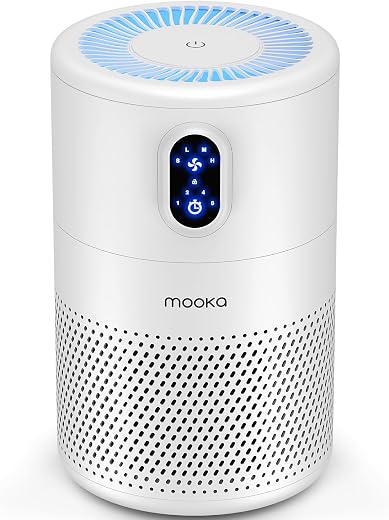
A purifier can reduce airborne particles, and a model containing substantial gas-sorbent media may reduce some gaseous odor compounds. HEPA alone does not target gases. Room size, airflow, filter design, source strength, and maintenance all matter. Source removal and ventilation remain the foundation; filtration manages part of what stays airborne.
A fresh home starts with an absent source
- Locate the strongest point and track when the odor changes
- Remove or clean the material producing the smell
- Dry and ventilate before judging the result
- Use absorbers or filtration only for what remains
Learning how to remove odors from house is less about finding the strongest deodorizer and more about following evidence in the right order. Locate, remove, clean, dry, ventilate, and reassess; only then add an unscented absorber or suitable filtration for a faint remainder. Clean air quietly supports what makes a home feel cozy, because comfort is easier to notice when no hidden source is competing for attention.