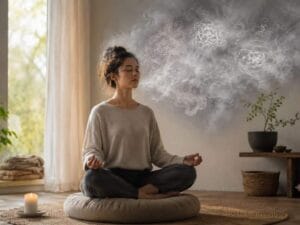
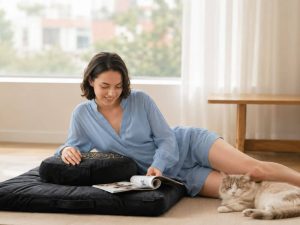
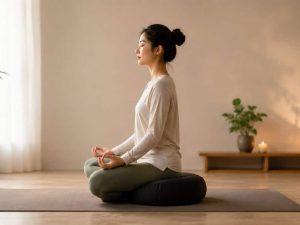
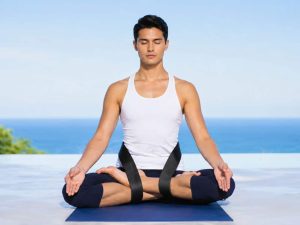
If your knees hurt during meditation, the better choice is not simply the softer option or the more ergonomic-looking one. A meditation bench and a meditation cushion solve different posture problems, so the right choice depends on what actually triggers your knee pain.
Choose a meditation bench if cross-legged sitting is the position that usually makes your knees complain. Choose a meditation cushion if floor sitting still feels close to workable and you mainly need more lift under your hips. If kneeling also hurts, neither option may be the right fix yet.
- Bench: better when cross-legged sitting is the main trigger
- Cushion: better when floor sitting needs more hip support
- Cushion set: better when knees, shins, or ankles also need floor padding
- Neither: better if both kneeling and cross-legged sitting aggravate your knees
Start here: bench vs cushion for knee pain
If your knee pain feels sharp, stays mostly on one side, lingers after practice, or comes with swelling, clicking, numbness, or instability, this is no longer just a meditation bench vs cushion decision. Stop experimenting with cross-legged sitting or kneeling and get medical guidance before trying to push through the posture.
Terms that matter before choosing
- Meditation cushion
A seat cushion used for floor meditation. Its main job is to raise your hips and change the sitting angle, not simply make the floor feel softer.
- Zafu
A firm meditation cushion, often round or crescent-shaped, used as the main seat for cross-legged floor sitting.
- Zabuton
A flat floor pad placed underneath the body. It helps cushion the knees, shins, ankles, and feet rather than lifting the hips. If you choose a cushion set, learn how to set up a zafu and zabuton so the seat and floor layer are doing different jobs.
- Meditation bench
A small bench used for kneeling meditation. It changes the posture completely instead of trying to improve cross-legged sitting.
- Seiza or kneeling posture
A kneeling sitting position where the legs fold underneath the body. A bench can reduce some pressure, but the posture still has to feel tolerable.
- Cross-legged sitting
A common floor meditation posture where the legs fold in front of the body. If the hips are tight, this position can pull strain into the knees.
Why knee pain happens during meditation
- Cross-legged pain often starts at the hips When the hips do not open comfortably, the knees may feel pulled, lifted, or strained during floor sitting.
- Kneeling pain is a different problem A meditation bench changes you into a kneeling posture, which can reduce cross-legged strain but add pressure through the knees, shins, or ankles.
- Floor pressure is not the same as joint strain If the floor feels hard under your knees or ankles, you may need padding underneath rather than a taller seat alone.
- Pain that persists is not a prop problem If pain lingers, feels sharp, or shows up no matter how you sit, changing cushions or benches may not be the right next step.
When a meditation cushion helps knee pain

- Floor sitting is almost workableA meditation cushion makes the most sense when you still want to sit on the floor and the position feels close to comfortable, but not quite supported enough.Look forA cushion that improves the angle without forcing your legs into placeAvoidUsing a cushion to force floor sitting when the posture already feels wrong from the start
- Sitting higher reduces strainIf your knees feel less pulled when your hips are raised, cushion height may be part of the solution.Look forEnough lift to help your hips settle above your kneesAvoidVery low or collapsing cushions that leave you sitting almost flat on the floor
- Hip support is the missing pieceA cushion helps most when tight hips are making cross-legged sitting harder on the knees.Look forFirm support that helps your pelvis tilt forward more naturallyAvoidTreating knee pain as only a knee problem when the hips are driving the strain
- You need structure, not just softnessFor knee comfort, a cushion needs to hold shape. A soft pillow may feel plush but still leave your posture unstable.Look forStructured fill that does not collapse immediately under body weightAvoidChoosing the softest option if it makes you sink or wobble
- You may need floor padding tooIf your knees, shins, or ankles hurt where they touch the floor, a seat cushion alone may not be enough.Look forA cushion setup that also considers contact-point pressureAvoidExpecting seat height to solve discomfort caused by the floor underneath
If sitting higher seems to reduce the pull on your knees, cushion height is worth checking before you buy. This meditation cushion height guide for beginners can help you understand how much lift may feel workable for floor sitting.
When a meditation bench helps knee pain

- Cross-legged sitting is the main triggerA meditation bench is most useful when the cross-legged shape itself is what makes your knees feel pulled, twisted, or irritated.Look forA setup that lets you avoid forcing your legs outwardAvoidBuying a bench if your knee pain is mostly from kneeling or floor pressure
- Tight hips make your knees feel strainedIf tight hips make cross-legged sitting feel tense before your mind settles, changing to a kneeling posture may be more useful than adding a taller cushion.Look forA posture that reduces the need to open the hips wideAvoidTrying to solve hip-limited sitting by forcing the knees lower
- Kneeling feels cleaner than sitting cross-leggedA bench only helps if kneeling or seiza-style sitting feels steadier and less irritating than your usual floor posture.Look forA kneeling position that feels calm through the knees, shins, and anklesAvoidAssuming kneeling is better if it already creates pressure or pain
- Your shins and ankles can tolerate the positionA bench changes where the pressure goes. Even if it helps your knees, it may still feel hard on the shins, ankles, or tops of the feet.Look forEnough room and support so the lower legs do not feel crushedAvoidIgnoring shin or ankle discomfort just because the knees feel slightly better
- Bench height and tilt fit your bodyWith benches, fit matters more than looks. The wrong height or angle can make kneeling feel unstable or add pressure where you do not want it.Look forA height and tilt that let your pelvis settle without collapsing forwardAvoidChoosing only by portability or appearance before checking the sitting angle
A meditation bench can be useful when cross-legged sitting is the problem, but it still puts you in a kneeling posture. If kneeling already creates pressure at the front of your knees, shins, ankles, or the tops of your feet, a bench may simply move the discomfort instead of solving it. If both floor sitting and kneeling feel wrong, it may be worth asking do you need a meditation cushion at all before buying another prop.
How to choose between a meditation bench and cushion
-
If cross-legged sitting triggers knee pain, compare a bench.
A bench is most relevant when the cross-legged shape is the main problem and kneeling feels easier to hold. If you are thinking about using a strap to keep the legs in place, read whether meditation knee straps help before holding the same cross-legged shape longer.
-
If floor sitting feels close to workable, compare a cushion.
A cushion makes more sense when you still want floor sitting and mainly need more lift or structure under your hips.
-
If the floor hurts your knees, shins, or ankles, compare a cushion set or zabuton.
Seat height may help the posture, but floor padding may matter just as much when contact points feel sore. If you are not sure whether you need hip lift, floor padding, or both, compare zafu vs zabuton before choosing a cushion set.
-
If both kneeling and cross-legged sitting hurt, choose neither for now.
When both posture families aggravate your knees, changing the meditation posture may be smarter than buying another floor prop. That is not the same as giving up; if this feels like a mental block, this reflection on letting go vs giving up may help you stop forcing a posture that is not serving your body.
Recommended options by knee-pain scenario
Crescent cushion if cross-legged sitting feels cramped
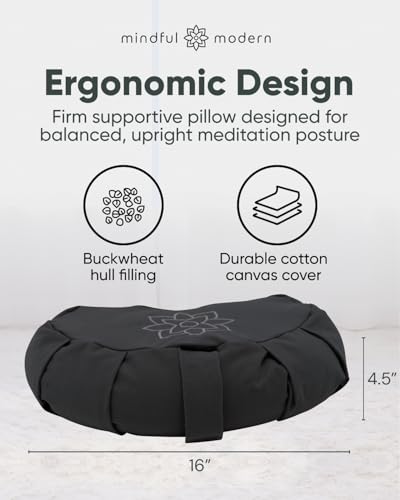

Improve comfort and posture during meditation with this supportive buckwheat-filled meditation cushion designed to reduce pressure on the knees, legs, and back while promoting natural spine alignment. Featuring an adjustable filling, removable washable cover, and convenient carry handle, it’s a thoughtful wellness essential for creating a more peaceful daily practice.
- Crescent shape leaves more leg space
- Buckwheat fill offers structured support
- Removable washable cover
- Carry handle for moving it around
- Still requires floor sitting
- Does not pad knees by itself
- May not help if kneeling feels better
- Not a fix for persistent joint pain
Classic zafu if floor sitting is almost workable
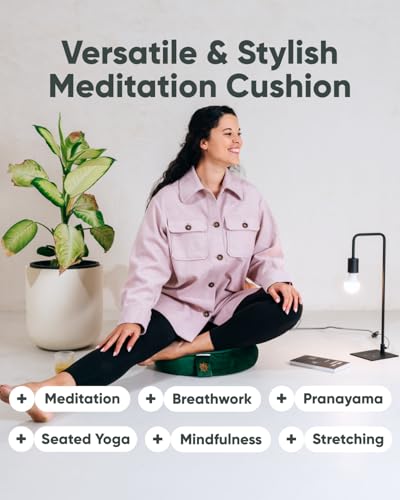

Designed for better posture and lasting comfort, this luxurious meditation cushion supports healthy spinal alignment while reducing strain during yoga, mindfulness, or floor seating sessions. Filled with adjustable natural buckwheat hulls and wrapped in a soft removable velvet cover, it combines wellness, style, and everyday practicality in one calming essential.
- Classic round zafu-style support
- Buckwheat fill offers firm structure
- Removable washable cover
- Carry handle for moving it around
- Round shape may feel closed-in
- Does not pad knees by itself
- Still depends on hip comfort
- Not ideal if kneeling feels better
Cushion set if knees and ankles need floor padding


Enjoy deeper relaxation and long-lasting comfort with this luxurious meditation cushion set featuring supportive buckwheat filling and plush memory foam designed to reduce pressure on the knees, hips, and legs. Finished with elegant embroidered velvet covers and easy-to-clean removable cases, it creates a calm and cozy space for meditation, yoga, reading, or everyday relaxation.
- Seat plus floor support
- Buckwheat cushion for structure
- Memory foam mat for padding
- Removable washable cover
- Bulkier than one cushion
- Still requires floor sitting
- May not help kneeling pain
- Not a fix for joint pain
Kneeling bench if cross-legged sitting triggers knee pain


Designed to support natural spinal alignment and reduce strain, this handcrafted seiza meditation bench promotes deeper breathing, better posture, and greater comfort during meditation, yoga, or prayer sessions. Made from durable birch wood with a portable travel-friendly design, it’s an excellent alternative to traditional meditation cushions for both home practice and retreats.
- Changes posture away from cross-legged sitting
- Multiple height sizes to compare
- Portable version with bag
- Designed for seiza-style kneeling
- Kneeling must feel tolerable
- Can still pressure shins or ankles
- Fit matters more than appearance
- Not for cross-legged sitting
Portable bench if you want a foldable kneeling setup


Improve posture and comfort during meditation with this ergonomic seiza meditation bench, designed to support natural spinal alignment while reducing pressure on the knees and ankles. Crafted from durable bamboo with a soft velvet cushion and portable folding design, it offers a stable and stylish meditation experience at home, outdoors, or while traveling.
- Folding design for easier storage
- Carry bag included
- Bamboo frame
- Velvet cushioned seat
- Portability does not guarantee fit
- Kneeling must still feel tolerable
- May still need padding underneath
- Not a cushion for floor sitting
If you are ready to compare more product options beyond this bench-versus-cushion decision, see our roundup of best meditation cushions for better posture and less pain.
FAQ
How do I choose between a meditation bench and cushion for knee pain?
Start with the posture that causes the pain. If cross-legged sitting is the main trigger, a meditation bench may be worth comparing because it changes the posture into kneeling. If floor sitting still feels close to workable and mainly needs more lift under the hips, a meditation cushion usually makes more sense.
Is a meditation bench better than a cushion for knee pain?
Not always. A bench is often better when the cross-legged position is what irritates your knees. A cushion is often better when you still want floor sitting and need better hip support or sitting height.
Who should choose a meditation bench for knee pain?
A meditation bench usually fits people whose knees hurt quickly in a cross-legged position and who feel more stable in kneeling or seiza-style sitting. It is not the best choice if kneeling already creates pressure at the front of the knees, shins, ankles, or feet.
Who should choose a meditation cushion for knee pain?
A meditation cushion usually fits people who still want to sit on the floor and feel better when the hips are lifted slightly. It is most useful when the posture is almost workable, but sitting too low pulls strain into the knees.
What if both a meditation bench and a cushion hurt my knees?
If both cross-legged sitting and kneeling aggravate your knees, choosing another prop may not be the right next step. A chair, more support, a different posture, or medical guidance may be more appropriate than forcing floor-based meditation.
Is a zabuton necessary with a meditation cushion for knee pain?
Not always, but it can help if your knees, shins, ankles, or feet feel sore against the floor. A cushion lifts the hips, while a zabuton-style floor pad cushions the contact points underneath the lower body.
If you are still unsure whether your knees need more seat height, more floor padding, or a different posture entirely, read this guide to choosing a meditation cushion for knee pain before deciding between a cushion, cushion set, or bench.
The better choice depends on the posture that hurts
- Choose a bench when cross-legged sitting is the main trigger.
- Choose a cushion when hip support and sitting height are the missing pieces.
- Choose a cushion set when floor pressure is part of the problem.
- Choose neither for now if both kneeling and cross-legged sitting aggravate your knees.
A meditation bench is usually the better path when cross-legged sitting is what triggers your knee pain and kneeling feels more natural. A meditation cushion is usually the better path when floor sitting still feels close to workable and you mainly need more lift or structure under your hips. If the floor itself bothers your knees, shins, or ankles, a cushion set or floor padding may matter more than changing the seat alone. For the broader buying framework, start with how to choose a meditation cushion.