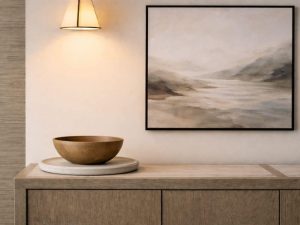
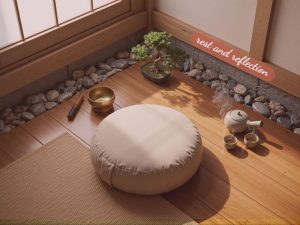
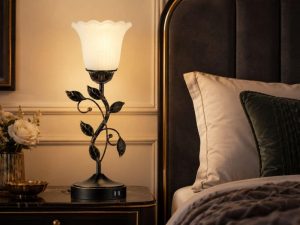
A cozy corner is not an empty space filled with pretty things. It is one small, usable place where your body can settle, your attention can soften, and home asks a little less of you.
The most comfortable corners usually begin with ordinary choices: a reliable spot, a seat that does not fight the body, light suited to the moment, and enough empty space to breathe. A corner becomes meaningful when it carries the same signals that often make a home feel genuinely cozy: physical ease, familiar light, less visual pressure, and permission to slow down. You do not need a spare room or a finished design. You need one place that works on an ordinary day.
Build the Corner Around the Life That Happens There
-
Choose one purpose
Decide what you want to do there most often: read, rest, journal, stretch, drink tea, or sit quietly before bed. A small corner feels calmer when it has one main job. When that job is meditation, a space that makes beginning the practice easier also needs to account for posture, distraction, and a repeatable starting cue – not only visual softness.
-
Pick the calmest available spot
Look beside a wall, window, sofa, bookshelf, or bed. Notice foot traffic, glare, noise, unfinished tasks, and the direction your eyes naturally face. The best location is not necessarily the prettiest one; it is the place that interrupts you least.
-
Test physical comfort
Sit there for several minutes before adding anything. Notice whether your shoulders rise, your back strains, your legs feel trapped, or the seat makes you keep adjusting. Fix the support first. Decoration cannot persuade an uncomfortable body to relax.
-
Match the light to the activity
Reading needs clear light near the page. Resting may feel better with a softer glow. Journaling or handwork may need something between the two. Place the light where it helps without shining directly into your eyes.
-
Give daily essentials a place to land
A book, drink, glasses, phone, journal, or blanket should not need to balance on your lap or remain scattered on the floor. Use an existing stool, shelf, tray, basket, or table before assuming the corner needs new furniture.
-
Live with the corner before buying more
Use the space for several days and notice what keeps creating friction. Once the same discomfort returns, it becomes easier to tell whether the problem is layout or how a material behaves in everyday use – whether it feels scratchy, slides underfoot, traps mess, or asks for more maintenance than the corner can carry.
Let use reveal what the corner needs. Comfort grows more reliably from attention than from completing a shopping list.
Move a chair, turn the lamp, clear the surface, bring out a blanket you already own, and remove one thing that makes the area feel crowded. Many of the changes that create a cozier home on a limited budget begin with moving, removing, or reusing what is already there. Buy something only after the same practical need continues to show itself.
Choose the Kind of Corner You Will Actually Use
Create a Quiet Sitting Corner When You Need Less Noise
If rest is the main purpose, the corner needs fewer objects and more protection from interruption. Even a quiet place for sitting and reflection can begin beside a wall, a window edge, or the quieter end of a sofa.
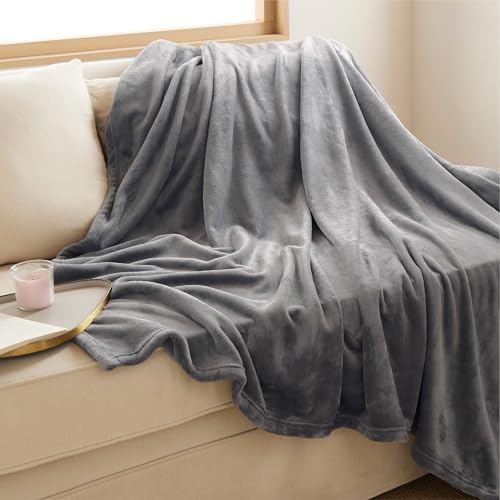
Keep laptops, bills, laundry, and unfinished work outside the immediate view. One comfortable seat, one soft layer, and a place for a drink may be enough. The corner should feel sheltered without becoming so carefully arranged that using it feels like disturbing a display.
Build a Reading Nook That Protects Your Attention
A reading nook in a small space does not need its own room. It needs enough support, light, and breathing space for your attention to stay with the page. A chair near a shelf, one end of the sofa, a bedside spot, or a floor setup can all work when the surrounding area remains easy to use.
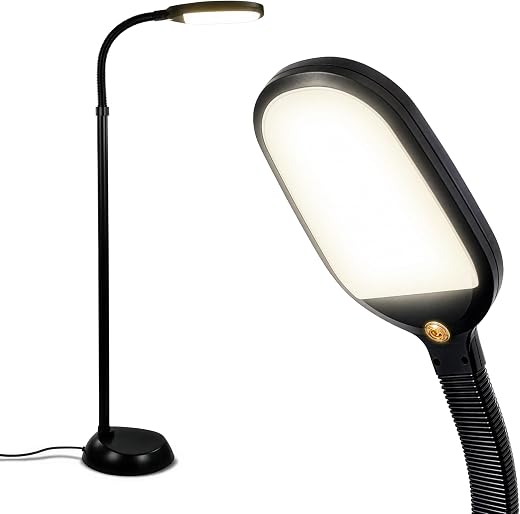
At night, comfortable reading depends less on how decorative the lamp looks than on brightness, warmth, and where the light reaches the page. Place it beside or slightly behind you so the words remain clear without an exposed bulb or sharp glare sitting in your line of sight.
Keep only the things that prevent small disruptions: a place for the current book, glasses, a drink, and perhaps a blanket. Books become easier to live with when the few things a reader reaches for most have a settled place nearby, rather than turning the corner into a display of every possible book-lover essential.
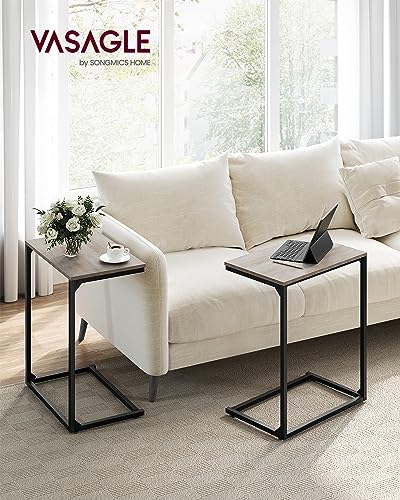
Let the Bedside Become a Softer Place to Land
If you read, journal, or sit quietly in bed, begin with support behind the back and light that does not make the room feel exposed. A bedside lamp that supports a cozier bedroom should soften the transition into night without leaving you squinting at a book or staring into exposed glare.
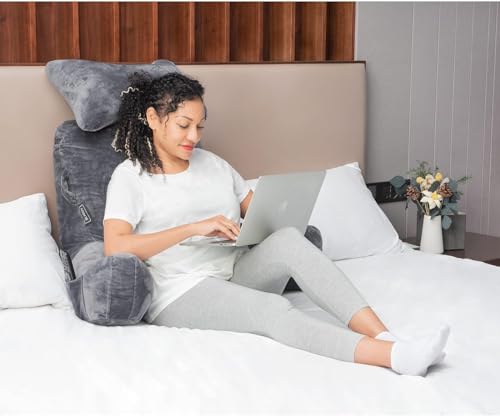
Keep the nearby surface restrained. Water, glasses, a book, a journal, and one calming object may be plenty. Chargers, receipts, skincare, and unfinished tasks need somewhere else to wait so the final part of the day does not feel like another desk shift.
Make a Small-Space Corner Feel Open, Not Crowded
Give the corner one job and protect the path around it. In compact rooms, the most useful layout changes often come from using edges and overlooked spaces rather than adding another piece of furniture.

Check the door swing, the walking path, and the space needed to sit down comfortably. Use the wall edge, sofa end, window side, or vertical storage before taking over more floor area. One soft layer and one practical storage place usually feel calmer than several pillows, baskets, candles, and decorative objects competing inside a tight boundary.
Keep the Corner Easy to Return To
Blankets, books, chargers, toys, and hobby supplies will eventually move. Give the things used most often one obvious place to return to, and make that place easier than leaving everything on the chair or floor. The goal is not permanent tidiness. It is a reset simple enough to survive a tired evening.

When the corner is simple enough to reset and return to, sitting there with tea, a book, or a few quiet breaths can become one of the small daily rituals that soften an ordinary day without requiring a perfect routine. The physical space becomes useful because it makes the next gentle action easier to begin.
- Return the daily essentials Put the book, glasses, charger, journal, or remote back in the place chosen for it.
- Clear the seat and walking path Fold the blanket, move the cup, and make sure sitting down tomorrow will not require rearranging the room.
- Leave one quiet cue A ready chair, folded blanket, closed book, or unlit lamp can remind you that the corner is available without turning it into a performance.
A corner you can reset imperfectly is more supportive than one that stays beautiful only when nobody uses it.
Cozy Corner Mistakes That Make Comfort Harder
Too many pillows, blankets, and textured layers can reduce usable space and make the corner harder to maintain.
Begin with one layer that changes how the body or room feels. Add another only when it solves a different need rather than repeating the same visual effect.
A small edge of a room can work when it has a clear purpose and enough space for the body to enter, sit, and leave comfortably.
Purpose, support, light, and an open walking path matter more than square footage.
An item helps only when it answers a problem that layout, removal, or reuse could not solve.
Test the corner first. When poor light, missing support, an awkward surface, or storage friction keeps returning, the need becomes specific enough to address without buying an imagined complete setup.
Let One Small Corner Become Easier to Come Home To
- Begin with one corner instead of redesigning the whole room.
- Fix physical comfort, lighting, and layout before adding more.
- Let the space grow slowly around the way you actually use it.
The best corner is not the one with the most evidence of coziness. It is the one you use on an ordinary day because sitting down there feels a little easier than continuing to rush.