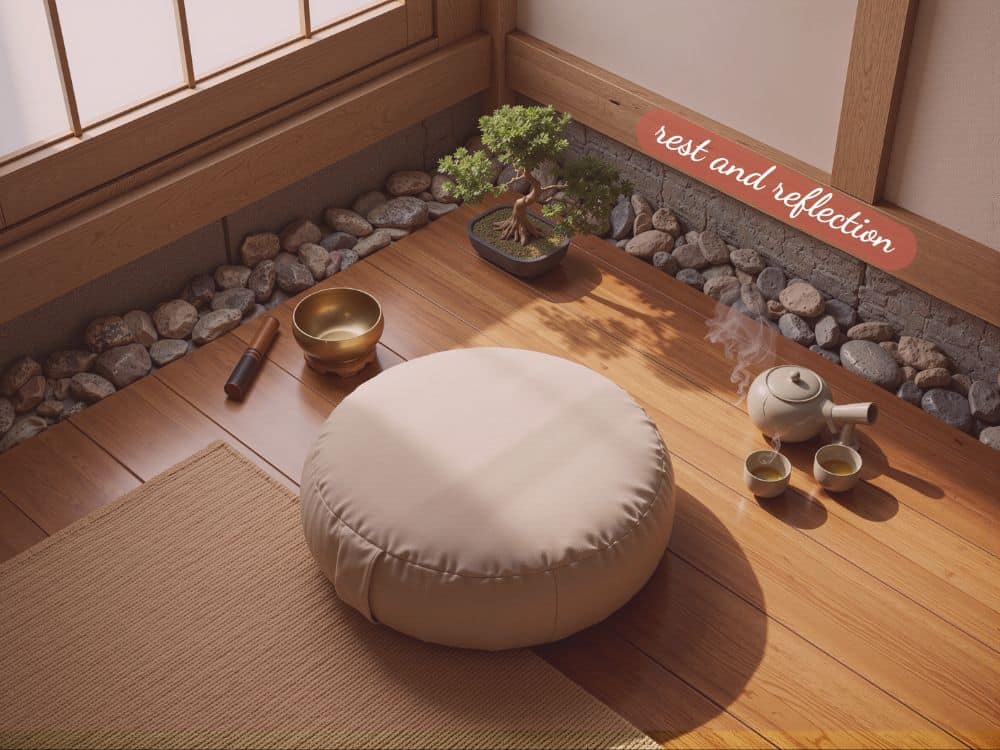
A quiet sitting corner is not about decorating an empty space or creating a perfect meditation area. It is a small, low-stimulation place where you can sit quietly, let your body soften, and give your mind a few minutes of room to breathe.
This guide shows how to create a quiet sitting corner at home using what you already have first: the least disturbed spot, less visual noise, comfortable body support, softer light, and a few minutes of stillness. It is part of a broader approach to creating cozy corners at home, but this version stays focused on rest, reflection, and sitting without feeling braced.
- Choose a quiet corner at home without needing a separate room
- Reduce visual noise before adding cushions, lamps, or decor
- Notice whether your body needs floor support, back support, or softer light
- Create a simple sitting corner for rest and reflection without turning it into a shopping project
How to Create a Quiet Sitting Corner for Rest and Reflection
- Choose the least disturbed spot Start with the part of your home that already feels a little quieter. A quiet sitting corner works better when your body does not feel watched, rushed, or interrupted.
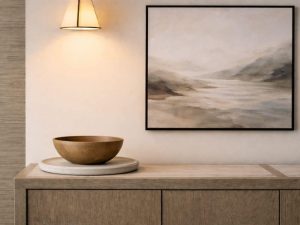
- Make the space visually quieter first Before adding cushions, lamps, or decor, reduce what your eyes have to process. Turn the seat away from busy areas, clear one surface, or soften the view in front of you.
- Sit with what you already have Use a chair, sofa edge, folded towel, or floor cushion you already own. A few minutes of sitting will show whether your hips, lower back, shoulders, or eyes need more support.
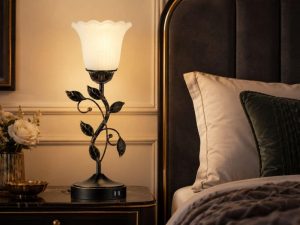
- Soften the light, not just the look For rest and reflection, light should help the body slow down. Use gentle side light or warm dimmed light instead of harsh overhead brightness when possible.
- Add support only when it solves friction A meditation cushion, lumbar pillow, or adjustable lamp is useful only if it removes a real barrier to sitting still. The goal is less effort, not more things. If several small supports would genuinely help, use a budget-first approach to build a meditation setup under $100 instead of adding random pieces one by one.
A quiet sitting corner should make it easier to pause for five to ten minutes without turning rest into another project.
Start with the quietest spot, the chair or cushion you already have, and a few minutes of honest sitting. If your body keeps shifting, your lower back works too hard, or the light feels harsh, then a support item may help. But the goal is not to decorate the corner. The goal is to remove enough friction that rest and reflection feel possible.
How to Create a Quiet Sitting Corner at Home
-
Choose the least disturbed spot first
Look for a place that already feels slightly quieter than the rest of your home: near a wall, beside a window, at the end of a sofa, or in a corner with less movement. You are not looking for the prettiest place. You are looking for the place where your body feels least on alert.
-
Reduce visual noise before adding anything
Turn the seat away from busy areas, clear one small surface, or move distracting objects out of your direct line of sight. A quiet sitting corner starts to work when your eyes stop scanning the room for things to manage.
-
Sit with what you already have
Use a chair, sofa edge, folded towel, floor cushion, or pillow you already own; if the pillow becomes your main test seat, this regular pillow vs meditation cushion for long sitting guide can help you understand what the support is actually doing. Sit for a few minutes and notice whether your hips, lower back, shoulders, or neck feel supported or quietly working too hard. If floor sitting feels promising but your current pillow collapses or shifts too much, comparing Japanese floor pillows can help you understand softer floor support before choosing anything more formal.
-
Adjust the light to support rest
If the light feels harsh, bright, or directly overhead, soften it before you add more decor. A quiet corner usually feels better with warm side light, indirect light, or dimmed light that lets your eyes relax.
-
Stay still long enough to trust the space
Give yourself five to ten minutes without checking your phone, fixing the room, or searching for a better feeling. The point is not to sit perfectly. The point is to let the body learn that this corner does not ask anything from you.
If a step feels uncomfortable, treat it as information. The corner may need less noise, better support, softer light, or simply more time. If you plan to use the corner specifically for meditation, it helps to set up a meditation space at home with posture support, softer light, visual calm, and a simple starting cue.
You do not need a spare room, an empty alcove, or a picture-perfect corner to create a quiet sitting space. A sofa end, bedroom corner, window side, or one chair turned slightly away from visual noise can be enough. If your home is compact, these small-space sitting corner ideas can help you think in smaller zones instead of full-room setups.
What Your Body Should Feel in a Quiet Sitting Corner
- Your shoulders can dropA quiet sitting corner should not make your body feel guarded. If your shoulders keep lifting or your jaw stays tight, the space may still feel too exposed, busy, or uncomfortable.Look forA position where your shoulders naturally soften after a few minutes.AvoidForcing yourself to sit still while your upper body stays tense.
- Your lower back is supportedRest becomes difficult when your lower back is quietly working the whole time. The goal is not perfect posture, but enough support that sitting does not feel like effort.Look forA chair, cushion, sofa edge, or floor setup that lets your spine feel steady without strain.AvoidSitting through lower-back fatigue and treating it like a discipline problem.
- Your eyes stop scanning the roomVisual noise can keep the body alert even when the room is technically quiet. A calm view helps the corner feel safer and easier to stay in.Look forA simple view with fewer objects, screens, piles, or moving areas in front of you.AvoidFacing clutter, traffic, bright screens, or anything that makes your mind start sorting tasks.
- The light feels gentle, not demandingFor rest and reflection, light should help your eyes soften. Bright overhead light or glare can keep the body in focus mode.Look forWarm, side-positioned, indirect, or dimmed light that does not shine directly into your eyes.AvoidHarsh ceiling light, exposed bulbs, or a lamp that makes the corner feel like a work area.
- You can stay for five to ten minutesA quiet sitting corner does not need to hold you for an hour. It only needs to feel safe and comfortable enough for a short pause.Look forA setup where you can sit quietly for a few minutes without constant adjusting.AvoidChanging positions, reaching for your phone, or fixing the room every minute.
Helpful Support Only If Your Body Keeps Adjusting
Use a Meditation Cushion If Floor Sitting Makes Your Hips Work Too Hard

This cushion is most useful if floor sitting makes your hips or lower back work too hard after a few minutes. It can help create a steadier sitting position for rest and reflection, especially when a folded towel or regular pillow is not supportive enough.
Use Lumbar Support If Your Chair Feels Fine at First but Tiring Later
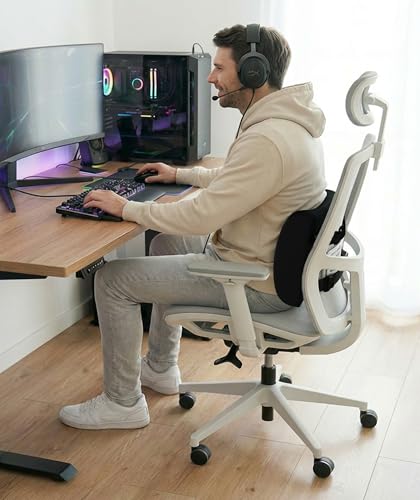

This lumbar pillow fits best when your quiet sitting corner uses a chair, couch, or desk chair that does not support the natural curve of your lower back. It is not about perfect posture; it is about reducing the small effort that keeps your body from settling.
Use Adjustable Soft Light If the Corner Feels Too Bright or Work-Like


This lamp is useful if your current light feels too harsh, too bright, or too fixed in place. For a quiet sitting corner, use the dimmer and warmer color modes to create gentle side light rather than a work-like spotlight.
For rest and reflection, a lamp should make the corner feel gentler, not busier. Try side light, warm light, or a dimmed setting before buying anything new. If you also read in this space, this guide to soft lighting for reading at night explains how to avoid harsh glare and eye strain.
Quiet Sitting Mistakes That Make Rest Feel Harder
It only needs to feel low-stimulation enough for you to sit, breathe, and reflect without feeling watched or rushed.
A regular chair near a wall, a sofa edge, a floor cushion, or a bedside spot can work if the place feels less disturbed than the rest of the room.
Start by sitting with what you already have, then notice what still creates effort. The same restraint helps when deciding what you need before and after a silent retreat: start with the real friction, then add only what makes the transition calmer.
If your hips, lower back, eyes, or shoulders keep working after a few minutes, support may help. If you can sit comfortably already, buying more may only add clutter.
Restlessness is common when your body is used to moving quickly from one task to the next.
Try staying for five minutes without judging the experience. If the space feels physically supported and visually calm, your body may need time before stillness feels natural.
Too many pillows, blankets, candles, or objects can make the corner feel visually busy.
For rest and reflection, one useful soft layer is usually better than a pile of items that your eyes have to sort through.
A quiet sitting corner can be useful even if you only use it for five to ten minutes.
The value is not in performing a long routine. It is in having one place where your body can stop preparing for the next task. That same idea applies before leaving for silence: prepare your home before a silent retreat so you return to fewer loose ends and a softer place to land.
A Quiet Corner Is Enough When Your Body Can Stop Bracing
- Choose the quietest usable spot before buying anything new
- Let comfort, body support, and soft light matter more than appearance
- Use products only when they remove a real barrier to sitting quietly
- Begin with five to ten minutes of rest and reflection, then adjust slowly
A quiet sitting corner does not have to become a perfect room, a meditation setup, or a decorated scene. It only needs to be one place where you can sit quietly, feel supported, and let the body stop preparing for the next task. Start with the least disturbed spot you already have, reduce visual noise, soften the light, and add body support only if sitting still feels physically harder than it should.