
It is often easier to forgive another person than to forgive yourself for being tired, forgetful, uncertain, or simply human.
Self-kindness is not constant praise, and it does not erase responsibility. It is the choice to respond to a mistake, a limit, or a difficult day without adding humiliation to the problem. Sometimes that means changing the sentence in your head. Sometimes it means eating, resting, saying no, accepting help, or allowing one small pleasure to remain pleasantly unproductive.
Self-kindness is not letting yourself off the hook
You can admit what went wrong without turning one mistake into a verdict on your character.
Responsibility becomes clearer when it stays specific: what happened, who was affected, and what can be repaired or done differently next time.
A useful response is more specific than “I ruin everything.”
Cruel language may feel serious, but it rarely tells you what to do next. A fair sentence can name the mistake and still leave room for correction.
Basic needs are not prizes reserved for your most productive days.
Food, rest, warmth, and a little quiet still matter on days when the to-do list remains stubbornly unimpressed.
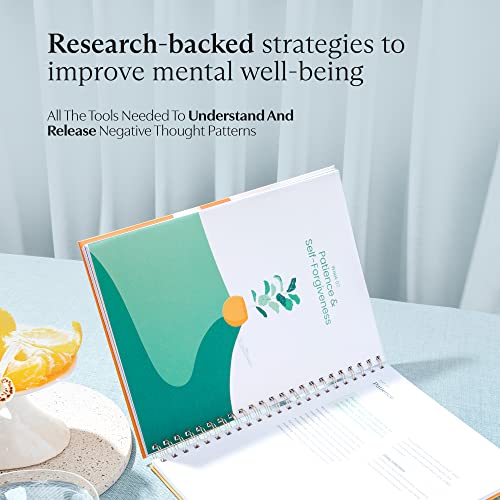
Begin with the voice you use after a mistake
Self-kindness becomes most visible in the few minutes after you forget something, react badly, miss a goal, or disappoint yourself. Those are the moments when the mind can move from one real mistake to a sweeping conclusion about who you are.
The first thought may arrive quickly: I am useless. I always ruin things. I should be better than this by now. You do not have to pretend the thought never appeared. It is enough to notice that it is a verdict, not a useful description.
Turn a harsh verdict into a useful response
- Catch the exact sentence
Notice the words that arrived first. Naming the sentence makes it easier to examine instead of automatically obeying it.
- Describe what actually happened
Replace the verdict with an event: you forgot an appointment, delayed a task, spoke impatiently, or made a decision while overtired. Facts are usually less theatrical and much more useful.
- Keep responsibility specific
Decide whether an apology, correction, reminder, or different plan is needed. Responsibility can be firm without becoming a public execution carried out inside your own head.
- Notice when the reaction belongs to something older
Sometimes the size of the reaction suggests that the present mistake has touched something older. Learning what to do when an old hurt keeps returning is a different task from correcting the mistake in front of you.
The aim is not to make every mistake feel pleasant. It is to stop using one difficult moment as evidence against your entire worth.
Use words you can actually trust
Sometimes positive language fails because it asks you to leap too far. “I am amazing at everything” is difficult to believe when you are staring at something you genuinely handled poorly. A kinder sentence does not have to flatter you. It only has to be fair.
You might say, “I handled that badly, but one mistake does not describe everything about me.” Then add a sentence that points somewhere useful: “I need to apologize.” “I will write it down next time.” “I am too tired to decide this tonight.” A trustworthy inner voice does not remove consequences. It helps you meet them without becoming your own enemy.
Treat ordinary needs as information, not a moral test
Many ordinary needs become complicated only after we attach a judgment to them. Tired becomes lazy. Hungry becomes undisciplined. Wanting quiet becomes selfish. Before deciding what a need says about your character, it may help to let it be what it is: a small piece of information from a human body and a human day.
Let basic care stay ordinary
Hunger, tiredness, tension, and low energy do not make you virtuous or weak. They are information about what the day may be asking from you. Yet many people wait until they can prove they are exhausted before allowing themselves to stop.
Rest can be reasonable before the body reaches a dramatic point of collapse. A simple, available meal can be care without becoming a nutrition program. Movement can respond to the day you are actually having: a walk, a stretch, a few minutes outside, or rest. None of these choices needs to become repayment for eating, pausing, or failing to perform yesterday.
The same is true of small comforts. A warm shower, clean sheets, a quiet chair, or a cup of tea does not need to transform your life to be worth having. A modest pleasure can remain modest. It does not have to arrive carrying a clipboard and a plan for personal growth.

When knowing what might help is still not enough
There are days when you know what needs attention and still cannot seem to begin. The laundry is visible. The message is waiting. The document is open. Knowing and doing remain several rooms apart.
That gap is not automatically proof of laziness. When even a useful action feels too large, a gentler way to restart when you feel stuck may begin by changing one small part of the loop rather than demanding a complete turnaround. Open the document. Wash one cup. Step outside for two minutes. Send one message. Returning still counts when it arrives without enthusiasm or a cinematic soundtrack.
Protect your limits before resentment speaks for you
Self-kindness also lives in calendars, conversations, and the moment you realize that wanting to help is not the same as having the capacity to help. Good intentions do not create more time, money, energy, or attention.
Say no without writing a legal defense
Before answering, look at what is actually available. “I can’t commit to that right now” and “That doesn’t work for my schedule” are complete sentences, even when guilt would prefer a three-page appendix.
You can offer another date, a smaller role, or a different suggestion when you genuinely mean it. But an alternative is not a fee you must pay for the right to refuse. A reasonable boundary may still feel awkward. Discomfort does not automatically prove that the limit was unfair.
Notice patterns without turning people into labels
One tiring conversation rarely explains an entire person or relationship. The topic may have been difficult. The timing may have been terrible. You may simply have had very little capacity that day.
Repeated criticism, pressure, manipulation, or disrespect is different. Patterns matter: what happens, how often it happens, whether you can speak honestly, and what the relationship repeatedly costs you. Limits may mean shorter visits, different topics, less access, clearer requests, outside support, or—when needed—a safer exit plan.
Guilt can also come from old expectations about always being useful, agreeable, available, or easy to please. Some may be expectations you are ready to let go of, even when changing them still feels uncomfortable. The feeling deserves attention, but it is not a final verdict on the boundary.

Self-kindness does not have to look impressive
When a small act of care becomes easier to remember at a familiar time of day, it can become one simple daily ritual rather than another ambitious routine to maintain.
Let support count as self-kindness too
There is a quiet form of self-kindness in letting another person carry one corner of what has become too heavy. You might ask someone to drive, bring food, watch a child, read a form, make a call, or sit nearby while you begin something difficult.
It can help to say what kind of support you need. “Could you listen without trying to fix it?” is different from “What do you think I should do?” Sometimes advice helps. Sometimes company is enough. A walk, a meal, or an ordinary errand with someone trustworthy can make care feel less like a formal intervention and more like shared life.

Professional support may also belong here. Reaching for it does not cancel the ordinary forms of care described above. It simply recognizes that some experiences are too persistent, painful, or complicated to carry alone.
Consider additional support when emotional distress lasts, keeps returning, or interferes with sleep, work, relationships, daily responsibilities, or basic care. Thoughts of self-harm or feeling unable to stay safe need immediate help from local emergency services, a crisis line, or a trusted person who can remain present.
Questions about being kinder to yourself
What can I say when positive affirmations feel fake?
Use language that is neutral, specific, and believable. “This is difficult, and I can take one step” may feel more honest than “Everything is wonderful.” A fair sentence does not need to sparkle.
How can I tell whether I need rest or I am avoiding something?
There is no perfect test. Look at the pattern: whether the pause helps you return with more choice, whether the task remains important, and whether avoidance repeatedly makes the situation harder. Rest and avoidance can also overlap, so the answer may be “a little of both.”
What can I do when setting a boundary makes me feel guilty?
Review the responsibility involved, keep the boundary specific, and allow some discomfort without immediately reversing the decision. Guilt may reflect care for others, but it does not automatically mean the boundary was wrong.
Can I be ambitious and still practice self-kindness?
Yes. Goals, standards, and accountability can remain. Self-kindness changes the way you respond when progress is slow or a mistake happens; it does not require abandoning what matters to you.
When is self-help no longer enough?
Additional support may be useful when distress lasts, becomes difficult to manage, or interferes with sleep, work, relationships, or basic daily care. Immediate help is important whenever personal safety feels uncertain or thoughts of self-harm appear.
A fairer way to stay on your own side
Self-kindness does not require loving every decision, feeling positive all day, or pretending that consequences do not matter. It may simply mean refusing to use one mistake, one limit, or one exhausted afternoon as proof that you are worth less. Responsibility can stay. The cruelty can leave.