To clean drains of fruit flies, remove the stopper, scrub away slimy buildup, flush the drain with hot water, use an enzyme or drain-safe cleaning treatment, and set a trap nearby for adult flies. The real goal is to remove the organic film where flies may feed and breed.
Fruit flies around a sink are not always coming from the drain, but drains are common trouble spots when food residue, grease, moisture, and biofilm collect just below the surface. This guide gives you a practical drain-cleaning routine, shows how to confirm the source, and explains when the problem may actually be drain flies instead. For broader prevention, see our guide to natural pest control.
- How to tell whether flies are really coming from the drain
- The difference between fruit flies, drain flies, fungus gnats, and phorid flies
- A simple 3-day drain-cleaning protocol
- Which household methods help and which ones are only temporary
- Products that can support cleaning, prevention, and adult fly control
How to clean drains of fruit flies
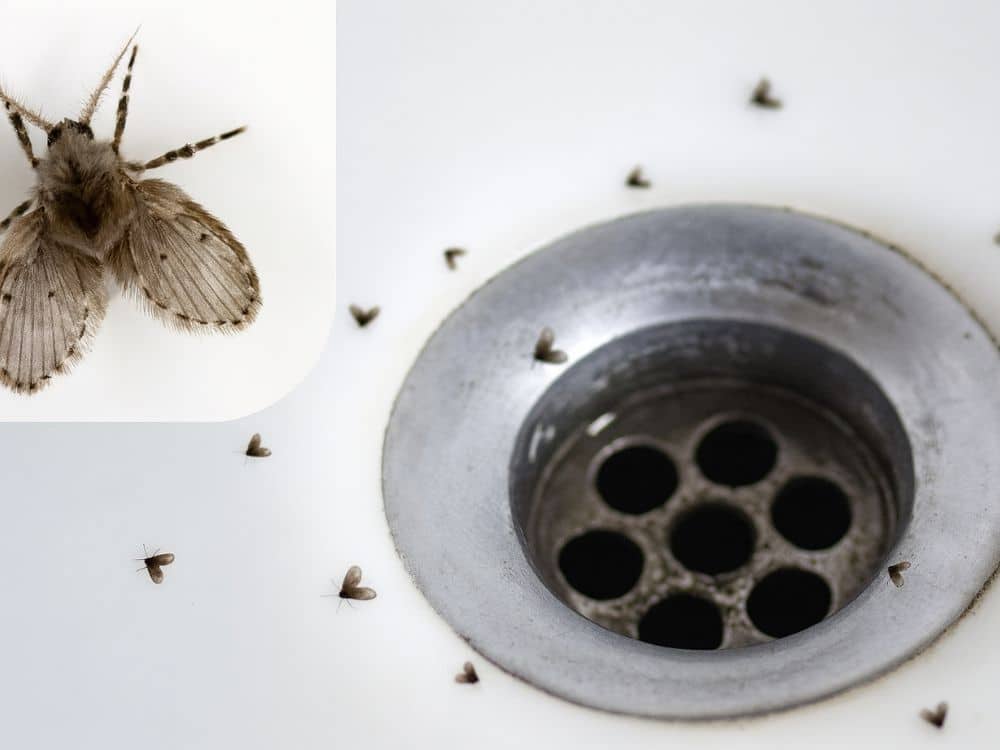
If the flies look fuzzy and moth-like, you may be dealing with drain flies rather than fruit flies. The cleaning approach still starts with removing drain slime.
Remove the drain stopper, scrub the visible slime, flush with hot water, pour an enzyme cleaner or drain-safe treatment before bed, and place an apple cider vinegar trap near the sink. Repeat the cleaning routine for several days, then switch to weekly maintenance.
Confirm the Drain Is Actually the Source
-
Dry the drain opening at night
Wipe the sink, rim, and drain cover so the area is dry before you test it.
-
Place clear tape over part of the drain
Lay clear tape sticky-side down across part of the opening. Do not fully block airflow or drainage if the sink may be used.
-
Check the tape in the morning
If tiny flies are stuck to the underside of the tape, that drain is likely active. If the tape is clear, inspect produce, trash, recycling, mops, and damp rags.
-
Repeat on other drains
Test kitchen sinks, garbage disposals, bathroom drains, floor drains, bar sinks, and laundry drains if the source is unclear.
Fruit flies are often near drains because sinks are close to food, trash, and moisture. The tape test helps you avoid cleaning the wrong source.
Make Sure They Are Fruit Flies, Not Drain Flies
Fruit flies
Small tan or brown flies, often with red or dark eyes. They are strongly attracted to ripe fruit, sugary spills, fermenting residue, trash, recycling, and moist organic buildup.
Drain flies
Small fuzzy flies with moth-like wings. They usually flutter weakly and rest on walls or surfaces near drains, where larvae can develop in slimy biofilm.
Fungus gnats
Dark, delicate flies with long legs. They are usually linked to overwatered houseplant soil rather than sink drains.
Phorid flies
Small humpbacked flies that may run across surfaces before flying. They can indicate hidden decaying organic matter beyond a normal sink drain issue.
If the insects look fuzzy and rest on bathroom walls, treat the problem like a drain-fly biofilm issue. If they hover around fruit, trash, recycling, or sweet residue, look beyond the drain too. The EPA’s Safe Pest Control guide is a useful reminder to identify pests before choosing a control method.
The 3-Day Drain Cleaning Protocol
Day 1: Remove the breeding film
-
Remove the stopper or drain cover
Put on gloves and take out the stopper, strainer, or cover. Clean any hair, food scraps, grease, or sludge attached to it.
-
Scrub the rim and first section of pipe
Use a stiff brush, bottle brush, or flexible drain brush to scrub just below the opening. This is where sticky biofilm often collects.
-
Flush with hot water
Slowly pour hot water down the drain to rinse loosened residue. Avoid boiling water if your plumbing, sink material, or manufacturer instructions warn against it.
-
Set a trap nearby
Place an apple cider vinegar and dish soap trap or a ready-to-use fruit fly trap near the sink to catch adult flies while the source is being cleaned.
Do not rely on vinegar foam alone. If the drain wall stays slimy, flies can continue using the same organic buildup.
Day 2: Treat the drain overnight
-
Repeat a short scrub
Focus on the stopper, splash zone, drain rim, overflow opening if present, and the first few inches of pipe.
-
Use an enzyme cleaner or drain-safe gel
Apply the treatment at night when the sink will not be used for several hours. Longer contact time helps it work on organic residue.
-
Do not mix chemicals
Avoid combining drain cleaners, bleach, vinegar, ammonia, or insecticides. Mixing products can be dangerous and may damage surfaces or plumbing.
-
Keep the adult trap in place
Traps catch flying adults but do not replace drain cleaning. Use them as support while you remove the breeding source.
Day 3: Inspect and expand the search
-
Check whether activity dropped
If you see far fewer flies, continue maintenance for another week. If activity stays high, the source may be elsewhere.
-
Inspect the garbage disposal
Clean under splash guards and around disposal components where food paste and odor can hide.
-
Check non-drain sources
Look at fruit bowls, trash cans, recycling bins, bottle returns, damp mops, sponges, dishcloths, compost, and under-sink leaks.
-
Retest suspect drains
Use the tape test again if one drain keeps producing flies after cleaning.
A true solution removes both the adult flies and the wet organic material that lets new flies develop.
Household Methods That Can Help
- Hot waterHelps loosen grease and rinse away residue after scrubbing. It is not a substitute for removing visible slime and debris.Look forUse after brushing the drain and stopperAvoidPouring boiling water into plumbing or surfaces that may be heat-sensitive
- Baking soda and vinegarCreates fizzing action that can loosen light residue and deodorize the drain area. It is most useful as a follow-up, not the whole treatment.Look forUse after visible debris is removedAvoidCalling it a complete drain bomb or relying on it without scrubbing
- Dish soap and hot waterCuts grease and helps rinse away food film. It can also be used in an apple cider vinegar trap to catch adult fruit flies.Look forUse around greasy kitchen drains and garbage disposalsAvoidAssuming soap kills hidden larvae deep in biofilm
- Apple cider vinegar trapsAttracts and catches adult fruit flies near the sink, trash, or fruit bowl. It does not clean the drain or remove the breeding film.Look forUse while drain cleaning is underwayAvoidUsing traps alone while the drain remains dirty
- Essential oilsMay add a fresh scent and mild repellent effect around clean surfaces. They do not replace cleaning or source removal.Look forUse lightly after the drain is cleanAvoidPouring large amounts of oil into drains
Scent can help make a clean area less attractive, but it will not remove organic buildup inside a drain. For more natural scent-based pest ideas, read What Smell Do Ants Hate the Most?.
Products That Can Help Clean Fruit Fly Breeding Buildup in Drains
Flexible drain brush for scrubbing biofilm
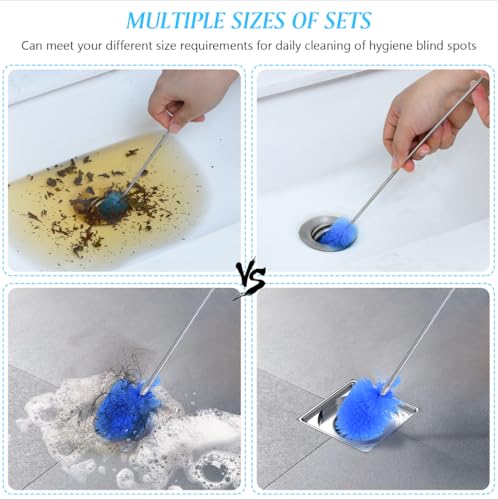
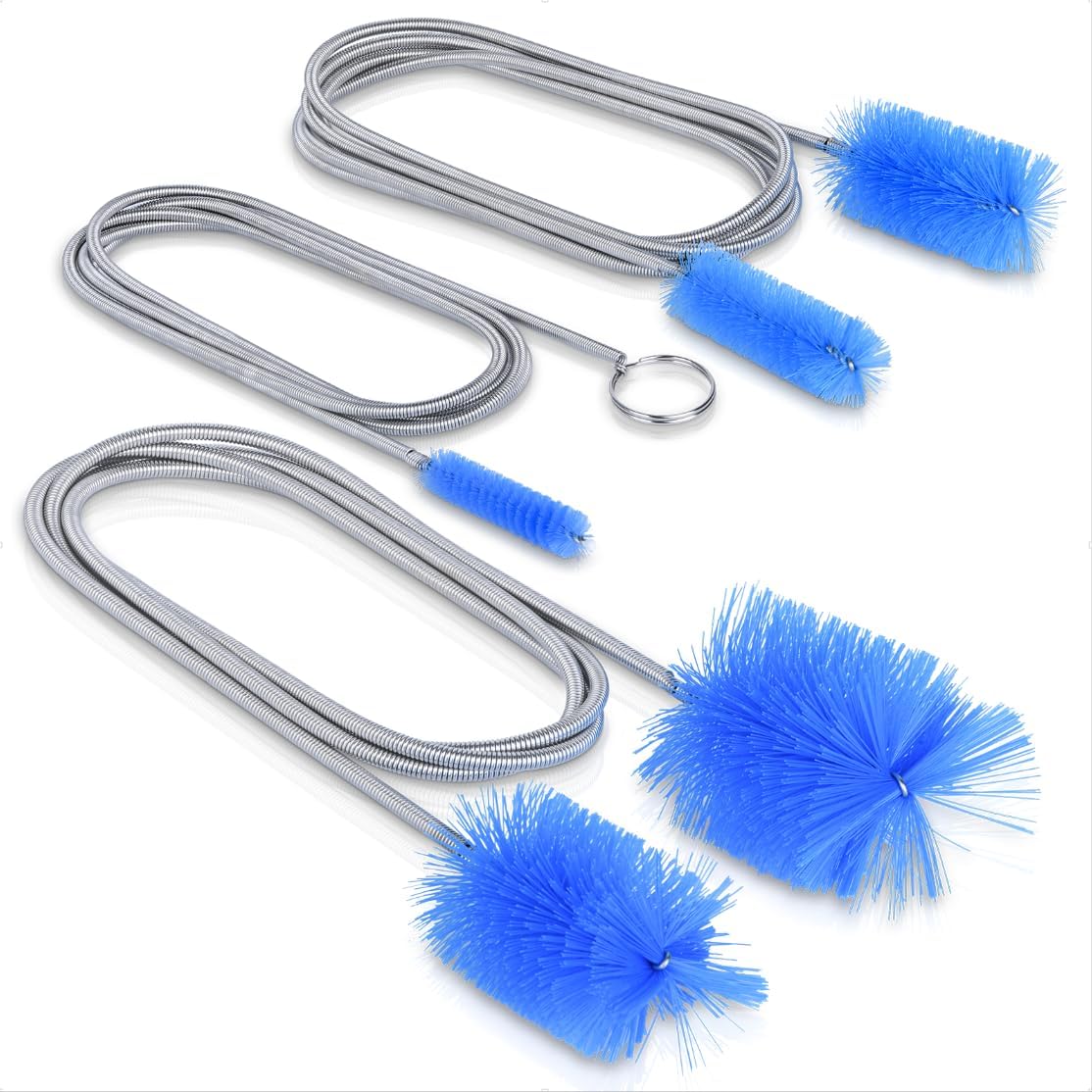
This type of brush supports the most important step: removing the slimy buildup where flies may develop. Use it on the drain rim, stopper area, and reachable pipe section before applying any enzyme or gel treatment.
Enzyme drain cleaner for overnight buildup control
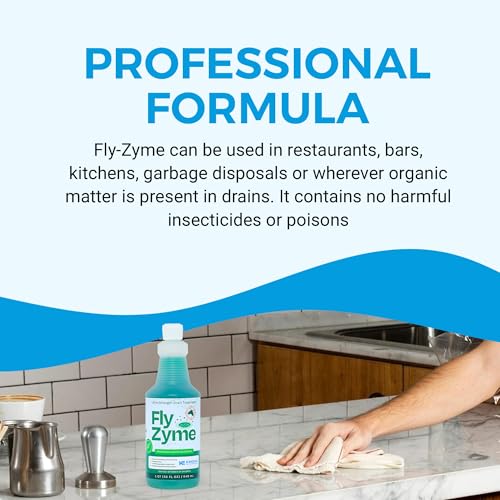

An enzyme drain cleaner is best used after physical cleaning, not instead of it. Apply it when the drain will sit unused so it has time to work on organic waste and odor inside the pipe.
Drain gel for persistent flies near sinks
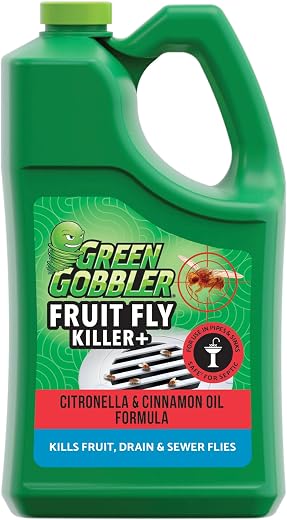
A gel drain treatment may be useful when flies keep returning after basic cleaning. Use it according to the label, avoid mixing it with other drain chemicals, and keep it away from children, pets, and food-prep surfaces.
Sink strainer to stop food scraps from feeding flies
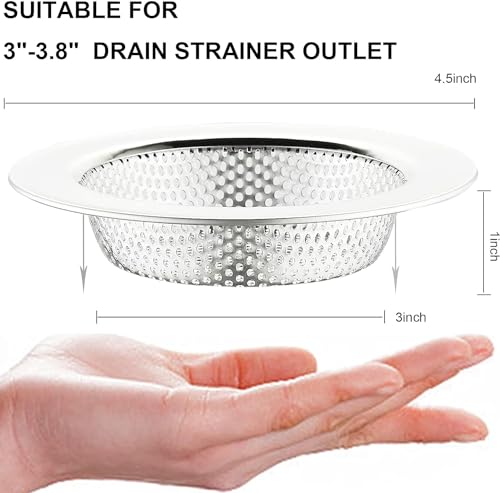

A sink strainer is simple but useful. It catches scraps before they enter the drain, reducing the organic residue that can feed fruit flies, drain flies, odors, and clogs over time.
Fruit fly trap for adults near the sink


A fruit fly trap helps reduce the flying adults you see around the sink, fruit bowl, trash, or recycling area. Use it alongside drain cleaning because traps do not remove the breeding material inside pipes.
Prevention Routine to Stop Future Infestations
-
Daily: rinse and dry the sink area
Remove food scraps, wipe the rim, clean behind the faucet, and dry standing water around the drain.
-
Daily: manage produce and trash
Store ripe fruit in the fridge, rinse sticky bottles and cans, empty compost, and keep trash covered.
-
Weekly: flush and inspect drains
Flush kitchen drains with hot water, check the stopper, and remove any visible residue before it turns into slime.
-
Weekly: clean the garbage disposal splash guard
Food paste can hide under the rubber splash guard. Lift and scrub it carefully if your disposal design allows safe access.
-
Monthly: do a deeper brush clean
Remove stoppers and strainers, scrub the reachable pipe area, and use enzyme maintenance if a drain tends to develop odor or buildup.
-
Ongoing: use strainers
Keep food particles out of drains with a sink strainer and clean the strainer after cooking.
For a lighter home-care rhythm, you can adapt the same idea into a five-minute weekly pest-prevention ritual.
When to Use Caution
- Do not mix drain chemicals Never combine bleach, ammonia, vinegar, commercial drain cleaners, enzyme products, or insecticides.
- Do not pour insecticide down drains Drain problems are usually solved by removing organic matter and biofilm, not by sending pest spray into plumbing.
- Do not rely only on traps Traps catch adult flies, but larvae can keep developing if the drain or another source stays dirty.
- Be careful with boiling water Very hot water may not be appropriate for every sink, pipe, disposal, or surface. Follow plumbing and product guidance.
- Do not ignore non-drain sources Fruit bowls, trash, recycling, sticky bottles, damp rags, and compost can restart the problem even after the drain is clean.
Clean the source, not just the flies
- Confirm the drain with a tape test before over-cleaning
- Scrub biofilm instead of relying only on vinegar
- Use traps for adults while cleaning the breeding source
- Prevent new buildup with strainers, dry surfaces, and regular maintenance
The best way to clean drains of fruit flies is to remove the material they depend on. Start with the drain stopper, rim, and reachable pipe walls, then flush, treat overnight, and trap adults nearby. Fresh flies continuing after the drain and nearby food sources have been addressed can mark the point where DIY pest control is not enough. Once the activity drops, a simple maintenance routine and sink strainer can help keep the problem from returning.