You can feel exhausted and still not feel ready for sleep. The body wants rest, but the mind is replaying the day, sorting tomorrow, and holding onto every loose end that never found a place to land.
Within the wider rhythm of simple daily rituals, the evening ones matter for a wonderfully ordinary reason: they give unfinished thoughts, extra input, and leftover tension somewhere to stop before bed.
Four things that help most
One mental reset and one quiet cue are enough for many evenings.
Let the evening begin a little earlier
Going straight from work, chores, or scrolling to bed can leave the mind wide awake even when the body is tired. A gentler evening often begins a little earlier, with one small sign that the busy part of the day is over.
That sign might be putting work away, lowering the lights, making tea, or stepping outside for a few quiet minutes. An after-work ritual can help when the day follows you home, while sunset rituals offer a softer way to notice that the pace is changing.
Nothing complicated is required. The mind may simply need a little time to catch up before the head reaches the pillow.
What is following you into the night?
- Things left unfinished
Tasks, reminders, decisions, and promises that keep returning because the mind is afraid they will be forgotten.
- Too much new input
Messages, headlines, scrolling, bright screens, and fresh decisions that keep giving the mind more to sort.
- Feelings that did not get a place
A difficult conversation, disappointment, guilt, loneliness, or pressure that cannot be cleared by making another list.
- Tension still held in the body
Raised shoulders, a tight jaw, shallow breathing, or the sense that the body is still waiting for one more demand.
Mental clutter is not one single problem, which is why one universal bedtime routine often feels strangely disappointing. A list can help with open loops. It may do very little for hurt feelings or a body that is still braced.
When sitting still makes emotional residue circle faster, a brief, unhurried nature walk can offer another kind of transition. Nothing needs to be solved along the way. The body simply gets somewhere to carry the feeling for a little while.
Give unfinished thoughts somewhere to wait
-
Capture what is still open
Write down unfinished tasks, reminders, decisions, worries, and anything the mind keeps repeating. Fragments are enough.
-
Separate action from emotion
Mark what needs a practical next step and what is simply a feeling asking to be acknowledged. Not every heavy thought is a task.
-
Choose tomorrow’s top three
Select no more than three priorities for the next day. Planning the whole week can wake the organizing mind all over again.
-
Write one closing line
End with a sentence such as: this has a place now; morning can hold the next step; or nothing else needs to be solved tonight.
The page is a temporary shelf, not a late-night command center.
- The Close-the-Tabs Dump Make three columns: what is loud, what needs action, and what can wait.
- The Tomorrow Top Three Write only the three things that would make tomorrow feel reasonably held.
- The Worry Parking Lot Name the worry, then add an honest boundary for when or whether it needs another look.
Stop organizing once the thoughts have somewhere to go. The goal is less mental clutter, not a perfect list.

A dedicated notebook can make the ritual easier to find, but any scrap of paper works. The value is not in owning the right journal. It is in creating a trusted place where the mind no longer has to rehearse everything.
What quietly keeps the evening open
Scrolling often gives the mind more material to sort.
The body may be still, but the mind is receiving images, opinions, headlines, comparisons, and tiny decisions.
Too many steps can turn the evening into another task list.
A ritual that only works on perfect nights usually disappears on the nights it is needed most.
Planning works better before getting under the covers.
Using bed as a problem-solving desk can make bedtime feel like the moment to think harder rather than stop.
Lower the input without removing everything pleasant
“Reduce stimulation” can sound as though the evening must become dark, silent, and mildly suspicious of joy. It does not.
A useful low-input ritual removes what feels needlessly sharp while keeping what feels human: quiet conversation, familiar music, a gentle book, a warm meal, laughter, or a calm show that does not leave the mind auditioning for an action film.
A calmer evening is not an empty evening. Keep the parts that offer comfort without asking the mind to process another mountain of information.
Soften the room before asking the mind to soften
Bright overhead light can keep a room feeling active long after the useful work is done. Lowering one lamp, closing a bright workspace, or moving to a quieter corner can create a visible transition.
The cue does not need to be dramatic. Evening rarely arrives with a trumpet. The same lamp, chair, or small corner can become familiar simply because it appears at roughly the same point in the night.
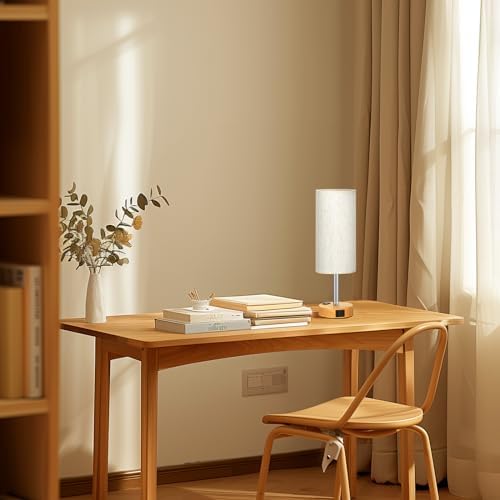
Give the phone a resting place too
Putting the phone away works better when it has somewhere obvious to go. A charging spot across the room, a shelf near the door, or a simple final-check time removes repeated negotiations.
The purpose is not to become morally superior to a rectangle. It is to reduce accidental returns to a world that never runs out of things to show you.
Notice the emotional temperature of late-night content
Content can look relaxing while still keeping the mind alert. Heavy news, unresolved arguments, intense stories, and work messages may continue echoing after the screen is closed.
The useful question is not whether something counts as entertainment. It is whether the mind feels fuller or lighter afterward. Some evenings can carry a little intensity. Others already arrive with enough luggage.
Choose the ritual that fits tonight
- 01Close the tabs
For unfinished tasks, tomorrow worries, and thoughts that keep asking not to be forgotten.
- 02Lower the input
For buzzy evenings filled with screens, bright light, messages, and too much information.
- 03Warm down
For stress held in the shoulders, jaw, breathing, stomach, or general restlessness.
- 04Use the bare minimum
For nights when even a well-designed routine feels like an unpaid second shift.
Choose one path, not all four.
The Close-the-Tabs Ritual
Choose this version when the mind keeps presenting unfinished tasks, reminders, and tomorrow’s problems. Spend three to five minutes capturing what is open. Decide only the next visible action for anything truly urgent, then close the notebook and physically move it away from the bed.
The three-minute version is smaller: write the loudest thought, tomorrow’s first step, and one sentence that ends the meeting. No agenda. No minutes. The committee in your head can reconvene during business hours.
The Low-Input Ritual
Choose this version when the mind feels buzzy rather than worried. Lower one light, place the phone outside easy reach, and replace fast-changing input with something familiar.
The three-minute version is simple: turn off the brightest source, silence nonessential notifications, and sit somewhere that is not associated with work. The ritual is not thrilling. That is rather the point.
The Warm-Down Ritual
Choose this version when stress feels physical: raised shoulders, a tight jaw, shallow breathing, cold hands, or the sense that the body is still standing at attention.
Warmth can become a cue without becoming a cure. A shower, a soft layer, gentle stretching, or a familiar caffeine-free drink may help the evening feel less abrupt.
Keep the sequence low-decision. Prepare the drink, sit down, and let that small act be enough. There is no prize for adding journaling, yoga, skincare, gratitude, reading, and a moon ceremony before the tea cools.

The cup is only a symbol of the pause. Water, another familiar drink, or simply warming the hands can serve the same emotional purpose. The ritual belongs to the moment, not to the product pictured inside it.
The Bare-Minimum Ritual
Choose this version when a full routine feels insulting. Write one sentence about what is still on the mind. Lower one source of input. Take one unhurried breath. Then stop.
A ritual with no tiny version tends to disappear precisely when life becomes difficult. That is one reason many self-care routines do not survive real life: every useful idea quietly becomes another daily obligation.
Small does not mean meaningless. Healing can live inside ordinary moments: folding the blanket, washing the cup, turning off the final lamp, or deciding that today has received enough of you.
Some nights are carrying more than one day
Sunday evening can feel crowded before anything has actually gone wrong. The mind may be carrying appointments, meals, deadlines, family needs, and the vague pressure to begin the week beautifully.
A normal bedtime list can then become a planning marathon wearing pajamas. Moving the weekly thinking earlier gives it a boundary. The ideas inside Sunday rituals for a calmer week are more useful than asking the final ten minutes before bed to carry seven days of control.
Other nights are carrying something older than today: disappointment, guilt, resentment, expectations, or the feeling that life should already look different. These thoughts are not open loops in the usual sense. They may have no tidy next action.
Name what is being carried, decide what does not need an answer tonight, and return to the body or the room. The deeper practice of letting go of emotional pressure and expectations begins with recognizing that not every thought deserves another hour of argument.
FAQ
How long should an evening ritual take?
Five to fifteen minutes can be enough, and the smallest version may take less than three. Length matters less than whether the ritual creates a clear transition without becoming another demanding project.
What can help when thoughts race as soon as the lights go out?
Move the thinking work earlier and outside the bed. Capture the loudest thoughts, choose any necessary next step, and end with a boundary such as: morning can hold this.
Should the same evening routine happen every night?
The intention can stay steady while the steps change. A mentally crowded night may need writing, an overstimulated night may need lower input, and an exhausted night may need only the bare-minimum version.
What can replace late-night scrolling?
Choose something familiar and low-decision: rereading a gentle book, preparing clothes for morning, stretching lightly, listening to steady audio, or completing one quiet household task.
What helps when the problem is emotion rather than unfinished tasks?
Name the feeling without turning it into a project. Gentle movement, warmth, a brief walk, a few honest sentences, or deciding that the issue does not need a nighttime answer can create a little more space.
The day does not need a perfect ending
- Give unfinished thoughts a trusted place to wait.
- Reduce one source of input instead of controlling the whole environment.
- Match the ritual to mental clutter, overstimulation, body tension, or low energy.
- Keep a tiny version for nights when life is messy.
Tonight can begin with one small act: write down what is open, soften one corner of the room, or hold a warm pause long enough to notice that the day has changed. Tomorrow may need a different ritual, and that is not inconsistency. It is attention.
When morning comes, you can carry the same gentleness forward by choosing one small way to begin with more ease.
The Rituals collection gathers other gentle paths for mornings, difficult transitions, letting go, emotional healing, and the ordinary moments in between.
- Begin tomorrow with more ease – Carry the softer rhythm into the morning without turning the first hour into another performance.
- Bring more warmth into ordinary life – Create small pockets of comfort throughout the day, not only when bedtime arrives.
- Practice a little more self-kindness – Meet tiredness, emotional heaviness, and imperfect routines without adding another layer of criticism.
A few simple objects can make an evening cue easier to remember, but none of them needs to become a requirement. The full list is there for inspiration, not another bedtime assignment.