Organic shampoo can be a gentler choice for thinning-looking hair, but the label alone does not guarantee a calmer scalp, less breakage, or fuller-looking roots.
The right formula should clean your scalp without leaving it tight, reduce friction while you wash, and support fragile strands instead of making them feel rougher. This guide shows you what to look for, what to avoid, how to test a shampoo for two weeks, and when choosing organic shampoo for hair loss needs more care than simply picking the cleanest-looking label.
- What organic shampoo can and cannot do for thinning hair
- Which formula signs matter more than marketing claims
- How to avoid scalp irritation, heaviness, and breakage
- When to choose a product by scalp behavior instead of hype
What “organic shampoo for thinning hair” really means
- Organic shampoo
In hair care, organic usually refers to how some plant-based ingredients are sourced or grown. It does not automatically mean the shampoo is gentle, effective, or suitable for a sensitive scalp.
- Thinning-looking hair
This describes hair that appears less dense, flatter at the roots, or more fragile over time. It may come from true shedding, breakage, fine hair texture, or several causes happening together.
- Breakage
Breakage can make hair look thinner even when the root is still growing. A shampoo cannot repair broken strands, but a gentler formula and lower-friction wash routine can reduce extra snapping.
- Scalp-first shampoo
A scalp-first shampoo focuses on cleansing without tightness, itch, or irritation. For thinning-looking hair, scalp comfort often matters more than strong lather or dramatic growth claims.
- Hair-loss treatment
A shampoo is not a medical hair-loss treatment. It can support scalp comfort and reduce breakage, but sudden, patchy, painful, or persistent hair loss needs professional evaluation.
How to choose organic shampoo for thinning-looking hair
- Choose scalp comfort first A good shampoo should leave your scalp clean but not tight, itchy, hot, or over-stripped after washing.
- Do not chase growth claims Organic shampoo can support a healthier wash routine, but it should not be treated as a cure for medical hair loss.
- Reduce breakage, not just shedding Fragile strands can make thinning look worse, so prioritize gentle cleansing, lower friction, and easier rinsing.
- Avoid overloaded formulas Too many essential oils, strong fragrance, harsh lather, or stacked actives can irritate a reactive scalp.
- Test calmly for two weeks Judge the shampoo by scalp comfort, root heaviness, detangling, and breakage patterns, not one dramatic wash day.
The best organic shampoo for thinning hair is usually the one your scalp tolerates consistently, not the one with the loudest growth promise.
If you are still comparing organic, natural, and chemical-free shampoo labels, start with this broader guide to organic hair shampoo for hair loss before narrowing your choice to a specific thinning-hair formula.
What to look for in an organic shampoo for thinning hair
- A gentle cleanser base that does not leave your scalp tightThinning-looking hair needs a clean scalp, but not the squeaky-clean feeling that can lead to tightness, itch, or rebound oil.Look forYour scalp feels clean, calm, and neutral after washing, without a hot, stretched, or itchy feeling later.AvoidVery strong lather, squeaky roots, or shampoos that make you want to scratch a few hours after washing.
- Scalp-soothing support instead of harsh stimulationA reactive scalp usually does better with calming support than with intense tingling, strong essential oils, or aggressive growth-style formulas.Look forLow-drama formulas that help your scalp feel comfortable enough to keep a steady wash routine.AvoidProducts that tingle, sting, smell overpowering, or make your scalp feel more active in a bad way.
- Lightweight volume without heavy buildupFine or thinning-looking hair can look flatter when shampoo leaves residue at the roots, even if the formula feels nourishing at first.Look forRoots feel clean and lifted after rinsing, while the lengths do not feel rough or straw-like.AvoidOil-heavy shampoos that make roots collapse quickly or require extra washing to feel clean again.
- Low-friction cleansing for fragile strandsBreakage can make thinning look worse, so the shampoo should spread and rinse without making hair rough, tangled, or hard to handle.Look forHair feels easier to rinse and detangle, with less snapping when you handle it after washing.AvoidFormulas that leave the ends crispy, tangled, or difficult to separate without pulling.
- Realistic claims you can test in two weeksA useful shampoo should make wash days calmer and less harsh, not promise fast regrowth from one bottle.Look forClaims focused on gentle cleansing, volume, scalp comfort, breakage support, or fuller-looking hair.AvoidMiracle regrowth promises, overnight results, or formulas that sound like a full hair-loss treatment in shampoo form.
Organic shampoo may help your wash routine feel gentler, but it cannot diagnose or treat medical hair loss. If shedding starts suddenly, hair loss appears in patches, your scalp feels painful or inflamed, or thinning continues despite a calmer routine, speak with a dermatologist or healthcare professional.
Best organic and gentle shampoos for thinning-looking hair
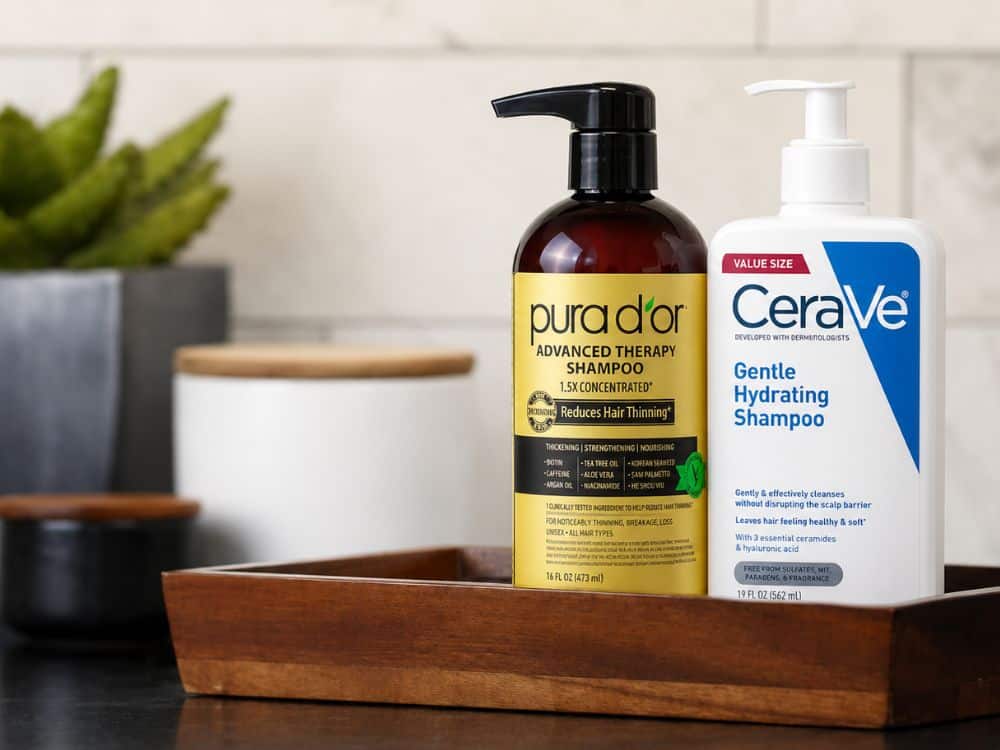
Scalp-First Pick: PURA D’OR Advanced Therapy Shampoo

A scalp-first shampoo for thinning-looking hair that needs gentle cleansing, volume support, and less wash-day stress.
Organic Thickening Pick: Avalon Organics Biotin B-Complex Thickening Shampoo
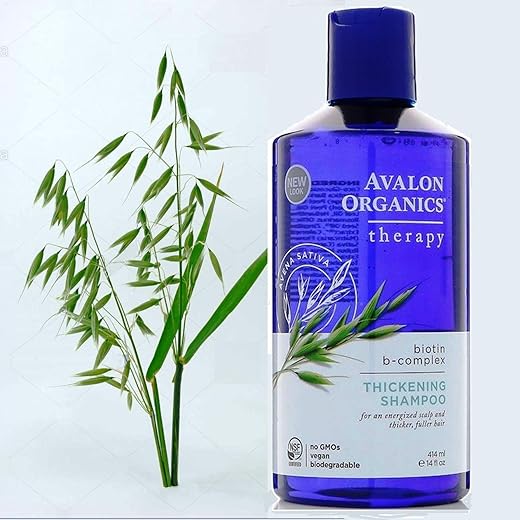
A lightweight organic-positioned shampoo for fine, thinning-looking hair that needs cleaner roots, body, and a fuller appearance.
Breakage-Prone Hair Pick: Mielle Organics Rosemary Mint Strengthening Shampoo

A strengthening shampoo for weak, brittle, or textured hair that needs gentler cleansing and less friction during wash days.
Fine Hair Volume Pick: Jason Thickening Biotin Shampoo

A simple volume-focused shampoo for fine, flat, thinning-looking hair that needs lift without an overly intense treatment feel.
Sensitive Scalp Alternative: CeraVe Gentle Hydrating Shampoo

A non-organic gentle alternative for sensitive scalps that need hydration support, low irritation, and a calmer wash routine.
If you want a fuller buying breakdown before choosing, compare these picks with the complete guide to the best organic shampoo for hair loss. Use that guide for product comparison, then use this article to judge whether the formula actually fits your scalp and wash routine.
How to wash thinning-looking hair without adding breakage
- 01Wet your scalp fully before shampooing
Let water soak the scalp and roots before adding shampoo. Half-wet hair snags more easily, especially when strands are fine, fragile, or already thinning-looking.
- 02Apply shampoo to the scalp, not the lengths
Focus the cleanser at the roots where oil, sweat, and buildup collect. Let the rinse water carry a small amount through the lengths instead of scrubbing fragile ends.
- 03Massage with fingertips, not nails
Use the pads of your fingers in small, slow circles. The goal is a calm scalp and clean roots, not aggressive scrubbing that creates more shedding stress.
- 04Rinse slowly so tangles do not tighten
Rinsing is part of the routine, not an afterthought. Let water loosen the shampoo fully before you squeeze or move the hair around.
- 05Condition the lengths if your ends feel dry
Shampoo supports the scalp, but it cannot protect fragile ends by itself. Use conditioner on mid-lengths and ends if breakage or dryness makes thinning look worse.
- 06Keep the routine steady for two weeks
Do not judge by one wash unless your scalp reacts badly. Watch for scalp comfort, root heaviness, easier detangling, and less breakage over time.
For thinning-looking hair, a calmer wash routine often matters as much as the shampoo bottle you choose.
If thinning-looking hair also feels dry, rough, or hard to detangle, shampoo alone will not protect the lengths. Pair your scalp-focused wash with a light conditioner on the mid-lengths and ends; this guide to chemical-free conditioner for dry hair can help you choose a formula that supports softness without heavy buildup.
How to know if an organic shampoo is helping thinning-looking hair
- Your scalp feels calm after washingA good match should leave your scalp clean and neutral, not tight, itchy, sore, hot, or overstimulated.Look forYou stop noticing scalp discomfort during the day, even when you follow your normal wash schedule.AvoidKeeping a shampoo that makes your scalp feel uncomfortable just because the label looks organic or natural.
- Your roots feel clean but not collapsedThinning-looking hair needs clean roots, but heavy residue can make fine hair look flatter and sparser.Look forRoots feel refreshed after rinsing, with some lift and movement instead of a coated or greasy finish.AvoidOil-heavy formulas that make you wash more often because your roots feel weighed down too quickly.
- Detangling feels easier after rinsingThe right shampoo should not leave fragile strands rough, tangled, or harder to separate after the shower.Look forHair feels smoother to handle, and you notice less pulling when you apply conditioner or gently detangle.AvoidJudging only by lather or scent while ignoring how rough your hair feels after rinsing.
- Breakage feels less dramatic over timeShampoo will not stop medical hair loss, but a gentler wash routine can reduce extra snapping from friction.Look forFewer broken short pieces, less roughness at the ends, and calmer wash days after consistent use.AvoidExpecting instant regrowth instead of tracking realistic signs like scalp comfort and lower breakage.
- Your routine stays simple and repeatableA useful shampoo should fit your normal routine without making you scrub harder, wash more often, or add extra fixes.Look forYou can use it consistently for two weeks without your scalp or hair feeling worse.AvoidChanging shampoo, conditioner, styling products, and wash frequency all at once, because that makes results impossible to read.
Choose the shampoo your scalp can tolerate consistently
- Prioritize scalp comfort over growth claims
- Choose lightweight support if roots get flat easily
- Track breakage, detangling, and irritation for two weeks
Organic shampoo can be a smart choice for thinning-looking hair, but only when the formula supports a calmer scalp and a lower-friction wash routine. Do not judge by the word organic alone, and do not expect shampoo to reverse medical hair loss. Choose a formula that cleans without tightness, rinses without roughness, and helps fragile strands survive wash day with less stress.