Chemical-free conditioner can help dry hair feel softer, but only when you apply it with enough water control, contact time, and slip. If your hair feels rough after switching, the issue is often technique, formula fit, or both.
This guide shows you how to use chemical-free conditioner for dry hair in a way that actually reduces roughness instead of exposing it. You’ll learn how wet your hair should be, where to apply the conditioner, how long to leave it on, how to rinse, and when choosing the right chemical-free conditioner matters more than changing the routine again.
- How to apply conditioner so dry hair gets enough coverage
- Why hair can feel rough after switching from silicone-heavy formulas
- How long to leave conditioner on before rinsing
- When to adjust your formula instead of blaming your technique
How to stop chemical-free conditioner from making dry hair feel rough
- Start with wet, not dripping, hair Squeeze out excess water before applying conditioner so the formula does not get diluted before it reaches dry areas.
- Apply where dryness actually lives Focus on mid-lengths and ends first, then use only a tiny amount near the roots if your scalp also feels dry.
- Give it enough contact time Leave the conditioner on for at least two to three minutes so dry hair has time to soften before rinsing.
- Rinse based on your hair’s response Use a full rinse for hair that gets flat easily, or a partial rinse if very dry ends feel stripped afterward.
- Change formula if roughness stays If your hair still feels rough after two to three weeks, the conditioner may be too light for your dryness level.
Use this as a quick routine check before assuming your chemical-free conditioner is not working.
What “chemical-free” really means for dry hair
Chemical-free conditioner
In hair care, this usually means a conditioner made without certain ingredients the buyer wants to avoid, such as silicones, sulfates, parabens, or synthetic fragrance. It does not mean the product contains no chemicals at all.
Silicone-free feel
A silicone-free conditioner may feel less slippery at first because it does not coat strands with the same instant-smooth finish. Dry hair can feel more exposed until moisture and slip are supported consistently.
Slip
Slip is the lubricated feel that helps strands separate without pulling. Dry hair needs enough slip during conditioning so detangling does not create extra friction, roughness, or breakage.
Formula fit
Formula fit means the conditioner matches your hair thickness, dryness level, scalp sensitivity, and damage level. If the formula is too light, even good technique may not make dry hair feel soft.
If you are still deciding what kind of clean conditioner fits your hair, start with the broader guide to chemical-free conditioner for dry hair. If your search is more focused on organic formulas, compare it with this guide to organic conditioner for dry hair before choosing a product.
How to use chemical-free conditioner for dry hair without roughness
-
Squeeze out excess water first
After shampooing, your hair should be wet but not dripping. If it is soaked, the conditioner gets diluted before it can coat dry mid-lengths and ends.
-
Warm the conditioner between your palms
Rub the conditioner between your hands for a few seconds before applying it. This helps thicker, oil-rich, or creamier formulas spread more evenly.
-
Apply from mid-lengths to ends
Start where dryness and friction usually show up first. Use only a tiny amount near the roots if your scalp also feels dry or tight.
-
Use enough product for real coverage
Fine or short hair may need a small coin-sized amount, while long, thick, curly, or very dry hair may need more and should be conditioned in sections.
-
Leave it on for two to five minutes
Chemical-free conditioner usually needs more contact time than a fast silicone-heavy rinse. Give dry hair time to soften before you detangle or rinse.
-
Detangle while the conditioner is still on
Use your fingers first, then a wide-tooth comb if needed. Work from the ends upward so knots release without creating extra breakage.
-
Rinse based on how your hair behaves
Use a full rinse if hair gets flat easily. Try a softer partial rinse on the ends if very dry hair feels stripped right after washing.
The goal is not to use more conditioner every time. The goal is better coverage, enough contact time, and less friction while your hair is wet.
If your dry hair still feels rough, repeat the routine for two to three weeks before judging the product. Focus on wet-but-not-dripping hair, enough conditioner on the ends, slow detangling, and a rinse that does not strip away all softness.
Why your hair still feels rough after using chemical-free conditioner
- Your hair was too wet during applicationWhen hair is dripping wet, conditioner gets diluted before it can stay on dry areas long enough to soften them.Look forConditioner slides off quickly, feels watery, or disappears before you can spread it through the ends.AvoidApplying conditioner immediately after rinsing shampoo without squeezing out excess water first.
- The conditioner did not stay on long enoughDry hair usually needs more contact time with silicone-free or naturally derived conditioners before it feels softer.Look forHair feels unchanged after rinsing, even though you applied enough product to the dry sections.AvoidRinsing after only a few seconds because the conditioner feels less slippery than conventional formulas.
- You rinsed away too much softnessA full rinse works for fine hair, but very dry or frizzy ends may feel stripped if every trace of conditioner is removed.Look forHair feels better while conditioner is on, then turns rough again as soon as you rinse thoroughly.AvoidUsing hot water or rinsing the driest ends until they feel squeaky clean.
- Your shampoo is too strippingIf shampoo removes too much natural oil first, conditioner has to fight moisture loss instead of simply softening the hair.Look forHair feels tight, stiff, or rough before conditioner even has a chance to work.AvoidPairing chemical-free conditioner with a harsh, squeaky-clean shampoo routine.
- The formula is too light for your dryness levelGood technique cannot fully fix a conditioner that lacks enough richness, slip, or moisture support for very dry hair.Look forHair stays rough after two to three weeks of correct use, especially at the ends or in coarse sections.AvoidBuying only by the cleanest-looking label instead of matching the formula to hair thickness and dryness.
If your hair still feels rough, match the conditioner to your hair type
Lightweight Pick for Fine Dry Hair: Acure Ultra Hydrating Conditioner
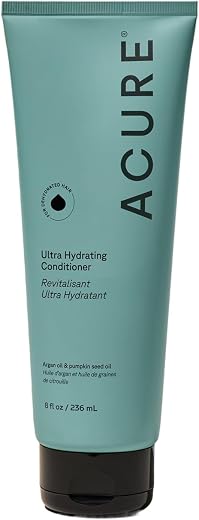
A lightweight daily conditioner for fine, dry, or color-treated hair that needs moisture without losing volume or feeling coated.
Rich Cream Pick for Coarse Hair: INNERSENSE Organic Beauty Hydrating Cream Conditioner

A richer cream conditioner for thick, coarse, or thirsty hair that needs more slip, frizz control, and lasting softness.
Sensitive Scalp Pick: ATTITUDE Nourishing Hair Conditioner

A gentle option for dry hair with a sensitive scalp, using oat and avocado oil for softer-feeling lengths.
Curly Hair Pick for More Slip: Shea Moisture Raw Shea Butter Restorative Conditioner

Best for curly, frizzy, or very dry hair that needs richer conditioning and better slip during slow detangling.
Repair Pick for Rough Damaged Hair: SheaMoisture Manuka Honey & Yogurt Conditioner

A stronger match for damaged, rough-feeling hair that needs moisture, softness, and easier detangling after each wash.
If your technique is already consistent but your hair still feels rough, compare formulas by hair type, dryness level, and slip instead of buying only by a clean label. For a fuller buying breakdown, see this guide to the best conditioner for dry hair without chemicals.
How often should you use chemical-free conditioner for dry hair?
Make chemical-free conditioner work with your hair, not against it
- Use technique to prevent roughness before changing products
- Match conditioner richness to your dryness level
- Choose by hair behavior, not only by a clean-looking label
Chemical-free conditioner can work well for dry hair, but it needs the right routine behind it. Start with wet-but-not-dripping hair, apply enough product through the mid-lengths and ends, give it real contact time, and rinse according to how your hair feels afterward. If your hair still feels rough after a few consistent weeks, the next step is not using more product blindly — it is choosing a formula that better matches your hair thickness, dryness level, and need for slip.