There’s something oddly comforting about the smell of a clean home – not the sharp sting of bleach, but the soft mix of citrus, fresh air, and peace of mind.
In a world that often sells us stronger sprays and harsher chemicals, many of us are quietly turning back to gentler ways of caring for our space. After all, a truly “clean” home shouldn’t make us hold our breath.
That’s what natural pest control is really about – creating harmony instead of a battlefield. It’s not about waging war on bugs; it’s about understanding them, disrupting what attracts them, and restoring balance using nature’s own tools.
Because the truth is, when we treat our homes kindly, they have a way of staying calm – and so do we.
In this post, we’ll look at the gentle systems that help a home stay calm: how to break the patterns that attract ants, how to clean the damp places fruit flies love, and how to know when a problem has moved beyond home remedies. Natural pest control works best when it’s practical, observant, and honest.
Think of this as a starting map, not just a list of remedies. Some pests leave quietly when you remove what attracts them. Others need stronger intervention. Knowing the difference is part of caring for your home well.

The principles of natural pest control
Natural pest control begins with a simple truth: a clean, balanced home rarely invites trouble. Most pests don’t appear out of nowhere – they follow trails of scent, moisture, and food that we often don’t notice.
So instead of reaching for chemicals, the goal is to break those invisible invitations using nature’s quiet but powerful defenses.
It starts with what I call the “three pillars”:
Clean, Repel, and Block.
- Clean the sources – food crumbs, damp corners, and drains where life thrives in miniature.
- Repel gently – with natural scents like citrus, peppermint, and vinegar that confuse insects’ sense of direction.
- Block their return – with fine screens, sealed cracks, and better airflow that keep them from finding their way back in.
Ants are a simple example: many household pests follow scent, moisture, or hidden food sources, and once you interrupt those patterns, the problem often weakens on its own.
When strong natural aromas interfere with those signals, the entire network collapses, and the ants simply lose their way.
If you’ve ever noticed how a trail of ants disappears after wiping the surface with vinegar, that’s not magic – it’s science at work.
Understanding this simple mechanism helps us see pest control differently. We don’t need to “fight” nature; we just need to redirect it. A calm, mindful approach not only protects our health but keeps the home feeling fresh and alive – the way it should be.
Quick decision map: DIY or call a pro?
Not every bug calls for battle gear. Sometimes all you need is a sponge, a bit of vinegar, and five calm minutes. Other times – well, even the bravest bottle of essential oil can only do so much. Knowing when to handle it yourself and when to phone an expert is what makes natural pest control smart, not stubborn.
Here’s a simple way to decide:
If you’re dealing with a few ants wandering near the windowsill, fruit flies dancing above the sink, or the odd mosquito that sneaks in at dusk, you’re in DIY territory.
These are guests that overstay their welcome, not invaders. A clean drain, a citrus spritz, or a peppermint wipe-down is often enough to show them the door.
But when the situation starts to feel like a horror movie – tiny black dots on your mattress, unexplained bites in the morning, or a sudden swarm coming from nowhere – it’s time to call a pro. Bed bugs, termites, or recurring infestations often hide where homemade remedies can’t reach.
Professionals don’t just kill what you see; they track what’s hiding behind the walls, under the floors, and inside the seams of your furniture.
That doesn’t mean giving up on gentle methods. Even after the experts are gone, you can keep your home calm and clean with simple daily habits – sealing food, airing out damp corners, wiping trails with vinegar, and sprinkling citrus oils where pests once marched in.
Think of it as teamwork: the pros handle the crisis; you handle the peace that follows.
Because the real goal isn’t just a bug-free home – it’s a balanced one, where nature stays outside, and comfort stays in.
Ants – steer the colony away with scent barriers
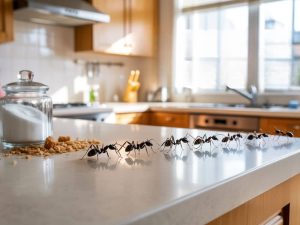
There’s nothing quite like waking up to a peaceful morning… until you see a determined little line of ants marching across your kitchen counter as if they’ve just claimed it.
They don’t mean harm, of course – they’re just following a chemical map we can’t see. That’s where the magic of natural pest control steps in: you don’t fight them, you steer them.
If you’ve ever found yourself wondering why do I suddenly have black ants in my house, this gentle guide explains exactly why they appear, how to track where they come from, and how to send them away naturally – no harsh sprays required.
Ants are brilliant communicators. Each one leaves behind an invisible scent trail – a tiny breadcrumb of chemistry that others follow with military precision. When you break that trail with strong, natural aromas, their entire navigation system collapses.
Confused and lost, they turn back, searching for a new route that (thankfully) doesn’t lead to your pantry.
So instead of fighting nature, you’re gently rerouting it – with scents that say, “This way, please,” rather than “Get out!”
Citrus & Vinegar: Erase the GPS
Few things smell fresher than citrus, yet to ants, that tangy brightness is chaos. Orange, lemon, and grapefruit oils contain d-limonene, a compound that dissolves the waxy coating of their tiny airways. It’s harmless to us but unbearable to them.
Mix 15–20 drops of lemon or orange essential oil with a cup of water, pour it into a spray bottle, and give door frames, baseboards, and windowsills a gentle mist. The bonus? Your home will smell like a morning in a citrus grove.
Vinegar works differently – it’s not toxic, it’s tactical. Ants rely on pheromone trails like GPS signals; vinegar wipes those clean, forcing them to lose direction. A simple 1:1 vinegar-water mix sprayed along their routes breaks the chain of command instantly.
These small rituals don’t just chase ants away; they remind you that keeping balance doesn’t need to smell like chemicals – it can smell like breakfast.
Peppermint, Cinnamon & Friends
While citrus clears their maps, mint and spice throw their senses into full confusion.
Peppermint oil – the cool, sharp scent we find refreshing – is an overload for ants. Add 10–15 drops to a cup of water, shake gently, and spritz corners or wipe counters after cleaning. You’ll notice the air feels lighter, and the ants… well, they’ll find other plans.
Cinnamon, cloves, and even coffee grounds also make excellent barriers. Sprinkle ground cinnamon near cracks or use a few whole cloves inside cupboards. Coffee grounds around plants or wall edges create a natural fence – rough texture, bitter scent, and zero chemicals.
If you want to go deeper into which scents ants hate most and how to use them well, this guide walks through the best options step by step, from choosing oils to building simple scent barriers at home.
Natural pest control isn’t about harshness; it’s about awareness. When you understand how ants think, you can guide them – kindly – right back outdoors. The result? A cleaner home, a clearer conscience, and a soft citrus-mint breeze that makes even cleaning day feel like a small act of care.
Fruit flies – clean the drain, starve the swarm
They seem to appear out of thin air – those tiny fruit flies that hover over your sink like they’re attending a cocktail party you never invited them to. But they don’t come from nowhere. They come from somewhere damp, dark, and full of quiet chaos – the drain.
Fruit flies aren’t drawn by light; they’re drawn by decay. Even a spoonful of leftover juice or a slice of apple left too long in the compost can turn into a five-star nursery.
And once they settle in, they breed faster than your cleaning routine can catch up. The key to natural pest control here isn’t killing what flies – it’s starving what hatches.
Let’s start where they live – and where most people never think to look.

Deep-clean the breeding zone
You can’t fix what you can’t see, and fruit fly nests are expert at hiding. They live in the slime – that thin, grayish biofilm lining the inner walls of your drain. To them, it’s paradise: moisture, food residue, and protection from your occasional splash of hot water.
The fix is refreshingly simple. Start by scrubbing the drain walls with a stiff brush. Then pour boiling water daily to flush out loosened gunk. For a deeper clean, follow with a mix of ½ cup baking soda and 1 cup vinegar, and let the fizz do its quiet work.
Finally, pour an enzyme cleaner overnight to digest whatever organic film remains.
It’s a small ritual, but it makes all the difference. You’re not fighting the flies – you’re removing their home base.
If you want the full step-by-step version, this drain cleaning guide shows exactly how to clear the buildup fruit flies love and restore balance without a single toxic drop.
Install physical barriers
Once you’ve cleaned, the next step is defense.
Fit fine-mesh drain screens in the kitchen and bathroom to catch crumbs while letting water flow freely. Use hair catchers in showers and tubs – not just to trap hair but also to block the organic debris that flies love.
If you want an upgrade, try drain plugs with built-in strainers; they double as protection and help reduce clogs too.
These tiny barriers are quiet heroes. They don’t kill anything – they simply say “not this way” to the next wave of would-be guests.
Monitor & prevent the comeback
Even after you win the first round, fruit flies have a way of testing your patience. The trick is early detection.
Once a week, take a flashlight and check the drain opening. A sweet, fermenting odor or tiny dark specks along the rim are early warnings.
You can set up a simple apple-cider-vinegar trap nearby – just a few drops of dish soap in a small cup. It won’t replace cleaning, but it helps you see if they’re trying to return.
And while it may sound obsessive, keep a little “fly diary.”
Note where and when they show up – you’ll notice patterns. Some drains are repeat offenders, others stay quiet for months. Once you know your weak spots, you’ll be able to prevent a swarm before it ever starts.
A clean drain might not sound glamorous, but it’s a quiet victory – one that keeps your kitchen light, your mornings calm, and your home smelling like life, not leftovers.
Bed bugs – clear the myth before you waste time
They say ignorance is bliss – until you realize that ignorance itches.
Few home problems are as unnerving as bed bugs. They’re silent, patient, and terribly democratic: they don’t care whether your sheets are silk or secondhand.
The good news? Most “mystery bites” people panic about aren’t from bed bugs at all. The bad news? When it is them, no amount of scented softener will save you.
Myths that waste your time
One of the most common internet legends claims that fabric softener can kill bed bugs. It can’t. What it can do is make your laundry smell like lavender while the bugs continue their midnight feast elsewhere.
Fabric softener coats fibers with a light, oily film – great for softness, but useless against insects. It might drown a few on contact, but it doesn’t touch eggs, hiding spots, or the real colony.
If that myth has been lingering in the back of your mind, this guide explains what fabric softener can and cannot do against bed bugs, without turning the whole issue into panic.
Other myths follow the same pattern. Spraying alcohol on your mattress? Risky and rarely effective.
Using essential oils? Nice for aromatherapy, not for extermination. Bed bugs hide deep – behind baseboards, under seams, even inside wall sockets – far beyond the reach of a quick DIY fix.
Reality that protects your sleep
What works isn’t fancy; it’s persistence.
Start with heat – the one thing bed bugs can’t negotiate with. Wash and dry bedding on the hottest safe setting, and if possible, steam-clean mattresses and furniture seams.
Next, vacuum thoroughly, including under beds and along walls. Empty the bag or canister outside immediately – they can crawl back if you don’t.
Then, encase your mattress and pillows in protective covers designed to trap anything that remains.
If the infestation has spread beyond one room, call a professional. They use targeted heat or chemical treatments that reach places you never could.
It’s not weakness to ask for help – it’s wisdom. Once the crisis passes, your natural habits take over again: regular cleaning, sunlight, fresh air, and essential oils only for comfort, not combat.
The truth about natural pest control is balance – knowing when gentle care works, and when it’s time for precision tools. Bed bugs test patience, but they also teach something deeper: that peace doesn’t come from masking the problem; it comes from finally resting without worry.
Your safe, non-toxic starter kit
Starting your natural pest control journey doesn’t mean turning your kitchen into a laboratory. You don’t need rare herbs, exotic oils, or a cupboard full of “green” products that cost more than they solve.
All you need are a few humble ingredients – things your grandmother probably used long before “eco-friendly” became a marketing label.
Think of this as your calm little toolkit for everyday peace.
White vinegar – the quiet powerhouse
It cuts grease, breaks down odors, erases ant trails, and leaves behind nothing but a faint tang that disappears in minutes.
Mix it with equal parts water for an all-purpose surface spray, or use it to wipe window sills, drains, and door frames.
It’s the smell of simple, old-fashioned cleanliness – the kind that makes you exhale and say, “There, that’s better.”
Baking soda – the gentle scrubber
Baking soda doesn’t shout, but it works hard.
It absorbs smells, unclogs drains, and even deters tiny insects that dislike its texture. Sprinkle it in the bottom of trash bins, shoe racks, or under the sink.
For a deeper clean, pair it with vinegar – their fizzing dance clears buildup that pests quietly thrive in.
This duo might not have a fancy label, but together they’re the calm core of any mindful home.
Essential oils – the scent of harmony
Peppermint, lavender, eucalyptus, and lemon are more than pleasant aromas – they gently nudge insects away while soothing your mood.
Blend a few drops with water and spray along doorways or mix them into your cleaning routine.
Mesh screens, covers & natural barriers
Sometimes the most effective solutions are physical, not chemical.
Fine mesh on windows, drain covers, and fabric encasements for mattresses do more than protect – they prevent. They’re silent guardians, working even when you forget they’re there.
Sunshine and airflow
The oldest, most underrated natural disinfectant is sunlight.
Open your curtains. Let your mattress breathe. Dry your laundry under real sky. Many pests – especially bed bugs and mold-loving mites – despise bright, dry air.
With these few essentials, your home becomes a softer kind of fortress – one that doesn’t smell of poison but of peace. You’ll find that once you start living this way, cleaning stops feeling like a battle and becomes something gentler – a quiet rhythm of care.
Weekly ritual – five minutes to stay bug-free
.A five-minute ritual is all it takes to remind your home that you’re paying attention.
Minute 1 – Listen to your home.
Walk slowly through your kitchen or bathroom, not to inspect but to notice. Is there a faint sour smell? A damp corner that doesn’t dry as fast as it used to? Pests always whisper before they shout. Catching those whispers is half the victory.
Minute 2 – Let the air move.
Open one window, even just for a few breaths of light. Stale air is an invitation; fresh air is a quiet refusal. Let sunlight hit a corner that’s been forgotten – nothing thrives there quite like warmth.
Minute 3 – Feed the helpers.
Nature has allies. A small bowl of coffee grounds near the trash or a fresh citrus peel by the sink won’t solve an infestation on its own, but these gentle scents can support the feeling of freshness that often goes hand in hand with better daily habits.
Minute 4 – Reset surfaces.
Wipe counters and handles with plain warm water – not for sparkle, but for rhythm. The act of touching the space that holds your day keeps you aware of what changes. Awareness itself is prevention.
Minute 5 – Close the circle.
Take one last look around. The calm you see is proof that care works better than control. You don’t need potions or panic – just five mindful minutes that keep your space alive, grounded, and yours.
A quieter kind of control
In the end, natural pest control isn’t about mastering nature – it’s about remembering that we’re part of it.
Every clean drain, every open window, every small act of care is a message to your home: you are safe here.
Chemicals may silence bugs faster, but they also silence something else – the quiet confidence that comes from tending your space with patience.
When we choose gentler ways, we choose connection: between air and scent, between habit and peace, between the place we live and the way we feel in it.
So take your time. Notice the signs, keep your five-minute rituals, and trust that calm can protect just as well as control ever did.
Because a truly clean home isn’t the one without insects – it’s the one that lets you breathe easily, knowing everything inside it lives in balance.