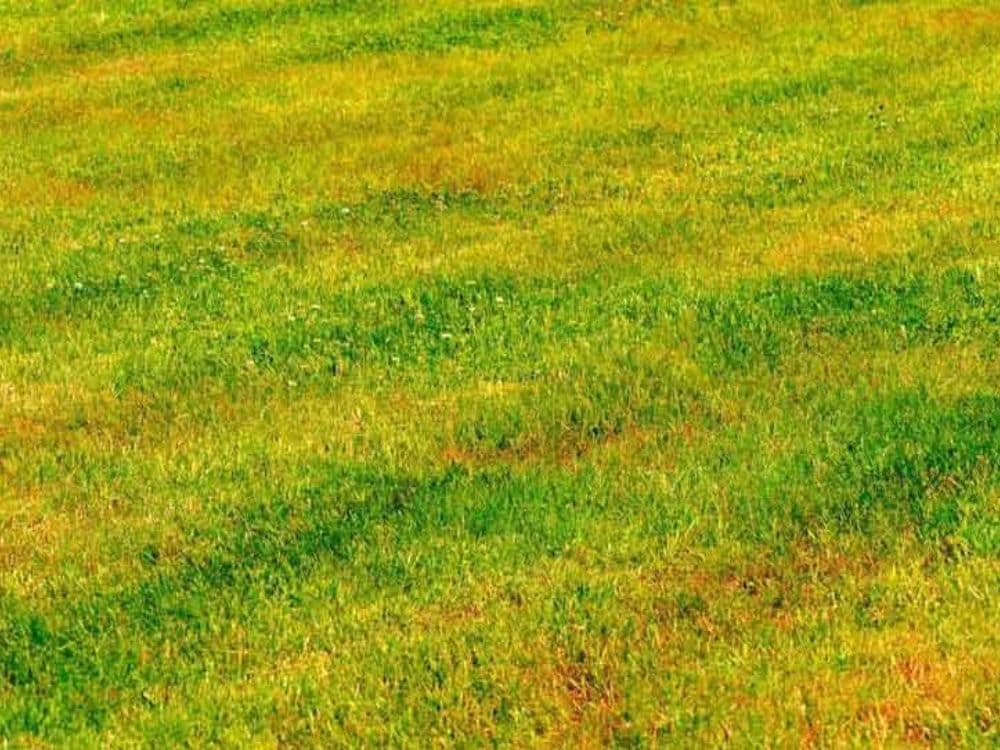
Have you noticed yellow patches spreading across your lawn this winter? That sudden shift from vibrant green to dull gold can leave any homeowner wondering, “Why is my lawn turning yellow in winter?”
The truth is, winter yellowing is common – but it can still feel frustrating. Without knowing the real cause, it’s easy to waste time or money on treatments that don’t actually help.
In this post, we’ll explore why your grass loses its color in the colder months – from natural dormancy to hidden moisture problems – and share simple, effective ways to bring it back to life.
You’re not alone in this. Many homeowners face the same worry when their lawn starts looking more like a faded carpet than a healthy, green yard.
By the end, you’ll not only understand the root causes of winter yellowing but also learn how to protect your grass so it bounces back strong and fresh in spring.
So let’s dig into what’s really happening beneath the frost – and how to keep your lawn resilient through the cold.
For a broader, season-wide approach that supports your entire garden through winter, see Winter Garden Care
Natural winter dormancy in cool-season grasses
Understanding seasonal growth and color changes
If you’ve ever wondered “why is my lawn turning yellow in winter?”, the answer may be surprisingly simple: dormancy.
Cool-season grasses like fescue, bluegrass, and ryegrass follow natural seasonal cycles. In colder months, they slow their growth and redirect energy from producing lush blades to storing nutrients in their roots.
This shift causes grass to lose some of its bright green color. Once temperatures drop below 50°F, photosynthesis slows down and chlorophyll production fades.
Without fresh chlorophyll, the green disappears and underlying yellow or brown pigments become visible. What looks like a dying lawn is actually just grass going into “survival mode.”
Dormancy vs. real lawn damage
The key is telling the difference between healthy dormancy and actual lawn problems. Dormant grass:
- Shows consistent yellowing across the yard.
- Feels firm and intact, not mushy.
- Doesn’t pull up easily.
- May look dull but has no bad odor.
By contrast, damaged grass often shows warning signs like patchy yellow spots, slimy blades, dark brown or black areas, foul smells, or turf that lifts with little effort.
Another test? Walk across your lawn. Dormant grass usually bounces back from light foot traffic without permanent harm.
How dormancy looks in different grass types
Each type of cool-season grass has its own winter “signature” when it comes to color change:
| Grass Type | Dormancy Color | Pattern | Timeline |
|---|---|---|---|
| Kentucky Bluegrass | Pale yellow to straw | Gradual fade from leaf tips | Early winter |
| Tall Fescue | Yellowish-brown | Irregular patches | Mid-winter |
| Perennial Ryegrass | Light yellow-green | Uniform color change | Late winter |
Knowing these patterns can save you from unnecessary treatments. If your lawn’s color shift matches its natural dormancy stage, there’s no need to panic – it’s just nature at work.
Environmental factors causing winter yellowing
Less sunlight, less energy
One of the biggest reasons homeowners ask “why is my lawn turning yellow in winter?” is simple: less sunlight. Winter days shrink from summer’s 14–16 hours to just 8–10, and the sun sits lower in the sky. Shadows from fences, trees, and buildings stretch longer, leaving large portions of the yard in shade.
Since grass relies on photosynthesis for energy, reduced light means less chlorophyll. As chlorophyll fades, hidden yellow and brown pigments show through – making your lawn look weak even when it’s just conserving energy.
Spots under evergreen trees or on the north side of your home often turn yellow first, since they receive the least winter sun.
Cold stress and slowed growth
Cold weather doesn’t just make grass sleepy – it stresses it on a cellular level. Once temperatures dip below 50–60°F, grass metabolism slows down. Nutrients and water move less efficiently through stiffened cell membranes, and proteins that normally keep blades green lose their punch.
Repeated freeze–thaw cycles add to the strain. As water inside grass cells freezes and expands, it damages tissues. Hardy grasses usually survive, but the toll shows up as yellow or dull blades through winter.
Frost and ice damage
Frost sparkling on your lawn may look beautiful, but it can leave scars. When water vapor freezes on grass, sharp ice crystals can puncture blades, causing brown or yellow tips. If frost hits before the lawn has hardened off for winter, damage spreads faster.
Ice buildup can be even worse. A thick, lingering ice layer suffocates grass by blocking airflow, and walking on frost-covered turf makes blades shatter – creating yellow patches that linger into spring.
Snow mold under the blanket
Another culprit of winter yellowing is snow mold, a fungal disease that thrives in damp, airless conditions under packed snow.
- Gray snow mold (Typhula blight): Appears after snow sits on unfrozen ground, creating gray or tan circular patches.
- Pink snow mold (Microdochium patch): More aggressive, it can keep spreading even after snow melts if conditions stay wet and cool.
Lawns with long grass heading into winter, or areas where snow piles up from shoveling or plowing, are at the highest risk. Come spring, these yellow matted patches become visible as the snow finally melts away.
Moisture-related issues during winter months
Overwatering dormant grass
One hidden reason behind “why is my lawn turning yellow in winter” is overwatering. Many homeowners think their lawn needs the same care year-round, but during dormancy, grass drinks far less water. Regular irrigation schedules in winter often do more harm than good.
Too much water can:
- Leave soil soggy, suffocating the roots
- Encourage fungal diseases and bacteria
- Cause shallow root growth, making turf weaker against the cold
Instead of frequent watering, aim for occasional deep soakings every 3–4 weeks during unusually dry spells. The key is balance: keep soil from drying out completely, but let it breathe between waterings.
Poor drainage and waterlogged spots
Compacted or clay-heavy soil can make winter drainage worse. When snow melts or heavy rains arrive, water may pool instead of soaking in. Those low, soggy spots quickly turn yellow because roots can’t get the oxygen they need.
Common culprits include:
- Hard, compacted soil from foot traffic
- Heavy clay soil that holds water
- Thatch buildup blocking absorption
- Uneven grading causing puddles
- Overflow from clogged gutters or downspouts
Fixing drainage not only prevents winter yellowing but also sets your lawn up for healthier spring growth.
Winter dehydration from wind and dry air
Surprisingly, the opposite problem – dehydration – can also make grass turn yellow in winter. Cold winds and low humidity pull moisture from blades faster than roots can replace it, especially when the soil is frozen.
Signs of winter dehydration include:
- Crispy, brittle texture
- Yellowing that starts at the tips
- More severe damage in windy, exposed spots
- Rapid fading on sunny, breezy days
Windbreaks, temporary barriers, or even snow left in the right places can help protect turf from drying out, giving it a better chance to hold onto color through the dormant season.
Soil and nutrient deficiencies in cold weather
Nitrogen shortages in winter
Cold weather slows your lawn’s metabolism almost to a halt. Roots can’t absorb nitrogen efficiently once temperatures drop, and rain or melting snow often washes what little remains deeper into the soil. Even if you applied fertilizer in late fall, grass may struggle to use it once the ground turns cold.
Snow cover can make matters worse by creating oxygen-poor conditions that trap nitrogen in forms grass can’t use. Add in repeated freeze–thaw cycles, and much of that valuable nutrient sinks beyond reach of weakened roots.
Soil compaction blocking roots
Another common reason homeowners wonder “why is my lawn turning yellow in winter” is soil compaction. Walking across frozen or soggy ground presses soil particles tightly together, leaving little space for roots to grow or breathe.
Clay-heavy soils are especially vulnerable, holding excess moisture and suffocating roots just when they need oxygen most. Compacted soil also reduces microbial activity, disrupting the natural processes that help release nutrients. Without this support, grass struggles to stay healthy through the cold season.
pH imbalances and nutrient lockout
Grass grows best in soils with a pH between 6.0 and 7.0. Winter rains, melting snow, and decaying organic matter can push soil outside this sweet spot – often making it more acidic.
When pH drops below 6.0, essential nutrients like phosphorus and calcium become “locked up,” unavailable to roots.
Acidic conditions can also release toxic elements such as aluminum, which damage roots and make yellowing worse. On the other hand, alkaline soils above 7.0 can block iron, leading to pale, weak blades.
Iron deficiency and winter chlorosis
Iron deficiency creates one of the most recognizable patterns of winter yellowing. Instead of a uniform fade, blades turn yellow while veins remain green, creating a striped look called chlorosis.
Cold, wet soils make iron less available to roots, even when it’s present in the ground. High soil pH worsens the problem by tying iron into compounds grass can’t absorb. Cool-season grasses like Kentucky bluegrass and tall fescue are particularly prone to this type of yellowing in poorly drained or alkaline soils.
Preventive measures to minimize winter yellowing
Proper fall fertilization timing and application
Getting your fall fertilization right makes all the difference when winter arrives. Apply your last fertilizer treatment 6–8 weeks before your area’s first expected frost date. This timing gives grass roots enough opportunity to absorb nutrients and strengthen before going dormant.
Choose a slow-release fertilizer with higher potassium content rather than nitrogen-heavy options. Potassium helps grass plants build stronger cell walls, making them more resistant to cold stress and disease. A 3-1-2 or 4-1-2 NPK ratio works well for most cool-season grasses heading into winter.
Avoid fertilizing too late in the season, as this encourages new growth that won’t have time to harden off before freezing temperatures hit. Late growth stays tender and becomes more susceptible to winter damage and yellowing.
Adequate lawn preparation before first frost
Start preparing your lawn 4–6 weeks before frost typically arrives. Continue mowing regularly but gradually lower your cutting height to about 2–2.5 inches for the final cut. Shorter grass reduces the chance of snow mold and other fungal diseases that cause yellowing.
Remove fallen leaves promptly – they block sunlight and trap moisture against grass blades, creating perfect conditions for disease development. A thick layer of wet leaves can suffocate your lawn and lead to yellow patches come spring.
Apply a pre-winter fungicide if your area has a history of snow mold or other winter diseases. Focus on areas that typically stay wet longer or receive less sunlight during winter months. Preparing your lawn for the cold is much like preparing your home for the season – finding ways to stay resilient against harsh conditions.
Correct watering schedules for dormant grass
Dormant grass needs far less water than actively growing turf, but it still requires some moisture to survive winter stress. Water deeply but infrequently – about once every 2–3 weeks if there’s no natural precipitation.
Stop regular irrigation about 2 weeks before your first expected hard frost. This allows grass plants to naturally slow their growth and begin the hardening process. Continuing heavy watering into late fall keeps grass tissues soft and vulnerable to freeze damage.
Monitor soil moisture during warm winter spells. If temperatures rise above 40°F for several consecutive days and the soil feels dry 2–3 inches down, provide a light watering session.
Soil aeration and overseeding strategies
Core aeration in early to mid-fall helps prevent many winter yellowing issues. Compacted soil restricts root growth and water movement, leaving grass more vulnerable to winter stress. Aerate when soil is slightly moist but not soggy.
Overseed immediately after aeration to fill thin spots before winter arrives. Dense, healthy turf handles winter conditions better than sparse, weak grass. Choose grass varieties suited to your climate zone and match them to existing grass types.
Apply a thin layer of compost or quality topsoil after overseeding to improve soil structure and provide organic matter that feeds beneficial soil organisms throughout winter. This creates a healthier root zone environment that supports grass through dormancy and into spring recovery.
Treatment solutions for yellow winter lawns
Knowing when to take action
Not every yellow lawn needs rescue during winter. Cool-season grasses naturally go dormant, which means some fading is perfectly normal. If your entire yard shows a soft, uniform yellow-green, that usually signals healthy dormancy – not trouble.
Step in when yellowing looks patchy, severe, or unusual, especially if you notice:
- Brown patches with yellow borders
- A musty smell (a sign of fungal disease)
- Spongy areas underfoot
- Excess moisture or obvious mold growth
Checking soil moisture, recent weather changes, and signs of pests will help you decide whether intervention is needed. Snow mold, winter burn, and waterlogging are the most common culprits worth addressing.
Safe fertilization during winter
Winter fertilization should be handled with care, since grass takes up nutrients very slowly in the cold. The key is gentle feeding, not forcing growth.
Best practices:
- Use slow-release fertilizer with low nitrogen (10–15%) and higher potassium for resilience.
- Apply only on mild days (soil temps above 40°F).
- Avoid fertilizing frozen or snow-covered ground.
- Water lightly after application if no rain or snow is expected.
- Skip fertilization if temperatures are forecast to plunge below freezing within 48 hours.
Organic options like light compost topdressing are especially safe – they add nutrients gradually and won’t burn grass. For homeowners asking “why is my lawn turning yellow in winter”, this gentle approach can make a difference without risking further stress.
Improving drainage and soil conditions
If your lawn stays soggy in winter, poor drainage may be the hidden issue. Waterlogged soil suffocates roots and invites fungal problems.
Practical fixes include:
- Topdressing with sand (late winter/early spring) → improves surface drainage
- Adding organic matter (whenever soil isn’t frozen) → strengthens soil structure
- Installing French drains (fall or early spring) → long-term solution
- Creating raised beds (spring) → permanent fix for problem areas
In the short term, you can redirect downspouts, fill low spots with topsoil, or carve shallow channels to move water away. These stop-gap measures protect your lawn through winter until you can tackle a bigger soil improvement project in spring.
Preparing your lawn for a healthier spring
If you’ve been wondering “why is my lawn turning yellow in winter?”, the answer often comes down to a mix of natural dormancy, environmental stress, moisture problems, or soil nutrient imbalances. The good news is that most winter yellowing is temporary and part of the normal cycle.
By learning to recognize the difference between healthy dormancy and true damage, you can step in only when it’s really necessary.
Simple preventive steps – like proper fall fertilization, careful watering, soil aeration, and good drainage – make a world of difference in keeping your lawn resilient through the cold months.
Come spring, your grass is ready to wake up strong, lush, and green again. Winter yellowing isn’t the end of a healthy lawn – it’s just a pause, a season of rest before new growth begins. With the right care and patience, your yard will reward you with fresh color as soon as warmer days return.