The best meditation cushion for back pain is not simply the softest one. It is the setup that gives your hips enough lift, keeps the pelvis stable, and reduces the amount of work your lower back has to do while you sit.
If your back starts aching, slouching, or bracing after 10 to 20 minutes, the problem is often support rather than willpower. This guide focuses on choosing a cushion for back-pain support by matching the setup to the real issue: low hips, a cushion that collapses, tight hips, knee pressure, or floor sitting that no longer works for your body. For a broader foundation, start with how to choose the right meditation cushion. If your current setup still feels wrong after basic adjustments, this companion guide on why your meditation cushion still feels wrong can help you troubleshoot before buying another one.
- How to choose a meditation cushion for back pain without chasing softness alone
- Which support works best for sitting comfort, tight hips, bad knees, and longer sits
- When a zafu, crescent cushion, zabuton set, or meditation bench makes more sense
Choose by back pain pattern, not cushion softness
This guide is about support and sitting comfort, not medical treatment. Stop any setup that makes pain sharper, spreading, or progressively worse.
Quick picks for back-pain support



How to choose a meditation cushion for back pain
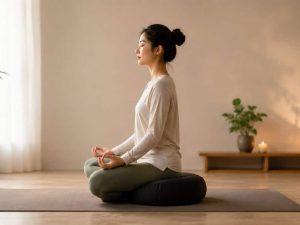
- Start with hip heightIf your hips sit too low, your pelvis is more likely to roll backward and your lower back may start doing extra work. For back-pain support, the first fix is often more usable lift, not a softer seat.Look forA cushion that raises the hips enough to make upright sitting feel less forced.AvoidChoosing the lowest cushion just because it feels less intimidating.
- Choose stable sitting comfort, not plush softnessA very soft cushion can feel good at first but lose support as it compresses. For sitting comfort that lasts through a session, the cushion needs to keep its shape under your body.Look forFirm or adjustable fill that stays supportive after the first few minutes.AvoidBuying only for initial softness if your posture collapses later.
- Match the shape to your hipsIf cross-legged sitting feels cramped, the problem may be shape rather than height. A crescent cushion can give the thighs and hips more room to settle, especially when tight hips make the lower back compensate.Look forA shape that gives your legs enough room without forcing your pelvis backward.AvoidAssuming a round zafu is automatically the best fit for every body.
- Add floor support when knees or ankles affect your backBack discomfort can get worse when knee, ankle, or foot pressure makes the whole base unstable. A zabuton or cushion set can reduce pressure from the floor so the back does not keep reacting to small adjustments.Look forA setup that supports both the pelvis and the points where your legs meet the floor.AvoidTreating knee pressure and back strain as completely separate problems.
- Know when a cushion is not enoughIf every floor cushion still makes your back brace, ache, or fatigue quickly, the better answer may be a meditation bench or chair. The goal is a repeatable posture, not forcing one traditional shape to work.Look forA setup that lets you sit upright with less effort and less compensation.AvoidKeeping floor sitting as the goal when your body keeps rejecting it.
A meditation cushion can improve support, but it should not be treated as a cure for back pain. If sitting makes pain sharper, sends discomfort down the leg, causes numbness, or keeps getting worse, stop that setup and consider professional guidance before trying to push through longer sessions. If the better move is to pause floor sitting rather than buy another prop, try calming rituals that don’t require buying anything until your body has a safer option.
Best meditation cushion setups for back pain
Best overall support cushion for back pain


Gaiam’s buckwheat zafu is the most sensible first pick in this back-pain guide because it focuses on stable sitting comfort rather than plush softness. The buckwheat hull fill can be adjusted, the cover is removable and washable, and the handle makes it easy to move between rooms or practice spaces.
- Adjustable buckwheat hull fill
- Removable machine-washable cover
- Carry handle for easy moving
- Good general support pick
- Not a crescent shape for tight hips
- May feel firm to softness-first buyers
- Single cushion only, no floor mat
- Not ideal if floor sitting fails
If your main goal is overall comfort rather than back-pain support specifically, compare the broader picks in this best meditation cushion for sitting comfort guide.
Best crescent cushion for tight hips and short people
Not sure why the shape matters? This crescent meditation cushion guide explains how a crescent seat differs from a classic round zafu and why it can feel easier when the hips need more room.


Retrospec’s Sedona is the better fit in this guide when back discomfort seems connected to tight hips or a cramped cross-legged position. Its crescent style gives the lower body more room than a standard round seat, while the buckwheat hull fill can be adjusted to fine-tune firmness.
- Crescent shape gives hips more room
- Buckwheat hull fill is adjustable
- Machine-washable cotton cover
- Handle makes it easier to carry
- Not the best if you need a full floor mat
- Shape may feel unfamiliar at first
- Still requires floor-sitting tolerance
- May not solve pain from low seat height alone
If your height affects how your knees, hips, and cushion height line up, this best meditation cushion for short people guide goes deeper into cushion height, leg angle, and setup choices for smaller bodies.
Best firm zafu when your hips sit too low


Hugger Mugger’s zafu is the firmer, more traditional pick in this guide for readers who need reliable lift under the pelvis. The buckwheat hull fill can be adjusted through the zipper, and the round shape makes sense when your main problem is low hip position rather than restricted leg room.
- Buckwheat hull fill can be adjusted
- Round shape supports classic sitting
- Designed to lift the pelvis
- Convenient handle for carrying
- Round shape may feel tight for some hips
- No zabuton base layer included
- May feel firm to softness-first buyers
- Still requires floor-sitting tolerance
Best zafu and zabuton set for longer sits and bad knees
Not sure whether you need both pieces? This zafu vs zabuton guide explains how the seat cushion and floor mat play different roles in a meditation setup.
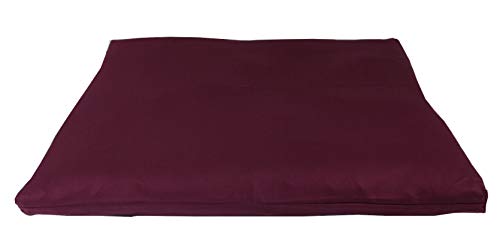
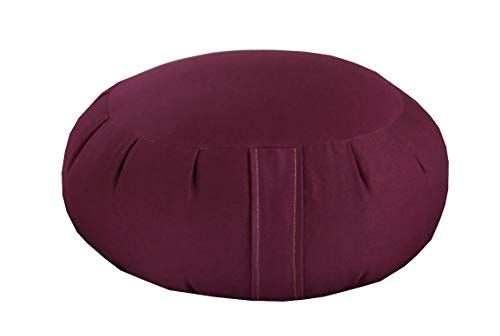

This two-piece setup makes the most sense when your back pain is tied to the whole sitting base, not just the height of the seat. The zafu gives lift under the pelvis, while the zabuton adds a softer surface under the knees, ankles, and feet for longer sitting sessions.
- Includes both zafu and zabuton
- Better support for floor contact points
- Useful for longer meditation sessions
- Helps when knee pressure affects posture
- Takes up more space than one cushion
- Less portable than a single zafu
- Care may be less simple than removable-cover cushions
- Still not ideal if floor sitting itself causes pain
If knee pressure is just as distracting as back strain, this meditation cushion for knee pain guide goes deeper into knee position, floor pressure, and when a different setup may help more than another cushion.
Best beginner-friendly cushion set for back-pain support


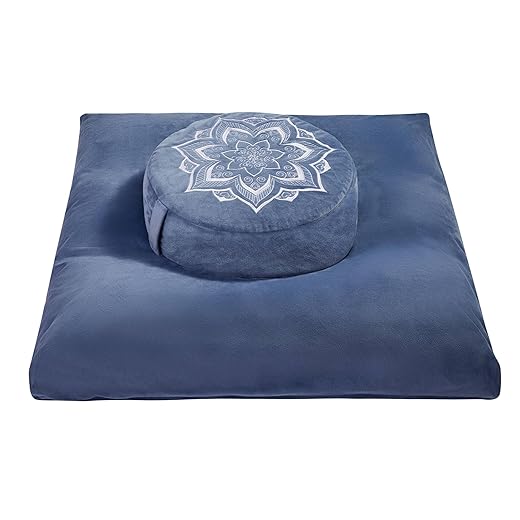
This set is the easier starting point if you are not sure whether your back needs more hip lift, more floor padding, or both. The zafu uses buckwheat hulls for adjustable support, while the memory-foam mat adds a softer base layer under the sitting setup.
- Includes both seat and mat support
- Buckwheat zafu allows firmness adjustment
- Memory-foam mat adds floor padding
- Removable velvet cover for easier care
- Less specialized than a crescent cushion
- May be more setup than minimalists need
- Memory foam feel may not suit everyone
- Still not a fix for floor-sitting intolerance
Best meditation bench alternative for back pain
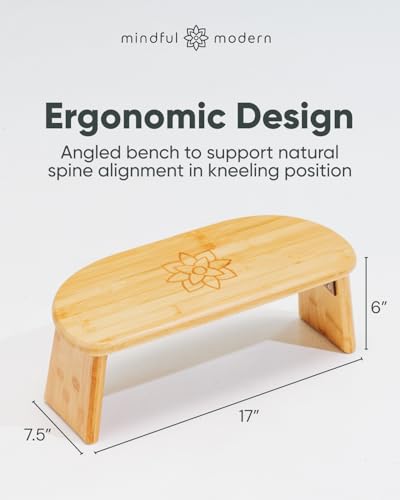

The Mindful Modern bench is the alternative pick when cross-legged cushion sitting keeps aggravating your back. Its folding bamboo design, locking magnetic hinges, and travel bag make it easier to use or store, while the kneeling position gives readers another way to sit upright without forcing a cross-legged posture.
- Alternative to cross-legged cushion sitting
- Folding bamboo design for storage
- Locking magnetic hinges add stability
- Travel bag supports portable use
- Kneeling posture may bother sensitive knees
- Not a cushion for cross-legged sitting
- May need a mat underneath for comfort
- Different feel from traditional zafu practice
Still deciding between a cushion and a bench? This meditation bench vs cushion guide explains when changing the sitting setup may help more than buying another cushion.
How to test whether your cushion is helping your back
-
Check your hip position first
Sit naturally and notice whether your hips feel lifted enough for your pelvis to stay upright without bracing. If the lower back rounds quickly, the seat may be too low or too soft. Use this meditation cushion height guide for beginners before assuming you need a softer cushion.
-
Wait five to ten minutes before judging comfort
A cushion can feel good in the first minute and still fail once it compresses. If your posture slowly collapses, you may need firmer or more adjustable support. If you are choosing between structured support and a softer first feel, compare buckwheat vs memory foam meditation cushions before buying by softness alone.
-
Watch what your knees and ankles are doing
If floor pressure makes you shift constantly, your back may be reacting to an unstable base. A zabuton or fuller setup may help more than changing the seat cushion alone.
-
Notice whether cross-legged sitting feels forced
If your hips feel trapped and your knees stay high, shape may matter more than height. A crescent cushion can be more useful than another round zafu.
-
Stop testing if pain gets worse
Do not use longer sitting as a way to force adaptation. If pain sharpens, spreads, causes numbness, or keeps increasing, stop that setup and reconsider the posture.
The best meditation cushion for back pain is the one that makes sitting more repeatable with less strain, not the one that looks most traditional.
For Vipassana or other longer stillness-based sessions, this best meditation cushion for Vipassana guide focuses more specifically on support, sitting duration, and staying steady without forcing the posture.
FAQ
What is the best meditation cushion for back pain?
The best meditation cushion for back pain is the one that matches the reason your back is struggling. If your hips sit too low, choose firmer lift. If your hips feel tight, try a crescent shape. If pain builds during longer sits, a zafu and zabuton setup or a bench may be more useful than another soft cushion.
Is a zafu good for Vipassana meditation if I have back pain?
A zafu can work well for Vipassana if it gives enough lift and stays stable during longer sits. If your back pain appears only after sitting for a while, the issue may also be floor pressure or fatigue, so a zabuton or bench may be worth considering.
What is the best meditation cushion for bad knees and back pain?
If bad knees and back pain happen together, look beyond the seat cushion alone. A zafu can lift the hips, but a zabuton or full cushion set can reduce pressure under the knees, ankles, and feet, which may make the whole sitting base steadier.
What meditation equipment works best for short people with back pain?
Shorter people do not automatically need the lowest cushion. The better choice depends on hip angle, knee position, and whether cross-legged sitting feels cramped. A crescent cushion can help when the legs need more room, while a firmer zafu can help when the hips still need lift.
What is the best meditation cushion for beginners with back discomfort?
Beginners should start with a setup that is easy to adjust and does not force one posture too aggressively. A buckwheat zafu or beginner-friendly cushion set is often easier to test than a very specialized cushion, but a bench or chair is valid if floor sitting quickly causes pain.
Are budget meditation cushions under $100 worth it for back pain?
A budget cushion can be worth it if it gives stable lift, uses supportive fill, and does not collapse quickly. Do not choose only by price. For back pain, a cheaper cushion that is too soft or too low may cost less upfront but still leave you needing a different setup.
Choose the support your back actually needs
- Choose firmer lift if your lower back rounds quickly.
- Choose a crescent cushion if tight hips make sitting feel forced.
- Choose a zafu and zabuton set if longer sits create knee, ankle, or floor pressure.
- Choose a beginner-friendly set if you are still learning what support your body needs.
- Choose a bench if cross-legged floor sitting keeps causing strain.
The best meditation cushion for back pain is not the same for every body. A firmer zafu can help when your hips sit too low, a crescent cushion can help when tight hips make cross-legged sitting feel cramped, and a zafu-and-zabuton setup can make longer sits steadier when knee or floor pressure is part of the problem. If floor sitting keeps making your back worse, a meditation bench or chair may be the more useful choice.